Skip to content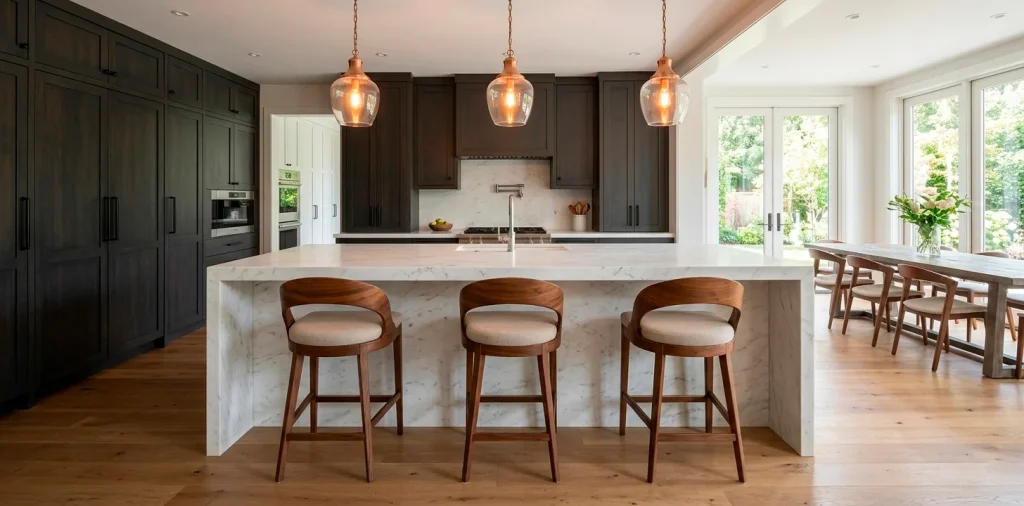
Your kitchen bar counter should be a sanctuary of comfort, not a physical therapy hazard. Have you ever perched on a stool that felt like a torture device, with your knees smashed against hard wood? I have, and my lower back still holds a grudge. Let us fix this in your home by blending sleek design with true ergonomic genius.
The Magic Height Number
First things first: standard dimensions exist for a reason, but comfort demands custom tweaks. Your counter height determines your entire seating experience. Most bar counters tower at 42 inches, while counter-height bars sit at 36 inches. Why does this matter?
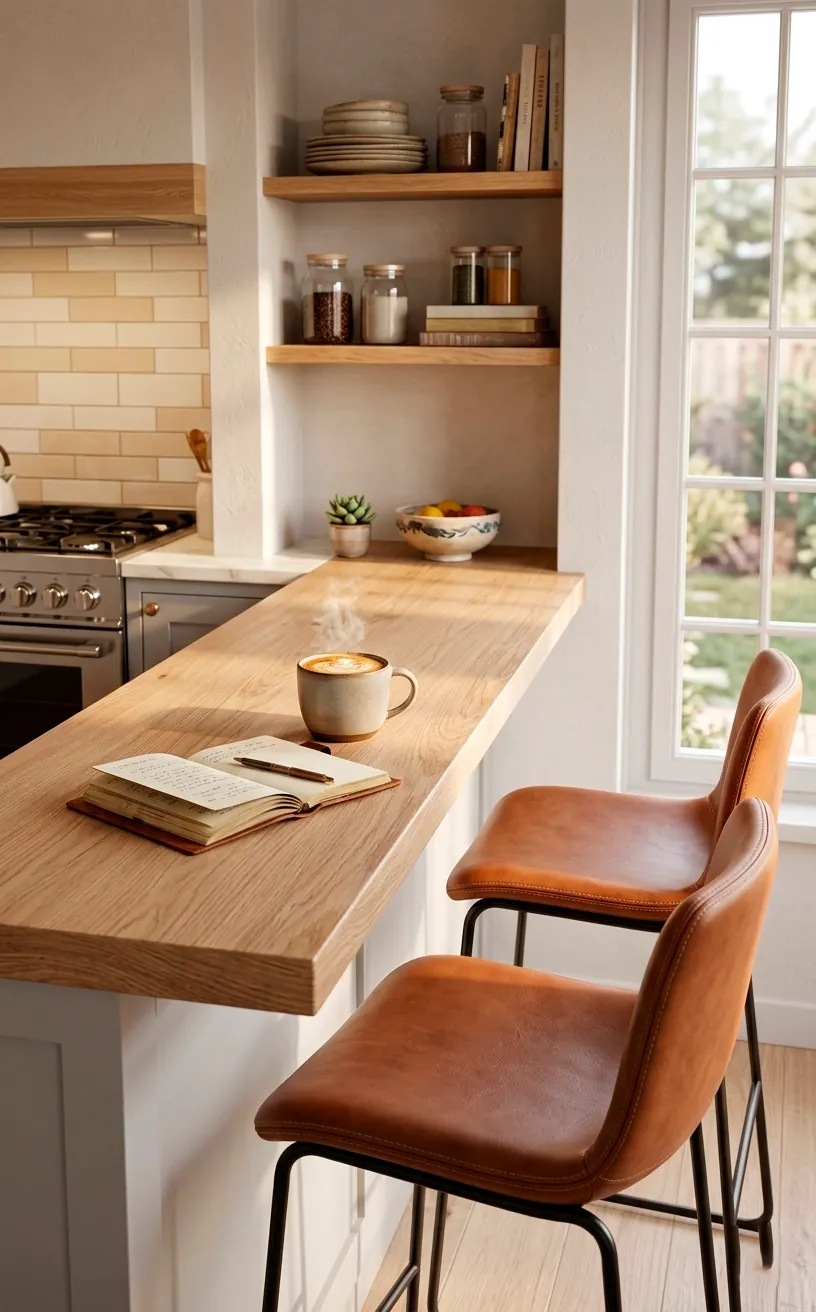
Because matching the bar height to your stools is the absolute golden rule. I recommend leaving a precise 10 to 12 inches of clearance between the seat bottom and the underside of the counter. Try measuring your favorite stool before committing to any construction. Your knees will seriously thank you later.
The Under-Counter Knee Escape Room
Nobody likes a cramped knee situation. To prevent your guests from feeling like they are trapped in economy class, you need to calculate the overhang depth. A proper ergonomic bar requires at least 12 to 15 inches of knee clearance. Any less and people will inevitably sit sideways, which completely defeats the purpose of comfortable dining. IMO, sacrificing extra floor space is always worth securing this crucial legroom. Your guests deserve to stretch out.
A useful little gift for your home
🎁 Free Plant Finder Tool
Filter 250+ houseplants by style, size, and care level to find your perfect green companion in seconds.
We’ll email you the link. Plus, you’ll join our newsletter for fresh home inspiration.

Sizing Up Your Counter Width
Elbow room is the ultimate luxury at a bar. Have you ever tried eating a steak while constantly bumping elbows with your neighbor? It ruins the vibe instantly.
To prevent turf wars, allocate at least 24 to 30 inches of width per person. This spacing ensures everyone has room for their plates, drinks, and expressive hand gestures.
If you regularly host dinner parties, aim for the wider side of that spectrum. Adding a few extra inches now prevents crowded table settings and keeps the conversation flowing smoothly.

The Crucial Footrest Savior
Dangling feet are the enemy of relaxation. If you do not provide a footrest, your guests will use the bar legs, your cabinets, or each other’s ankles to find support. An integrated metal or wood footrest rail installed 7 to 9 inches off the floor solves this instantly. It takes the pressure off the thighs and completely changes the comfort game. Trust me, ignoring the footrest is the easiest way to make a beautiful bar totally unusable.

Selecting the Right Countertop Edge
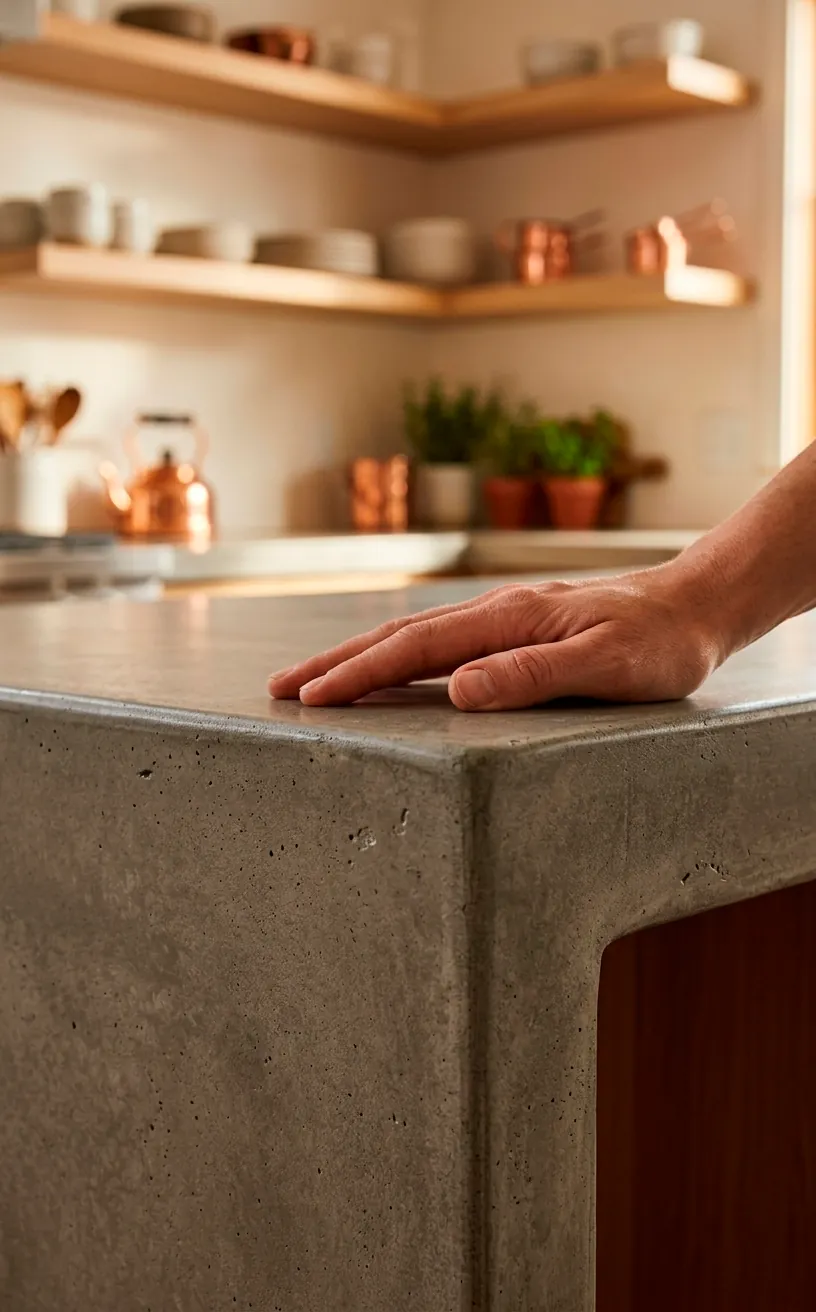
Sharp, 90-degree stone edges look incredibly crisp in architectural magazines, but they feel like knives on your forearms. Think about how often you lean forward when chatting over a drink.
Opting for a bullnose, eased, or beveled edge makes a massive difference in daily comfort. These rounded profiles distribute the pressure across your arms instead of digging directly into your skin. I made the mistake of choosing a sharp edge in my last kitchen, and my bruised forearms regretted it immediately.
Smarter Storage Integration
Ergonomics is not just about seating; it is about how you move around the space.
Placing drawers directly where people sit is a classic design mistake. Guests must stand up every time you need a simple bottle opener.
Instead, locate your active storage on the working side of the island. Keep the seating side clean and obstacle-free.
You can also maximize tight spaces by integrating smart cabinetry on the outer ends. For small kitchens, planning this spatial flow is absolutely vital. To maximize your overall kitchen organization, learn how to build fold-out small pantry system cabinets that blend seamlessly into your layout.

Lighting Your Counter Correctly
Bad lighting ruins even the most comfortable layout. Heavy overhead glare makes guests feel like they are in an interrogation room, while dim lights make reading a menu or pouring a drink impossible. I highly recommend installing pendant lights with dimmers positioned 30 to 36 inches above the counter surface. This height keeps the light source below eye level while illuminating the entire surface beautifully. Ambient, adjustable light fosters the relaxed environment you actually want.

Choosing Stools That Actually Feel Good
You can build the most beautiful counter in the world, but terrible stools will completely ruin it. FYI, metal backless stools are great for saving space, but they become painful after about fifteen minutes.
Look for stools that offer a curved backrest, subtle seat contouring, and generous padding. Swivel bases also score massive ergonomic points, letting guests turn toward the action without scraping stool legs across your hardwood floors. Choose comfort over pure minimalism every single time.

Styling the Surface for Visual Comfort
Clutter is a major ergonomic disruptor. If your bar counter is constantly covered in mail, chargers, and oversized decorative vases, you lose the functional surface area you worked so hard to build. Keep the styling clean and intentional. A single bowl of fresh citrus or a simple, elegant vase of herbs adds life without stealing precious dining space. For an extra boost of fresh kitchen inspiration, check out our ultimate botanical green kitchen aesthetic guide to strike the perfect organic balance.

Mapping the Traffic Flow
How does your bar counter interact with the rest of the room? This final ergonomic puzzle piece is all about the traffic lanes.
Always leave at least 36 to 42 inches of clearance behind the seated stools. People need enough space to walk past comfortably without forcing seated guests to tuck themselves in like sardines.
If your bar counter backs up to a high-traffic area like a refrigerator or sliding patio door, push that clearance closer to 48 inches. This simple planning prevents daily kitchen gridlock and makes the entire home feel airy and functional.

A useful little gift for your home
🎁 Free Plant Finder Tool
Filter 250+ houseplants by style, size, and care level to find your perfect green companion in seconds.
We’ll email you the link. Plus, you’ll join our newsletter for fresh home inspiration.
Conclusion
Designing the ultimate ergonomic bar counter requires a balance of precise math and common-sense comfort. By focusing on proper heights, generous overhangs, and cozy seating, you create a beautiful hub that everyone naturally gravitates toward. Which ergonomic upgrade are you planning to tackle first? Let me know in the comments below!