Skip to content
Brick isn’t just for the Three Little Pigs or dusty chimneys; it’s the secret sauce for a backyard that looks like it belongs in a high-end design mag. I’ve spent way too many weekends power-washing my own patio to tell you it’s a chore—because, honestly, that aged patina is pure magic. Bricks give your home that ‘old money’ vibe without requiring an actual trust fund. Ready to turn your boring dirt patch into a Victorian estate (or something close to it)? These 10 layouts won’t go out of style by next Tuesday, I promise.
The Sophisticated Herringbone Classic
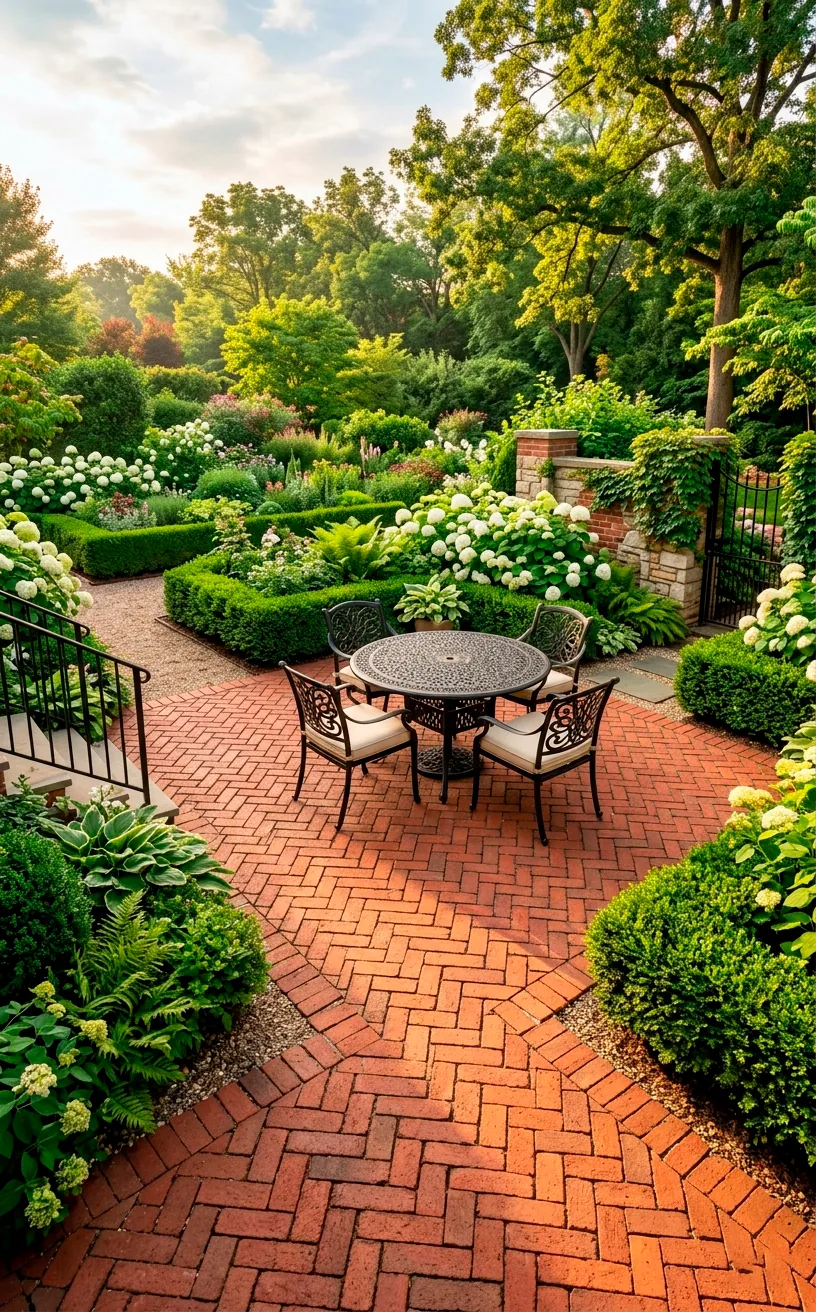
If you want a patio that screams high-end craftsmanship, look no further than the herringbone pattern. This 45-degree or 90-degree interlocking design doesn’t just look pretty; it actually creates a stronger surface that resists shifting over time. I personally love how the zigzag lines draw the eye and make a small space feel significantly larger. Why settle for a boring grid when you can have a layout that looks like a literal work of art?
Keep in mind, laying this requires a bit more cutting with a reliable wet tile saw, and a lot more patience. But once you see those sharp, crisp lines meeting the garden edge, you'll forget all about the extra manual labor. Red clay bricks work best here to emphasize that traditional aesthetic. Just ensure your base is compacted and perfectly level using a heavy-duty hand tamper, or you'll end up with a very artistic tripping hazard.
Circular Focal Points for Social Hubs
Nothing breaks up the monotony of a square backyard like a circular brick patio. Think of it as a natural gathering spot—the perfect place for a fire pit or a round dining table where nobody gets stuck at the ‘head.’ Creating these curves requires some finesse, but the payoff is a soft, organic flow that makes your garden feel more inviting and less like a math homework assignment. I recommend using a contrasting border to really make the circle pop against the rest of your landscaping. Ever noticed how much easier it is to chat when everyone is sitting in weather-resistant Adirondack chairs arranged in a circle?
A useful little gift for your home
🎁 Free Plant Finder Tool
Filter 250+ houseplants by style, size, and care level to find your perfect green companion in seconds.
We’ll email you the link. Plus, you’ll join our newsletter for fresh home inspiration.


GREENVINES Folding-Adirondack-Chairs Set of 2, HDPE All Weather, Blue | Hidden Cup Holder | 5” Wide Armrests | Foldable Fire Pit Chair | Reclined Legs | Low Maintenance for Outdoor Patio Deck
View on AmazonCERTAIN CONTENT THAT APPEARS ON THIS SITE COMES FROM AMAZON. THIS CONTENT IS PROVIDED “AS IS” AND IS SUBJECT TO CHANGE OR REMOVAL AT ANY TIME.
Embrace the History with Reclaimed Bricks
Want that ‘I’ve lived here for fifty years’ look even if you moved in last month? Reclaimed or salvaged bricks are your best friend. These beauties come with chipped edges, faded colors, and historical character that brand-new pavers simply can’t mimic. IMO, the minor imperfections are exactly what make the space feel cozy and lived-in.
You can often find these at local salvage yards or specialized masonry suppliers. Just a heads-up: check the durability before you buy a massive pile of bricks from a 19th-century chimney. Some older bricks are too soft for heavy foot traffic, and you'll likely need a heavy-duty masonry hammer to clean off any old mortar.
Mixing different shades of terracotta and deep maroon creates a natural mosaic that feels incredibly warm. It’s the ultimate way to recycle materials while giving your home a soul. Once installed, applying a high-quality brick sealant will help preserve those unique colors and prevent weathering. If you like natural textures, check out these stone and wood exterior ideas.


ESTWING Bricklayers/Mason's Hammer, 20 oz Brick Hammer, E3-20BLC | Made in USA, Versatile Brick Hammer, Patented Nylon End Cap, Built For The Pro, Patented Shock Reduction Grip
View on Amazon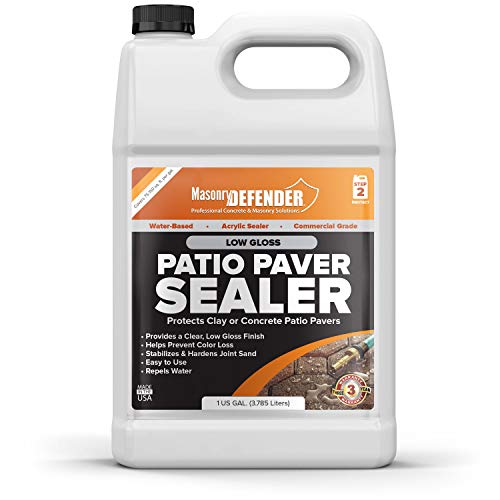
MasonryDefender Patio Paver Sealer - Low Gloss, Water-Based, Clear Sealant for Stone - 1 Gallon
View on AmazonCERTAIN CONTENT THAT APPEARS ON THIS SITE COMES FROM AMAZON. THIS CONTENT IS PROVIDED “AS IS” AND IS SUBJECT TO CHANGE OR REMOVAL AT ANY TIME.
The Timeless Basket Weave Layout
The basket weave is a total classic that somehow feels both traditional and slightly quirky. It involves pairs of bricks laid horizontally and vertically in a repeating grid. It’s basically the masonry version of a cozy knit sweater. I love it because it’s surprisingly easy for DIYers to tackle since you aren't constantly fighting weird angles. Just make sure you have a rubber mallet on hand to level each pair as you go.
Why this pattern rules:
- Easy to align
- Traditional look
- Very stable
- Great for smaller zones
If you use uniform red bricks, the pattern creates a subtle, rhythmic texture that doesn't overwhelm the eye. It works brilliantly for smaller 'landing' areas or side patios—perfect for a compact cast aluminum bistro set—where you want a bit of visual interest without a full-blown design circus. Plus, it looks spectacular when the rain hits it and those deep reds really start to glow. To finish the look and keep weeds at bay, fill the joints with a premium polymeric sand. Is there anything better than the smell of rain on warm bricks?


Goldblatt 16 oz. Low Recoil Double Face White Flooring Rubber Mallet Hammer | Laminate Flooring, Non-Marring Face, Woodworking Projects, Paver Installation, Heavy-Duty Striking
View on Amazon
Oakland Living 3-Piece Rose Bistro Set with 23.5-Inch Cast aluminum Top Table
View on AmazonCERTAIN CONTENT THAT APPEARS ON THIS SITE COMES FROM AMAZON. THIS CONTENT IS PROVIDED “AS IS” AND IS SUBJECT TO CHANGE OR REMOVAL AT ANY TIME.
Mixing Brick with Natural Gravel
Let’s be honest: paving a massive area with solid brick can be expensive and, quite frankly, a lot of work. That’s where the brick and gravel combo saves the day. By using bricks as a frame or as 'islands' within a sea of pea gravel, you get a sophisticated look for a fraction of the cost. Adding a layer of durable landscape fabric underneath is a smart way to prevent weeds, and since gravel also provides excellent drainage, you won't have mini-lakes forming after every storm.
I’ve seen this work incredibly well in ‘secret garden’ style setups. You lay down wide brick paths and then fill the gaps with crunchy, light-colored gravel to create contrast. It’s a low-maintenance dream that still looks intentionally designed rather than just ‘half-finished.’


40 LBS Grey Pea Gravel - Landscape Rocks - Drainage Rock - Gardening - Average Size 3/8 inch - 1/4 inch Stone
View on Amazon
LAVEVE Heavy Duty Weed Barrier Landscape Fabric 4FT x 100FT
View on AmazonCERTAIN CONTENT THAT APPEARS ON THIS SITE COMES FROM AMAZON. THIS CONTENT IS PROVIDED “AS IS” AND IS SUBJECT TO CHANGE OR REMOVAL AT ANY TIME.
The Integrated Brick Fire Pit
If you aren't roasting marshmallows with extendable marshmallow roasting sticks on your patio, are you even living? Building a permanent brick fire pit directly into your patio design creates an instant centerpiece. I suggest using the same brick for the pit as you did for the flooring to create a seamless, monolithic look. It makes the whole space feel like an extension of your home’s architecture rather than an afterthought. Just make sure you use fire-rated bricks for the interior lining, or install a durable steel fire pit ring to protect the surrounding masonry, otherwise things might get a little explosive—and not in a fun way.


MalloMe Smores Sticks for Fire Pit Long - Marshmallow Roasting Sticks Smores Kit - Smore Skewers Hot Dog Fork Campfire Cooking Equipment, Camping Essentials S'mores Gear Outdoor Accessories 32" 5 Pack
View on Amazon
Rutland Fire Bricks, Properly Cured High Temperature FireBrick, USA-Made Residential Fire Clay Replacement for Wood Stove, Fireplace, & Pizza Oven, Size 9" x 4.5" x 1.25", 6-Pack, Tan
View on AmazonCERTAIN CONTENT THAT APPEARS ON THIS SITE COMES FROM AMAZON. THIS CONTENT IS PROVIDED “AS IS” AND IS SUBJECT TO CHANGE OR REMOVAL AT ANY TIME.
Curved Edges and Winding Paths
Straight lines are for spreadsheets; gardens love curves. Using bricks to create winding paths that lead to your patio adds a sense of mystery and movement to your backyard. You can achieve this by ‘soldiering’ the bricks (lining them up side-by-side) along the edges of the path to act as a sturdy border.
I find that curved edges soften the transition between the hardscape and your flower beds. It feels much more natural, like the patio was grown there rather than dropped by a crane.
Features of curved paths:
- Improved visual flow
- Softened landscape boundaries
- Better integration with plants
Ever noticed how a curved path makes you want to walk slower and actually look at your plants? That’s the power of good design.

The Clean Running Bond Layout
If you prefer a more understated, modern take on tradition, the running bond is your winner. It’s the classic ‘staggered’ look you see on most brick walls. It’s clean, efficient, and doesn’t distract from your beautiful outdoor furniture or that expensive grill you just bought.
I like to use longer, thinner bricks for this pattern to give it a slightly more contemporary edge. It’s a great way to bridge the gap if your house is modern but you still want the warmth of traditional materials. It’s simple, effective, and practically foolproof to install.

Elevating the Space with Multi-Level Tiers
Got a sloped yard? Don’t fight it—embrace it with multi-level brick tiers. By creating different ‘rooms’ at different heights, you can separate your dining area from your lounging zone without using walls. I think this is one of the coolest ways to add architectural depth to a boring flat lot.
Steps are the perfect place to show off your brickwork skills. You can use a different pattern on the steps than you do on the main patio floors to create a visual break.
Tips for tiered patios:
- Define zones by function
- Use sturdy brick retaining walls
- Incorporate built-in seating
- Add lighting to step treads
It’s basically like adding an extra floor to your house, just without the roof. Plus, having a ‘balcony’ view of your own garden is a serious flex during summer BBQs.

Mixed Material Bordering for Contrast
Sometimes, too much of a good thing is just… too much. To keep your brick patio from looking like a giant red slab, try mixed material bordering. Surround your brick center with large slate tiles, cobblestones, or even wood timber. This framing technique highlights the brick pattern and makes the whole setup look custom-designed.
I’ve found that a dark slate border against red brick is a killer combination. It adds a touch of modern drama to an otherwise classic material. For the final touch, learn how to layer outdoor rugs on your new patio to really tie the mixed elements together.

A useful little gift for your home
🎁 Free Plant Finder Tool
Filter 250+ houseplants by style, size, and care level to find your perfect green companion in seconds.
We’ll email you the link. Plus, you’ll join our newsletter for fresh home inspiration.
Wrap It Up
At the end of the day, a brick patio is about more than just where you put your grill; it’s about creating a space that feels timeless and grounded. Whether you go for the complex herringbone or keep it chill with a gravel mix, you’re building something that’ll only look better as the years roll by. So, which pattern are you grabbing first for your weekend project? Let me know in the comments, and don’t forget to keep those grout lines clean! 🥂