Skip to content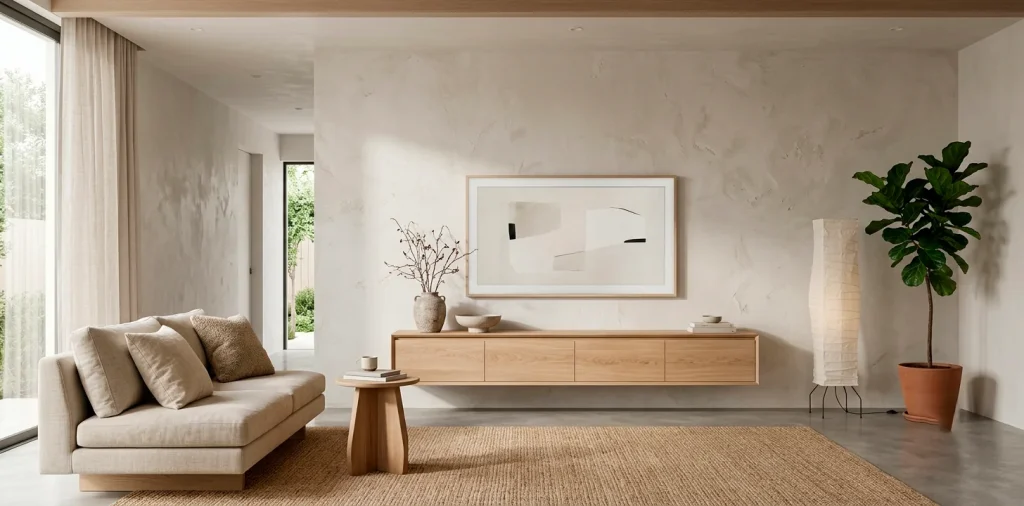
Let’s rethink that giant black rectangle taking over your living room. A beautifully crafted Japandi TV wall transforms your screen from a design flaw into a stunning focal point. We blend clean Scandinavian lines with raw, imperfect wabi-sabi textures to create something truly magical. Ready to ditch the boring dry-wall? I definitely was 😉.
The Limewash Plaster Canvas
Limewash plaster instantly gives your wall that gorgeous, cloudy depth. You simply brush it on with a professional block brush, and the natural lime creates a soft, chalky finish that screams wabi-sabi. I applied this in my own den, and the subtle variations completely hide those annoying drywall imperfections! Ever noticed how flat modern paint looks?
Limewash solves that problem instantly. It brings organic movement to the space behind your TV, making the cold tech feel grounded. Plus, it pairs beautifully with a rustic live edge TV stand.

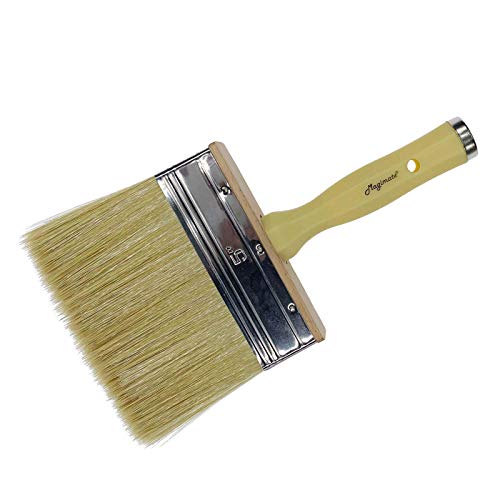
Magimate Deck Stain Brush, Wide Paint Brush for Fence & Limewash, 5 Inch | Threaded handle fits extension pole, soft synthetic-bristle blend for masonry, siding, walls, sealer & wood stain, no-shed
View on Amazon
WAZARO Rustic Live Edge Wood TV Stand, Floating Tree Branch Media Console, Wabi-Sabi Solid Wood Entertainment Center, Handcrafted Low Profile Under TV Shelf for Living Room, Natural Wood, Style 1
View on AmazonCERTAIN CONTENT THAT APPEARS ON THIS SITE COMES FROM AMAZON. THIS CONTENT IS PROVIDED “AS IS” AND IS SUBJECT TO CHANGE OR REMOVAL AT ANY TIME.
Slatted Wood Meets Stone
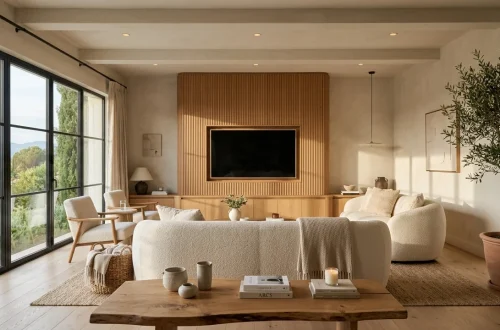
Why choose between warm wood and cool stone when you can rock both? Install vertical oak slats on one half of your TV wall and rough, textured stone veneer panels on the other. This high-contrast look perfectly captures the Japandi balance between structure and nature. I highly recommend keeping the wood tones light and airy to prevent the stone from feeling too heavy. IMO, this setup instantly makes your living room look like a million bucks. Your friends will totally think you hired a fancy interior designer. If you love natural harmony, you can easily pull this off with wood slat acoustic panels.
A useful little gift for your home
🎁 Free Plant Finder Tool
Filter 250+ houseplants by style, size, and care level to find your perfect green companion in seconds.
We’ll email you the link. Plus, you’ll join our newsletter for fresh home inspiration.


Tritan BP Lightning Ridge Faux Stone Wall Panel, 7.3 Sq Ft, Nature Spirit | 48.75 x 24.75 in lightweight polyurethane stacked stone siding for interior and exterior walls, Class A fire rated (ASTM E84)
View on Amazon
NeatiEase Wood Panels for Wall, 4-Piece 96" x 12.6" Soundproof Wood Slat Wall Panel for Interior Wall Decor Noise Cancelling, Acoustic Wall Panels, Sound Absorbing Panel (Teak)
View on AmazonCERTAIN CONTENT THAT APPEARS ON THIS SITE COMES FROM AMAZON. THIS CONTENT IS PROVIDED “AS IS” AND IS SUBJECT TO CHANGE OR REMOVAL AT ANY TIME.
Microcement Minimalism
Forget regular concrete; microcement is the real hero here.
This seamless, troweled finish wraps your TV wall in an earthy, brutalist-yet-soft vibe. It embraces every swipe and scratch, highlighting true wabi-sabi imperfection.
I absolutely love how the subtle gray tones absorb the light rather than reflecting it. This reduces TV glare and creates a cozy, cave-like atmosphere perfect for movie nights.
Must-have materials for this project:


EPODEX Microcement Kit for Walls - 39.6lbs - Light Gray
View on Amazon
MARSHALLTOWN DuraFlex Finishing Trowel, 14 x 5 Inch, Assembled in USA | Flexible Golden Stainless Steel Blade, 14 x 5 Inch, 11 5/8 Inch Mount, DuraSoft Handle for Plaster EIFS Stucco, 4683DFDL
View on AmazonCERTAIN CONTENT THAT APPEARS ON THIS SITE COMES FROM AMAZON. THIS CONTENT IS PROVIDED “AS IS” AND IS SUBJECT TO CHANGE OR REMOVAL AT ANY TIME.
Floating Rattan Cabinets
Incorporating woven textures immediately softens a harsh electronic display. Swap out your heavy media stand for a floating cabinet with woven rattan doors. The airy weave brings an undeniable organic warmth directly beneath your screen.
Who knew hiding messy cords inside a wooden cable management box could look so chic? The natural color of the rattan pops beautifully against a darker, moody wall color. Add a rustic wabi-sabi ceramic vase on top, and you nail the aesthetic effortlessly. For more inspiration on keeping things grounded, check out these 10 serene 2026 home decor trends.


IBUYKE Modern Rattan Floating TV Stand with Doors,Wall Mounted TV Shelf for TVs up to 55 Inches,Media Console Entertainment Center for Under TV Storage Cabinet for Living Room Bedroom,Natural UWST012N
View on Amazon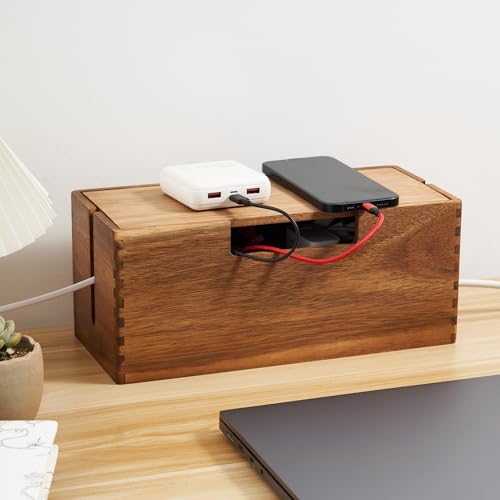
LiTY Acacia Wood Cable Management Box, Wooden Cord Hider & Organizer for Power Strip, Electrical Hiding, TV Wires, Desk & Floor Cables - Office Under Desk Cable Storage Box for Wire
View on AmazonCERTAIN CONTENT THAT APPEARS ON THIS SITE COMES FROM AMAZON. THIS CONTENT IS PROVIDED “AS IS” AND IS SUBJECT TO CHANGE OR REMOVAL AT ANY TIME.
Asymmetrical Display Niches
Perfectly centered designs feel too rigid for a true wabi-sabi home. Break the rules and build asymmetrical drywall niches around your TV.
Leave the insides of these alcoves raw and unpainted to highlight their handmade construction. You just display a few natural birch branches or an organic travertine bowl in each alcove. This intentional empty space, or 'Ma', gives your eyes a place to rest.
Trust me, this beats a cluttered gallery wall any day. The asymmetry draws focus away from the TV itself, turning the entire wall into an evolving art installation.


30Pcs Real Dried Birch Twigs - 16” Decorative 100% Natural Birch Branches | Easter Vases, Curly Willow Branches, DIY, Floral Arrangement, Twig Wreath, Centerpiece, Rustic Home Decor
View on Amazon
FNTSTICGOODS Travertine Decorative Bowl - 7.8” Diameter & 2” Height - Key Bowl for Entryway Table - Travertine - Organic Modern Centerpiece - Beige/Natural
View on AmazonCERTAIN CONTENT THAT APPEARS ON THIS SITE COMES FROM AMAZON. THIS CONTENT IS PROVIDED “AS IS” AND IS SUBJECT TO CHANGE OR REMOVAL AT ANY TIME.
Shou Sugi Ban Accents
Ready for some drama? Integrate Shou Sugi Ban—traditional Japanese charred wood—into your media wall. The deeply crackled, blackened texture offers a breathtaking backdrop that practically absorbs the TV frame. This technique celebrates the beauty of decay and aging. You simply frame the TV with these dark, tactile planks, leaving the surrounding wall a soft cream or beige. The contrast stuns everyone who walks into the room! It perfectly bridges Scandinavian minimalism with raw Japanese tradition.

Hand-scraped Earth Plaster
We often try to smooth out every bump in our walls, but earth plaster begs you to do the opposite. Apply a clay-based earth plaster using sweeping, irregular hand strokes. You want those little grooves and ridges to catch the evening shadows.
This natural material literally breathes with your room, regulating humidity while looking incredibly cozy. Pair it with a low-profile, minimalist sofa. Honestly, it feels like you wrapped your living room in a warm, textured blanket.

Bamboo Slat Room Dividers
Don’t have a massive solid wall for your TV? No problem.
Mount your screen against a freestanding bamboo slat divider. This open-air approach keeps the room feeling light and spacious while providing enough structure for your tech.
The natural nodes and color variations in the bamboo celebrate those beautiful wabi-sabi quirks we love so much. It totally changes the vibe of your home.
Key styling elements to include:
- Bleached bamboo poles
- Hidden cable management channels
- Low-to-the-ground seating

Weathered Steel Panels
Hear me out: rust can be elegant. Install custom Corten steel panels behind your screen for an incredibly rich, warm patina. The oxidized orange and brown tones mimic autumn leaves and aged wood. This industrial edge heavily leans into the raw aspect of wabi-sabi. To keep it Japandi, offset the heavy metal with soft linen curtains and a light ash wood media console. It sounds crazy, but this juxtaposition creates a perfectly balanced, earthy focal point that completely steals the show.

Tadelakt Plaster Curves
Hard corners easily kill a relaxing vibe. Soften the edges of your TV nook with rounded, arching walls finished in Moroccan Tadelakt plaster.
This waterproof, soap-treated finish feels exactly like a smooth river stone. The subtle sheen catches the light beautifully, making your TV feel like a modern art piece nestled inside a natural cave.
I recently saw a boutique hotel use this trick, and I instantly wanted to replicate it at home. It adds an undeniable softness that standard drywall simply cannot achieve.

Exposed Reclaimed Brick
Let’s embrace history. Strip back the plaster to reveal a section of distressed, reclaimed brick right behind your media setup. The chipped edges and faded mortar tell a story that brand-new materials simply lack.
To keep the Japandi feel intact, give the brick a very light, watered-down limewash glaze. This tones down the harsh reds and oranges, muting the wall into a beautiful, textured beige canvas that supports your minimalist aesthetic.

Fluted Plaster Detailing
Combine structural lines with organic materials by adding fluted plaster details below your TV. You carve vertical grooves directly into thick, wet plaster for a bespoke, ribbed texture. This provides the clean geometry of Scandinavian design while maintaining the chalky, imperfect surface of wabi-sabi craftsmanship. When you add hidden LED strip lights along the bottom edge, the shadows dance across the ridges beautifully. It is a fantastic weekend DIY project if you feel brave enough to wield a trowel!

Wabi-Sabi Paper Lantern Sconces
Your wall texture means absolutely nothing if you light it poorly. Good lighting completely transforms a space!
Flank your TV with oversized, crumpled paper lantern sconces. The wrinkled washi paper diffuses light softly, mimicking natural sunlight filtering through shoji screens.
This warm glow highlights the raw texture of your paint or wood paneling perfectly, making every ridge pop.
Essential lighting tips:
- Use warm white bulbs (2700K)
- Opt for dimmable fixtures
- Avoid harsh downlights near the screen

Minimalist Travertine Slabs
Travertine makes a massive comeback, and it belongs on your TV wall. Mount a single, large-format unfilled travertine slab as the immediate backdrop for your screen. Leaving the stone ‘unfilled’ means you showcase all those porous, natural holes and craters.
This creates a tactile experience that commands attention without overwhelming the room. It feels incredibly grounding and ancient. If you enjoy blending organic textures into functional spaces, you might also like these 15 essential furniture pieces for a Japandi dining room.

Washed Linen Wall Coverings
Don’t want to deal with messy plaster or heavy stone? Fabric offers a brilliant shortcut.
Apply a heavy, unbleached linen fabric as a textured wallpaper behind your entertainment center. The slubby threads and minor weaving flaws bring instant warmth and acoustic dampening to your living room.
I love how the fabric absorbs sound, making your movies sound better while making the room feel infinitely cozier. Just frame the edges with slim oak trim, and you have a masterpiece.

A useful little gift for your home
🎁 Free Plant Finder Tool
Filter 250+ houseplants by style, size, and care level to find your perfect green companion in seconds.
We’ll email you the link. Plus, you’ll join our newsletter for fresh home inspiration.
Conclusion
Upgrading your TV wall with raw, tactile materials completely changes the energy of your living room. You blend functionality with deep, soulful design by embracing those beautiful wabi-sabi imperfections. Whether you choose limewash, slatted wood, or rich travertine, the result feels intentionally grounded. Which raw texture are you grabbing first for your next weekend project? Let me know in the comments!