Skip to content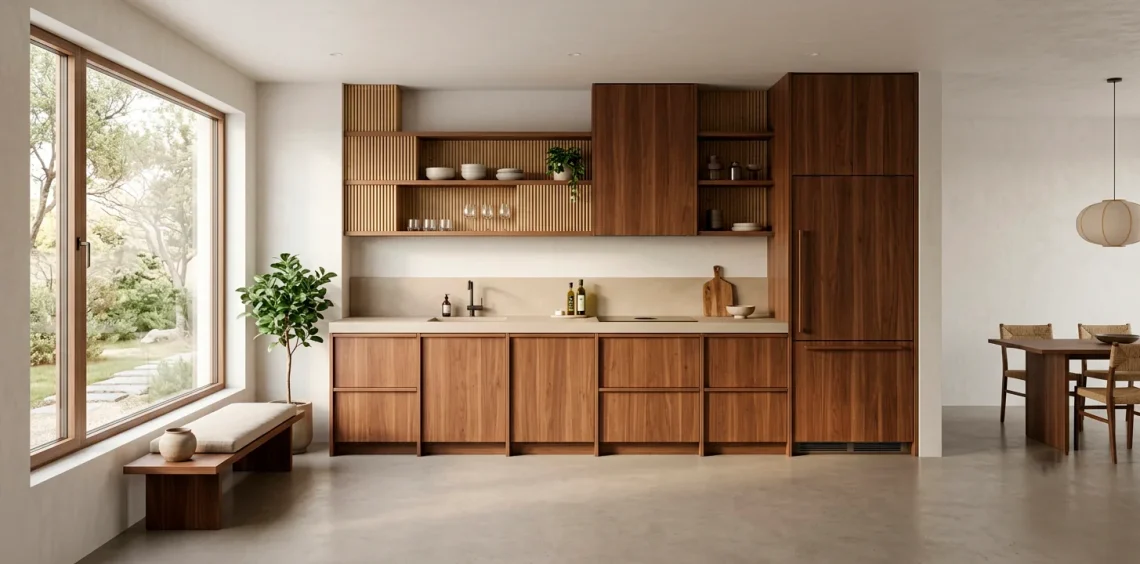
Let’s ditch the chaotic kitchen vibes for a second. If you constantly feel overwhelmed while brewing your morning coffee, you desperately need a major visual detox. I stumbled into the Japandi aesthetic last year, and merging strict Japanese minimalism with cozy Scandi elements completely saved my sanity. Ready to turn your cooking zone into a warm walnut-draped zen retreat? 🌿
Embrace Flat-Panel Walnut Cabinetry
Want a kitchen that practically forces you to relax? Flat-panel walnut cabinets strip away the visual noise instantly. I swapped my clunky shaker doors for these sleek beauties last year, and the vibe shifted overnight from a chaotic bakery to a tranquil tea house. The rich, warm grain of the walnut brings that essential Scandinavian coziness, while the completely flat front honors strict Japanese minimalism. It creates an unbroken line for your eyes to follow. No fussy bevels, no dust-catching corners. Just pure, unadulterated wood magic that makes your space look incredibly intentional.

Add Fluted Wood Details for Texture
Sometimes minimalism runs the risk of looking a little too sterile. We definitely don’t want your kitchen looking like a clinical operating room. Adding fluted walnut details to your kitchen island immediately solves this problem. This ribbed texture catches the morning light beautifully and creates a soft, tactile surface that demands your attention. If you are on a budget, using flexible wood tambour panels is a genius DIY alternative to achieve this look. Ever wondered why this works so well? It introduces a rhythmic pattern that feels deeply calming to the human eye. You get all the warmth of the walnut but with a modern, architectural twist that elevates the entire room. To echo this stylish pattern elsewhere, you can display some ribbed fluted drinking glasses on open shelves.
A useful little gift for your home
🎁 Free Plant Finder Tool
Filter 250+ houseplants by style, size, and care level to find your perfect green companion in seconds.
We’ll email you the link. Plus, you’ll join our newsletter for fresh home inspiration.


Outwater 1ft x 8ft Walnut Solid Wood Half Round Tambour Panel – Canvas Backed Flexible Slat Panel with 3/4in Slats
View on AmazonCERTAIN CONTENT THAT APPEARS ON THIS SITE COMES FROM AMAZON. THIS CONTENT IS PROVIDED “AS IS” AND IS SUBJECT TO CHANGE OR REMOVAL AT ANY TIME.
Ground the Space With Matte Black Hardware
If you coat everything in wood and beige, the room easily floats away into a muddy blur. We need a strong anchor to ground all that earthy goodness. Enter matte black hardware. These tiny, dark accents act like punctuation marks in your design story. A slim black drawer pull or a sleek black faucet provides the perfect amount of high-contrast edge without shouting for attention. It keeps the warm walnut looking sharp and contemporary rather than outdated or heavy.

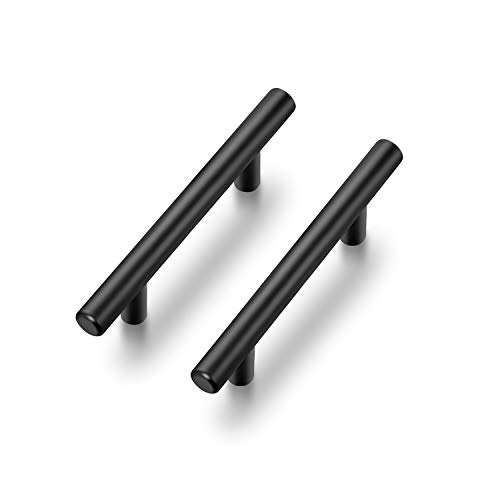
Ravinte Cabinet Handles,5" Length,3" Hole Center,Matte Black,30 Pack | Stainless Steel Feel, Round T-Bar Shape, Kitchen Drawer Pulls, Cabinet Handles, For Cupboards, Drawers, Dressers, Cabinets
View on Amazon
Ravinte Matte Black Cabinet Pulls Slim Cabinet Handles, 5 Inch CC, 10 Pack
View on AmazonCERTAIN CONTENT THAT APPEARS ON THIS SITE COMES FROM AMAZON. THIS CONTENT IS PROVIDED “AS IS” AND IS SUBJECT TO CHANGE OR REMOVAL AT ANY TIME.
Install Floating Walnut Shelves
I absolutely despise upper cabinets. They aggressively enclose the space and block out all the glorious natural light. Replacing those bulky boxes with chunky floating walnut shelves totally transforms the upper half of your kitchen. It opens up the walls, giving your eyes plenty of room to breathe. You literally force yourself to stay organized because everything sits right on display. This beautifully curates your daily ceramic mugs and perfectly matched glass spice jars. Plus, the horizontal lines reinforce that low-profile Japanese aesthetic we crave.


BGMG 36 inch Walnut Floating Shelves for Wall Set of 2, Solid Real Wood Rustic Mount Shelves for Living Room Bedroom Kitchen Farmhouse with Sturdy Hidden Bracket-36x6.7 inch
View on Amazon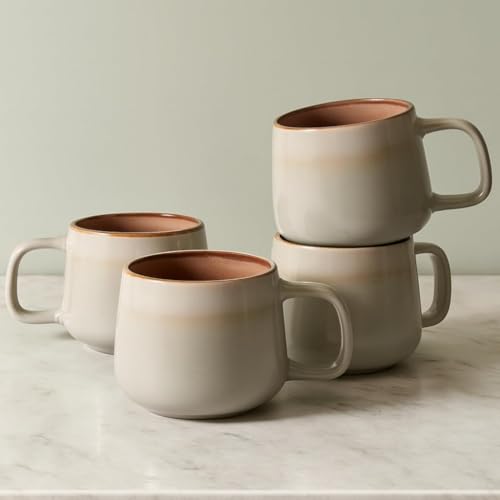
Ava Nord Stoneware Ceramic Coffee Mugs Set of 4 | 12 oz | Sage Ash | Independently Lab-Tested - No detectable Lead or Cadmium, Freezer - Microwave & Dishwasher Safe, Nordic Design for Cappuccino
View on AmazonCERTAIN CONTENT THAT APPEARS ON THIS SITE COMES FROM AMAZON. THIS CONTENT IS PROVIDED “AS IS” AND IS SUBJECT TO CHANGE OR REMOVAL AT ANY TIME.
Choose Organic Stone Countertops
Step away from the ultra-glossy, wildly veined marbles. A true Japandi space craves honest, organic materials that look like you just plucked them off a quiet mountainside. Honed limestone or matte soapstone countertops absorb the light rather than reflecting it, creating a soft, velvety surface that complements the warm walnut perfectly. These muted surfaces whisper rather than scream. To echo this organic feel, accent the space with a honed stone vanity tray or a matte stone-textured soap dispenser near the sink. They age beautifully, showing slight wear and tear that perfectly embodies the wabi-sabi philosophy of finding beauty in imperfection.


YKAJO Yellow Travertine Oval Marble Tray, 9.8x4.7 Vanity Perfume Organizer | Honed natural stone; jewelry & trinket dish, ring & key holder, soap & candle catchall; bath counter, dresser, coffee table
View on Amazon
EMPO Ceramic Hand Soap Dispenser with Matte Black Pump, Stone-Textured Wabi-Sabi Liquid Dispenser for Bathroom Vanity and Kitchen Sink (440ml/14.8oz)
View on AmazonCERTAIN CONTENT THAT APPEARS ON THIS SITE COMES FROM AMAZON. THIS CONTENT IS PROVIDED “AS IS” AND IS SUBJECT TO CHANGE OR REMOVAL AT ANY TIME.
Curate a Wabi-Sabi Ceramics Display
Speaking of finding beauty in imperfection, your dishware plays a massive role in selling this aesthetic. Ditch the mass-produced, identical glossy white plates. Invest in handmade wabi-sabi ceramics with slightly irregular shapes and muted earthy glazes. When you stack these beautifully flawed bowls on your minimalist wood floating shelves, they act as functional art. They bring a deeply human, grounded energy that perfectly balances the strict, straight lines of your walnut cabinets.


seicasaya Small Wabi-Sabi Ceramic Bowl, 6 Inch Handcrafted Tripod Design for Snacks, Sauces, Dips, Decorative Serving Bowl for Kitchen, Dining Table & Coffee Table (White)
View on AmazonCERTAIN CONTENT THAT APPEARS ON THIS SITE COMES FROM AMAZON. THIS CONTENT IS PROVIDED “AS IS” AND IS SUBJECT TO CHANGE OR REMOVAL AT ANY TIME.
Integrate Shoji-Inspired Pantry Doors
Traditional Japanese design heavily utilizes Shoji screens to diffuse light and separate spaces elegantly. You can easily adapt this brilliant concept for your modern kitchen remodel. Swap out a standard solid pantry door for a custom walnut frame with frosted glass or rice paper inserts. The effect calms the room instantly. It neatly hides your mismatched cereal boxes while still hinting at the depth of the room behind it. This glowing, translucent barrier adds an incredible layer of architectural interest without adding a single ounce of visual clutter.

Keep Backsplashes Subtly Neutral
Your walnut cabinets already provide plenty of warmth and texture, so your backsplash needs to take a supportive backseat. Opt for subtle, neutral backsplashes like square zellige tiles in a soft oat color, or a seamless slab of the exact same matte stone from your countertops. I personally love how a vertical stack of matte beige tiles creates a quiet, orderly grid. This grid subtly mirrors the strict geometry found in traditional Japanese architecture, keeping the entire room feeling wonderfully unified and incredibly peaceful.

Hang Paper Lantern Pendants
Lighting entirely dictates the mood of any room. Harsh, cool-toned spotlights will absolutely ruin your carefully curated zen vibe in mere seconds. Hang oversized paper lantern pendant lights over your kitchen island instead. These lightweight, floating beauties give a massive nod to classic Japanese design principles. They completely soften the light source, casting a warm, diffuse glow that makes everyone look amazing while they sip their tea. FYI, they also act as stunning sculptural elements when turned off. Their delicate, gently crinkled texture provides an amazing contrast against the hard, perfectly flat surfaces of your walnut cabinetry.

Slide in Low-Profile Wooden Stools
Finding the right seating for a Japandi island often feels like a frustrating Goldilocks situation. You want something comfortable, but it absolutely cannot obstruct the horizontal visual flow of the room. Choose low-profile wooden stools with minimal backrests. A simple, beautifully turned walnut or ash wood stool tucks neatly under the counter. This keeps the sightlines perfectly clear while adding another layer of rich, natural wood grain to your serene, earthy palette.

Embrace Minimalist Faucets
The sink area easily becomes a chaotic focal point if you toss in too many visual elements. We keep things aggressively streamlined by choosing a sleek, minimalist faucet with a single-handle operation. No fussy pull-downs covered in industrial springs or chunky Victorian handles belong here. A simple, elegant arch in a brushed brass or matte black finish serves its purpose flawlessly while maintaining a completely uncluttered profile. It almost looks like a piece of modern sculpture resting quietly over your organic stone sink.

Introduce Subtle Bamboo Accents
You really cannot discuss Japanese interior influence without giving a proper nod to bamboo. It grows incredibly fast, looks fantastic, and adds instant organic charm to any space. However, we desperately want to avoid turning the kitchen into a tropical tiki bar. Keep your bamboo accents strictly subtle and functional. Essential bamboo design elements:
- Bamboo drawer organizers for sleek hidden storage
- Large bamboo cutting boards resting peacefully on the counter
- Delicate matchstick blinds filtering the harsh afternoon sun
These tiny touches bridge the gap perfectly between your sturdy walnut and the delicate zen aesthetic.

Conceal with Hidden Appliance Panels
Nothing violently breaks the peaceful illusion of a zen sanctuary quite like a massive, shiny stainless steel refrigerator staring you down. It totally disrupts the visual harmony we worked so hard to build. Solve this modern dilemma by aggressively utilizing hidden appliance panels. Wrapping your fridge and dishwasher in the exact same warm walnut veneer as your cabinets creates a completely seamless, unbroken wall of beautiful wood. It tricks the eye and makes the kitchen feel much more like a luxuriously furnished living room.

Soften the Room with a Plaster Range Hood
We love walnut, but too much of it rapidly creates a heavy, dark cabin-like feel rather than a light, airy zen space. Breaking up the wood with a custom plaster range hood changes the entire dynamic of the room. The chalky, organic texture of the white or beige plaster beautifully mimics traditional Japanese stucco walls. It provides a massive, quiet focal point that softly sweeps up to the ceiling, perfectly balancing the dark, moody richness of your lower walnut cabinets.

Breathe Life in with Indoor Zen Plants
A truly calming space always includes a direct connection to nature. We absolutely need to bring some lively greenery indoors to offset all the beige and brown tones. Skip the chaotic, overflowing indoor jungle vibes, though. Instead, carefully select one or two sculptural indoor zen plants and give them plenty of room to breathe. A simple bonsai tree placed neatly on the island, or a tall, elegant Ficus Audrey standing in the corner does the trick flawlessly. These intentional, minimal plant choices add life and a pop of vibrant green while strictly maintaining the minimalist discipline your Japandi space demands.

Install Linear Wooden Slat Walls
If you stare at an empty wall or a bare island back, consider wrapping it in linear wooden slats. This brilliant architectural feature instantly upgrades a basic room into a custom-designed haven. The vertical lines enthusiastically draw your eyes upward, making the ceilings feel much taller, while the repeating pattern creates a surprisingly soothing rhythm. It totally mimics the serene atmosphere of a high-end Japanese spa.

Warm It Up with Unglazed Terracotta Touches
The Scandinavian side of Japandi absolutely loves cozy, inviting warmth, and nothing delivers that quite like unglazed terracotta accents. A few raw, earthy terracotta pots housing your daily cooking herbs completely warm up the cool, smooth stone surfaces of your modern kitchen. IMO, the dusty, baked-clay color looks absolutely phenomenal against the deep chocolate tones of the walnut. It grounds the room with a very ancient, handmade feeling that plastic pots simply cannot replicate.

Frame the View with Large Windows
The ultimate Japandi philosophy centers heavily on blurring the strict lines between the indoors and the outdoors. If you have the budget for a structural renovation, installing massive, unadorned window frames acts as the greatest design feature possible. Framing these giant windows in warm walnut brilliantly turns the outside scenery into a piece of living, breathing art. Ditch the heavy curtains completely; let the raw, natural sunlight pour over your matte counters and highlight the rich grain of your exquisite cabinetry.

Soften Edges with Curvature Archways
Too many sharp, 90-degree angles make a space feel incredibly rigid and uninviting. We successfully break up this boxy feeling by enthusiastically introducing soft curvature and archways wherever possible. Whether it’s an arched doorway leading directly into the pantry, or a gently curved edge on your walnut kitchen island, these rounded shapes immediately soothe the eye. They remove the aggressive edge of ultra-modern design, replacing it with a fluid, calming energy that totally embraces the peaceful zen lifestyle.

Ground the Floor with Textured Jute Runners
Your zen kitchen desperately needs a final layer of cozy texture to bring the whole vision home. Rolling out a thick, textured jute runner between your island and your sink provides an incredible tactile experience for your bare feet. The natural, wonderfully scratchy fiber brilliantly contrasts against the smooth, perfectly finished walnut floors or cabinets. It adds that essential Scandinavian ‘hygge’ vibe, ensuring your pristine, minimalist kitchen actually feels like a genuinely comfortable place to live and cook.

A useful little gift for your home
🎁 Free Plant Finder Tool
Filter 250+ houseplants by style, size, and care level to find your perfect green companion in seconds.
We’ll email you the link. Plus, you’ll join our newsletter for fresh home inspiration.
Conclusion
Wrapping this all up, bringing the Japandi aesthetic into your home is honestly just about finding your perfect balance. You do not need a massive remodel to feel that instant zen; sometimes a single walnut stool or a beautifully textured ceramic bowl does the trick perfectly. Which of these peaceful little upgrades are you grabbing first? Drop your favorites and let me know in the comments below! ✨