Skip to content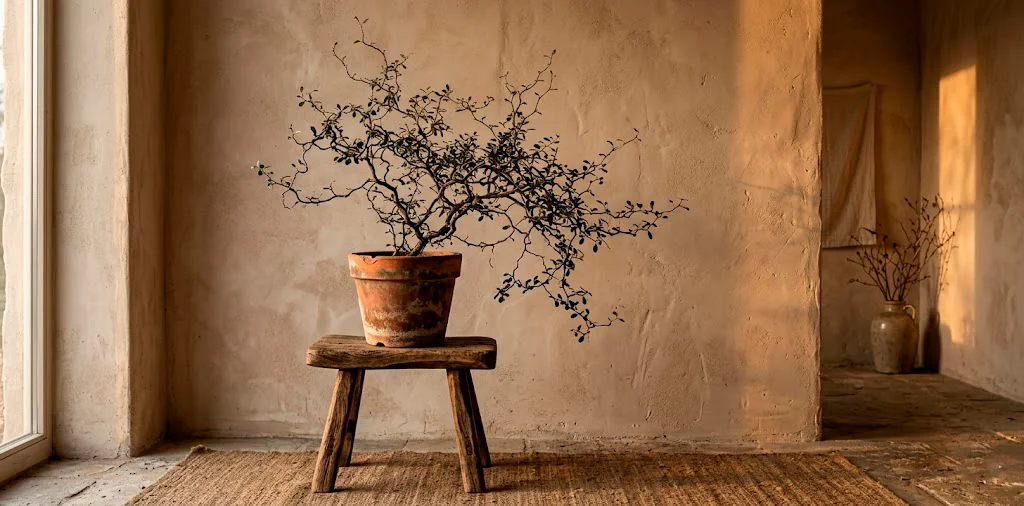
Ever stared at a lopsided pothos and thought about tossing it in the compost? Hold that thought. I used to be obsessed with perfectly symmetrical foliage, but the stress of keeping things pristine is exhausting. Let’s talk about wabi-sabi, the beautiful Japanese art of embracing imperfection. Your wonky plants are actually design masterpieces.
What the Heck is Wabi-Sabi Anyway?
Let’s clear the air before we start rearranging pots. Wabi-sabi isn’t just a trendy buzzword thrown around by minimalist interior decorators. It is an ancient Japanese philosophy celebrating the authentic, the impermanent, and the wonderfully flawed.
Think about that cracked terracotta pot you stubbornly refuse to throw away or the trailing philodendron that strictly grows sideways. Instead of forcing nature into rigid little boxes, we appreciate the quirky reality of life. You simply let plants be their authentic, weird selves without judgement.

The Magic of Asymmetry
Have you ever noticed how the most interesting trees in nature lean slightly to the left?
You can mimic this natural grace right in your living room. A perfectly round, bush-like ficus looks fake, honestly. Give me a rubber tree with a bizarre zigzag stem any day. That bizarre structural weirdness creates incredible visual tension and character.
A useful little gift for your home
🎁 Free Plant Finder Tool
Filter 250+ houseplants by style, size, and care level to find your perfect green companion in seconds.
We’ll email you the link. Plus, you’ll join our newsletter for fresh home inspiration.
To nail this look, position your lopsided plant against a simple, textured wall. Let the empty negative space frame its wild shape. Boom, you just created instant modern art!.

Embrace the Brown Tips and Battle Scars
We all panic at the first sign of a crispy leaf edge. I once spent an entire week misting a calathea just to watch it dramatically crisp up anyway. That is just nature happening right in front of you. A few brown spots or torn leaves tell a story of survival and resilience.
Stop aggressively pruning every single flaw. Leave the faded lower leaves until they naturally drop. These battle scars add immense texture and depth to your botanical displays. They remind us that nothing lasts forever, and IMO, that makes your greenery look undeniably real.

Pairing Odd Plants with Distressed Planters
Now, your quirky plant needs the right home.
Sticking a delightfully imperfect cactus into a mass-produced, shiny plastic pot completely ruins the vibe. You need vessels with soul.
Look for pots that proudly display their age:
- Hand-thrown ceramics with uneven glazes
- Weathered terracotta with white mineral crusts
- Rough concrete planters showing natural air bubbles
These distressed textures anchor your oddball plants beautifully. The rougher the container, the more stunning the delicate green foliage appears by contrast. Who knew dirty clay could look so chic?

Curating a Wabi-Sabi Plant Corner
Arranging your collection requires a totally different mindset. Forget about matching pairs on either side of the television. You want an organic, flowing arrangement that looks completely accidental. Place a tall, sparse tree next to a low, creeping vine.
The contrast in height and fullness creates a dynamic landscape. Use wooden stools of varying heights to elevate smaller pots. Group them in odd numbers. This strategy keeps the eye moving naturally across the space, creating a seriously calming vibe 🌿.

The Elegance of Sparse Foliage
More leaves do not automatically equal a better houseplant. Sometimes a branch with only three or four well-placed leaves commands the entire room. Think of those minimalist ikebana arrangements. A sparse olive tree or a heavily pruned Ming aralia forces you to appreciate the actual branch structure. You see the bones of the plant. This minimalist approach clears away the visual clutter and brings a profound sense of tranquility to your home. Next time your plant drops half its leaves in winter, FYI, just call it a deliberate stylistic choice.

Mixing Dead Elements with the Living
This sounds slightly morbid, but stick with me.
Integrating natural, non-living elements alongside your houseplants elevates the whole wabi-sabi aesthetic. I love nestling a piece of twisted, sun-bleached driftwood right on top of the potting soil. It looks incredible.
You can also scatter rough river stones or dried seed pods around the base of the stems. These additions blur the line between a basic potted plant and whimsical woodland mossy.

Lighting Your Quirky Collection
Lighting dramatically changes how we perceive imperfections. Harsh, overhead LED bulbs flatten your plants and make every single brown spot look like a tragic mistake. Instead, you must utilize soft, directional natural light. Place your wonkiest bonsai near a window at sunset. The low-angle sunlight casts gorgeous, elongated shadows against your walls, highlighting every twist and knot in the wood. Suddenly, that sparse, awkward branch becomes a dramatic silhouette. Embrace the shadows, because they add incredible mystery to your botanical setup.

A useful little gift for your home
🎁 Free Plant Finder Tool
Filter 250+ houseplants by style, size, and care level to find your perfect green companion in seconds.
We’ll email you the link. Plus, you’ll join our newsletter for fresh home inspiration.
Conclusion
Embracing the wabi-sabi lifestyle fundamentally changes how you view your indoor jungle. You finally stop stressing over perfection and start appreciating the quiet, stubborn beauty of nature doing its own thing. Your flawed plants are uniquely yours. Which quirky botanical misfit are you styling first? Let me know in the comments below!