Skip to content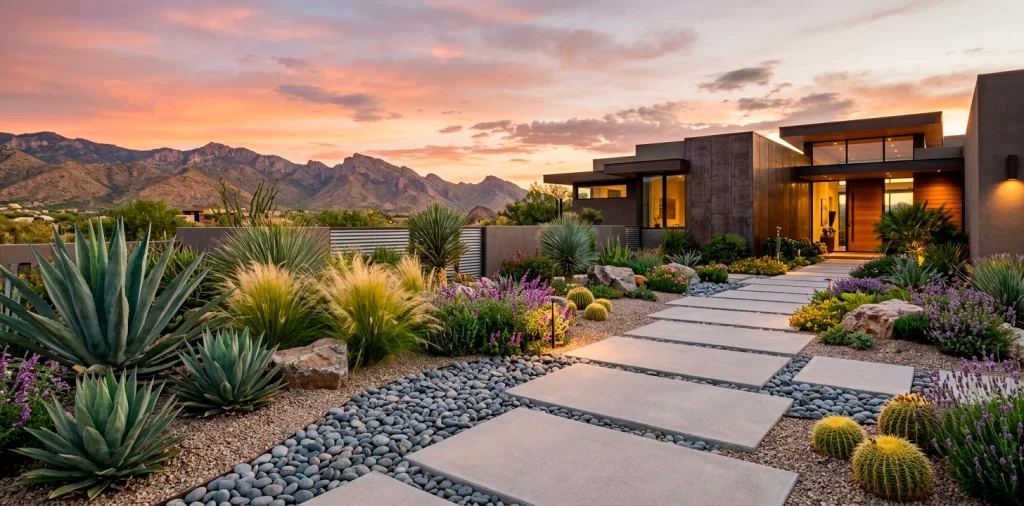
Tired of watching your water bill skyrocket while your traditional lawn slowly turns a crispy shade of brown in the summer heat? I completely feel you. Welcome to the absolute magic of modern xeriscaping. We are building a gorgeous, water-wise garden that practically cares for itself week after week. Ready to save some serious cash and free time? Let’s fix your yard.
What Even Is Xeriscaping?
Ever wondered why some neighbors have lush yards during a drought while yours looks like a desert wasteland? They probably xeriscape. Honestly, it sounds like a fancy sci-fi term, but it simply means designing landscapes to drastically reduce or completely eliminate the need for supplemental watering. You are working with nature instead of constantly fighting it. It saves water, cuts down maintenance, and still gives your home serious curb appeal. This serves as your golden ticket to a beautiful yard that thrives on total neglect.

Ditch the Lawn, Keep Your Sanity
Let me ask you this: do you actually enjoy spending your precious Saturday mornings pushing a heavy, loud mower around? Probably not.
Traditional grass lawns guzzle water and demand constant, exhausting attention. By shrinking that thirsty green patch, you immediately slash your monthly water bill. You do not have to rip the entire thing out at once, though.
A useful little gift for your home
🎁 Free Plant Finder Tool
Filter 250+ houseplants by style, size, and care level to find your perfect green companion in seconds.
We’ll email you the link. Plus, you’ll join our newsletter for fresh home inspiration.
Try replacing just the parkway or the tricky front corners with tough native groundcovers. You get a dynamic, textured look that zero-mow lawns provide effortlessly. Plus, you regain your weekends. IMO, nothing beats sipping hot coffee on the porch while watching your neighbors sweat over their edging tools.

The Dirt on Soil Prep
You cannot just toss some expensive cactus seeds onto hard clay and expect a botanical miracle. Healthy xeriscapes start strictly from the ground up.
You need excellent drainage so those sensitive drought-tolerant roots do not rot away after a sudden rain. Grab a heavy shovel and mix in plenty of rich organic matter like compost. It sounds counterintuitive, but good compost helps sandy soil hold just enough moisture while actively breaking up stubborn clay. Trust me, putting in the sweat equity right now prevents endless, frustrating replanting later.

Choosing Plants That Won’t Die on You
Let’s tackle the truly fun part. You want resilient plants that absolutely laugh in the face of a blistering heatwave.
Look exclusively for native species in your specific geographical region. They already know exactly how to survive your local climate without constant, hovering coddling.
Succulents, hardy lavender, and dramatic ornamental grasses offer amazing color and movement all season long.
Top drought-tolerant favorites:
- Agave for that bold, architectural statement.
- Russian Sage for wispy, vibrant purple blooms.
- Creeping Thyme to fill in the bare ground gaps beautifully.
You essentially build a vibrant ecosystem that thrives on sheer independence.

Mulch: The Unsung Hero of Moisture
Why let the blazing sun steal all your precious soil moisture? A thick layer of mulch acts like a protective, cooling blanket for your entire garden bed. FYI, you suppress those highly annoying weeds while keeping the underlying soil temperature perfectly regulated. Organic options like shredded cedar bark break down slowly over time, naturally enriching the dirt below. On the flip side, inorganic gravel gives you that ultra-sleek, modern desert aesthetic immediately. Pick your personal vibe and spread it generously.

Hardscaping: Rocks Are Your Friends
Want instant structural impact without the exhausting maintenance? Bring in the heavy hardscaping elements.
Massive boulders, flat flagstone pathways, and crunching gravel patios add incredible visual interest without requiring a single drop of water. You can create natural-looking dry creek beds that gracefully handle runoff during those incredibly rare heavy rainstorms.
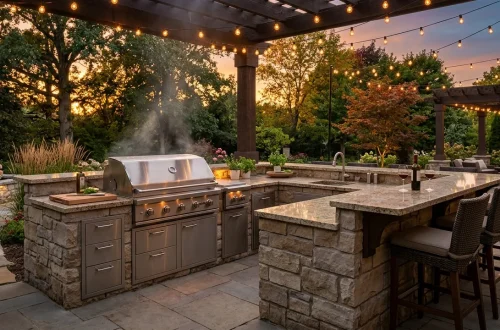
These solid, unyielding elements perfectly anchor your entire garden design. They contrast beautifully with soft, feathery native grasses and vibrant blooming succulents. If you ever upgrade your backyard cooking setup to match your new sleek yard, definitely check out this guide to choosing the best countertop for an outdoor space.

Smart Irrigation: Yes, You Still Have to Water
I know I promised a low-water paradise, but new plants still get thirsty while establishing their delicate root systems. You cannot just abandon them immediately.
Ditch the wildly outdated overhead sprinklers that waste water through rapid evaporation. Install a smart drip irrigation system instead. You deliver precious water directly to the base of the plant where it actually matters most. Hook it up to a weather-sensing smart timer, and you practically automate your entire yard care routine. It literally takes the guesswork out of gardening. 🤷♂️

Dealing with Pests Naturally
Even the toughest desert plants face the occasional, highly annoying bug invasion. You do not need harsh, expensive chemicals to keep your new xeriscape looking absolutely flawless.
Introduce beneficial insects like ladybugs to do the dirty work for you. They gobble up destructive aphids like it is an all-you-can-eat buffet.
You maintain a healthy ecological balance by completely skipping the toxic sprays. Plus, a natural garden attracts gorgeous, entertaining pollinators like butterflies and hummingbirds. Watching a tiny hummingbird dart around your tall agave blooms totally makes the effort worthwhile.

Putting It All Together
Designing a sustainable xeriscape means finding the perfect, harmonious balance between soft living plants and hard stone elements.
Start small if you feel completely overwhelmed by the project.
Sketch out a rough plan highlighting exactly where the afternoon sun hits hardest. Group plants with similar water needs closely together so you do not accidentally drown a delicate cactus while desperately trying to save a thirsty fern.
You create a cohesive, stunning landscape that deeply respects the natural environment. Before you know it, you will host the most stylish outdoor gatherings on the entire block. If you plan to host big events out there soon, read up on how to landscape your property for a backyard wedding.

A useful little gift for your home
🎁 Free Plant Finder Tool
Filter 250+ houseplants by style, size, and care level to find your perfect green companion in seconds.
We’ll email you the link. Plus, you’ll join our newsletter for fresh home inspiration.
Conclusion
Ditching the traditional thirsty lawn feels incredibly liberating. You save money, conserve precious water, and gain a breathtaking modern garden that actually leaves you time to relax on the weekends. Remember to start with healthy soil, choose tough native plants, and let smart hardscaping do the heavy lifting. Which drought-tolerant plant are you grabbing first? Let me know in the comments!