Skip to content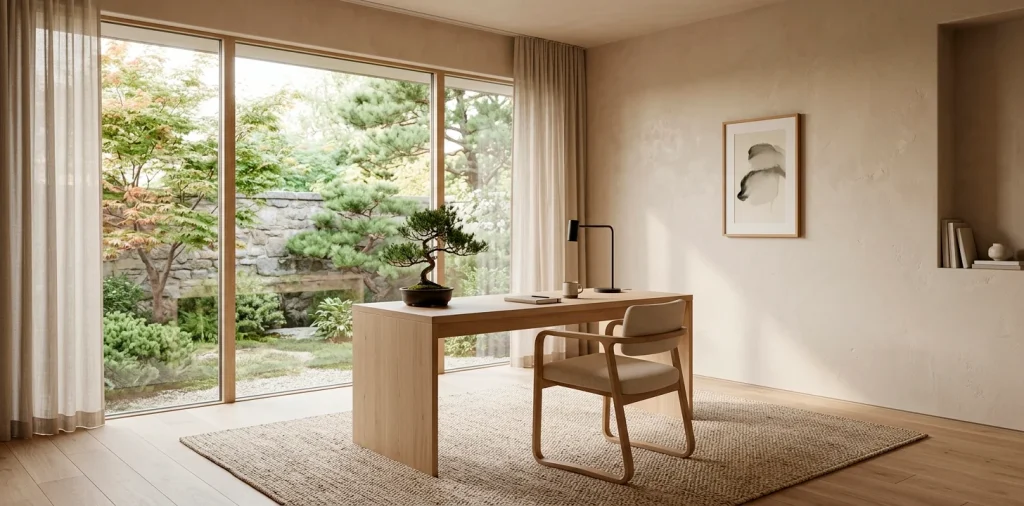
Sick of staring at a chaotic workspace that utterly kills your focus? Trust me, I get it 😅. I spent years working from a desk that looked like a paper hurricane hit it. Then I discovered the magic of Japandi style, and my daily productivity skyrocketed. This brilliant hybrid of Japanese minimalism and Scandinavian warmth cures workspace burnout instantly. Ready to transform your tired office?
What Exactly Is Japandi?
You might think Japandi is just another fleeting internet buzzword, but this beautiful design philosophy actually brings profound, lasting peace to any room. It flawlessly marries the sleek, practical functionality of Scandinavian styling with the deep, intentional simplicity of Japanese aesthetics. I honestly wish I learned about this brilliant mashup before I blew my budget on a bunch of neon acrylic desk accessories.
The core focus revolves entirely around neutral tones, raw textures, and purposeful items. Stripping away the unnecessary leaves you with zero visual noise, which absolutely guarantees a much clearer mind for your daily tasks.

Mastering the Neutral Color Base
Setting up a serene foundation begins entirely with picking the right paint and textiles. I absolutely swear by warm off-whites, soft beiges, and muted stones to successfully anchor the space. Avoid sterile hospital whites at all costs; you want your office to feel like a cozy, inviting retreat, not a freezing dentist’s waiting room. Ever notice how a glaring bright wall makes your head throb by 3 PM? A soft, earthy palette actively prevents eye strain during those brutal workdays and makes the room feel incredibly open. Every single color choice you make should promote sheer calm and razor-sharp focus.
A useful little gift for your home
🎁 Free Plant Finder Tool
Filter 250+ houseplants by style, size, and care level to find your perfect green companion in seconds.
We’ll email you the link. Plus, you’ll join our newsletter for fresh home inspiration.

Bringing the Outside In With Organic Textures
Nature plays a massive role in properly grounding any authentic Japandi workspace.
You definitely need unpainted wood elements, like light white oak or sustainable bamboo. These raw materials instantly breathe vibrant life into an otherwise highly sterile work environment.
I personally swapped my freezing metal filing cabinet for a gorgeous slatted wooden credenza, and the positive shift in energy blew my mind. It feels so much more human and grounding.
Throw in some airy linen curtains and a beautifully textured wool rug. Tactile details gracefully soften the harsh edges of computer monitors and tech gear. Need more inspiration? Check out these natural wood accents that fit an office perfectly.

Decluttering the Wabi-Sabi Way
The Japanese concept of wabi-sabi celebrates the unique beauty of imperfection, but it definitely does not excuse your massive pile of unpaid bills. You must ruthlessly edit your desk surface to house only your true daily essentials. I regularly use woven bamboo baskets to hide my ugly cables and spare chargers completely out of sight. A fiercely clean desk genuinely boosts your creative output. Keep your core tools accessible, but conceal the overwhelming visual clutter behind natural cabinet doors. Treat your workspace like a curated art gallery instead of a dumping ground for yesterday’s coffee mugs.

Choosing the Right Ergonomic Yet Aesthetic Desk
Finding a desk that genuinely supports your spine while still looking like a chic minimalist masterpiece often feels utterly impossible.
FYI, most modern ergonomic desks look like they belong on a sci-fi spaceship, right? I highly recommend investing in a solid wood sit-stand desk that features a deeply understated, clean frame. It gives you the necessary health benefits without ruining the organic, earthy vibe of the room.
Pay close attention to the small details when shopping. Desk design elements:
- Matte black or soft white metal lifting legs
- A thick, richly grained ash or walnut desktop
- Built-in hidden cable management trays underneath
A sturdy, beautiful desk forms the absolute anchor of your entire Japandi office.

Let There Be (Natural) Light
Lighting heavily dictates your daily mood and energy levels from nine to five. Harsh fluorescent overheads completely kill creativity faster than an unexpected Monday morning Zoom meeting. You absolutely must maximize whatever natural sunlight your specific room receives.
Position your beautiful new desk directly near a window to catch those uplifting morning rays. When the sun finally dips, rely entirely on warm, intelligently layered lighting. I personally use a stunning sculptural paper lantern pendant alongside a sleek matte desk lamp to create a cozy, soft glow. Always buy smart LED bulbs and set them to a warm 2700K temperature. Your tired eyes will definitely thank you later.

Seating That Doesn’t Scream ‘Corporate’
We all intimately know the frustrating struggle of finding a truly stylish office chair.
Gigantic, bulky mesh chairs ruin the delicate Japandi aesthetic instantly, IMO. You absolutely need something much more low-profile and thoughtfully refined.
Look closely for ergonomic chairs featuring elegantly curved bentwood backs or soft neutral linen upholstery. They often provide surprisingly decent lumbar support without visually dominating the entire room.
I finally struck the perfect balance by purchasing a highly adjustable minimalist chair boasting a lovely beige fabric seat. Prioritize your physical health, but demand a piece that seamlessly blends with your calm earthy palette.

Bringing in Intentional Greenery
No Japandi space feels truly complete without a delicate touch of vibrant, living nature. However, you should completely avoid turning your home office into an overgrown jungle. Select one or two structural plants, like a graceful olive tree or a simple bonsai, to serve as living art. I placed a single minimal leafy branch in a ceramic stoneware vase on my desk, and it looks incredibly poetic. Choose low-maintenance plants that thrive indoors so you never stress about keeping them alive. The core goal involves adding a subtle pop of life against your calm neutral backdrop, not managing a demanding greenhouse.

The Power of Minimalist Wall Art
Blank walls often feel a bit too sterile, even for hardcore minimalists. You definitely want to add some distinct personality to the space, but keep it incredibly subtle. Ditch the chaotic gallery walls full of loud motivational quotes immediately.
Instead, hang a large piece of heavily textured canvas art or a muted, abstract watercolor print. I bought a stunning plaster wall sculpture that adds massive visual interest purely through light and shadows. Embrace negative space; letting your walls breathe visually makes the room feel twice as large. The strict restraint you show with your decor choices directly amplifies the calming effect of the entire room.

Merging Work and Rest Spaces
Many of us unfortunately cram our daily workspaces into tight guest bedrooms, which quickly creates a stressful, mixed-purpose nightmare.
You can easily master this tricky blend using core Japandi principles. Buy a low-profile futon or a sleek daybed that perfectly matches your desk’s wood tones. Toss on organic linen pillows, and it instantly becomes a chic reading nook rather than a clumsy spare bed.
Create distinct visual zones by anchoring your desk area with a woven jute rug while keeping the resting zone completely airy. This sharp separation tells your brain exactly when to hustle. Need more ideas? Browse these productive home office guest room combos for smart layout tricks.

A useful little gift for your home
🎁 Free Plant Finder Tool
Filter 250+ houseplants by style, size, and care level to find your perfect green companion in seconds.
We’ll email you the link. Plus, you’ll join our newsletter for fresh home inspiration.
Conclusion
Building a Japandi home office transcends just buying pretty wooden furniture; it completely revolutionizes how you interact with your daily tasks. By thoughtfully embracing neutral tones, raw organic materials, and intentional minimalism, you forge a deeply inspiring sanctuary. So, which wabi-sabi element are you bringing into your workspace first? 🌿 Let me know in the comments!