Let’s address the wriggly elephant in the room. You want a gorgeous, sustainable home, but tossing a plastic bucket of worms next to your velvet sofa sounds like a chaotic nightmare. I totally get it. Good news? Modern composting finally grew up 🤫. You can completely integrate sleek, high-end worm farms into your upscale decor without anyone suspecting a thing.
Rethinking the Yuck Factor
Let’s burn the old stereotype of smelly, dripping compost bins rotting in a damp garage. Today’s indoor vermicomposting systems look more like luxury humidifiers or artisanal pottery. Design brands finally realized that eco-conscious homeowners refuse to compromise on aesthetics.
I used to hide my old plastic worm bin under the sink, terrified a guest might spot it during a dinner party. Now? My composting setup commands attention as a literal centerpiece in my dining room. People constantly ask where I bought that gorgeous textured wooden side table. I just smile and thank them, completely omitting the thousands of worms currently eating my leftover salad inside it!

Material Matters: Wood, Clay, and Matte Black
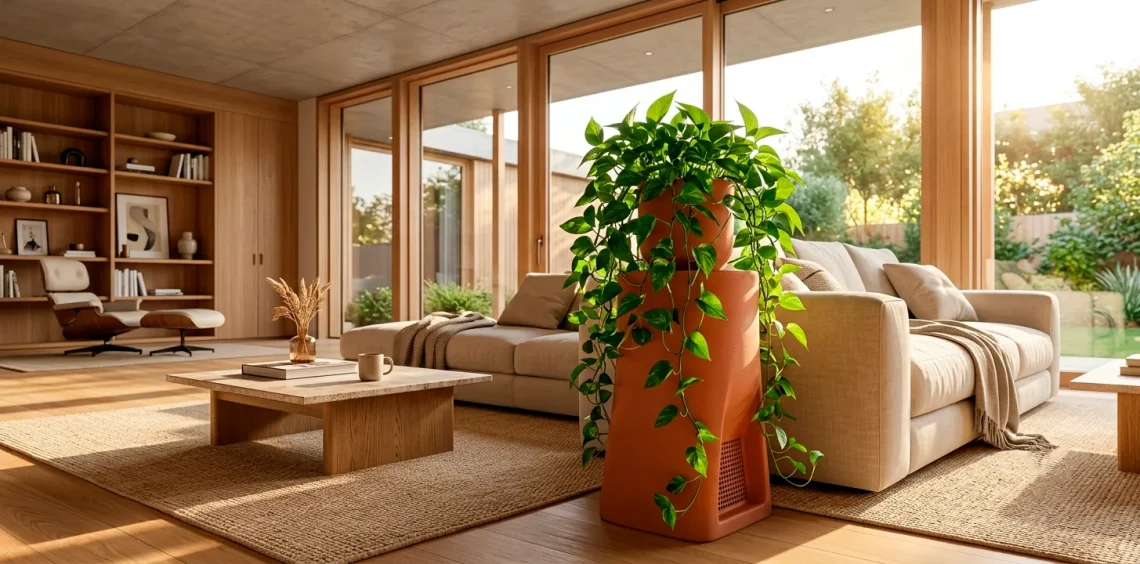
Forget cheap plastic. To integrate a worm farm into high-end decor, you desperately need premium materials. Terracotta towers breathe naturally and age beautifully, blending perfectly with organic, earthy textures. Meanwhile, solid bamboo or sleek matte black metal bins scream minimalist luxury. IMO, you want a piece that guests mistake for a modern stool or perhaps an abstract sculpture. Manufacturers now use seamlessly joined wood and hidden ventilation grilles to maintain an elevated look. Just keep your little secret locked inside and let the chic exterior do all the heavy lifting for your interior design scheme.

Styling Your Secret Ecosystem
Where do you even put a box of live animals in a meticulously curated space?
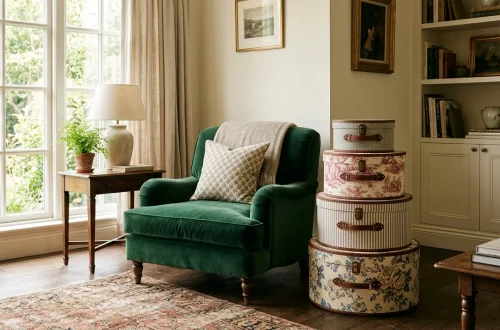
Treat the farm exactly like a statement furniture piece. Tuck a gorgeous wooden bin next to a vintage leather reading chair, topping it with a sprawling trailing pothos.
Worms hate direct sunlight anyway, so those moody, shaded corners of your living room work perfectly for their new habitat.
Ever wondered if you could disguise one as a kitchen island extension? Absolutely. Just slide a low-profile, minimalist bin under your floating shelves. Speaking of stylish, dramatic kitchens, matching your bin to dark cabinets elevates the whole room beautifully. Check out this guide on creating a dark green kitchen ultimate mood setter home.

The Odor Myth Busted
We need to kill the biggest rumor right now: healthy indoor worm farms do not smell bad. A properly balanced bin smells exactly like a fresh forest floor after a light spring rain. If your chic setup suddenly reeks, you messed up the carbon-to-nitrogen ratio. Just toss in some shredded brown paper, stop overfeeding the little guys, and watch the earthy aroma return almost instantly. Honestly, my standard kitchen garbage can smells ten times worse than my stylish compost station. Proper aeration designs in modern bins ensure oxygen flows freely, preventing any gross anaerobic bacteria from throwing a smelly party in your living room.

Choosing the Right Livestock
You can’t just dig up random earthworms from the backyard and expect them to survive in a luxury condo. They require deep soil, which a sleek indoor bin simply cannot provide.
Red Wigglers are the absolute elite superstars of indoor composting. They gorge on organic matter and thrive beautifully in shallow, room-temperature environments.
I buy mine online from reputable breeders, and they arrive via mail like a highly anticipated luxury skincare haul 🪱. Just drop them into their new designer digs with some damp bedding, and let them get right to work transforming your daily food scraps.

Feeding the Beast (Gracefully)
Feeding your wriggly roommates doesn’t require a hazmat suit or an engineering degree. You simply lift the handsome wooden lid, bury your morning espresso grounds and chopped banana peels under some damp newspaper, and close it right back up.
Avoid tossing in meat, dairy, or spicy foods unless you want a very angry, smelly ecosystem. Stick strictly to fruit and veggie scraps. Think of your worms as incredibly strict, high-maintenance vegans who occasionally enjoy a handful of crushed eggshells to aid their digestion. Treat them well, and they reward you endlessly with premium organic fertilizer.

Harvesting Black Gold Without the Mess
Eventually, these wriggly vegans turn your trash into incredibly nutrient-dense worm castings.
Most high-end bins utilize a brilliant stacked tray system to simplify the extraction process.
The worms naturally migrate upward toward the fresh food, leaving pure, finished compost safely in the bottom tray. You just slide out the bottom drawer like you’re accessing a stylish filing cabinet.
No gross digging required! You instantly get fresh fertilizer for your expensive indoor monsteras without ruining your fresh manicure 💅. It’s a wildly efficient, oddly satisfying process that feels entirely effortless.

Troubleshooting Your Designer Bin
Sometimes rogue fruit flies invite themselves to the dinner party. FYI, don’t panic and throw the whole expensive bin away! Simply bury your food scraps deeper and add a thick top layer of dry shredded cardboard. You can also vacuum up the flying invaders if you want immediate, ruthless vengeance. I once battled a fruit fly invasion by simply neglecting my worms for two solid weeks—they quickly ate the remaining food, the moisture dropped, and the flies vanished completely. Lazy parenting wins again! Maintaining a thick, dry top layer serves as the ultimate barrier against any unwanted airborne pests.

Fueling Your Indoor Jungle
What do you actually do with all this premium dirt? You feed it right back into your high-end decor by aggressively fertilizing your curated indoor plant collection.
Worm castings act as a powerful, slow-release superfood. I sprinkle a handful onto my fiddle leaf fig every spring, and the resulting growth explosion borders on terrifying. Your expensive botanicals will thank you by pushing out massive, glossy new leaves. Need some fresh inspiration for your newly fertilized botanical space? You should definitely explore these 15 best indoor plants liven up laundry room.

Japandi and Wabi-Sabi Integration
Matching your compost system to specific interior styles sounds intimidating, but it feels surprisingly seamless. Japandi and Wabi-Sabi aesthetics embrace natural imperfections and raw materials.
A raw terracotta worm tower anchors these minimalist spaces flawlessly. It adds necessary warmth and earthly texture while performing a vital ecological function for your household.
If your home leans Mid-Century Modern, look for worm bins featuring tapered wooden legs and smooth walnut finishes. You can literally use the top as a functional side table for your vintage martini glasses. Form finally meets function!

Managing Moisture Like a Pro
Managing moisture represents the only real learning curve for your chic new pet project. Kitchen scraps hold massive amounts of water, and high-end bins purposely seal that moisture inside to protect your expensive hardwood floors.
You must balance the wet food with plenty of dry carbon. Toss in ripped cardboard boxes, unbleached paper towels, or dry coconut coir. Whenever the bin looks a bit sweaty or muddy, just throw in a handful of paper. Keeping the environment lightly damp—exactly like a wrung-out sponge—keeps the worms incredibly happy and productive without creating a sloppy, smelly mess.

The Liquid Gold Myth
Let’s immediately debunk the highly controversial “liquid gold” myth floating around the gardening internet.
Many cheap outdoor bins feature a plastic spigot at the bottom to drain foul, dark liquid.
That liquid is leachate, not authentic worm tea! Leachate often contains nasty anaerobic bacteria that can legitimately harm your delicate indoor plants. High-end, well-managed systems rarely produce any liquid runoff anyway.
If your luxury bin drips constantly, you definitely added way too much moisture. Add dry bedding immediately. Authentic worm tea requires actively brewing the solid castings in aerated water—a totally different, slightly messier project!

Temperature Control in Luxury Spaces
Temperature control matters immensely when keeping livestock inside your climate-controlled sanctuary. Red Wigglers thrive perfectly in standard room temperatures, usually between 60 and 80 degrees Fahrenheit. This makes them the ultimate indoor companions for modern homeowners. Just keep your designer bin away from drafty exterior doors in the winter and avoid placing them directly over aggressive floor heating vents. I accidentally cooked a small batch of worms once by leaving their sleek metal bin in direct afternoon sunlight. Keep them comfortable, and they process your daily waste at astonishing speeds.

Getting the Kids Involved (Subtly)
Involving the family adds a fun, educational layer to your upscale eco-project. Kids absolutely love feeding the wriggly pets.
Designate a beautiful ceramic countertop compost pail for the kitchen island to collect scraps daily.
Top Kitchen Pail Essentials:
- Odor-blocking active charcoal filters
- Dishwasher-safe stainless steel interior bucket
- Seamless aesthetic matching your luxury backsplash
The kids can fill the stylish pail with apple cores all week, then empty it into the main worm farm on weekends. You teach them vital sustainability lessons while effortlessly maintaining your pristine, Pinterest-worthy kitchen aesthetic. Win-win!

Conclusion
Integrating a worm farm into your high-end decor feels like a thrilling, rebellious design secret. You claim all the eco-friendly bragging rights without sacrificing an ounce of style. Modern composting proves that true sustainability looks incredibly chic when you choose premium materials and trust the process. Which room are you placing your designer worm bin in first? Let me know in the comments!