Skip to content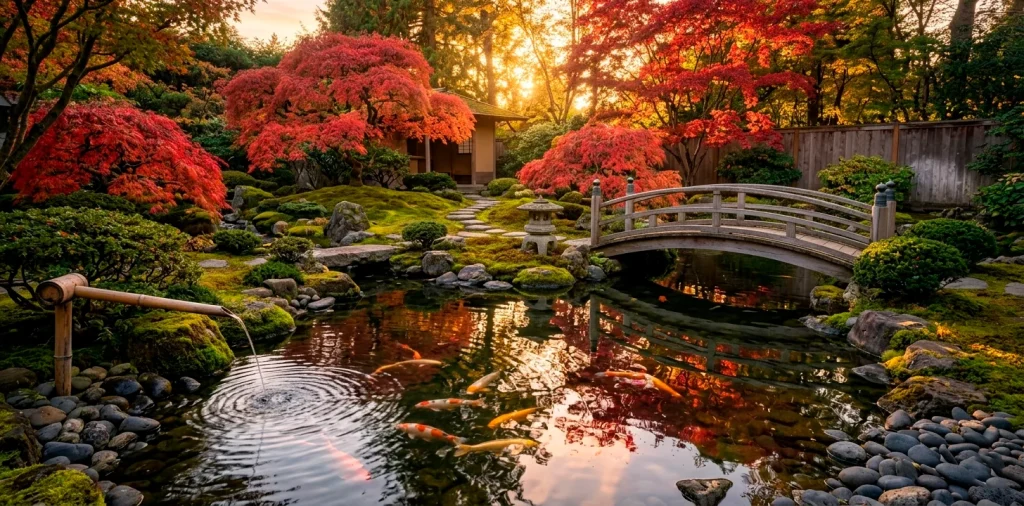
I remember staring at an empty patch of grass behind my house, wondering why the space felt so uninspired. Building a Japanese Zen pond completely transformed that boring lawn into a personal retreat. This project takes some muscle and imagination, but the peaceful sound of trickling water pays off big time. Are you ready to build your sanctuary?
Scouting Your Ultimate Pond Location
You cannot just dig a giant hole wherever your shovel lands and hope for the best. Think about how the sun hits your yard throughout the day, because excess sunlight turns stagnant water into thick green pea soup.
Ideally, choose a spot that gets morning sun and afternoon shade to keep algae completely at bay. Keep your setup away from messy trees that drop leaves constantly, unless you secretly love skimming debris every single afternoon. Proximity to a dedicated outdoor outlet is non-negotiable for running your pumps and filters seamlessly without ugly extension cords ruining the vibe.

The Beating Heart of Clean Water
Let me save you a massive headache right now: never skimp on your filtration system. Buying a cheap, underpowered pump basically guarantees a murky, foul-smelling puddle in your yard. You want a robust biological filter paired perfectly with a mechanical skimmer to catch the heavy debris. Think of the skimmer as your pond’s vacuum cleaner and the bio-filter as its digestive tract. This powerful combination ensures your water stays gin-clear all year long, letting you actually see those beautiful fish you spent good money on. I highly recommend sizing up your pump—always buy one rated for twice your actual water volume.
A useful little gift for your home
🎁 Free Plant Finder Tool
Filter 250+ houseplants by style, size, and care level to find your perfect green companion in seconds.
We’ll email you the link. Plus, you’ll join our newsletter for fresh home inspiration.

Digging the Asymmetrical Foundation
Now comes the heavy lifting, literally.
Japanese design strongly favors asymmetry. Nature rarely creates perfect circles or rigid squares, so your pond shape shouldn’t either. Go for an organic, sweeping bean shape that mimics a natural forest pool.
You must dig terraces or plant shelves into the sides. These staggered steps provide shallow zones for aquatic greenery and give wayward frogs an easy exit strategy if they take an unexpected tumble.
Make the deepest section at least three feet down. This depth protects your future fish from freezing winter temperatures and hungry neighborhood raccoons.

Mastering the Art of Rock Placement
Rock placement determines whether your feature looks like a serene mountain spring or a messy pile of construction rubble. The trick involves burying the bottom third of your boulders into the soil, grounding them naturally into the earth. Mix massive anchor rocks with medium cobblestones and tiny river pebbles to create realistic transitions. Avoid the dreaded pearl necklace look where identical stones sit in a boring, single-file ring around the edge. Group your stones irregularly, leaning them against one another like they naturally settled there centuries ago.

Bringing Balance with Aquatic Botanicals
Plants soften the harsh edges of stone and bring essential biological balance to your newly formed ecosystem.
Floating varieties like water hyacinth provide crucial shade, actively starving algae of the harsh sunlight it craves. I usually nestle some sweet flag and Japanese irises along the shallow shelves. Their striking vertical lines contrast beautifully against the perfectly flat water surface.
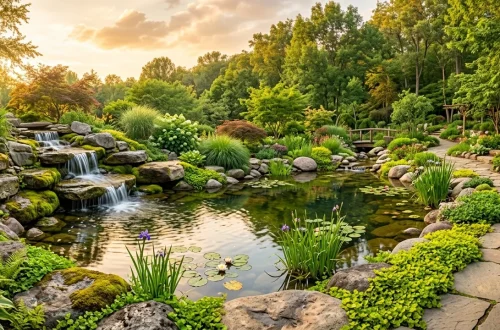
Remember to prune dead leaves regularly. Decaying matter creates an unsightly sludge at the bottom. For more inspiration on curating a lush aesthetic, check out these 15 emerald green pond ideas forest sanctuary.

Inviting the Living Jewels
What is a Zen backyard without the mesmerizing flash of Koi gliding gracefully beneath the surface? These magnificent creatures add dynamic movement and incredible personality to your outdoor oasis.
Start slowly by introducing just two or three small fish to avoid crashing your new biological filter. Koi grow remarkably fast and produce a surprising amount of waste, so absolutely resist the urge to overstock. Feed them high-quality pellets, and they will eventually eat right from your hand. IMO, taming your fish is the most rewarding part of the entire project! 😄

The Symphony of Moving Water
A still pond breeds mosquitoes; moving water breeds tranquility.
Building a gentle waterfall instantly upgrades your space from a simple puddle to a dynamic focal point. The sound of water crashing against stone naturally masks annoying neighborhood noises like traffic or loud lawnmowers.
Consider adding a traditional bamboo shishi-odoshi (deer chaser) if a full waterfall feels a bit too ambitious for your current skill level.
The rhythmic, hollow clack of the bamboo striking rock offers a deeply meditative soundtrack. Always test your water flow before permanently cementing your spillway rocks into place.

Crafting Pathways over the Water
Installing a pathway encourages guests to pause and actually observe the aquatic life below. A simple, slightly arched wooden bridge works wonders for connecting different zones of your garden. If a bridge feels too bulky, strategically placing large, flat stepping stones across a shallow section creates a magical, interactive walkway. Ensure every single stepping stone sits perfectly level and feels completely stable underfoot. Nobody wants an unexpected swim while holding their morning coffee! Treat these crossings as structural art pieces that ground the entire design.

Illuminating the Night Garden
Your stunning backyard feature shouldn’t vanish into the shadows the moment the sun goes down. Proper lighting extends your enjoyment well into the evening, transforming the space into a dramatic, glowing wonderland.
Place warm-toned, fully submersible LED spotlights beneath your waterfall to make the cascading water glow from within. Use soft path lights around the perimeter to highlight those massive anchor rocks you worked so hard to place. Stick to warm white bulbs; harsh blue or rainbow LEDs completely ruin the natural, tranquil vibe you are trying to achieve here.

Embracing the Wabi-Sabi Mindset
A Japanese water garden requires consistent care, but the maintenance should feel therapeutic rather than tedious.
You will need to trim overgrown roots, skim stray leaves, and check your pump filters weekly. Embrace the concept of Wabi-Sabi—finding absolute beauty in natural imperfection. A little algae on the rocks or a slightly asymmetrical plant simply adds character and history to the landscape.
Toss those collected dead leaves and plant trimmings right into your compost bin. If you want to refine that process, read our mastering art of composting backyard garden guide.

A useful little gift for your home
🎁 Free Plant Finder Tool
Filter 250+ houseplants by style, size, and care level to find your perfect green companion in seconds.
We’ll email you the link. Plus, you’ll join our newsletter for fresh home inspiration.
Conclusion
Creating a Japanese Zen pond right in your backyard is honestly one of the most rewarding DIY projects you can tackle. It transforms ordinary outdoor spaces into breathtaking sanctuaries of peace and reflection. You will wonder how you ever survived without that soothing water soundtrack. Which feature are you planning to build first? Let me know in the comments!