Skip to content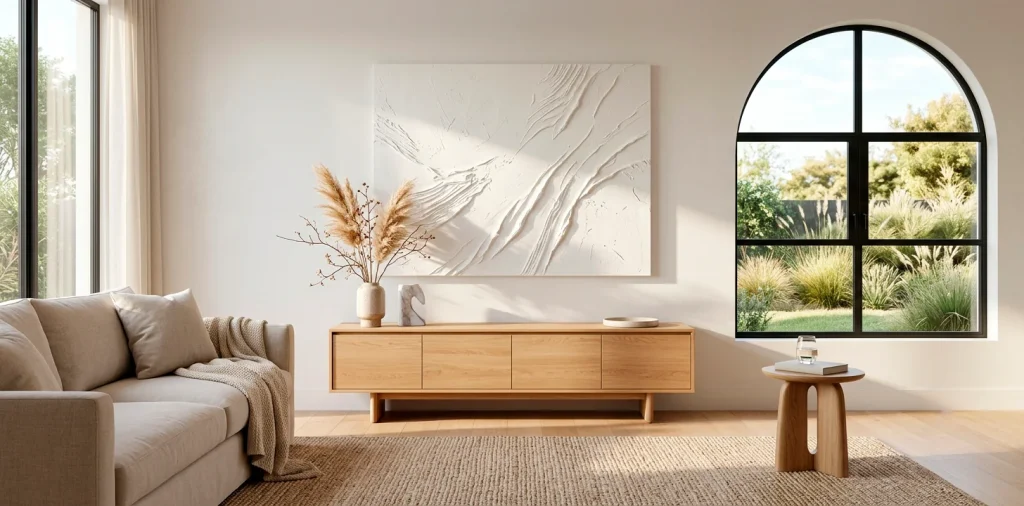
Staring at a blank, boring wall again? I have been there, throwing away money on generic prints that do not even spark joy. Enter plaster art. It looks incredibly high-end, mimics expensive gallery pieces, and practically anyone can do it. I ruined my first canvas by overthinking, but once you let go, it is pure magic. Let’s fix those empty walls together. ✨
The Classic Archway
Arches instantly scream luxury in any space. You grab your premixed joint compound, a handy notched spreader, and carve a sweeping, perfect curve right down the middle of a stretched white blank canvas. FYI, I actually tried this last weekend, and the sweeping motion feels ridiculously satisfying. It creates this serene, architectural vibe that grounds a chaotic living room immediately. You barely need any pressure, just a steady hand and a tiny bit of patience. Design essentials:
- Heavy-duty stretched blank canvas
- Premixed white joint compound
- Plastic arch stencil template
- Wide metal putty knife
You leave the surrounding canvas completely bare for that ultra-chic negative space.


DAP Wallboard Joint Compound, White, 12 Lbs (7079810102) | Drywall Supplies, Joint Compounds, Wallboard Compounds, Interior Wall Repair, DAP 10104 Wallboard Joint Compound, Paste
View on Amazon
QLT by MARSHALLTOWN Square Notched Spreader, Rust and Corrosion-Resistant, Multi-Use Spreader and Scraper, Adhesive Spreader, Square Notches in Four Sizes, Made in the USA, 6287
View on AmazonCERTAIN CONTENT THAT APPEARS ON THIS SITE COMES FROM AMAZON. THIS CONTENT IS PROVIDED “AS IS” AND IS SUBJECT TO CHANGE OR REMOVAL AT ANY TIME.
Wabi-Sabi Textured Waves
Craving something a bit more chaotic? Wabi-sabi celebrates beautiful imperfections. You just slap the plaster onto the canvas and drag a large texture brush through it organically. 🤎
Forget straight lines and rigid rules. You want chaotic, overlapping waves that catch the morning sunlight. I find this technique incredibly therapeutic after a long day of pretending to be a functional adult.
A useful little gift for your home
🎁 Free Plant Finder Tool
Filter 250+ houseplants by style, size, and care level to find your perfect green companion in seconds.
We’ll email you the link. Plus, you’ll join our newsletter for fresh home inspiration.
The trick involves layering thick and thin strokes randomly. You let some areas peak high while others scrape right down to the canvas fabric. Honestly, the messier you get, the better the final piece looks hanging above your minimalist console table.


HYDE 09880 Texture Brush Large
View on Amazon
VASAGLE 39.4 Inchs Console Sofa Table, Tempered Glass, 2 Shelves | Minimalist Entryway Table, Metal Frame, Adjustable Feet, for Living Room, Hallway, Gold Color, BARIS Collection, ULGT025A01
View on AmazonCERTAIN CONTENT THAT APPEARS ON THIS SITE COMES FROM AMAZON. THIS CONTENT IS PROVIDED “AS IS” AND IS SUBJECT TO CHANGE OR REMOVAL AT ANY TIME.
Geometric Grid Blocks
Crisp lines bring a highly modern edge to your relaxing space. You section off perfect squares using thick painter's tape before slathering on your plaster mix.
Once you peel that tape away, the sharp, clean canvas contrasting against the raised, chalky blocks looks completely stunning. Pro tip: remove the tape while the plaster remains slightly wet to avoid cracking those crisp edges. If you love striking shapes, you might also want to check out some geometric art ideas for mid-century modern decor.


ScotchBlue Original Multi-Surface Painter's Tape 3 Inch Wide, 1 Roll | 2.83 in x 60 yd. Blue Paint Tape, Protects Surfaces and Removes Easily, Painting Tape for Indoor and Outdoor Use
View on Amazon
DAP Plaster of Paris (Dry Mix), White, 4 Lb Box (7079810308)
View on AmazonCERTAIN CONTENT THAT APPEARS ON THIS SITE COMES FROM AMAZON. THIS CONTENT IS PROVIDED “AS IS” AND IS SUBJECT TO CHANGE OR REMOVAL AT ANY TIME.
Sweeping Half-Moon
Sometimes, less genuinely means more. A single, heavy-textured half-circle placed deliberately off-center creates immediate visual interest.
I use a makeshift compass for this. Tie a string to a pencil, anchor it, and carve your guide lightly into the stretched canvas.
Now, pile your plaster exclusively inside that shape using a flexible putty knife. Build it up extremely thick. You want it casting serious shadows when your evening lamps turn on.
The massive empty space beside the moon acts as the real star of the show. It forces the eye right to your textured masterpiece. You definitely do not want to overcomplicate this specific layout.

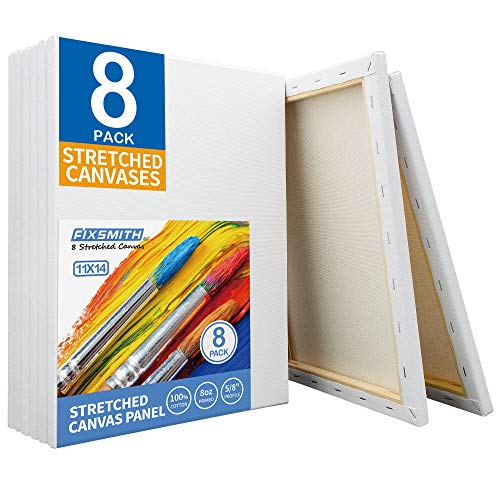
FIXSMITH Stretched White Blank Canvas - 11x14 Inch, 8 Pack, Primed,100% Cotton,5/8 Inch Profile of Super Value Pack for Acrylics,Oils & Other Painting Media
View on Amazon
Bates- Plastic Putty Knife Set, 6 Pack Flexible Scrapers | for Spackling Paint Scraping Repair
View on AmazonCERTAIN CONTENT THAT APPEARS ON THIS SITE COMES FROM AMAZON. THIS CONTENT IS PROVIDED “AS IS” AND IS SUBJECT TO CHANGE OR REMOVAL AT ANY TIME.
The Raw Edged Canvas
We usually frame our art to keep things neat, but going raw brings an earthy, grounded energy. You spread the plaster thick in the center and feather it out abruptly before it ever touches the edges.
You leave those frayed, untreated canvas borders exposed to the world. It looks like you just unearthed an ancient fresco. Tool kit:
- Raw unprimed canvas rolls
- Flexible putty knives
- Matte acrylic sealant
- Natural bristle brushes
I genuinely love how this specific style rejects perfection. It fits flawlessly into a relaxed, organic interior setting.


U.S. Art Supply 7-Ounce Unprimed Canvas Roll, 36" Wide x 6' Long (2 Yards) | 100% Cotton, Woven, Acid-Free - Unstretched Canvas Rolls for Painting, Murals, & DIY Crafts
View on Amazon
Rerdeim 5Pcs Putty Knife, Set, 1" 2" 3" 4" 5" Scraper, Spackle Knife, Paint Scraper, Scraper Tool, No Rusting, Perfect For Repairing Drywall, Removing Wallpaper, Mud, Plaster Scraping
View on AmazonCERTAIN CONTENT THAT APPEARS ON THIS SITE COMES FROM AMAZON. THIS CONTENT IS PROVIDED “AS IS” AND IS SUBJECT TO CHANGE OR REMOVAL AT ANY TIME.
Floral Imprint Reliefs
Bringing the outdoors inside never gets old. You press dried botanicals directly into your wet plaster to capture their delicate, intricate shapes.
I recommend foraging for sturdy ferns or thick eucalyptus leaves for the best impression. You gently peel the plant away after a few minutes, leaving a stunning fossil-like indent. Botanical picks:
- Dried lavender stems
- Large monstera leaves
- Pressed forest ferns
- Sturdy outdoor twigs
This method gives you a custom botanical piece that costs pennies but looks like it belongs in an expensive boutique.


Glicrili Dried Lavender Flowers Real Stems Purple Bouquet for Vase Decor | 15-17" preserved lavender stems with 1.76oz dried flowers for vase filler, wedding, crafts, farmhouse style, aromatherapy
View on Amazon
48 Pcs Mix Natural Dried Pressed Ferns for Cake Decorating, Real Dried Greenery for Resin Jewelry Making, DIY Art Crafts (Fern)
View on AmazonCERTAIN CONTENT THAT APPEARS ON THIS SITE COMES FROM AMAZON. THIS CONTENT IS PROVIDED “AS IS” AND IS SUBJECT TO CHANGE OR REMOVAL AT ANY TIME.
Layered Palette Knife Chunks
Ready to channel your inner eccentric artist? Grab the largest palette knife you own. You scoop generous globs of plaster and smear them onto the canvas like thick buttercream frosting. You want those ridges sharp, aggressive, and highly visible. I tried this method on a massive 40×60 canvas and it completely transformed my boring hallway. It catches the ambient light beautifully from every angle. You skip the delicate touches here and just focus on building serious, unapologetic volume.

Vertical Fluted Lines
Fluted textures absolutely dominate modern interior design right now.
You drag a simple tile adhesive trowel straight down a thick bed of wet plaster. It creates perfectly spaced, rhythmic vertical lines that draw the eye upward and make your ceilings feel taller.
The trick requires applying totally even pressure. If you hesitate or stop mid-pull, you ruin the continuous flow of the groove.
Fortunately, if you mess up, you just smooth it flat and pull the trowel again. I love how these crisp, parallel channels reflect harsh daylight and cast beautiful, elongated shadows.

The Imperfect Circle
IMO, perfect circles feel too machine-made, so we intentionally mess them up. You hand-draw a massive, wobbly ring using nothing but your thumb and a thick dollop of compound. The variations in thickness give the piece a soulful, human touch. I absolutely adore how a slightly skewed circle softens a rigid room filled with harsh, square furniture. You literally cannot fail at this one because every single mistake just adds pure character and depth.

Metallic Touched Plaster
Sometimes a monochromatic look feels slightly too plain. You can elevate your dried plaster by dry-brushing tiny hints of metallic gold or bronze purely over the highest peaks of your texture.
You definitely do not paint the whole thing. You just let the metallic pigment kiss the raised ridges so it shimmers unexpectedly when you walk past.
I highly suggest using an old, stiff brush with almost zero paint on the bristles. It adds a touch of pure opulence without sacrificing that chic minimalist aesthetic we worked so hard to build. For more ways to brighten your space, explore these earthy rattan mirror ideas for a natural glow.

A useful little gift for your home
🎁 Free Plant Finder Tool
Filter 250+ houseplants by style, size, and care level to find your perfect green companion in seconds.
We’ll email you the link. Plus, you’ll join our newsletter for fresh home inspiration.
Conclusion
Creating high-end plaster art does not require a fine arts degree; you just need some mud, a basic canvas, and a willingness to get your hands dirty. These minimalist pieces completely transform your space, adding rich texture and instant personality without breaking the bank. Grab that trowel, start experimenting with those bold ridges, and watch your blank walls come alive. Which one are you grabbing first? Let me know in the comments!