Skip to content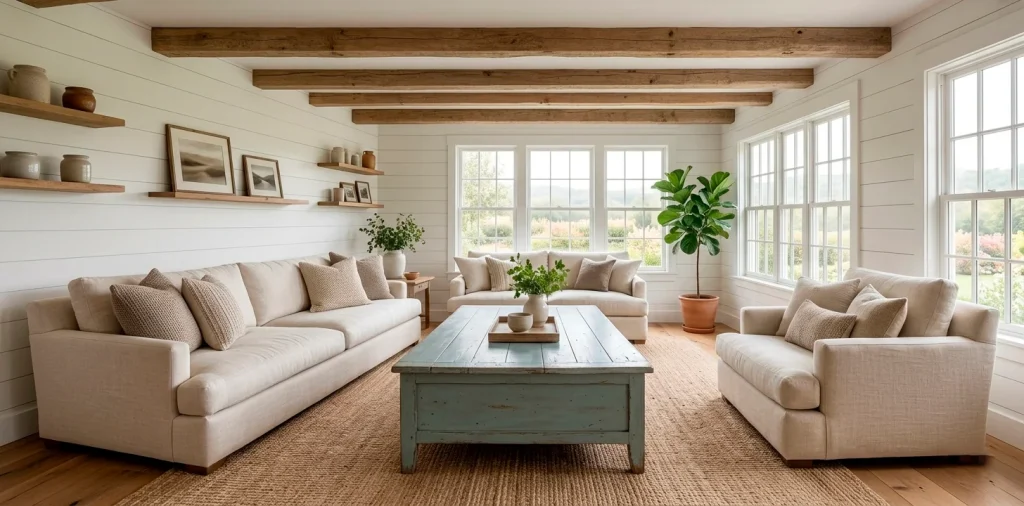
Stop settling for boring beige. If your living room feels like a hospital waiting room, it is time for a change. Distressed duck egg blue brings that soft, ‘I found this in a French attic’ vibe that makes farmhouse style so cozy. I once tried to paint a whole dresser this color at 2 AM—total chaos, but the result? Absolutely stunning. 🛋️
The Allure of the Hue
Why do we obsess over this specific shade? It is not just blue; it is a sophisticated dance between pale turquoise and slate gray. You get the serenity of a clear sky mixed with the grounded feel of natural stone. It acts as a neutral but keeps things interesting. IMO, it beats plain white every single day. Ever noticed how it makes antique wood grain practically sing? I love how the cool undertones balance out the warmth of rustic pine or oak. It creates a visual ‘deep breath’ for your home. You do not need a beachfront mansion to make this work; a simple mudroom bench in this finish changes everything.

Choosing the Right Furniture Piece
You do not want to go overboard and turn your house into a Smurf village. Start small if you feel nervous. A distressed side table or a set of dining chairs offers just enough color without screaming for attention.
Do you really need a massive hutch in this color? Maybe. If the rest of the room stays quiet, a large statement piece works wonders. I personally gravitate toward items with ‘good bones’—think chunky legs and ornate carvings that catch the distressing perfectly.
A useful little gift for your home
🎁 Free Plant Finder Tool
Filter 250+ houseplants by style, size, and care level to find your perfect green companion in seconds.
We’ll email you the link. Plus, you’ll join our newsletter for fresh home inspiration.
Elements for a perfect match:
- Scalloped edges that highlight wear
- Original brass hardware
- Chunky turned wooden legs
- Solid pine or cedar construction
I recommend starting with one ‘hero’ piece and letting the rest of the room support it. Modern farmhouse dining room elements provide the perfect backdrop for these blue accents.

The Art of the Distressed Finish
Getting that ‘aged to perfection’ look requires more than just a messy paint job. You want the wear to look intentional, not like your cat used the cabinet as a scratching post. I use a mix of fine-grit sandpaper and dark wax to create depth. You focus on the edges and corners where natural contact occurs over decades.
Sanding back the paint reveals the dark wood underneath, creating a high-contrast texture that looks authentic. FYI, dry brushing a slightly lighter shade on top adds a three-dimensional quality that flat paint simply lacks. It is a bit of a workout, but your forearms will thank you for the ‘shabby chic’ results later. 🎨

Harmonious Color Pairings
What plays well with our favorite blue? You cannot go wrong with warm metallic accents. Think antique brass or rubbed bronze. These materials cut through the coolness and add a touch of sophistication that keeps the ‘farmhouse’ from feeling too ‘pioneer cabin.’
I also love pairing it with soft creams and muted sages. It creates a botanical palette that feels fresh and airy. Avoid bright primaries; they will fight the duck egg blue and make the room look like a preschool classroom. No one wants that.
Top pairing choices:
- Creamy linens and cottons
- Natural jute and sisal textures
- Dark charcoal or matte black iron
- Weathered silver or pewter
You should aim for a balance of textures and tones. For more ideas on how to manage these light colors, check out how to layer creams and beiges in a modern farmhouse setting.

Living Room Softness
Your living room deserves more than just grey pillows. Incorporate duck egg blue through textiles and wall art. A chunky knit throw in this shade draped over a white slipcovered sofa looks like a magazine spread. It adds enough visual weight to ground the space without making it feel heavy.
Ever tried a large-scale botanical print with these blue tones? It bridges the gap between your furniture and your walls. I find that a few well-placed blue accents make the whole room feel more cohesive and intentional rather than a random collection of ‘stuff.’

Kitchen and Dining Details
The kitchen is the heart of the home, but it often stays stuck in ‘all-white’ territory. Break the mold with a distressed blue kitchen island. It creates a stunning focal point that hides scuffs much better than pristine white cabinets. I once saw a kitchen with blue mason jar vases and matching linens; it felt like a summer cottage in the middle of winter. You can even swap out your hardware for blue ceramic knobs if you want a low-commitment change. It is subtle, sweet, and totally charming.

Lighting and Environmental Impact
Light changes everything. In bright, southern sun, duck egg blue looks cheerful and vibrant. In the evening under warm lamps, it shifts toward a moody, deep teal-gray. You should always test a swatch before committing to a full furniture makeover.
I suggest using warm-toned light bulbs to prevent the blue from looking too ‘icy.’ You want a glow, not a frostbite vibe. Use these items to enhance the mood:
- Clear glass pendant lights
- Galvanized metal lampshades
- Edison bulbs for a vintage feel
- Linen lamp shades in off-white
The way shadows play across a distressed surface adds so much character. It makes the piece feel like it has a history, even if you just finished sanding it ten minutes ago.

Entryway First Impressions
Your entryway sets the tone for the entire house. A weathered console table in duck egg blue says, ‘Welcome to my cozy, slightly messy, very stylish life.’ Pair it with a large mirror to bounce light around the space. I love adding a few wicker baskets underneath for shoe storage. It is functional, beautiful, and hides the chaos of family life perfectly. Why choose a boring black table when you can have a piece that actually sparks joy the moment you walk through the door?

Maintaining the Lived-In Look
Don’t let your hard work fade away. A clear matte sealer protects the paint without adding an ugly plastic shine. You want to preserve the ‘flat’ look of chalk paint while ensuring the wood does not soak up every coffee spill.
I recommend dusting with a soft cloth and avoiding harsh chemicals that might eat through your wax finish. Maintenance is actually easier with distressed furniture because new dings just add to the ‘charm.’ It is the only style where being a bit clumsy actually helps the aesthetic.
Cleaning tips:
- Use a damp microfiber cloth for spills.
- Re-apply wax every six months if needed.
- Avoid direct sunlight to prevent extreme fading.
- Keep it away from high-moisture areas without a heavy-duty sealer.

Common Mistakes to Sidestep
The biggest trap? Thinking ‘distressed’ means ‘destroyed.’ If you sand off 90% of the paint, it just looks like you forgot to finish the job. You need to leave enough color to actually see the duck egg blue.
Another fail is ignoring the wood undertones. If the wood underneath is bright red mahogany, the blue might look a bit ‘off’ unless you use a dark stain first. I always check the base wood before I even crack open a paint can. Take your time, plan your ‘wear patterns,’ and you will end up with a piece that looks like a genuine heirloom.

A useful little gift for your home
🎁 Free Plant Finder Tool
Filter 250+ houseplants by style, size, and care level to find your perfect green companion in seconds.
We’ll email you the link. Plus, you’ll join our newsletter for fresh home inspiration.
Ready to Paint?
Distressed duck egg blue is more than a trend; it is a farmhouse staple that adds soul to any room. Whether you go big with a kitchen island or start small with a vase, this color will not disappoint. It brings peace, character, and a bit of history to your space. So, which piece in your house are you painting first? Let me know in the comments! 🎨