Skip to content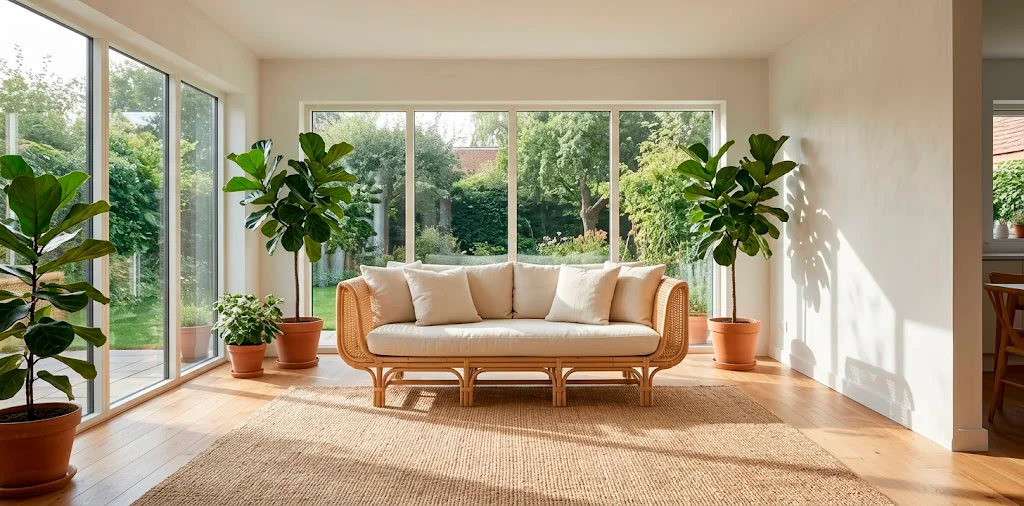
You know that magical feeling when you walk into a room and it instantly feels warm, grounded, and effortlessly cool? That is the superpower of natural rattan. It is the ultimate antidote to sterile, mass-produced furniture. I have obsessed over this earthy material for years because it brings genuine soul into a home while keeping our planet happy. Let me show you how to style it like a pro without making your living room look like a vintage patio.
Why Rattan is the Ultimate Eco-Friendly Choice
Ever wondered why designers constantly obsess over this material? It is all about the impressive environmental footprint.
Unlike traditional hardwoods that take decades to mature, rattan is a fast-growing jungle vine that regenerates in just a few short years. Harvesters cut the stems without harming the tropical rainforest trees they climb on, preserving critical ecosystems. When you buy genuine cane pieces, you actively support sustainable forestry and traditional artisan craftsmanship. Plus, IMO, nothing beats the durability of a well-made cane chair. It is tough, lightweight, and entirely biodegradable when it finally reaches the end of its long life.

Distinguishing Real Rattan from Wicker and Bamboo
Let us clear up the biggest misconception in the furniture world right now. Wicker is a weaving technique, while rattan is the actual raw material.
People use these terms interchangeably all the time, and it drives me crazy.
A useful little gift for your home
🎁 Free Plant Finder Tool
Filter 250+ houseplants by style, size, and care level to find your perfect green companion in seconds.
We’ll email you the link. Plus, you’ll join our newsletter for fresh home inspiration.
Here is how you can spot the difference when shopping for your space:
- Rattan vs. Bamboo: Rattan features a solid, flexible core that bends into smooth curves, whereas bamboo is entirely hollow and rigid.
- Natural vs. Synthetic Wicker: Outdoor all-weather wicker relies on plastic fibers, while authentic indoor cane comes strictly from natural palm vines.
Always check the product description for terms like “natural cane” or “solid rattan core” to ensure you are buying the real, sustainable deal rather than fossil-fuel-based plastic replicas.

Designing Around a Statement Piece
You do not need to deck out your entire house in woven cane to capture that coveted organic vibe. In fact, doing so will quickly turn your chic sanctuary into a tacky 1970s theme park! The secret lies in anchoring your room with one jaw-dropping statement piece that commands attention. Think about introducing a sweeping bohemian headboard in your primary bedroom, or perhaps an airy cane-front sideboard in your dining area. I bought a vintage peacock chair for my reading corner last spring, and it instantly transformed an otherwise boring wall into the focal point of my apartment. When you let a single heroic design element shine against simple, neutral surroundings, you achieve effortless elegance every single time.

The Art of Layering Textures and Fabrics
Because cane has a structured, slightly rigid appearance, you need to soften it up with generous layers of cozy textiles. How do you stop a room from looking stiff and scratchy? You bring in the fluff!
Pairing earthy woven materials with plush fabrics creates an irresistible tactile contrast that begs you to sit down and relax. Try draping a washed linen throw or a nubby boucle pillow onto a woven bench for immediate warmth.
Ethically sourced sheepskin rugs also look incredible when tossed casually over a cane rocking chair. For more ideas on mixing textiles like a pro, check out our guide on boho living room layering patterns and inspiration.

Choosing the Right Color Palette for Natural Wood Tones
One of my absolute favorite things about natural cane is its incredible color versatility. It acts as a warmth booster that effortlessly bridges the gap between cool modern tones and earthy traditional hues.
If you want a serene, Scandinavian-inspired space, pair your woven furniture with crisp whites, creamy ivories, and soft sage greens. Craving a little more drama? Try contrasting light golden cane webbing against deep charcoal walls, navy blue cabinets, or moody terracotta tiles. That contrast creates an instant visual punch that makes the natural wood grain pop. Just avoid matching your wall color too closely to the furniture finish, or your beautiful pieces will blend right into the background.

Small Accents for Beginners on a Budget
Not quite ready to drop half your paycheck on a brand-new sofa? I totally get it. You can easily test the waters by scattering inexpensive woven accents throughout your living space. Swapping out standard fabric lampshades for woven cane pendants is a genius budget hack because it casts the most gorgeous, intricate shadow patterns across your ceiling every night ✨. You can also organize your bathroom clutter using sturdy woven storage baskets, or serve morning coffee on a round cane tray. These subtle touches add instant organic warmth and texture without requiring a major financial commitment or a complete room overhaul.

Styling Rattan in Modern and Minimalist Spaces
Think this material only belongs in beach houses or bohemian bungalows? Think again!
You can easily integrate earthy woven textures into sleek, modern apartments if you focus on clean geometry and sharp silhouettes.
To keep the aesthetic crisp rather than beachy, follow these modern design rules:
- Embrace Black Accents: Look for chairs featuring natural cane webbing set inside bold, matte black wood or steel frames.
- Mix with Cool Industrial Materials: Pair woven wood sideboards with polished concrete floors, glass coffee tables, or stainless steel fixtures.
The secret to modern styling is restraint; let one striking silhouette speak for itself against a clutter-free, minimalist backdrop.

Maintenance Hacks to Keep Your Pieces Lasting for Decades
Here is a little secret that big furniture retailers rarely tell you: natural vine fibers actually need to breathe and stay hydrated to prevent cracking. FYI, keeping your favorite cane chair right next to a scorching heating vent is a guaranteed way to dry out and ruin the weave!
To keep your pieces flexible and glowing for decades, dust them weekly with a soft-bristle brush or a vacuum upholstery attachment. If the fibers start looking brittle or parched after a dry winter, gently wipe them down with a damp cloth dipped in warm water and a tiny drop of mild dish soap. You can even rub a light coat of boiled linseed oil onto older pieces once a year to restore their original golden luster and structural strength.

Mixing Vintage Finds with Contemporary Designs
Some of the most incredible woven treasures I own came straight from local thrift stores and dusty flea markets. Older pieces often boast intricate handcraftsmanship that modern productions simply cannot duplicate.
Why pay top dollar for a reproduction when you can score an authentic, aged gem for a fraction of the price? 😉
When mixing vintage finds with new furniture, aim for balance rather than perfection. Place a curvy, thrifted cane rocker next to a clean-lined, contemporary sofa. If an antique piece looks dingy, a quick cleaning and a fresh seat cushion will instantly bridge the decades. For more inspiration, check out our guide to the perfect Japandi living room.

Seamlessly Integrating Outdoor Rattan into Indoor Living
Who says garden furniture has to stay outside on the patio? Blurring the boundaries between your indoor and outdoor spaces is a fantastic way to stretch your decorating budget while maximizing sustainability. Bringing high-quality woven garden armchairs into your sunroom or breakfast nook creates an instant laid-back, vacation-like atmosphere. I actually moved two weathered cane armchairs from my covered porch into my living room last winter, and they instantly transformed the space into a cozy sun-drenched conservatory! Just swap out the stiff, waterproof outdoor cushions for luxurious indoor velvets or soft organic cottons to ensure they feel comfortable and refined enough for everyday interior living.

A useful little gift for your home
🎁 Free Plant Finder Tool
Filter 250+ houseplants by style, size, and care level to find your perfect green companion in seconds.
We’ll email you the link. Plus, you’ll join our newsletter for fresh home inspiration.
Conclusion
Decorating with natural cane is the easiest way to achieve a dreamy, sustainable home without sacrificing style. Whether you start small with a woven tray or go bold with a vintage headboard, you are investing in timeless craftsmanship that truly respects our planet. I am already scouring the flea markets for my next find this weekend—which rattan accent are you grabbing first? Let me know in the comments!