Designing a tiny room is hard enough without playing a frantic game of color roulette. I learned the hard way that throwing five vibrant colors into a shoebox apartment just creates a circus tent. Enter the monochrome palette. Sticking to one color family instantly tricks the eye into seeing a larger, unified space. Ready to ditch the visual chaos?
The Magic of Undertones
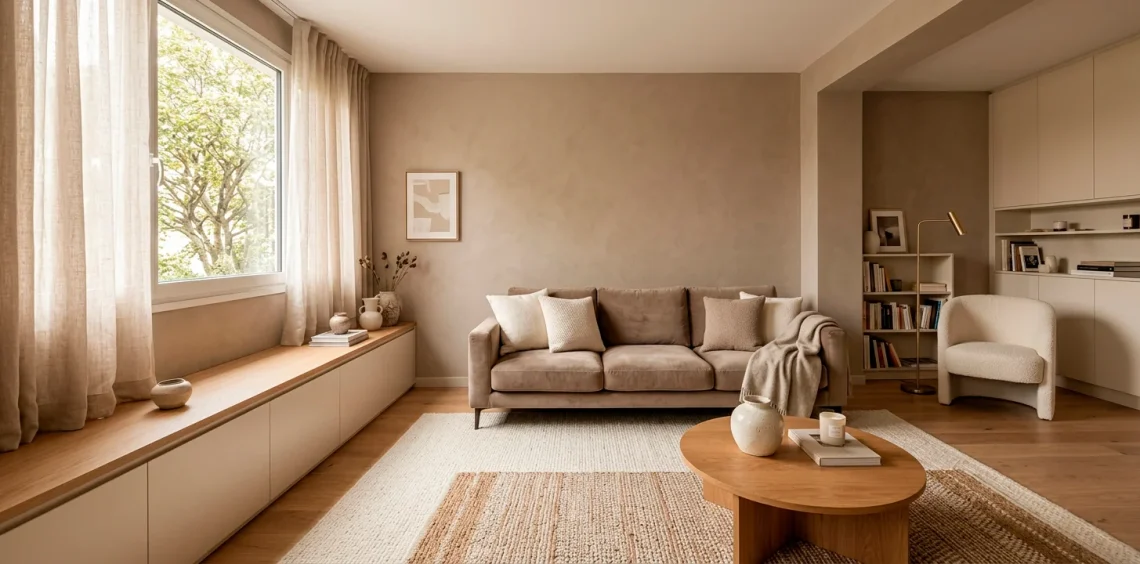
Think monochrome means matching everything exactly? Please don’t do that. You’ll end up with a terrifying, flat box. The secret lies in layering different shades and undertones of your core color. Mix an icy charcoal wall with a warm heather-grey sofa and stark silver accents. This subtle variation builds incredible depth, making your tiny footprint feel dynamic rather than claustrophobic. If you want a bit more drama, check out these striking high-contrast living room color schemes.

Texture is Your Best Friend
Without multiple colors to grab attention, your room desperately needs tactile variety. I once tried an all-white bedroom with just flat cotton bedding, and it looked like a sterile hospital room. Yikes. 😬
To fix this, go absolutely wild with contrasting materials. Combine chunky knits, sleek metals, soft velvet, and natural wood grain. This gives the eye something interesting to land on while keeping the single-color vibe intact.
Textural elements:
- Fluffy bouclé accent chairs
- Matte ceramic vases
- High-gloss painted trim
- Woven linen throw pillows
You need these layers to keep a single-color room from feeling flat.

Scale Furniture to Fit the Vibe
Shoving a massive sectional into a micro-apartment is a rookie mistake. Select low-profile furniture that visually breathes. Exposed legs on chairs and sofas create an illusion of floor space, which is crucial.
Keep the furniture finishes closely aligned with your wall color. When a bulky dresser matches the wall, it practically disappears into the background. It’s essentially camouflage for your oversized clutter! We all have that one heavy piece of furniture we absolutely need but hate looking at, right? Embrace the magic of visual flow and stop fighting your square footage.

Lighting Sets the Mood
Lighting fundamentally changes how we perceive color.
If you rely solely on that dreaded overhead boob light, your carefully curated monochrome space will look harsh and washed out. You must layer your light sources.
I recommend spreading warm pools of light around the room using floor lamps, wall sconces, and tiny accent lights. It highlights those gorgeous textures we just talked about.
Lighting essentials:
- Dimmable LED bulbs
- Sculptural table lamps
- Battery-operated picture lights
Proper illumination brings those subtle shade variations to life.

Master the Art of Restraint
When you finally commit to a monochrome theme, the temptation to buy every matching accessory in existence hits hard. Resist that urge immediately. Clutter destroys the sleek, expansive illusion of a unified palette.
Curate your decor ruthlessly. Group a few statement items together rather than scattering a million tiny trinkets across every available surface. Negative space gives your room room to breathe, which is exactly what a tiny area needs. FYI, less really is more here.

Bring Life with Subtle Greens
Can you add plants to a strictly monochrome room? Absolutely. Greenery acts as a neutral palate cleanser rather than a competing color. A singular structural plant like a tall olive tree or a cascading pothos instantly breathes life into a rigid space. Just ensure your planters match your chosen color scheme to maintain that seamless look. Trust me, skipping the vibrant terracotta pots keeps the aesthetic locked in while still letting you enjoy a touch of nature. It’s the ultimate loophole!

Hide the Chaos Strategically
Let’s be honest, we all own ugly things. Wifi routers, brightly colored paperbacks, and random charging cables ruin a curated aesthetic in seconds.
Concealed storage is your ultimate weapon. Use closed cabinets, opaque storage boxes, and under-bed drawers to hide anything that breaks your color rule.
When your environment is free of visual noise, the monochrome effect reaches its full potential. Your brain finally gets to relax because it isn’t processing a million different conflicting colors and labels. For maximum efficiency, look into these clever hidden home office solutions for small space living.

Conclusion
Designing a cohesive monochrome small space doesn’t have to feel like a straightjacket. By playing with undertones, maxing out textures, and controlling the clutter, you can create a sophisticated oasis that actually feels twice its size. Are you ready to commit to a single-color journey? Which shade are you grabbing first? Let me know in the comments!