Skip to content
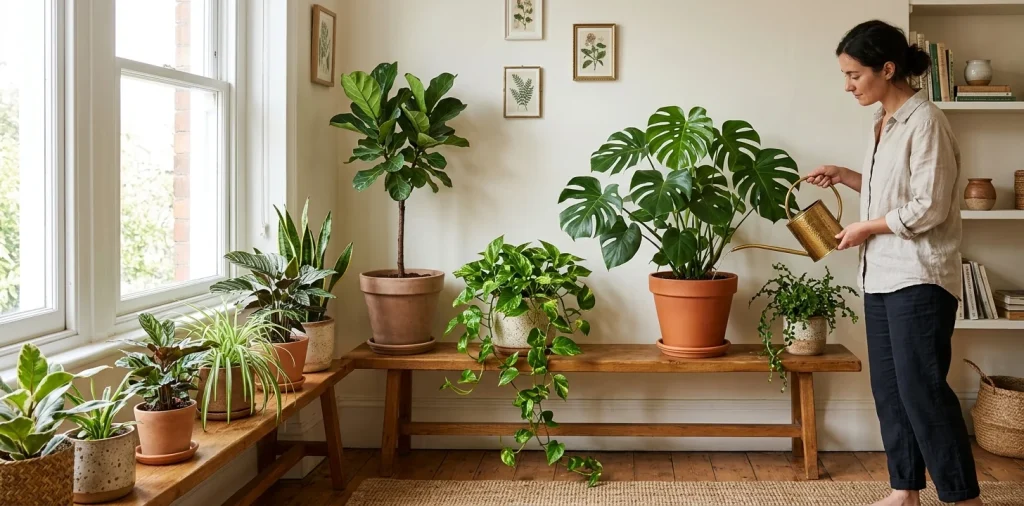
You probably bought a cute pothos last month, swore you would keep it alive, and now it looks tragically crispy. I have been there, staring at yellow leaves and wondering what went wrong. Good news: you do not lack a green thumb. You just need better watering habits, and I will walk you through every simple trick right now.
Ditch the Rigid Sunday Watering Schedule
Plants do not own calendars, so stop watering yours every Sunday morning just because it feels productive.
Early in my plant journey, I treated my poor Boston fern like a Swiss train schedule and flooded it twice a week. Spoiler: I basically composted it in its own pot. Every houseplant drinks at a different pace depending on pot size, temperature, and indoor light. Instead of obeying an app reminder, check the soil before you grab the watering can. FYI, skipping a day rarely hurts a tropical plant, while soaking soggy dirt ruins roots fast. Ask the dirt, not your phone. 🌿

Master the Two-Inch Finger Test
Forget fancy gadgets for a minute because your own hand makes the best moisture detector.
Push your index finger two inches straight down into the potting mix. Does it feel cool, dark, and damp? Walk away and let those roots breathe. Dry, crumbly soil signals that your plant actually wants a drink.
A useful little gift for your home
🎁 Free Plant Finder Tool
Filter 250+ houseplants by 6 smart criteria to find your perfect green companion.
We’ll email you the link. Plus, you’ll join our newsletter!
Hate dirt under your fingernails? Stick a plain wooden chopstick deep into the pot for ten seconds.
Pull it out and inspect the wood. Clean wood means dry soil, while dark, clumpy crumbs mean you should hold off. IMO, a cheap soil moisture meter also works great for giant floor pots where your fingers cannot reach the root ball.

Why Drainage Holes Are Non-Negotiable
Buying a gorgeous ceramic planter without a hole at the bottom feels harmless until you accidentally build a backyard swamp inside your living room. Without an exit route, excess water pools around the roots, chokes out oxygen, and invites deadly root rot. Keep your sanity intact and never plant directly into a hole-free pot. Drop the plastic nursery pot inside that pretty decorative cachepot instead, or grab a diamond drill bit and bore your own drainage holes. Your plant’s roots crave air pockets almost as much as they crave moisture, so always give extra water somewhere to escape.

Water Thoroughly, Then Ditch the Extras
Giving your monstera a polite little splash from your half-empty water glass actually stresses the plant out.
Shallow sips only wet the top inch of dirt, leaving the deeper roots bone dry and weak. Always water slowly and deeply until excess liquid pours out of the drainage holes.
Follow these three quick steps every time you hydrate:
- Pour evenly around the entire rim so every root gets a fair share.
- Wait fifteen minutes so the potting mix absorbs what it needs.
- Empty the drip tray completely because standing water breeds root rot and fungus gnats.

Bottom Watering vs. Top Watering
Plunking a pot into a shallow bowl of water sounds like lazy magic, and honestly, bottom watering works wonders for thirsty plants like peace lilies or fuzzy-leaved African violets. Soil wicks moisture upward like a sponge, encouraging roots to grow deep while keeping the top crust dry enough to deter annoying fungus gnats. Still, top watering wins for flushing out crusty fertilizer salts that accumulate in the pot over time. Ever noticed white chalky rings on your terracotta? That is salt buildup.
Which method wins? Combine both. Bottom water for three weeks, then drench from the top once a month to rinse the mix clean.

How Light and Seasons Change Plant Thirst
Light drives everything your houseplant drinks.
A fiddle leaf fig basking in a bright south-facing window burns through moisture like a marathon runner in July. Meanwhile, that ZZ plant sitting in your dim hallway barely sips a drop all month.
Seasons flip the rules all over again.
During sunny spring and summer growth spurts, plants guzzle water weekly. Once winter hits and days shrink, growth slows down, so cut back your watering schedule immediately. Need greenery that actually forgives dim corners and erratic watering? Check out our low-light bathroom plants guide.

Does Your Tap Water Secretly Hate Your Plants?
Ever pampered a spider plant or a dramatic calathea only to watch crisp brown tips ruin every leaf? Your tap water might be the culprit. Municipal water often packs chlorine, fluoride, and dissolved minerals that sensitive tropical plants simply cannot process. Luckily, you do not need to buy pricey bottled spring water to fix the issue. Collect rainwater outside, fill your can from a countertop filter pitcher, or leave tap water out overnight so chlorine gases escape before you pour. Even picky plants reward clean water with spotless foliage. 😅

Stop Guessing with Humidity and Misting
Can we finally retire the plastic spray bottle myth?
Misting your leaves feels delightfully cinematic for about four minutes, and then the moisture evaporates right back into dry indoor air. Worse yet, soggy foliage sitting in stagnant air invites ugly fungal spots overnight.
Skip the misting marathon and group humidity-loving tropicals together on a pebble tray, or run a cool-mist machine nearby. Want a unit that boosts leaf moisture without ruining your living room decor? Browse these stylish room humidifiers.

Decode Drooping Leaves Before You Panic
Seeing a sad, slumped plant triggers an instant urge to grab the watering can, yet overwatered and underwatered plants look eerily alike. A dramatic peace lily bounces right back an hour after a drink, while a drowning succulent desperately begs you to put the pitcher down and step away.
Before you flood the pot, scan these simple warning signs:
- Overwatering shows up as soft yellowing lower leaves, mushy dark stems, and damp soil that smells faintly musty.
- Underwatering shows up as crispy brown leaf tips, curling foliage, and dry dirt shrinking away from the pot rim.

Pick a Watering Can That Actually Helps
Struggling with a clunky kitchen pitcher usually ends with muddy puddles across your hardwood floors and soaked sofa cushions. Invest in a lightweight watering can with a long, narrow gooseneck spout so you can slide right beneath dense leaves and aim straight for the soil. You keep leaves dry, skip the splashes, and control every drop effortlessly. Prefer tiny shelf plants or tricky terrariums? A squeeze watering bottle with a curved nozzle costs almost nothing and delivers pinpoint accuracy without flooding delicate succulents. Good tools turn chore day into a relaxing five-minute ritual.

A useful little gift for your home
🎁 Free Plant Finder Tool
Filter 250+ houseplants by 6 smart criteria to find your perfect green companion.
We’ll email you the link. Plus, you’ll join our newsletter!
Conclusion
Keeping houseplants alive boils down to checking the dirt, using drainage holes, and watering deeply only when plants feel thirsty. Toss your rigid calendar out the window, trust your fingers, and watch your indoor jungle thrive. Which dramatic plant tests your patience most—a moody calathea or a crispy fern? Let me know in the comments! 🌱