Skip to content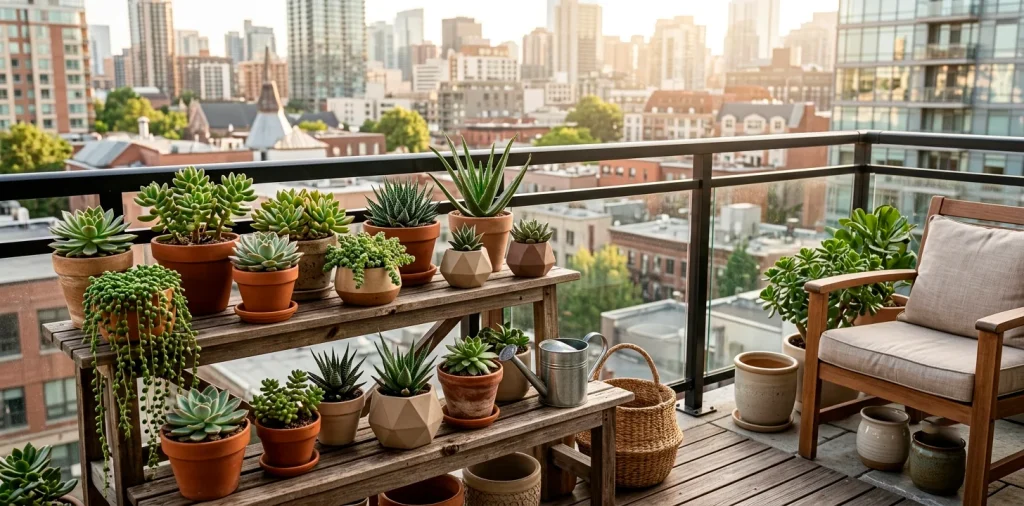
Look, I get it. You want a lush balcony oasis, but your track record with plants is sketchy at best. Enter succulents: the tough, forgiving heroes of the urban gardening world. FYI, I killed my fair share of delicate ferns before realizing these fleshy little survivors actually thrive on neglect. Stick with me, and we will transform your barren concrete slab into a thriving, low-maintenance urban jungle.
Why Succulents Are the Ultimate Urban Survivors
City living usually means dealing with wind, harsh sun, or weird microclimates. Ever wondered why standard houseplants throw a fit outside? They just cannot handle the concrete jungle. Succulents, on the other hand, evolved in harsh deserts and rocky cliffs. They practically laugh at dry air and forgotten watering schedules.
Plus, they look incredibly cool. You get bold geometric shapes, alien-looking textures, and crazy colors without needing a horticulture degree. I once left a jade plant alone during a three-week vacation, and it actually looked better when I got back.

Assessing Your Balcony’s Microclimate
Before buying anything, you need to play detective. Step outside and genuinely observe your space. Does it get blasted by afternoon sun, or is it basically a wind tunnel? Succulents love light, but a south-facing concrete balcony in July will bake them alive. Conversely, a north-facing spot might leave them stretching for rays. Figure out your lighting situation first. If your space is notoriously shady, you might want to pivot slightly; here is a great resource on finding the best colorful shade balcony plants.
A useful little gift for your home
🎁 Free Plant Finder Tool
Filter 250+ houseplants by style, size, and care level to find your perfect green companion in seconds.
We’ll email you the link. Plus, you’ll join our newsletter for fresh home inspiration.

The Holy Trinity: Soil, Drainage, and Pots
If you mess this up, nothing else matters.
Seriously, drainage is non-negotiable. Succulents sitting in soggy soil will rot faster than you can say “overwatering.”
You absolutely need a gritty, fast-draining soil mix. Skip the standard potting soil entirely. I highly recommend mixing cactus soil with perlite or pumice to create a chunky texture that lets water flow right through.
Also, always choose pots with drainage holes. Terracotta is your best friend here because it breathes, allowing excess moisture to evaporate quickly.

Top Bulletproof Succulents for Beginners
Walking into a nursery can be overwhelming. To save you some headache, start with the tough guys. These varieties can survive almost anything you throw at them.
Here are my top resilient picks for beginners:
- Jade Plant (Crassula ovata): Practically indestructible and grows like a miniature tree.
- Zebra Plant (Haworthia): Perfect for balconies that get bright, indirect light instead of blazing sun.
- String of Pearls: Excellent for hanging baskets, though they need slightly more water.
- Hens and Chicks (Sempervivum): These cold-hardy legends multiply like crazy.

Watering: The Art of Strategic Neglect
Put down the watering can. Seriously.
The quickest way to kill a succulent is by smothering it with love. These plants store water in their leaves, meaning they only need a drink when the soil is 100% bone dry. I use the “soak and dry” method. Drench the soil completely until water pours out the bottom, and then ignore the plant for two weeks.
If the leaves look plump and firm, do not water them. If they start looking slightly wrinkled or deflated, that is your cue.

Let There Be Light (But Not Sunburn)
Yes, succulents adore the sun, but shoving a greenhouse-grown plant directly into blazing July heat is a recipe for disaster. They get sunburned just like we do! You will notice crispy white or brown patches if they catch too many harsh rays too fast. Acclimate your new green friends slowly by exposing them to morning sun first, gradually increasing their direct light over a few weeks. If your plants start stretching out and looking leggy, they are begging for more light.

Dealing with Pesky Invaders
Bugs happen. It is just a part of the urban gardening experience.
The most common villains you will encounter are mealybugs. They look like tiny, fluffy bits of white cotton hiding in the crevices of your plants. If you spot them, do not panic.
Grab a cotton swab, dip it in 70% isopropyl rubbing alcohol, and literally dab the life out of them. It is weirdly satisfying, IMO.
Keep your balcony clear of dead leaves to prevent pests from setting up camp in the first place. Good airflow is your best defense against both bugs and fungal diseases.

Feeding Your Fleshy Friends
Succulents are not heavy feeders, but giving them a little boost during their active growing season pays off massively. Think of it as a shot of espresso for your plants.
Feed them once a month during spring and summer using a specialized, water-soluble cactus fertilizer diluted to half strength. Never fertilize during the winter when they are dormant. Pushing nutrients on a sleeping plant just burns their roots.

Winter is Coming: Cold Weather Prep
Depending on where you live, winter can be brutal for a balcony garden. Most fleshy succulents will turn to mush if exposed to a hard freeze. When the night temperatures start dipping below 45шF, it is time to bring the tender varieties indoors. Place them by your brightest, south-facing window. If you want to keep things outside year-round, stick strictly to cold-hardy species like *Sempervivum* or *Sedum*. Just ensure they stay relatively dry, as cold, wet soil is a guaranteed death sentence.

Styling Your Mini Oasis
Now for the fun part! Designing your balcony layout.
Utilize vertical space to maximize your footprint. Hanging macrame planters or wall-mounted shelves draw the eye upward and keep your floor clear for seating. Group pots of varying heights and textures together in clusters of three for a professional, styled look.
Do not stress about making everything look pristine. Let some trailing plants spill over the edges, and embrace a little asymmetry. If you appreciate the beauty of natural flaws and rugged textures, check out this wabi-sabi styling guide for imperfect plants.

A useful little gift for your home
🎁 Free Plant Finder Tool
Filter 250+ houseplants by style, size, and care level to find your perfect green companion in seconds.
We’ll email you the link. Plus, you’ll join our newsletter for fresh home inspiration.
Conclusion
Creating an urban jungle out of succulents is incredibly rewarding and totally achievable, even if you lack a green thumb. Remember to prioritize gritty soil, respect their need for dry spells, and give them plenty of light. Watch them thrive, multiply, and bring a much-needed dose of nature to your city life. So, which funky little succulent are you grabbing first? Let me know in the comments!