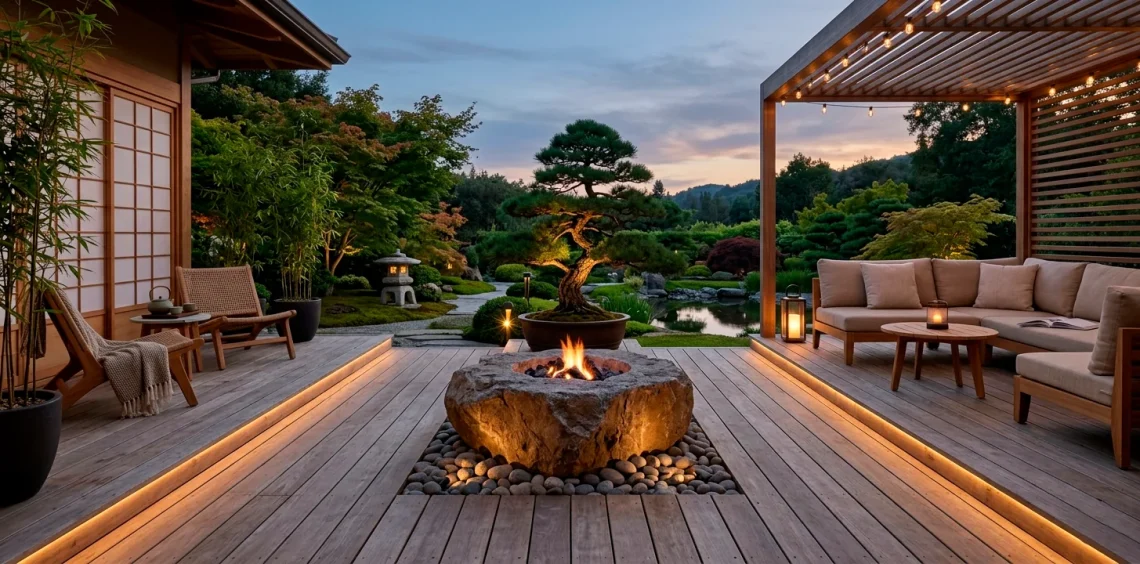
Your backyard should feel like a deep breath, not another messy chore waiting for you. I recently stared at my chaotic deck and realized I desperately needed a change. That’s when the magic of Japandi style caught my eye. Blending Japanese minimalism with cozy Scandinavian function completely transformed my space. Ready to find your absolute zen?
What Exactly Is Japandi?
Think of Japandi as the ultimate design power couple. You get the sleek, purposeful elegance of Japanese aesthetics mixed perfectly with the cozy, hygge vibes of Scandinavian design. Ever wondered why this combo works so well? It simply strips away the daily noise.
You prioritize function without sacrificing warmth. I love how this style forces you to be highly intentional. We completely ditch the loud, neon plastic chairs and embrace organic shapes, earthy tones, and absolute tranquility. It feels like a permanent vacation in your backyard.

The Brutal Art of Decluttering
You cannot create a peaceful sanctuary if you constantly trip over tangled garden hoses and abandoned pool noodles. Clear the deck completely before you buy a single new item. I seriously mean it! Throw out those cracked plastic planters and find a hidden home for your bulky landscaping tools. The Japandi philosophy relies heavily on negative space. Leaving empty areas intentionally allows your outdoor room to breathe naturally. When you remove the visual clutter, your anxious brain instantly relaxes. Trust me, tossing that rusty flamingo statue feels incredibly therapeutic.

Embrace Natural Woods and Textures
Plastic furniture strictly belongs in the 90s, IMO. 😅
To nail the Japandi look, you must anchor your patio with natural materials. Solid wood forms the true backbone of this aesthetic.
I recommend mixing light Scandinavian woods like raw ash or pale oak with darker, charred Japanese yakisugi finishes. The resulting contrast looks incredibly sophisticated and grounded.
Textures add the required coziness so the space doesn’t feel like a sterile museum. Incorporate woven rattan elements, raw concrete fire bowls, and smooth river stones. You want every surface to invite a tactile experience. When you brush your hand against a sanded cedar bench, you understand the hype.

Nailing the Neutral Color Palette
You want colors that mimic a quiet, foggy forest at dawn. Stick strictly to warm whites, muted sages, soft charcoals, and sandy beiges. Loud, aggressive patterns instantly kill the calm vibe. I recently painted my old terracotta pots a matte charcoal, and the modern upgrade totally shocked me. If you genuinely crave a pop of color, use nature to provide it through deep green foliage or subtly colored landscape stones. Keep your cushions and rugs in the earthy, neutral family. A monochromatic base lets the natural textures shine perfectly. It creates a flawless backdrop.

Add a Zen Water Feature
Sound dictates how an outdoor space feels just as much as visuals do. A busy neighborhood street completely ruins the illusion of a secluded sanctuary.
Introducing a gentle water feature effectively masks annoying background noise and introduces a deeply calming auditory layer. You certainly don’t need a massive, expensive waterfall to achieve this powerful effect.
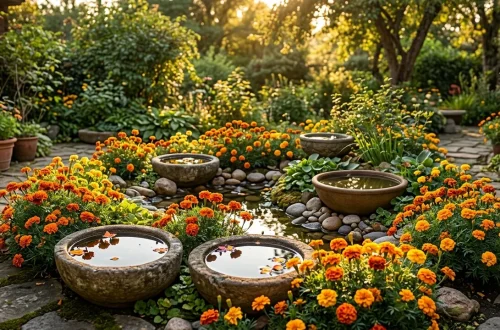
A simple stone basin with a bamboo spout works wonders. The steady trickle of water instantly lowers your heart rate. Focus on minimalist designs rather than ornate, heavy fountains. If you want to take it a step further, check out these sleek slate patio pond ideas.

Invest in Low-Profile Furniture
Traditional patio dining sets usually sit way too high and dominate your visual sightlines. Japandi style brings everything much closer to the earth. Choosing low-profile furniture creates an immediate, undeniable sense of groundedness.
Think sturdy platform wooden loungers, plush floor cushions, and sleek low coffee tables. I recently swapped my bulky iron table for a low teak piece, and the patio suddenly felt twice as large. You literally change your mental perspective when you sit closer to the ground. Plus, it makes lounging with a good book dangerously comfortable.

Curate Strategic Greenery
We desperately need to stop treating patio plants like a messy afterthought. In a beautifully designed Japandi patio, every plant acts as a deliberate living sculpture. Avoid turning your deck into a chaotic, overgrown jungle. Instead, carefully select a few striking standout specimens. A graceful Japanese maple, a meticulously pruned bonsai, or tall, slender bamboo plants make perfect focal points. Pot them in simple, unadorned ceramic vessels. The goal involves highlighting the unique, artistic shape of each branch rather than creating a massive wall of leaves.

Lighting the Mood Softly
Bright security floodlights absolutely destroy the cozy ambiance of a minimalist Japandi retreat.
You desperately need layers of soft, warm illumination to create that signature hygge magic after the sun goes down.
Design elements:
- Warm white LED bulbs only (2700K max)
- Hidden uplighting beneath tree branches
- Paper-lantern style outdoor pendants
- Minimalist matte black wall sconces
I highly recommend solar-powered frosted glass stakes for your main pathways. Avoid exposed, harsh bulbs at all costs. The light should gently wash over your rich wood textures, creating soft shadows.

Integrate Natural Privacy Screens
Nobody fully relaxes while the nosy neighbors watch them eat their morning toast. Creating a definitive sense of enclosure builds your ultimate sanctuary. Skip the generic plastic lattice and opt for natural privacy solutions. Horizontal cedar slat walls offer a very modern Scandinavian feel, while tall bamboo screens lean heavily into the Japanese aesthetic. Even a row of tall ornamental grasses in sleek rectangular planters provides excellent, breezy coverage. Building a simple wooden slat wall changed my entire outdoor experience; my patio suddenly felt like an exclusive room.

Mindful Decor Accents
We finally reached the fun part, but please proceed with serious caution! Adding decor requires intense restraint in a minimalist Japandi outdoor space.
Every single item must serve a distinct purpose. Bring out a ceramic tea set, a heavy linen throw blanket, or a beautiful piece of driftwood. If an accessory doesn’t spark pure peace, banish it immediately.
I keep a simple stone incense holder on my side table; lighting it forms a calming daily ritual. Keep accessories few and highly impactful. For more inspiration on blending aesthetics, read our seamless mid-century modern patio design guide.

Conclusion
Transforming your patio into a minimalist Japandi sanctuary completely changes how you experience your home. By embracing clean lines, natural textures, and intentional simplicity, you build a personal retreat right out back. You finally have a calm space to unplug and recharge away from the chaos. Which design element are you grabbing first? Let me know in the comments!