Skip to content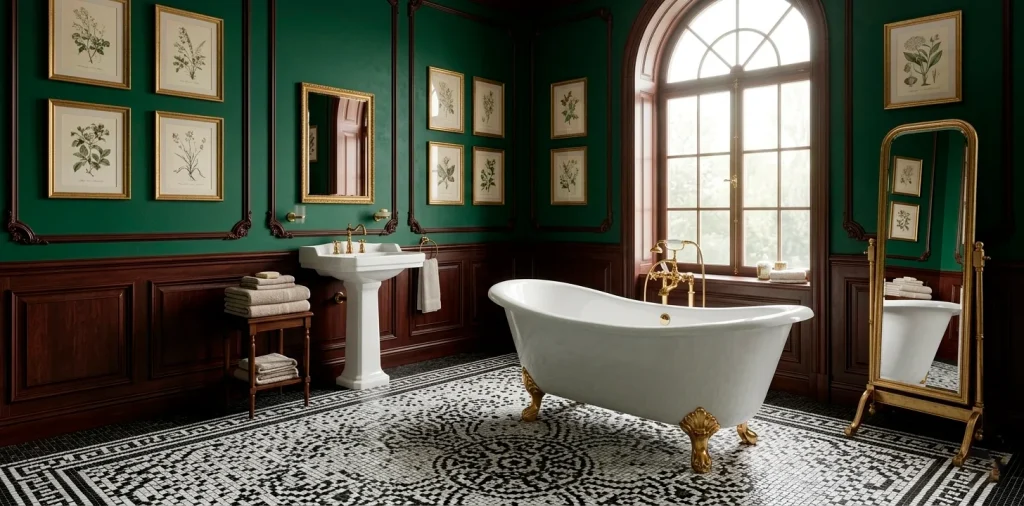
Staring at your sterile, modern bathroom feels like looking at a blank spreadsheet. Where is the soul? I spent months hunting for that perfect balance of historical charm and functionality. If you want to transform your morning routine into a royal experience, Victorian aesthetics offer the perfect escape. Let’s build a space that feels like a time machine.
The Iconic Clawfoot Tub
I believe every Victorian dream starts with a cast-iron clawfoot tub. This isn’t just a place to wash; it’s a monumental statement piece that demands your attention the second you walk in. Why settle for a plastic insert when you can have literal art?
I remember the first time I hauled one of these into my renovation project. My back still hates me, but my eyes thank me daily. You should look for eagle claw or ball-and-claw feet in polished brass or chrome to really sell the look. It grounds the entire room and provides that deep-soak luxury that modern tubs usually lack. Trust me, you won’t regret the heavy lifting once you’re submerged in bubbles.

Brass Fixtures as Room Jewelry
Think of fixtures as the jewelry of your bathroom. If you pick boring chrome from a big-box store, you basically kill the Victorian vibe before it even starts. I always advocate for unlacquered brass or oil-rubbed bronze. These materials develop a gorgeous patina over time, which gives your bathroom that lived-in, historic feel. Ever wondered why those old hotels feel so cozy? It’s the metal. Look for cross-handle faucets and exposed thermostatic shower valves. These mechanical details scream authenticity and show that you actually care about the heritage of the space. It’s the small things that separate a remodel from a transformation.
A useful little gift for your home
🎁 Free Plant Finder Tool
Filter 250+ houseplants by style, size, and care level to find your perfect green companion in seconds.
We’ll email you the link. Plus, you’ll join our newsletter for fresh home inspiration.

The Foundation of Patterned Tile
Ever wondered why some bathrooms feel ‘expensive’ while others feel ‘builder-grade’? It’s usually the floor. Victorian homes mastered the art of the black and white penny tile or the intricate hexagon mosaic.
I love how a simple border pattern defines the space. You don’t need a massive budget, just a commitment to small details.
IMO, the floor should tell a story. Do you want a classic basketweave or a bold floral motif? I always suggest opting for matte finishes.
Shiny tiles can look a bit too ‘modern-trying-too-hard’, and we definitely want to avoid that. Focus on high-contrast geometric shapes to keep the eye moving. These patterns hide dirt surprisingly well, which is a win for anyone who actually lives in their home.

Elevated Pull-Chain Toilets
Let’s talk about the porcelain throne. Most people ignore the toilet, but a high-tank pull-chain toilet adds instant historical credibility. It creates a vertical element that pulls the eye upward, which makes even small bathrooms feel much grander. Does it sound a bit extra? Maybe. But who doesn’t want to feel like they’re in a fancy London hotel from 1890? I installed one last year and the ‘clink’ of the chain is oddly satisfying. Just ensure you have the wall height to support the tank. It’s a functional conversation piece that guests will definitely mention during dinner parties.

Marble-Top Vanities and Washstands
Victorian elegance thrives on natural materials. I suggest replacing that laminate cabinet with a marble-top washstand or a repurposed antique dresser. The cool touch of Carrara marble paired with dark wood creates a high-end contrast that never goes out of style.
I find that open washstands work best for making small rooms feel airy. You can stack fluffy white towels on the lower shelf for that spa-like feel.
If you prefer more storage, look for vanities with recessed panels and bun feet. These architectural details mimic the furniture styles of the late 19th century and provide a sturdy, permanent look to the room. 🛁

Dramatic Mood Lighting
Please, I beg you, turn off the harsh overhead recessed lights. Victorian spaces require layered mood lighting to feel authentic. I love using milk glass schoolhouse pendants or ornate brass wall sconces flanking the mirror.
Light should feel warm and soft, almost like candlelight. I recommend installing a dimmer switch for everything. FYI, a well-placed chandelier over the tub can transform a simple bath into a cinematic experience. It adds that touch of ‘unnecessary’ luxury that defines the Victorian era. Just make sure your electrician approves the placement for safety reasons, of course.

Ornate Mirrors and Wall Decor
A Victorian bathroom needs a focal point above the sink. I suggest ditching the frameless glass for a heavy, gilded mirror with intricate carvings. It adds depth and bounces light around the room beautifully.
Don’t stop at the mirror, though. I love hanging framed botanical prints or vintage oil paintings in the bathroom. Why should the living room have all the fun?
Mixing different frame styles creates a curated gallery feel. I suggest looking into antique mirror ideas to finish your wall gallery.
Just ensure you seal your art properly to protect it from the inevitable humidity of your long, steaming showers. 😎

Lush Textiles and Linens
Hard surfaces dominate bathrooms, so you need to soften things up with high-quality textiles. I suggest opting for thick, white cotton towels with monogrammed details or lace edging. If you have a window, a heavy velvet curtain or a simple Roman shade in a floral print adds that essential layer of Victorian ‘fussiness’ that makes the room feel complete. I personally prefer floor-length drapes in a moody shade like burgundy or forest green to frame the tub. It creates a sense of privacy and luxury that makes you feel shielded from the modern world outside.

Apothecary Jars and Styling
Your modern plastic soap dispensers are killing the vibe. I always swap them for glass apothecary jars and ceramic soap dishes. These small containers hold cotton balls, bath salts, and sponges while looking incredibly chic on a marble counter.
I love hunting for these at thrift stores. You can find unique shapes that look like they came straight from a 19th-century pharmacy.
Group them in threes on a silver tray for a professional, styled look. It keeps your essentials organized without cluttering the visual field. It’s all about creating a curated experience.

Moody Color Palettes
Victorian design isn’t afraid of the dark. While many people stick to white for cleanliness, I find that deep, moody hues like plum, navy, or hunter green create a much more intimate atmosphere. These colors make the white porcelain of the tub and sink pop with incredible intensity. Don’t be afraid to paint the ceiling too!
If you want more inspiration for small, dark spaces, check out this black powder room guide for extra tips. It helps to keep the lower half of the walls lighter with white beadboard or wainscoting to balance the drama of the dark paint above.

A useful little gift for your home
🎁 Free Plant Finder Tool
Filter 250+ houseplants by style, size, and care level to find your perfect green companion in seconds.
We’ll email you the link. Plus, you’ll join our newsletter for fresh home inspiration.
Conclusion
Creating a Victorian-inspired bathroom doesn’t mean you have to live in a museum. By mixing classic elements like clawfoot tubs and brass fixtures with modern comfort, you build a space with character. I hope these tips help you reclaim the soul of your home. Which of these pieces are you adding to your wishlist first? Let me know in the comments!