Skip to content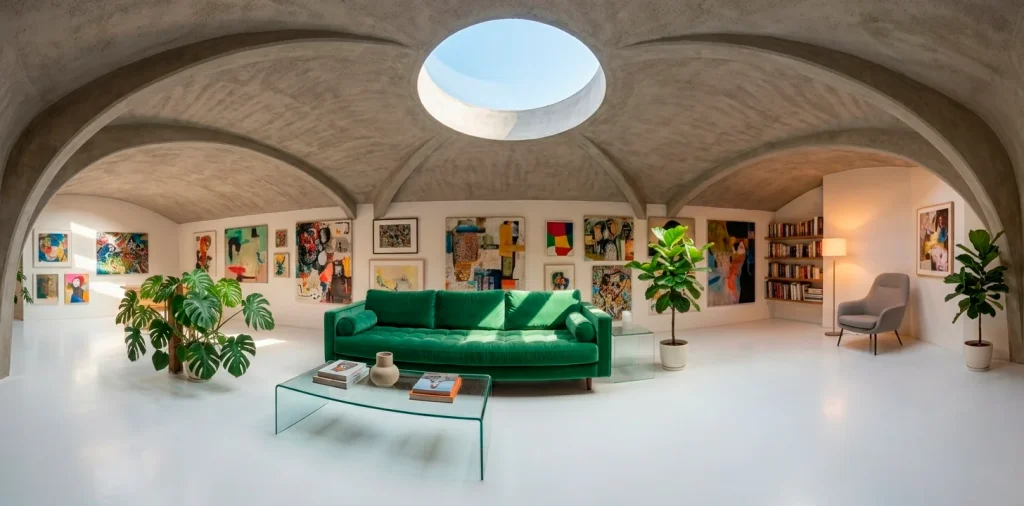
That dusty triangle above your head holds more potential than a winning lottery ticket. I remember staring at my own cobweb-filled rafters, wondering if I could actually turn a cramped storage space into something magazine-worthy. Most people see a dark cave, but I see a playground for design. We aren’t just talking about a guest room; we are crafting a vibe that bridges centuries. Ready to reclaim your top floor? Let’s turn that neglected height into the coolest spot in the house without losing its historical soul.
Pair Raw Wooden Beams with Neon Lights
Nothing says ‘I know what I’m doing’ quite like the clash of 200-year-old oak and a buzzing pink neon sign. I love how the warm, organic texture of original rafters grounds the electric energy of modern lighting. It feels rebellious yet sophisticated. Why settle for a boring floor lamp when you can hang a custom quote in glowing gas?
This setup works because the wood provides a neutral, historical backdrop that prevents the neon from looking like a dive bar. It transforms a structural necessity into a focal point. You simply cannot ignore the visual tension here.
Must-have glowing elements:
- Custom script neon wall signs
- Industrial LED strip backlighting
- Dimmable vintage-style neon tubes
- Minimalist geometric light sculptures

Introduce Ghost Chairs to Antique Desks
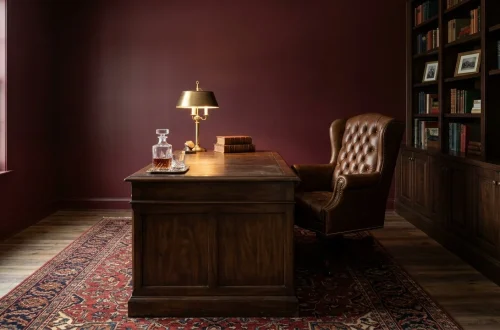
Try pairing a heavy, ornate Victorian desk with a crystal-clear acrylic chair. This trick solves the ‘clunky’ problem often found in small attic footprints. The transparent furniture lets the floor space breathe while highlighting the craftsmanship of the old wood. I find that this combination keeps the room feeling light even if your ceilings are low.
A useful little gift for your home
🎁 Free Plant Finder Tool
Filter 250+ houseplants by style, size, and care level to find your perfect green companion in seconds.
We’ll email you the link. Plus, you’ll join our newsletter for fresh home inspiration.
Eclectic office essentials:
- Transparent acrylic Louis XVI chairs
- Hand-carved mahogany writing desks
- Modern gold desk organizers
- Vintage brass inkwells

Create an Urban Jungle Under Skylights
Attics usually offer the best light in the house, so why not exploit it? I’ve seen people turn their rafters into hanging gardens that make you feel like you’re in a treehouse. The green leaves pop beautifully against white walls and aged timber.
Plants soften the sharp angles of a sloped roof. They add life to a space that often feels isolated from the rest of the home. Just make sure you check the heat levels; attics can get toasty in the summer, and your ferns might not appreciate the sauna vibes. FYI, succulents love the extra sun up here! ✨
Greenery goals:
- Hanging macrame plant holders
- Tall potted fiddle leaf figs
- Trailing ivy along wooden beams
- Multi-tiered metal plant stands

Repurpose Vintage Trunks for Modern Storage
Old steamer trunks aren’t just for storing grandma’s moth-eaten sweaters. They make incredible coffee tables or end-of-bed benches that scream ‘world traveler.’ I personally use a stacked pair of weathered leather trunks to hide my messy printer and office supplies. It’s functional camouflage at its best.
Ever thought about how much character a beat-up latch adds to a room full of IKEA furniture? It grounds the space. If you want to dive deeper into this specific look, check out these repurposing vintage trunks dressing room ideas.

Master the Slanted Gallery Wall
Sloping ceilings usually terrify people, but I view them as an opportunity for an epic art display. Don’t let the angle stop you. You can mount frames directly to the pitch using specialized hardware.
I suggest mixing modern abstract prints with vintage oil paintings. This creates a curated, ‘found over time’ aesthetic that feels organic.
Why does this work? It draws the eye upward and makes the ceiling height feel intentional rather than restrictive. Just ensure you use lightweight frames so gravity doesn’t ruin your afternoon.
Gallery wall tips:
- Mix gold ornate frames with thin black metal ones
- Use adhesive strips for secure angled mounting
- Group art by color palette for a cohesive feel
- Leave a few gaps to prevent visual clutter

Anchor the Space with Mid-Century Modern Vibes
The clean lines of a 1950s sideboard look stunning against the chaotic, rustic texture of an attic’s original brickwork. I love the way tapered legs lift furniture off the floor, making the small room feel much larger.
IMO, a walnut credenza is the ultimate ‘bridge’ piece. It has enough warmth to match old wood beams but enough ‘cool factor’ to feel contemporary. Do you ever feel like your furniture is too ‘heavy’ for a small space? MCM solves that instantly.

Contrast Industrial Metal with Velvet
If your attic features steel supports or pipes, don’t hide them. Embrace the grit! I recommend throwing a plush, jewel-toned velvet sofa right next to those cold metal beams. The softness of the fabric makes the industrial elements feel like a deliberate design choice rather than an unfinished construction site. It’s all about balance.

Pop Art in a Historic Shell
Imagine a bright Andy Warhol-style print hanging on a wall made of hand-hewn timber. That’s the dream, right? This juxtaposition keeps the attic from feeling too ‘cottage-core’ or dusty.
Bold colors prevent the dark corners of an attic from feeling gloomy. I like to pick one dominant color from the art and repeat it in small accents like pillows or vases.
Ways to add pop:
- Oversized graphic canvases
- Brightly colored throw pillows
- Primary color accent chairs
- High-gloss lacquered trays

Design the Ultimate Reading Nook
Attics and books go together like coffee and Sunday mornings. The quiet, secluded nature of the top floor makes it the perfect escape from household noise. I built a nook into the eaves of my space, and it’s easily my favorite spot.
You only need a few key elements to make this work. A comfortable seat and good lighting are non-negotiable. If you’re building your own sanctuary, you might want to look at these 10 must-have reading nook elements for inspiration.

Optimize with a Minimalist Platform Bed
Low ceilings? No problem. A minimalist platform bed keeps your sleeping area close to the floor, leaving plenty of vertical space. I hate bulky headboards in attics; they just make the walls feel like they’re closing in on you.
Skip the box spring and go for a sleek frame. This keeps the aesthetic clean and modern, allowing the architectural quirks of the attic to take center stage.
Platform bed perks:
- Creates an illusion of height
- Modern, clean aesthetic
- Built-in storage options often available
- Easy to assemble in tight spaces

Layer Antique Rugs on Painted Floors
If your attic floorboards are a mess, paint them a crisp white or a moody charcoal. Then, toss down a few faded Persian rugs. This layering technique hides imperfections while adding a layer of sophisticated ‘old world’ charm to a freshly updated space. I’ve done this in three different homes, and it never fails to impress visitors. It feels expensive without the massive renovation bill.

Add Brass Fixtures to Raw Brick
Metal meets masonry in the most beautiful way. I love installing sleek brass sconces directly onto old, unsealed brick walls. The shiny, polished metal makes the rough brick look intentional and high-end. It’s like putting jewelry on a construction site. Ever noticed how much better gold looks against a matte background? That’s the secret sauce here.

Experiment with Statement Wallpaper
Because attics have small wall surfaces, you can go bold with wallpaper without it becoming overwhelming. I suggest a dark floral or a bold geometric pattern on the far gable wall. It creates a ‘destination’ feel in the room.
Wallpaper adds a tactile quality that paint just can’t match. It also helps disguise some of those weird lumps and bumps often found in older attic walls.
Wallpaper styles to try:
- Moody botanical prints
- Art Deco gold geometrics
- Subtle linen-textured peels
- Retro oversized florals

Set Up a Retro Record Station
An attic is the ultimate place for a music den. The slopes actually help with acoustics! I love placing a vintage-inspired record player on a sleek metal stand. It encourages you to slow down and actually listen to an album.
You don’t need a massive setup. A few crates of vinyl and a comfortable stool turn a weird corner into a cool hangout. Plus, it gives you a reason to escape the chaos downstairs.

Use Upcycled Doors as Room Dividers
Attics are often big, open boxes. If you need to separate a sleeping area from a workspace, don’t build a permanent wall. I recommend using old, weathered doors on a sliding barn track.
This adds a huge amount of vertical character. It feels historic, yet the sliding mechanism is completely modern. It’s the ultimate eclectic flex.
Partition ideas:
- Reclaimed barn wood doors
- Antique French doors with glass panes
- Industrial metal-framed glass dividers
- Slatted wooden screens for airflow

A useful little gift for your home
🎁 Free Plant Finder Tool
Filter 250+ houseplants by style, size, and care level to find your perfect green companion in seconds.
We’ll email you the link. Plus, you’ll join our newsletter for fresh home inspiration.
Your Attic Awaits
Reclaiming your attic isn’t just about adding square footage; it’s about adding personality to your home. By mixing those crusty old beams with sleek modern furniture, you create a space that feels both grounded and fresh. Don’t be afraid to experiment with bold art or weird angles. Which of these ideas are you trying first? Let me know in the comments, and happy decorating! ✨