Skip to content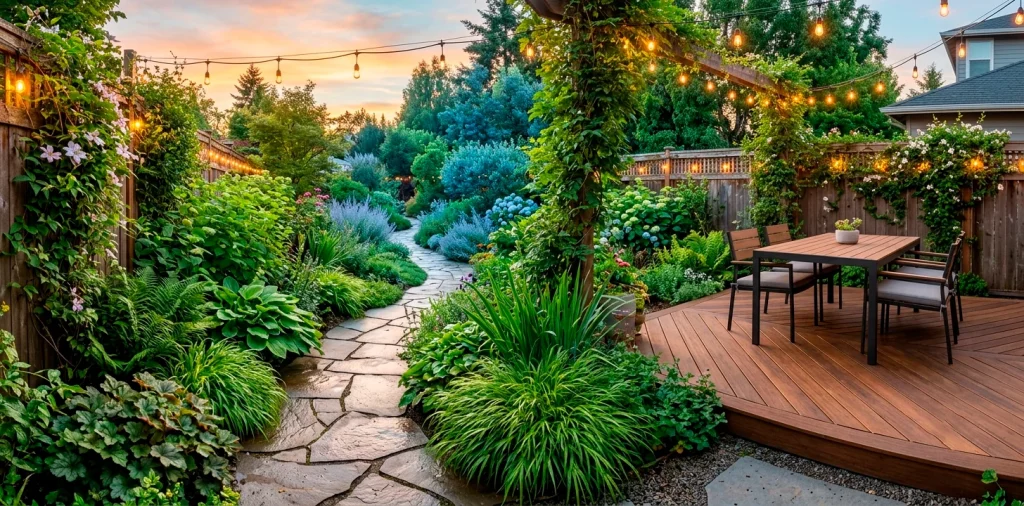
Tired of looking at your tiny backyard and feeling entirely claustrophobic? I totally get it. We all crave that sprawling estate vibe, but sometimes reality hands us a postage stamp. Don’t panic! You do not need a bulldozer or a magic wand to fix this. Let’s explore some brilliant optical illusions to make your yard look bigger without buying more land.
The Winding Path Trick
Straight lines are the absolute enemy of small outdoor spaces. If you slap a straight concrete walkway right down the middle, the eye instantly measures the exact distance to your back fence. That is a total rookie mistake, FYI. You immediately broadcast exactly how cramped the property actually is!
Instead, force the eye to meander. Laying out garden stepping stones along a curved or zigzagging walkway tricks your brain into thinking the journey is way longer than it actually is. Curved pathways create genuine mystery. I tried this in my cramped side yard, and suddenly it felt like a magical botanical stroll. Want to see this in action? Take a peek at these 15 hidden garden path ideas for a backyard oasis.


TierraVerde Rubber Stepping Stones, Natural Rock Look, 18"x22", 4-Pack | Outdoor Faux Stone Decorative Set for Landscaping & Gardening, DIY Decor for Walkways, Yard & Garden Pathways
View on AmazonCERTAIN CONTENT THAT APPEARS ON THIS SITE COMES FROM AMAZON. THIS CONTENT IS PROVIDED “AS IS” AND IS SUBJECT TO CHANGE OR REMOVAL AT ANY TIME.
Forced Perspective Planting
Ever wonder how theme parks make fake mountains look incredibly tall? They use the magic of forced perspective.
You can absolutely steal this technique for your own landscaping. The rule is ridiculously simple, yet shockingly effective. Place your largest, broad-leaf plants up close near your patio in large outdoor planters.
A useful little gift for your home
🎁 Free Plant Finder Tool
Filter 250+ houseplants by style, size, and care level to find your perfect green companion in seconds.
We’ll email you the link. Plus, you’ll join our newsletter for fresh home inspiration.
As you move toward the back property line, gradually transition to smaller and finer-textured plants. Think delicate ferns or tiny boxwoods at the very end.
This artificial shrinking drastically exaggerates the depth of field. Your brain assumes those tiny shrubs in the back are just massive bushes miles away! It completely scrambles your depth perception.

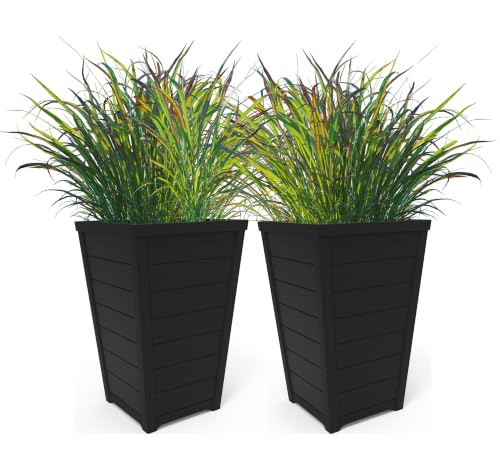
Keter Set of 2 Resin Modern Outdoor 22 Inch Tall Large Flower Pots, Tapered Wood Look Planters for Outdoor Plants and Front Porch Decor, Graphite
View on AmazonCERTAIN CONTENT THAT APPEARS ON THIS SITE COMES FROM AMAZON. THIS CONTENT IS PROVIDED “AS IS” AND IS SUBJECT TO CHANGE OR REMOVAL AT ANY TIME.
Strategic Mirror Placement
Yes, outdoor mirrors are totally a thing. Hanging a massive, weatherproof mirror on a boundary wall is arguably the biggest cheat code in landscape design. Mirrors instantly double your visual square footage. Just angle it slightly so it reflects lush greenery instead of your neighbor's ugly AC unit! I hung an arched outdoor garden mirror on my drab wooden fence last summer, and my guests legitimately thought it was an open gateway to a secret garden. Make sure you buy shatterproof acrylic versions if you have rogue baseballs flying around your neighborhood.


MirrorOutlet The Arcus - Black Metal Framed Modern Arched Garden Wall Mirror 32" X 19" (83CM X 48CM) Black. 2cm Wide Frame and 3cm Deep.
View on AmazonCERTAIN CONTENT THAT APPEARS ON THIS SITE COMES FROM AMAZON. THIS CONTENT IS PROVIDED “AS IS” AND IS SUBJECT TO CHANGE OR REMOVAL AT ANY TIME.
Color Grading Your Foliage
Colors play dirty tricks on our brains. Warm colors naturally advance toward the viewer, while cool colors softly recede into the background. Who knew color theory was so handy outside the canvas?
So, how do we exploit this scientific quirk? Plant fiery reds, brilliant yellows, and vibrant oranges in the immediate foreground. Keep energetic marigold seeds and fiery coleus right near your main seating area.
Push the cool blues, soft purples, and silvery greens like artemisia to the far back borders. Those chilly hues fade into the atmospheric haze, effectively blurring the exact location of your property line. It literally pushes your fence backward!


The Old Farmer's Almanac Petite Mixture Marigold Seeds - Premium Non-GMO, Open Pollinated, USA Origin - Approx 200 Flower Seeds
View on Amazon
Clovers Garden Artemisia Silver Mound Plants – Two (2) Live Plants – Non-GMO - Not Seeds - Each 4" to 8" Tall – in 4" Inch Pots – Perfect Edging Plant, Tolerates Drought
View on AmazonCERTAIN CONTENT THAT APPEARS ON THIS SITE COMES FROM AMAZON. THIS CONTENT IS PROVIDED “AS IS” AND IS SUBJECT TO CHANGE OR REMOVAL AT ANY TIME.
The Diagonal Decking Hack
Decking running strictly parallel to your house simply emphasizes the boxy, restrictive shape of your yard. If you lay your deck boards or patio pavers on a 45-degree diagonal angle instead, you instantly stretch the visual space.
Why does this work so beautifully? Diagonal lines are the longest paths you can draw across a square footprint. They draw the eye out toward the far corners, making the entire deck feel significantly wider. Sure, your contractor might grumble about making extra angled cuts with a compound miter saw, but the expansive result is definitely worth the minor headache.


DEWALT 12-inch Double Bevel Miter Saw (DWS780) | XPS LED Shadow Light System, Includes Blade Wrench, Material Clamp and Dust Bag
View on AmazonCERTAIN CONTENT THAT APPEARS ON THIS SITE COMES FROM AMAZON. THIS CONTENT IS PROVIDED “AS IS” AND IS SUBJECT TO CHANGE OR REMOVAL AT ANY TIME.
Multi-Level Terracing
A flat, unbroken plane reads as one tiny zone. Breaking a sloping yard into two or three shallow terraces totally disrupts that quick visual scan. Suddenly, your brain processes “upper dining area” and “lower lounge area” as two entirely distinct destinations. Creating different zones adds undeniable complexity. Even a modest six-inch step down to an outdoor fire pit drastically alters the perceived scale. It literally slows down the eye, forcing it to take in much more information. Seriously, terracing gives you a multidimensional landscape instead of a boring flat pancake.


Sunnydaze Crossweave 36" Large Outdoor Fire Pit, Wood Burning, Round | Black, Heavy Duty Steel Metal, Patio Fire Pit with Spark Screen, Poker, & Cover, Wood Firepit for Outside, Backyard, or Deck
View on AmazonCERTAIN CONTENT THAT APPEARS ON THIS SITE COMES FROM AMAZON. THIS CONTENT IS PROVIDED “AS IS” AND IS SUBJECT TO CHANGE OR REMOVAL AT ANY TIME.
Skinny Furniture Wins
Bulky, oversized outdoor sectional sofas belong in massive celebrity backyards, not cramped suburban patios.
Swap those heavy resin wicker chunks for slender, open-frame metal furniture.
When you can actually see the patio pavers flowing beneath your chairs, the entire area instantly feels less congested. Visual weight matters immensely in tight quarters.
Slim furniture profiles to consider:
- Mid-century wire lounge chairs
- PE rattan and metal French bistro tables
- Leggy teak outdoor benches
You keep all the necessary seating capacity without entirely suffocating the precious square footage you have available!


WENTUM 35.2" Outdoor French Bistro Table, All-Weather PE Rattan Patio Dining Table w/Sturdy Metal Frame & Adjustable Foot Pads for Poolside Backyard Garden Balcony, Blue/White
View on Amazon
A-ECO LIVING OTSUN Teak Bench Outdoor, 2-Person Wood Garden Bench with 800lb Capacity All-Weather Durable Fade-Resistant, Suitable for Courtyard Lawn Park Porche Backyard Patio & Deck
View on AmazonCERTAIN CONTENT THAT APPEARS ON THIS SITE COMES FROM AMAZON. THIS CONTENT IS PROVIDED “AS IS” AND IS SUBJECT TO CHANGE OR REMOVAL AT ANY TIME.
The “Hidden” Fence Technique
White picket fences are adorable, but they scream “Look at my exact boundaries!” If you paint your boundary fences a dark charcoal, black, or deep forest green, they miraculously disappear into the background.
Dark colors absorb light and act like a theatrical shadow. Your eye glosses right over dark fences, focusing instead on the vibrant plants positioned in front of them. It gives the illusion that the foliage simply continues into a dark, endless forest. Trust me, grabbing a durable black exterior paint feels terrifying at first, but the payoff is absolute magic.


EVOLVE Barn & Fence Paint, Flat (Black), 1 Gallon – Durable Scratch-Resistant Wood Coating for Outbuildings & Fences, Fast-Dry Water-Based Formula
View on AmazonCERTAIN CONTENT THAT APPEARS ON THIS SITE COMES FROM AMAZON. THIS CONTENT IS PROVIDED “AS IS” AND IS SUBJECT TO CHANGE OR REMOVAL AT ANY TIME.
Vertical Gardening Magic
When you lack horizontal real estate, you absolutely must build up. Draw the viewer’s eye straight toward the sky!
Install tall wooden garden trellises, cascading outdoor hanging baskets, or lush living green walls. Vertical elements immediately create an illusion of immense volume.
By encouraging jasmine or ivy vines to climb aggressively up the sides of your home, you distract completely from the narrow width of the ground. It surrounds you in greenery, creating a towering canopy that feels incredibly grand. Plus, it perfectly hides those ugly neighbor views!


Expandable Garden Trellis, 38"x89" Trellis for Climbing Plants Outdoor 1Pcs | Heavy-Duty Wooden Lattice for Ivy, Vines, Roses & Clematis, Ideal for Garden Fence, Wall, Patio & Room Decor — Brown
View on Amazon
LA JOLIE MUSE Hanging Planter Baskets for Outdoor Plants, Set of 2, 13 Inch | Large Hanging Baskets with Drainage Holes, Rust-finish Hanging Planters for Windows, Porches, Balconies, Gardens, Patios
View on AmazonCERTAIN CONTENT THAT APPEARS ON THIS SITE COMES FROM AMAZON. THIS CONTENT IS PROVIDED “AS IS” AND IS SUBJECT TO CHANGE OR REMOVAL AT ANY TIME.
Oversized Planter Trick
Clutter is the undeniable enemy of spaciousness. A sprawling collection of twenty tiny, mismatched terracotta pots just makes a small patio look messy and chaotic.
Instead, invest your budget in just two or three massive, statement-making planters. Fewer, larger items make a space feel decidedly intentional and uncluttered. A giant modern trough planter looks incredibly commanding, especially when filled with tall architectural grasses. It gives the area a luxurious vibe while keeping the ground plane blissfully clear of annoying tripping hazards.


PolyStone Riviera Rectangular Trough Planter – 46" x 17" x 12" – Large Lightweight Indoor/Outdoor Planter Box – Modern Stone-Look Resin – Durable w/Drainage Holes – Made in USA – Concrete Gray
View on Amazon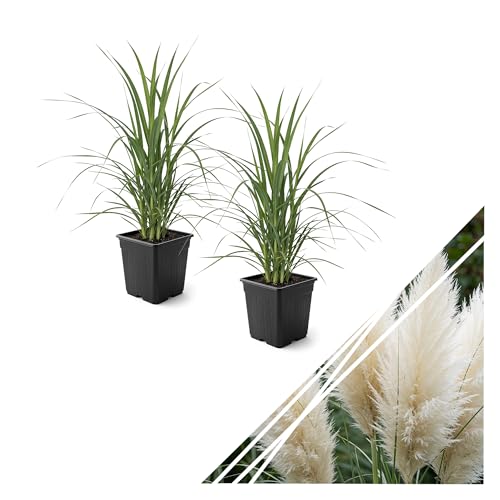
Ornamental Pampas Grass (Cortaderia selloana) (2 Pack) - White, Live Perennial Accent Plant, 10" Tall by 5" Wide in 1.5 Qt Pot
View on AmazonCERTAIN CONTENT THAT APPEARS ON THIS SITE COMES FROM AMAZON. THIS CONTENT IS PROVIDED “AS IS” AND IS SUBJECT TO CHANGE OR REMOVAL AT ANY TIME.
Artificial Elevation with Arbors
Framing a specific view does wonders for depth perception. Placing a tall garden arbor or a stylish pergola midway down the yard creates a distinct foreground and background. It acts as a literal picture frame for whatever lies beyond. Even if there is only a tiny patch of grass behind that arbor, your brain registers it as an entirely separate destination waiting to be explored. Applying a coat of weather-resistant exterior paint in a contrasting color makes it stand out, drawing the eye right through its structural opening. It is a brilliant architectural fake-out!


Giantex 85" Wooden Garden Arch Trellis, Wood Flat Top Garden Arbor | Wedding Archway for Climbing Plants, Roses & Vines, Outdoor Arbor Pergola for Ceremony, Backyard Lawn Patio Decoration
View on Amazon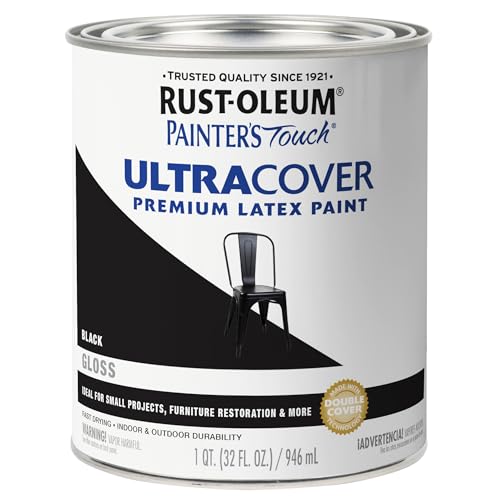
Rust-Oleum Painter's Touch Latex Brush-On Paint, Gloss Black | Interior/Exterior Durability, Multi Surface (Metal, Wood and More), Fast Dry, Chip and Fade Resistant, Quart
View on AmazonCERTAIN CONTENT THAT APPEARS ON THIS SITE COMES FROM AMAZON. THIS CONTENT IS PROVIDED “AS IS” AND IS SUBJECT TO CHANGE OR REMOVAL AT ANY TIME.
Layered Lighting for Depth
A single harsh security floodlight completely flattens your yard into a terrifying two-dimensional nightmare.
To create massive visual depth at night, you desperately need layered, strategic landscape lighting.
Use soft, warm outdoor spotlights for uplighting on your tallest trees in the far back corners. This effectively pushes the boundaries out into the darkness.
Then, add low-voltage pathway lights to softly illuminate the immediate foreground. This creates dramatic, theatrical layers of light, ensuring your yard looks like a sprawling estate long after sunset.

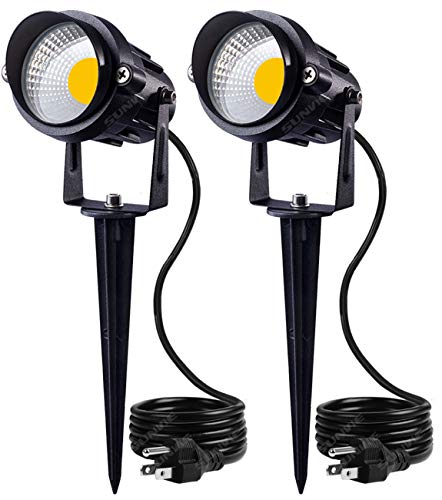
SUNVIE Outdoor Landscape LED Lighting 12W Waterproof Garden Lights COB Led Spotlights with Spiked Stand for Lawn Decorative Lamp US 3- Plug 3000K Warm White (2 Packs)
View on Amazon
LEONLITE 12-Pack 3W LED Low Voltage Path Lights Aluminum 3000K Black | Landscape Pathway Lights, Outdoor Landscape Lighting for Driveway, Garden, 12-24V AC/DC, ETL, IP65 Waterproof, Warm White
View on AmazonCERTAIN CONTENT THAT APPEARS ON THIS SITE COMES FROM AMAZON. THIS CONTENT IS PROVIDED “AS IS” AND IS SUBJECT TO CHANGE OR REMOVAL AT ANY TIME.
The Focal Point Fake-Out
Without a clear focal point, the human eye wanders aimlessly and quickly zeroes in on the cramped, restrictive boundaries.
Place a striking, attractive object at the absolute furthest point of your property line. A brightly colored ceramic birdbath or an elegant trickling fountain works beautifully.
This instantly pulls the viewer’s gaze completely across the available space. They process the maximum possible distance immediately, making the area feel wonderfully elongated. It is basically the landscape equivalent of putting a shiny object at the end of a tunnel.


Alpine Corporation 25" Tall Outdoor Ceramic Antique Pedestal Birdbath with 2 Bird Figurines, Turquoise
View on AmazonCERTAIN CONTENT THAT APPEARS ON THIS SITE COMES FROM AMAZON. THIS CONTENT IS PROVIDED “AS IS” AND IS SUBJECT TO CHANGE OR REMOVAL AT ANY TIME.
Scale Down Your Hardscaping
Huge 24-inch patio pavers look amazing, but they entirely devour small spaces. If a patio can only fit four giant pavers across, your brain registers it as a tiny area. Switch to smaller cobblestones, classic red bricks, or decorative pea gravel. Using smaller individual materials artificially scales up the overall surface area. The eye counts more individual pieces and assumes the total space is vastly larger. It’s a subtle psychological trick, but it totally works. Want to try gravel instead? Read up on nailing that minimalist succulent gravel landscaping retro look for a stunning transformation.


40 LBS Grey Pea Gravel - Landscape Rocks - Drainage Rock - Gardening - Average Size 3/8 inch - 1/4 inch Stone
View on AmazonCERTAIN CONTENT THAT APPEARS ON THIS SITE COMES FROM AMAZON. THIS CONTENT IS PROVIDED “AS IS” AND IS SUBJECT TO CHANGE OR REMOVAL AT ANY TIME.
Blur the Edges
Sharp, highly manicured lawn edges certainly look incredibly neat, but they ruthlessly define the exact, tiny footprint of your grass. Try letting your border plants playfully spill over onto the lawn or patio edges instead using flexible garden edging as a guide.
Soft, irregular boundaries successfully blur the harsh transitions between zones. When the exact starting and stopping points are obscured by tumbling creeping thyme or massive draping hostas, the yard feels organic and boundless. Strict geometry always shrinks; wild, overflowing abundance endlessly expands. Let things get a tiny bit unruly out there!


Amazon Basics Flexible Landscape Edging Coil for Garden Border, Flower Beds, Lawn and Pathways, 5 inch x 40ft, Brown, 10 Stakes
View on Amazon
32000+ Purple Creeping Thyme Seeds for Planting, Thymus Serpyllum
View on AmazonCERTAIN CONTENT THAT APPEARS ON THIS SITE COMES FROM AMAZON. THIS CONTENT IS PROVIDED “AS IS” AND IS SUBJECT TO CHANGE OR REMOVAL AT ANY TIME.
A useful little gift for your home
🎁 Free Plant Finder Tool
Filter 250+ houseplants by style, size, and care level to find your perfect green companion in seconds.
We’ll email you the link. Plus, you’ll join our newsletter for fresh home inspiration.
Conclusion
You absolutely do not need acres of land to create a stunning, breathable outdoor retreat. By simply playing with perspective, colors, and scale, you can totally rewire how your brain perceives your backyard. It is all about tricking the eye and working smarter, not harder. Which of these clever optical illusions are you grabbing first? Let me know in the comments below!