Skip to content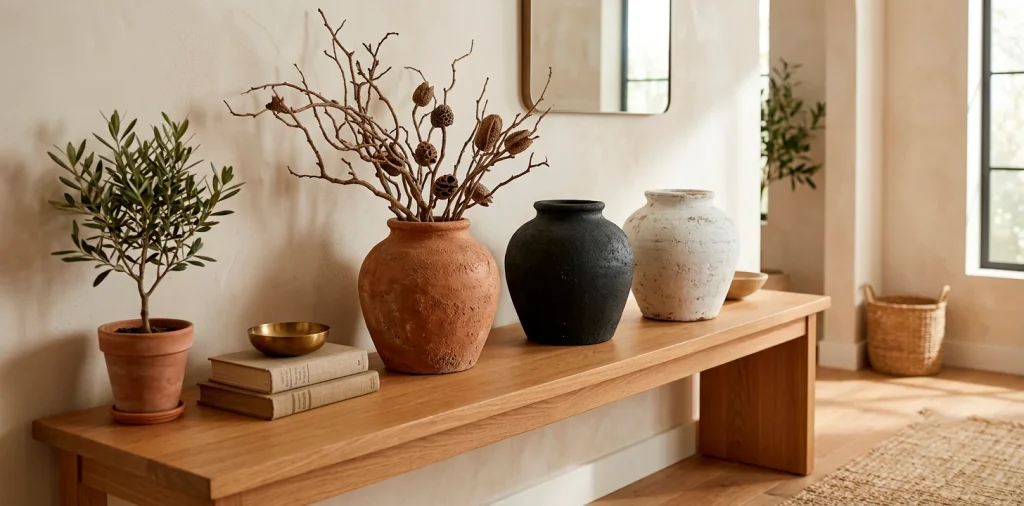
Ever spot a hideous shiny vase at the thrift store and wonder if it holds hidden potential? I grab those cheap glass disasters constantly because they make the perfect blank canvases. You can easily transform these ugly ducklings into stunning, faux-vintage pottery that looks incredibly expensive. Grab your paintbrushes and start creating!
The Baking Soda Paint Trick
Baking soda paint absolutely dominates the DIY scene right now. You simply mix a little baking soda into your standard acrylic paint to create an instantly thick, chalky texture. I tried this on a bright pink geometric vase last week, and the result genuinely shocked me.
You brush it on, let it dry, and suddenly that glossy nightmare looks exactly like raw, unglazed ceramic. Want to know the best part? The texture hides every single flaw flawlessly. 😎 Give it a try next time you find a scratched-up thrift bargain.

Mud Treatment for Faux Terracotta
Why pay big money for genuine terracotta when you can fake it with actual mud? You just take a cheap ceramic vessel, slather it in joint compound or drywall mud, and use a sponge to dab it all over. The sponge creates that gorgeous, pitted surface that old-world pottery naturally develops over centuries. Once the mud dries completely, you paint it a rich rust color and dab on some dark wax for dimension. It looks so authentic that visitors will beg to know your secret antique source. Have you ever tricked a friend with fake decor? It feels incredibly satisfying.
A useful little gift for your home
🎁 Free Plant Finder Tool
Filter 250+ houseplants by 6 smart criteria to find your perfect green companion.
We’ll email you the link. Plus, you’ll join our newsletter!

The Plaster of Paris Dip
Sometimes you find a shape you love, but the surface texture feels entirely wrong. Plaster of Paris fixes that instantly.
You mix the plaster until it reaches a pancake batter consistency and literally dunk your thrifted find right in. The plaster clings to the curves and leaves a beautifully imperfect, chalky finish.
FYI, I highly recommend doing this outside because things get messy quickly. Once cured, you can sand down any sharp drips for a smooth, high-end stone aesthetic. Your final piece will look like heavy, beautifully carved limestone.

Adding Faux Rust and Age
Real vintage pottery rarely looks perfect. It carries battle scars, dirt, and water stains from decades of use. You can mimic this history using cinnamon and dark brown wax.
After painting your thrifted vessel a neutral beige, you rub the dark wax into the crevices and quickly dust cinnamon over the wet wax. The spice sticks and creates a startlingly realistic rust effect that adds immense character. Materials needed for this rust technique:
- Ground cinnamon for texture
- Dark brown furniture wax
- Neutral beige base paint
This rustic texture looks incredible if you place the finished vase in a warmer setting. If you love earthy vibes, check out this guide on terracotta bathroom design desert warmth.

Spray Stone Texture
Let me introduce you to the ultimate lazy crafter hack.
Stone texture spray paint completely changes the game for cheap glass vases that look totally hopeless on the shelf, IMO.
You literally spray the can in sweeping motions, and the paint spits out tiny specks of grit and multi-colored flecks. It feels like magic every single time.
Just remember to seal it with a matte clear coat so the grit stays put! This technique works beautifully on those generic ribbed floral vases. You instantly get a piece that mimics expensive granite or sandstone without breaking a sweat.

The Dirt Rub Technique
I know this sounds completely unhinged, but rubbing literal garden dirt on your painted vases creates the best vintage patina. You paint your thrift store find a crisp white or cream, wait for it to dry completely, and then go grab a handful of dry potting soil. You rub the dirt aggressively into the matte paint, focusing heavily on the bottom edges and any carved grooves. The dirt smudges perfectly, giving the piece a dug-up, ancient artifact aesthetic that looks incredibly high-end. Who knew your backyard held the secret to luxury home styling?

Mixing Coffee Grounds into Paint
Forget baking soda for a minute. If you want serious, aggressive texture, raid your coffee maker. This method requires bravery but yields incredible results.
Used, dried coffee grounds add an incredible, coarse grittiness to acrylic paint that mimics old, weathered cement. You mix the grounds right into a dark charcoal or taupe paint.
As you brush the mixture onto the vase, the grounds clump and drag, leaving fantastic grooves and bumps. Once it dries, you can dry-brush a lighter color over the top to highlight all that amazing texture.

Creating Matte Black Modernism
Sometimes you want an ancient pottery vibe, but other times you crave a sleek, modern, wabi-sabi look. Matte black spray paint paired with a dusting of flour gives you exactly that.
You spray the vase completely black, and while the paint remains wet, you lightly tap a makeup brush loaded with flour over the surface. The flour creates a subtle, dusty bloom that mimics unpolished basalt or aged volcanic rock. It creates an incredibly moody aesthetic. For more dark styling ideas, browse these 15 scandi noir textures fall thanksgiving decor.

The Paper Mache Transformation
When you find a vase with a terrible shape, paper mache saves the day. You use strips of newspaper and flour paste to literally build new curves, thicken the neck, or add interesting handles to an otherwise boring cylinder. This process definitely takes patience since you must let each layer dry completely before adding the next. However, the final product feels incredibly solid and boasts a wonderfully lumpy, artisanal texture. Paint it an earthy tone, and you suddenly own a bespoke, hand-sculpted masterpiece. It feels incredibly rewarding to literally sculpt your own decor.

Limewash for a Suede Finish
Limewash doesn’t belong exclusively on walls. This magical paint creates a cloudy, suede-like finish on small decor items too.
You apply the limewash with a large, fluffy brush using a crisscross motion. The paint dries in a beautifully uneven, mottled pattern that instantly screams old-world European pottery. It requires almost zero artistic skill, which I always appreciate.
I love using this technique on tall, oversized floor vases. The soft, powdery finish catches the light beautifully and makes the cheapest thrift store find look like a treasured family heirloom.

A useful little gift for your home
🎁 Free Plant Finder Tool
Filter 250+ houseplants by 6 smart criteria to find your perfect green companion.
We’ll email you the link. Plus, you’ll join our newsletter!
Conclusion
Flipping thrift store vases into expensive-looking vintage pottery completely changes how you decorate your space. You save tons of money, keep glass out of landfills, and create entirely unique art pieces for your home. Next time you hit the thrift shop, look past the ugly glazes. Which technique are you grabbing first? Let me know in the comments!