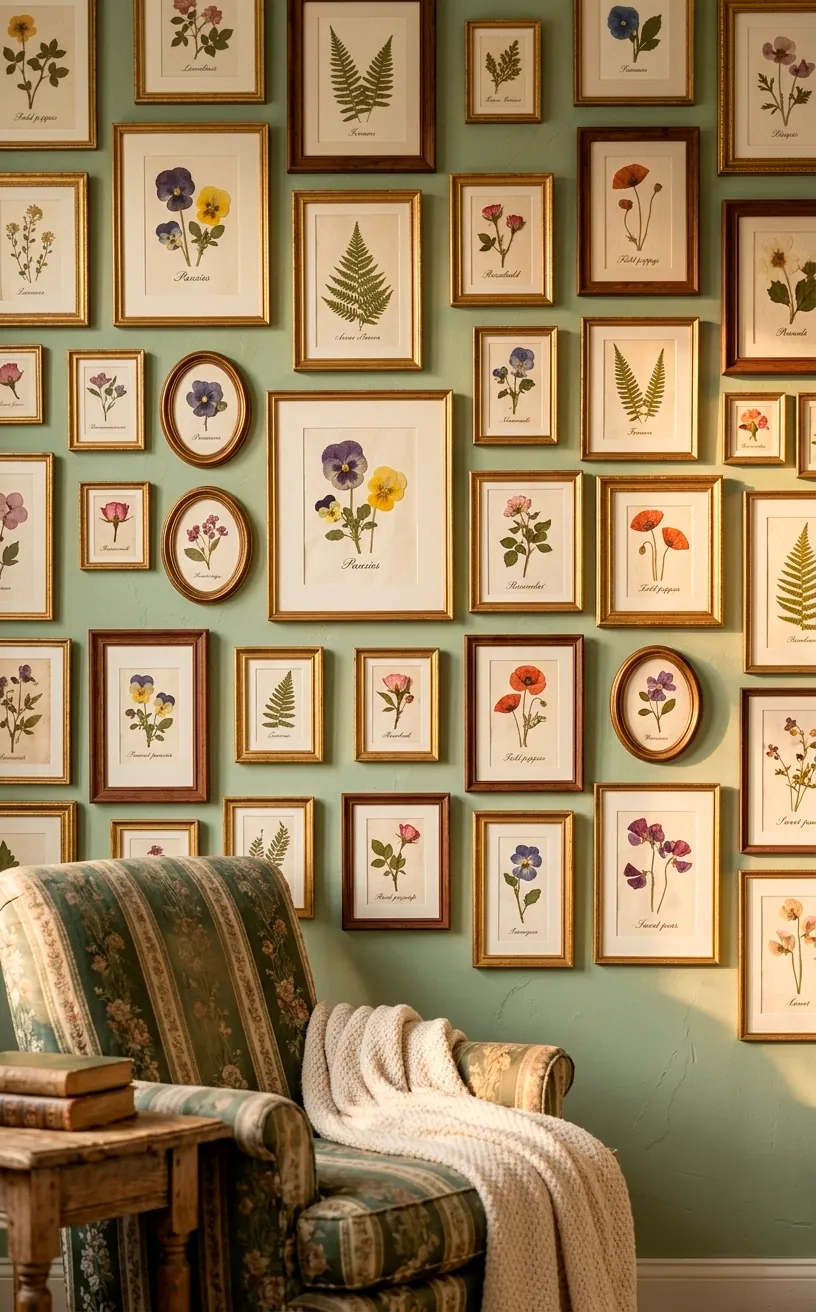
Stop tossing those bouquets! Ever wish you could keep that summer feeling forever without the guilt of dead, crispy stems on your dresser? Pressed flower art is the ultimate slow living hack for turning fleeting memories into stunning cottagecore wall decor. I’ve personally filled my hallways with these, and honestly, it’s easier than keeping a real plant alive ✨. Let’s make some magic.
The Timeless Appeal of Pressed Blooms
Do you ever stare at a gorgeous bouquet and feel a pang of sadness knowing it’ll be a moldy mess in three days? I used to be that person. I’d try to dry them upside down, only to have a dust-covered shriveled corpse hanging from my ceiling. Then, I discovered the art of pressing flowers. It’s the ultimate way to freeze time without the creepy taxidermy vibes.
You don’t need a fancy lab to get started. Honestly, your cluttered bookshelf is halfway there already. By flattening these little beauties, you create permanent botanical art that breathes life into any room. Who doesn’t want their walls to look like a Victorian botanist’s dream?
Tools of the Trade
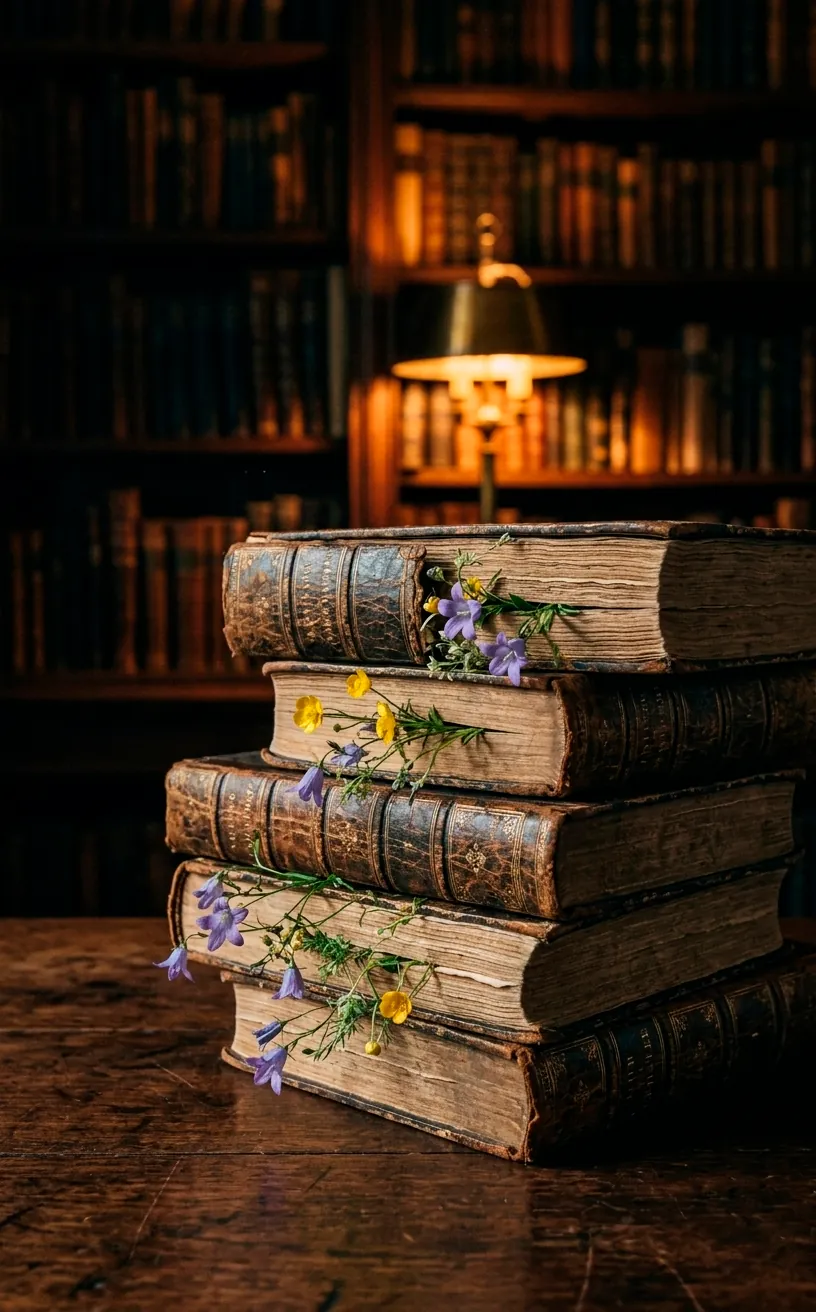
### Old School vs. Modern Presses Let’s talk tools. You don’t need to drop a fortune on high-tech gear to get professional results. Heavy books are the OG method. Find that massive dictionary you haven’t opened since 2004 and put it to work. Just place your flowers between sheets of acid-free parchment paper so you don’t ruin the pages. IMO, there’s something poetic about a classic novel giving birth to a piece of art.
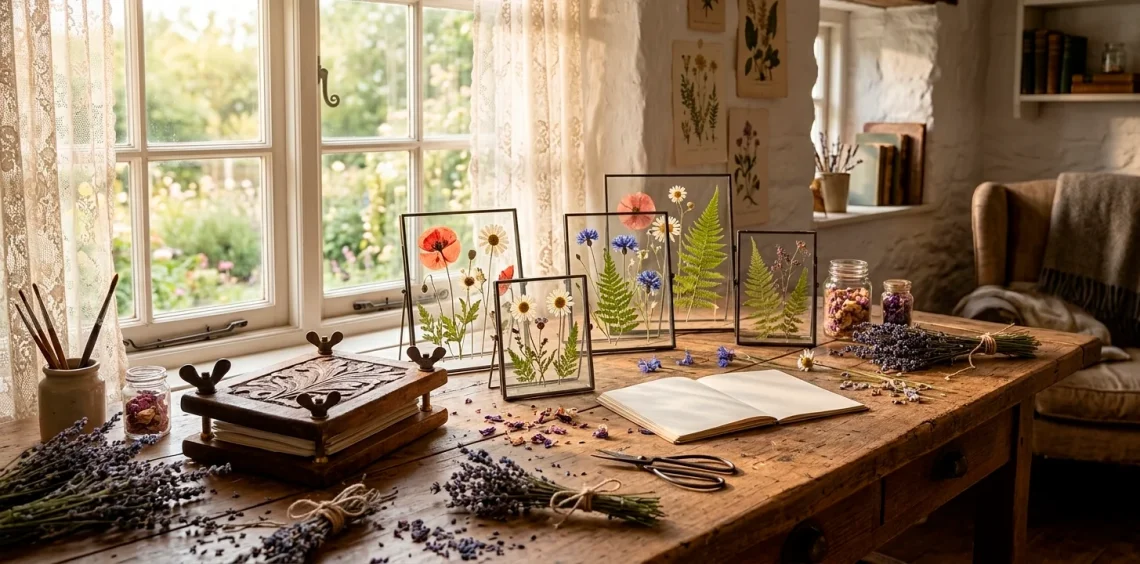
If you want to get serious, wooden flower presses with wingnuts are the way to go. They apply even pressure, which is crucial for those thicker blooms. This prevents the edges from curling up like a disappointed lip.
Basically, if it is heavy and flat, it is a press.
Choosing Your Petals Wisely
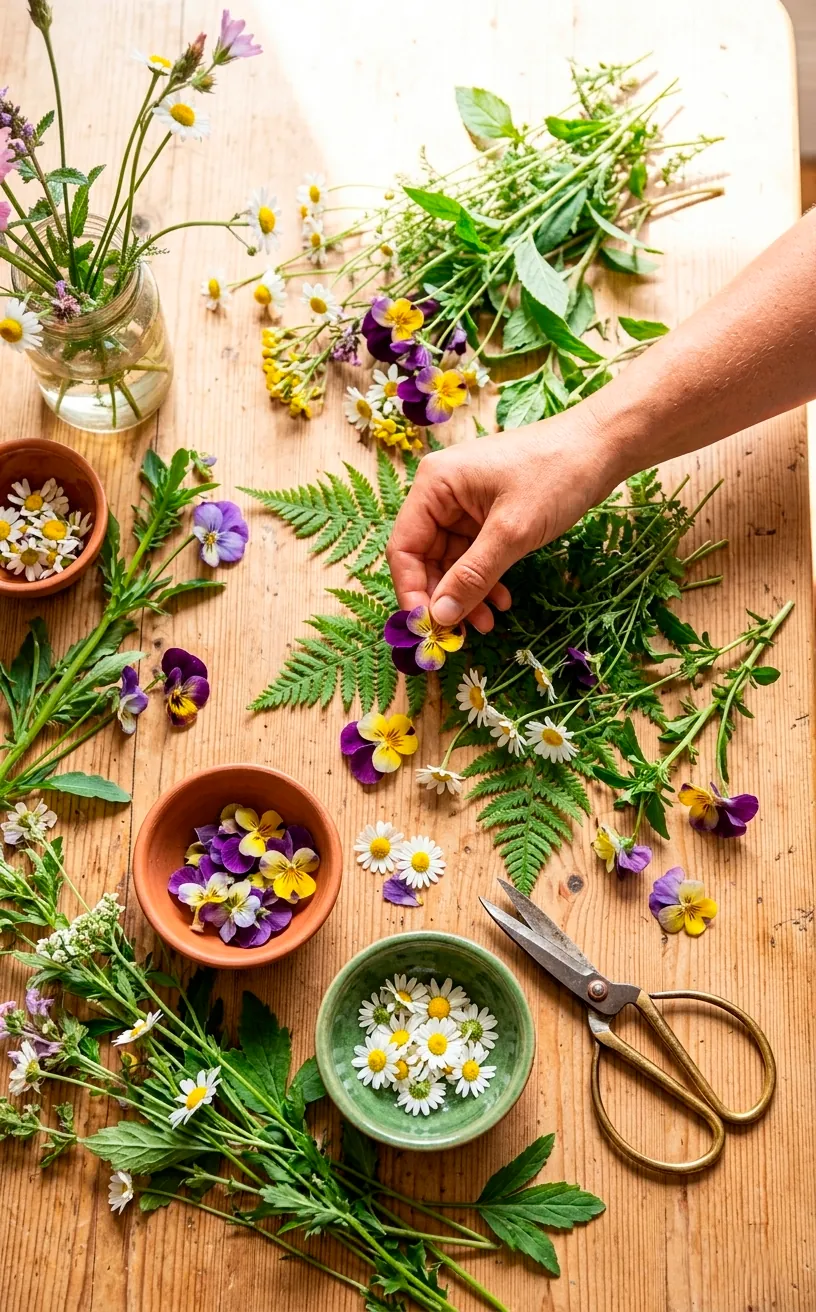
Not all flowers are created equal in the world of pressing. Ever tried to squish a thick rose? FYI, it usually ends in a brown, mushy disaster. Thin petals dry faster and hold their color way better than chunky lilies. It’s a game of patience, but the payoff is huge.
Best blooms for beginners:
- Pansies and Violas
- Queen Anne’s Lace
- Ferns and Clover
- Cosmos
If you’re planning a rustic wedding, these make great keepsakes; check out these 8 whimsical forest-themed backyard wedding ideas.
Framing Your Masterpieces
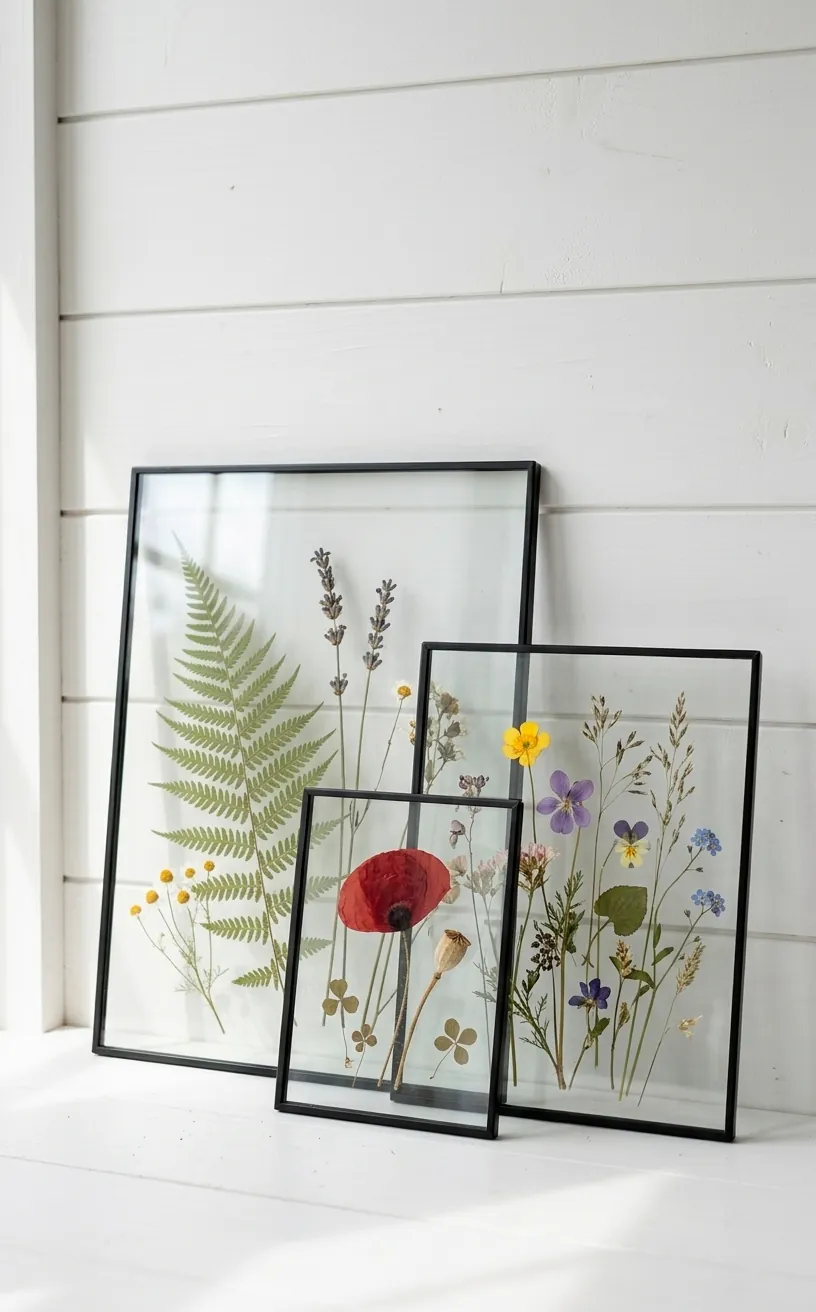
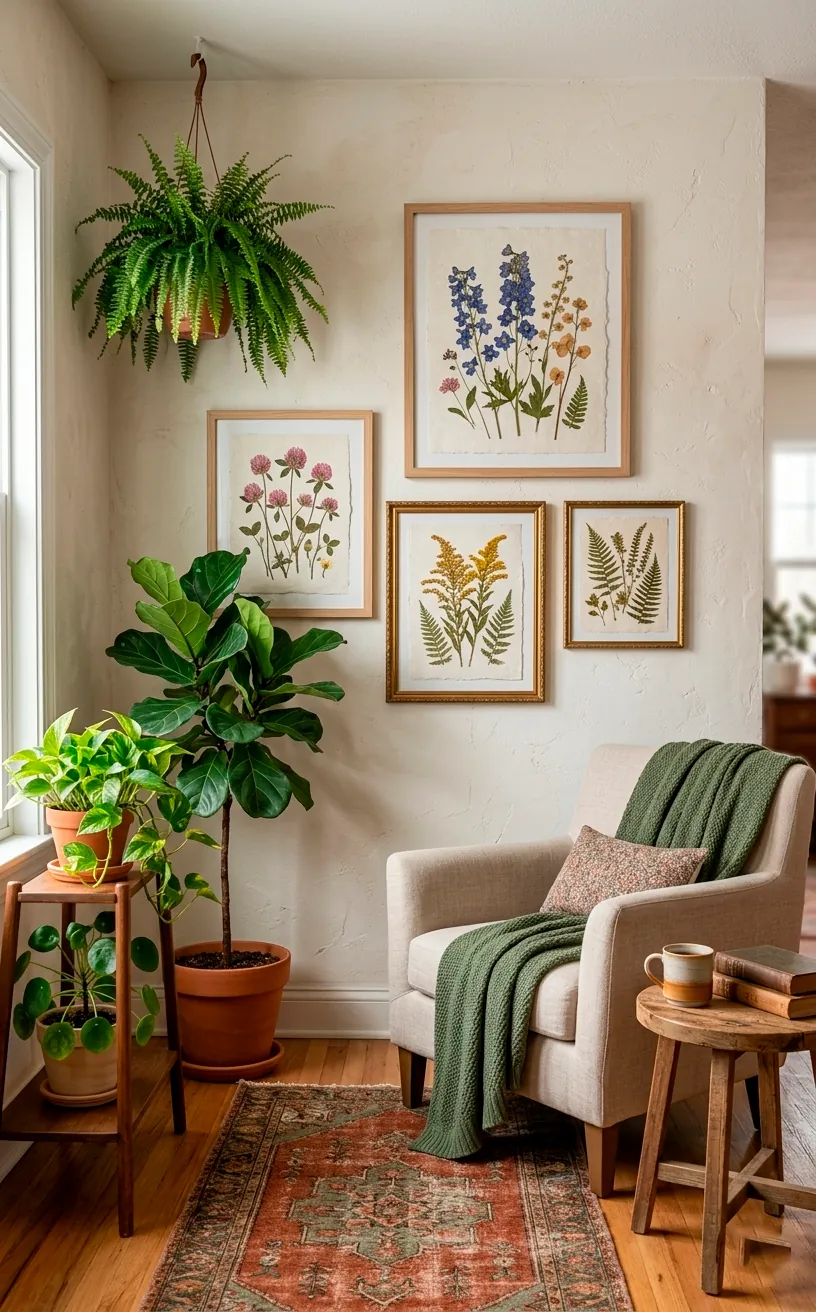
Once your petals are crisp, you need a home for them. Floating glass frames are the gold standard for that airy, cottage look. They let the wall color peek through, making the flowers look like they’re dancing in mid-air. I personally love antique brass finishes because they add that ‘I found this in a hidden attic’ vibe that we all crave. You can also hunt for vintage frames at thrift stores and just swap the backing for glass. Clear adhesives or tiny dots of glue keep everything in place so your hard work doesn’t slide to the bottom of the frame like a sad puddle.
Composition and Layout Strategies
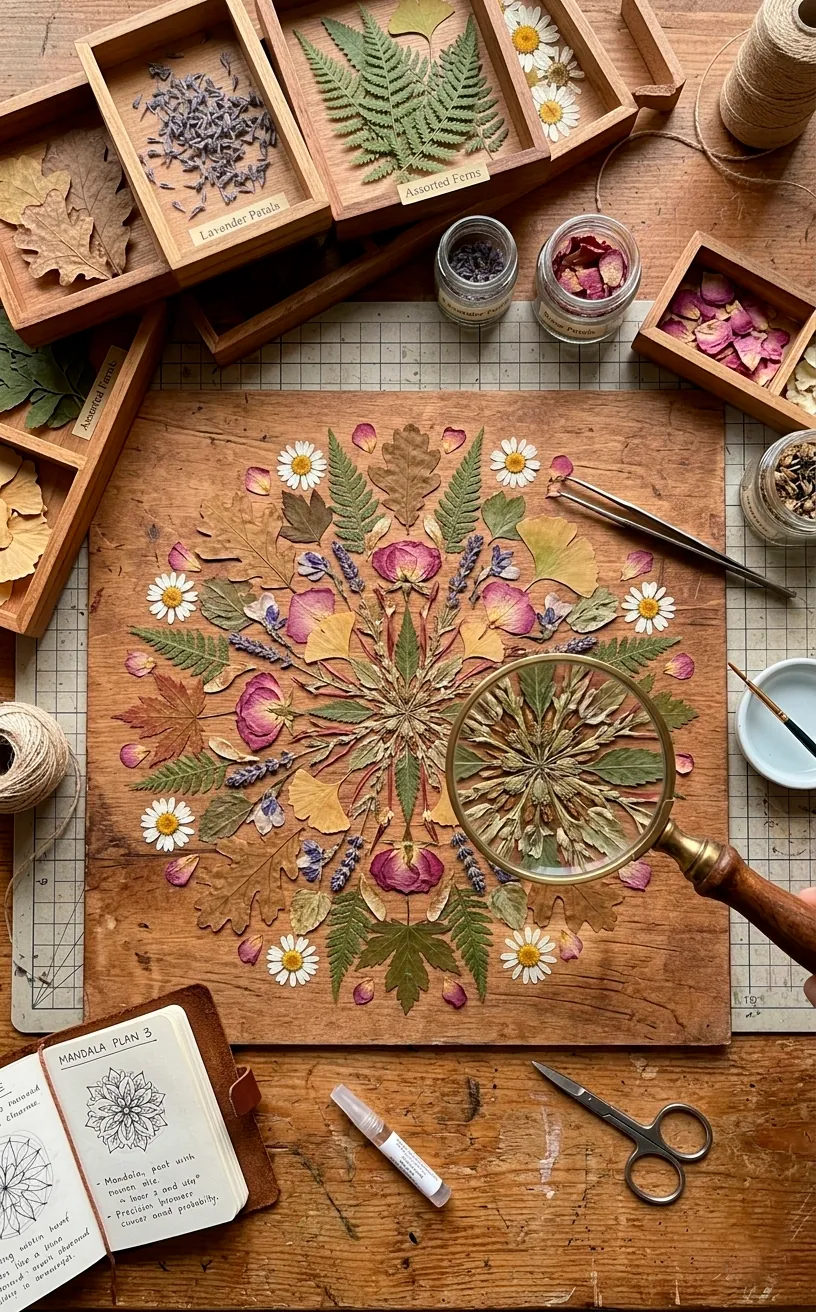
Designing the layout is where your inner artist finally gets to scream. Do you want a structured, scientific look? Or maybe a wild, organic explosion? I like to start from the center and work my way out.
It helps to lay everything out on a piece of paper first before committing to the glass. You’d be surprised how much one stray leaf can throw off the whole vibe. Using fine-tip tweezers is a total game-changer here because fingers are surprisingly clumsy.
Petals are basically as fragile as my ego after a bad haircut, so be gentle. Trust your gut and don’t overthink it.
Experimenting with negative space often makes the colors pop.
Preservation Secrets
Listen, sun is the enemy of color. If you hang your masterpiece in direct sunlight, it’ll turn beige faster than a 90s office cubicle. To keep those vibrant pinks and purples, find a shady spot or use UV-resistant glass.
Some people swear by hairspray, but honestly, it can turn the petals yellow over time. Stick to high-quality sealing sprays if you really must, but keeping them dry and out of the light is usually enough. For more layout inspiration, see these living room gallery wall strategies.
Properly sealed art lasts for years.
Conclusion
Pressed flower art is more than just decor; it’s a way to keep your favorite memories on display. Whether you’re preserving a wedding bouquet or just a cool weed you found on a walk, it adds a personal, soulful touch to your home. So, are you going the vintage book route or the pro press? Let me know in the comments! 🌸