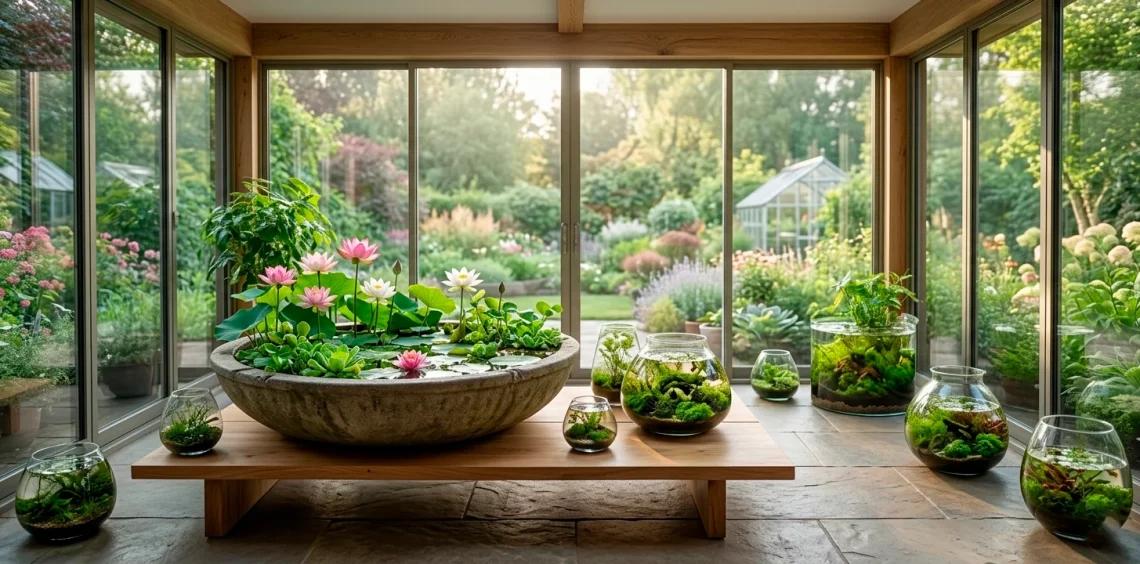
Forget the beige office cubicle life. I am currently turning my living room into a swamp—the classy kind, obviously. Who needs a TV when you can watch a lily pad do literally nothing for three hours? I spent years figuring out how to keep water inside a glass bowl without ruining my floorboards, and honestly, you can do it too. Ready to get your hands a little prune-y? We are about to create something way cooler than a standard spider plant. 🙌
Scouting the Perfect Real Estate
First, you must pick a spot that doesn’t scream ‘algae factory.’ Sunlight acts like a double-edged sword here. While your plants crave those sweet, sweet rays, too much light turns your crystal-clear garden into a thick green pea soup within days. I usually hunt for a spot with bright, indirect light near a north-facing window. Do you really want to spend your Saturdays scrubbing glass? Probably not.
Weight is the other big player that people constantly ignore. Water weighs a staggering 8.3 pounds per gallon. If you plan on a ten-gallon setup, that is 83 pounds sitting on your grandmother’s antique ‘fragile’ end table. I recommend a solid, sturdy surface that can handle a splash or two without warping. Trust me, your floorboards will thank you for being paranoid about weight distribution and water-resistant finishes before you even fill the first bucket.
Choosing Your Liquid Vessel
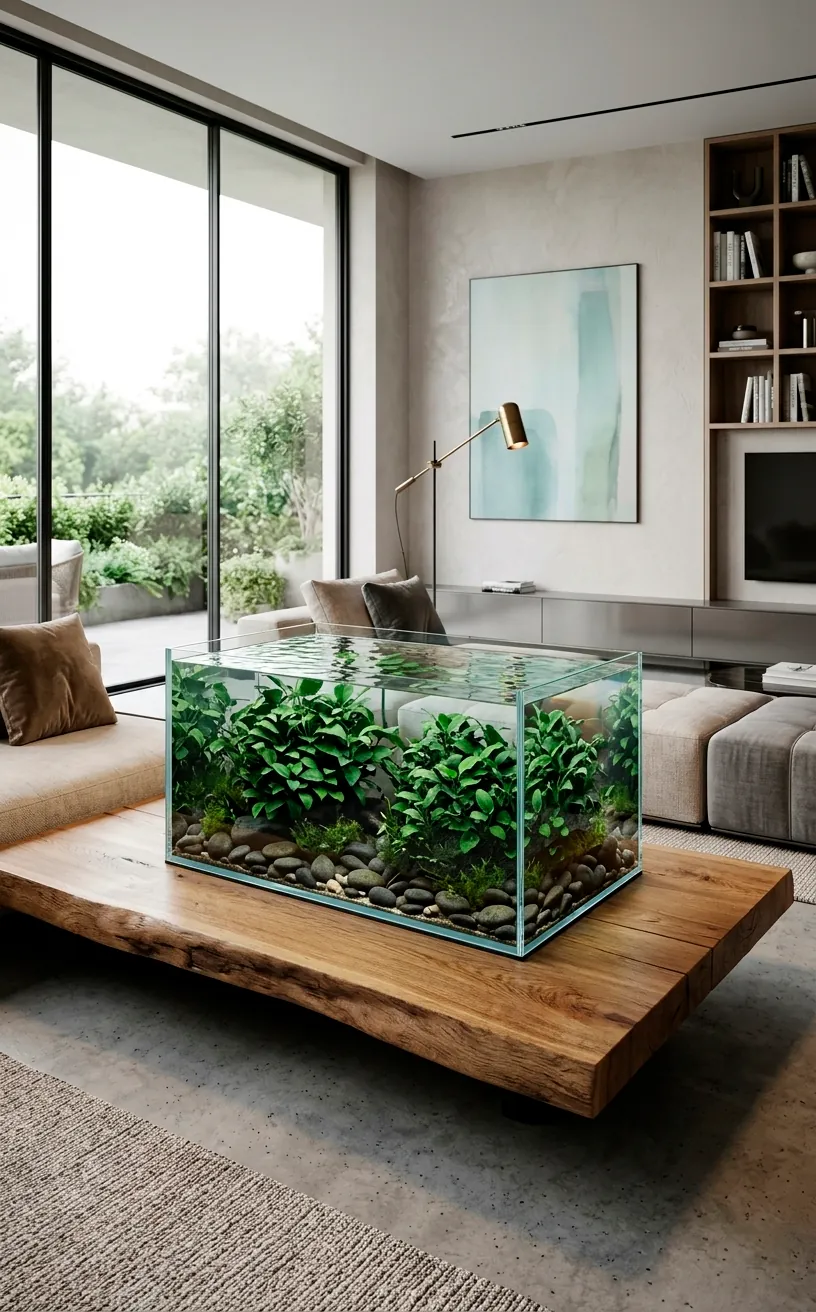
Size matters, but bigger isn’t always better for beginners. I love starting with glass bowls or galvanized tubs because they offer a clear view of the action. If you want a modern look, go for a sleek glass cylinder. If you want a rustic vibe, grab a ceramic pot—just make sure you plug the drainage hole unless you enjoy an indoor flood. Always check for leaks in the bathtub first. My first attempt ended in a soggy carpet because I assumed a ‘decorative’ pot was water-tight. Spoiler: it wasn’t. FYI, a simple sealant can save your life here. Glass containers allow you to see the roots and the ‘underwater’ world, which makes the whole experience much more immersive for everyone in the room.
Moving Water is Happy Water
Stagnant water is the enemy.
It smells bad.
It attracts bugs.
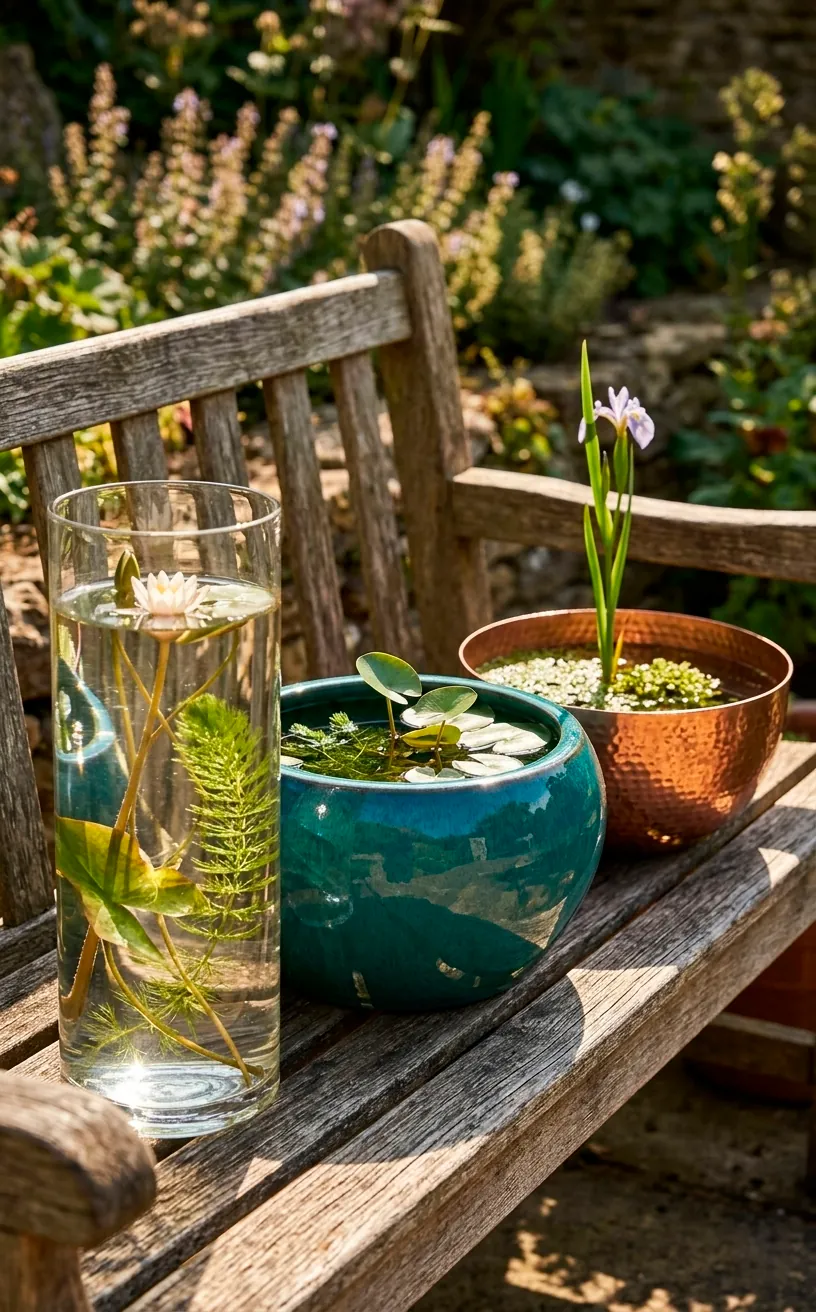
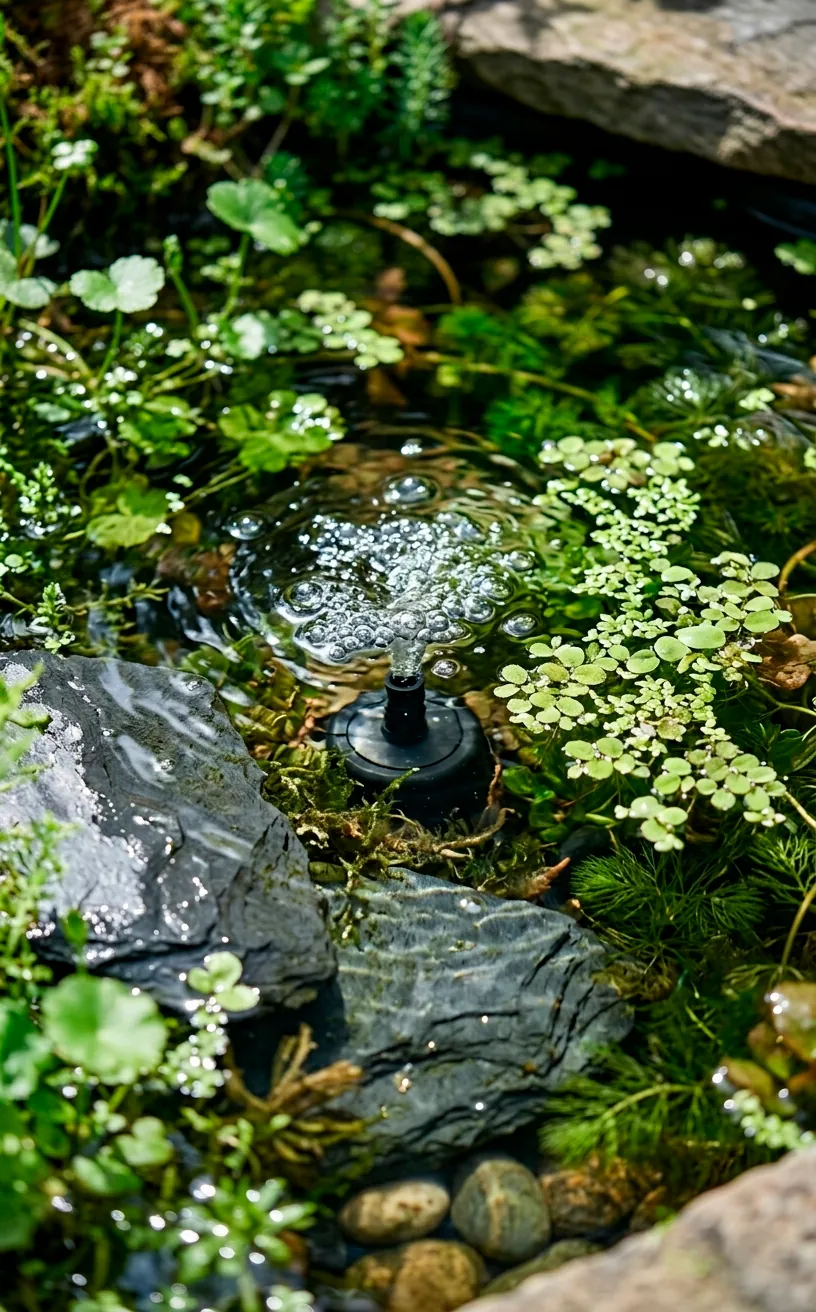
Basically, if the water doesn’t move, your garden becomes a mosquito nursery. I always add a tiny, silent submersible pump to keep things circulating. Ever wondered why some ponds look like a swamp and others look like a spa? Circulation makes the difference. A small pump oxygenates the water, which keeps your plants healthy and prevents that nasty ‘rotten egg’ smell from developing in the depths of your substrate.
You don’t need a massive fountain. A gentle bubble is enough to keep the surface tension broken. If you’re feeling fancy, you can even find pumps that double as tiny waterfalls.
Selecting Your Green Cast
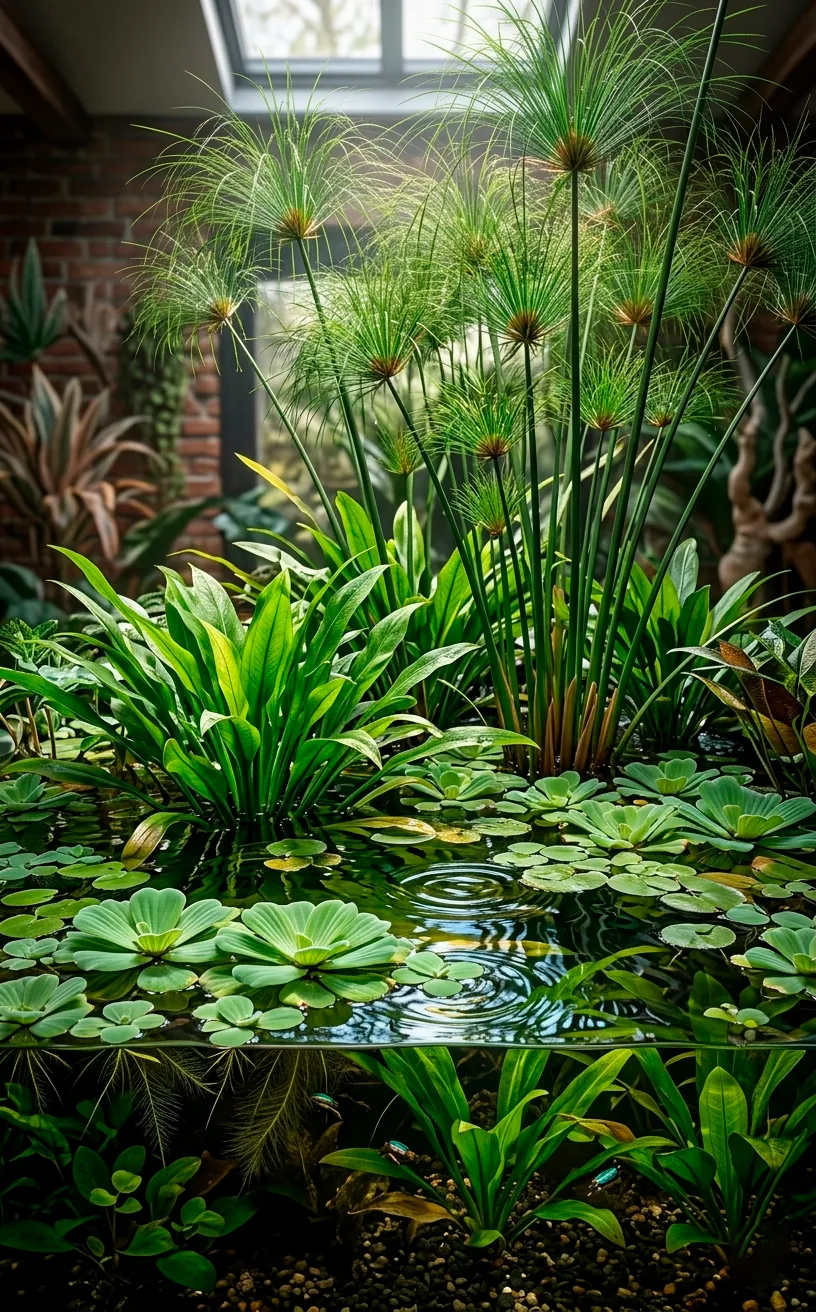
Now comes the fun part: picking the residents. You have three main categories to play with: submerged plants, floating plants, and marginals. I highly recommend a mix to create depth. Submerged plants like Hornwort act as natural filters, while floaters like Water Lettuce add that ‘jungle’ look to the surface. Floating plants provide excellent shade, which actually helps control algae growth by blocking excess light from reaching the bottom.
Suggested plant varieties:
- Amazon Sword (submerged)
- Dwarf Water Lilies (surface)
- Papyrus (marginal/tall)
- Java Moss (anchored)
IMO, the Amazon Sword is the most resilient plant for beginners. It grows like a weed and doesn’t mind if you forget about it for a week. Just push the roots into some specialized aquatic soil or gravel and let it do its thing. Do you want a messy look or a curated aesthetic? Mix heights and textures to keep the eye moving.
The Critter Debate
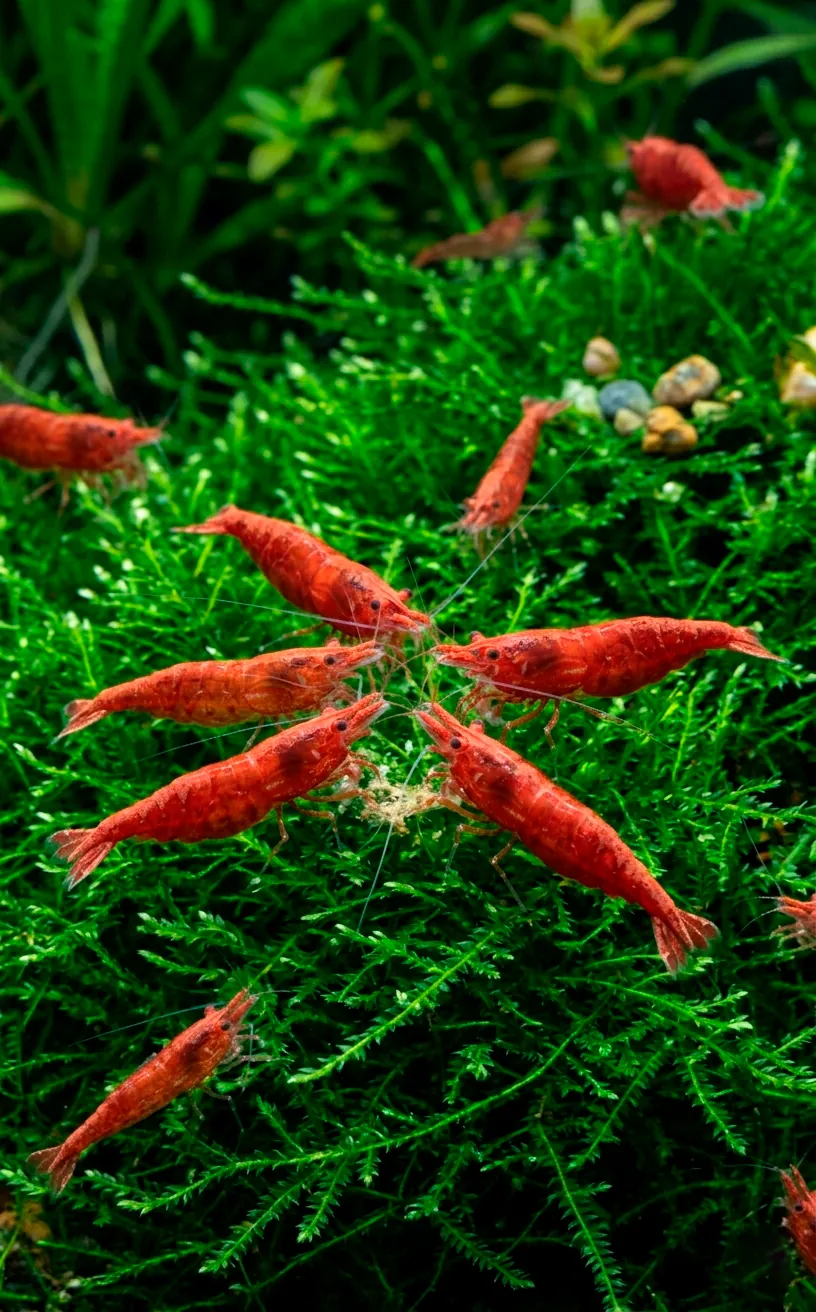
Should you add fish? It depends on your patience level. Fish add movement and life, but they also add ‘waste,’ which means more cleaning for you. I prefer keeping it simple with a few decorative snails or cherry Shrimp. They act as a tiny cleaning crew, munching on algae while looking incredibly cool.
If you insist on fish, go for something small like White Cloud Mountain Minnows. They don’t need a heater, which simplifies your setup immensely. Avoid goldfish at all costs for small indoor gardens; they are basically messy teenagers that eat everything and outgrow their homes in a month.
Snails are the unsung heroes here. They glide over the glass and keep things tidy without demanding much in return. Plus, watching a snail navigate a leaf is weirdly therapeutic, right?
Maintaining Your Tiny Ecosystem
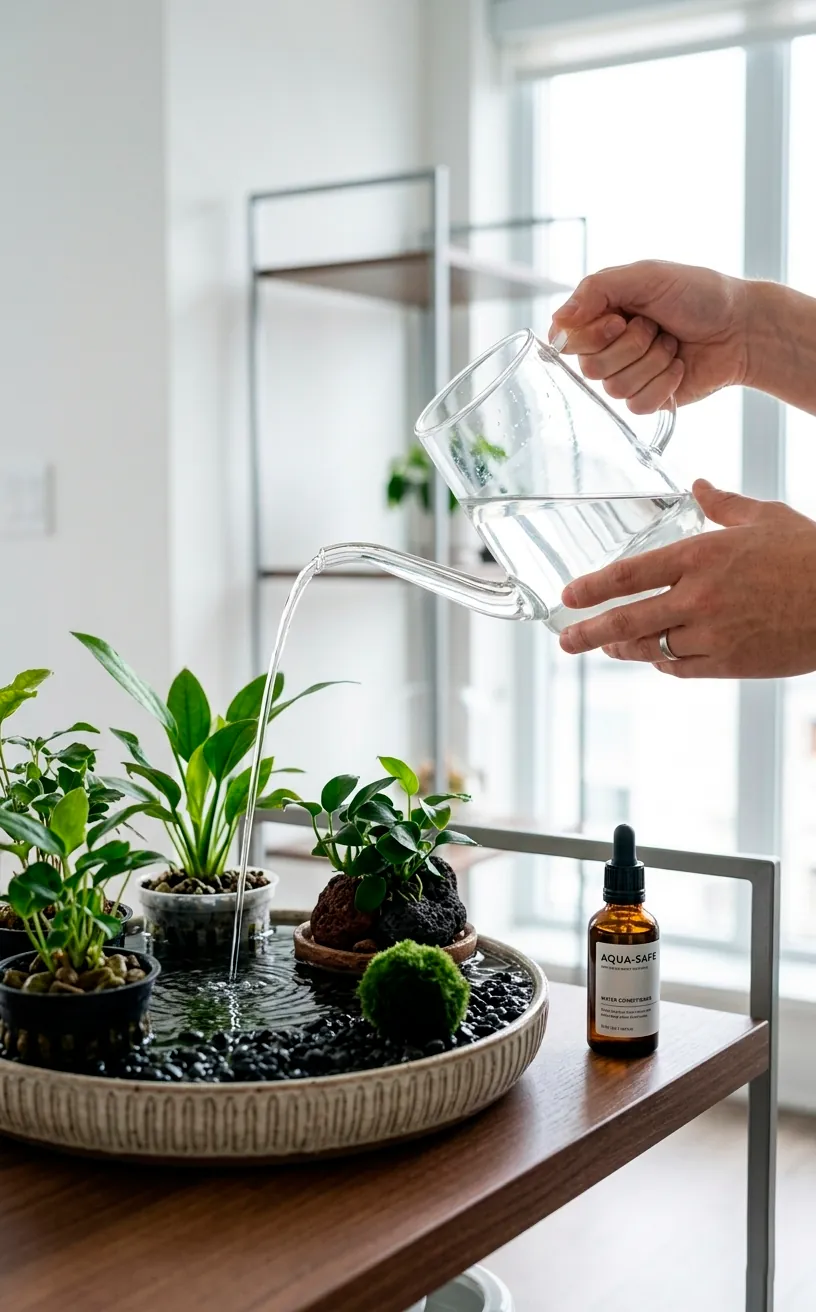
Maintenance isn’t a chore if you do it right. I spend about ten minutes a week on mine. You mainly need to top off the water as it evaporates and trim any yellowing leaves to keep the garden looking sharp. Use dechlorinated water every single time. Tap water contains chemicals that can nukes your delicate plants and any critters you’ve added. I keep a simple gallon jug of treated water under the sink for quick refills. If you notice a film on the surface, your circulation might be too low, or you are overfeeding your shrimp. It is a balancing act, but once the ecosystem stabilizes, it practically runs itself. 🌿
Atmospheric Lighting and Decor
Good lighting transforms a bowl of weeds into a masterpiece.
I love using clip-on LED lights that mimic natural daylight.
They keep plants growing during winter.
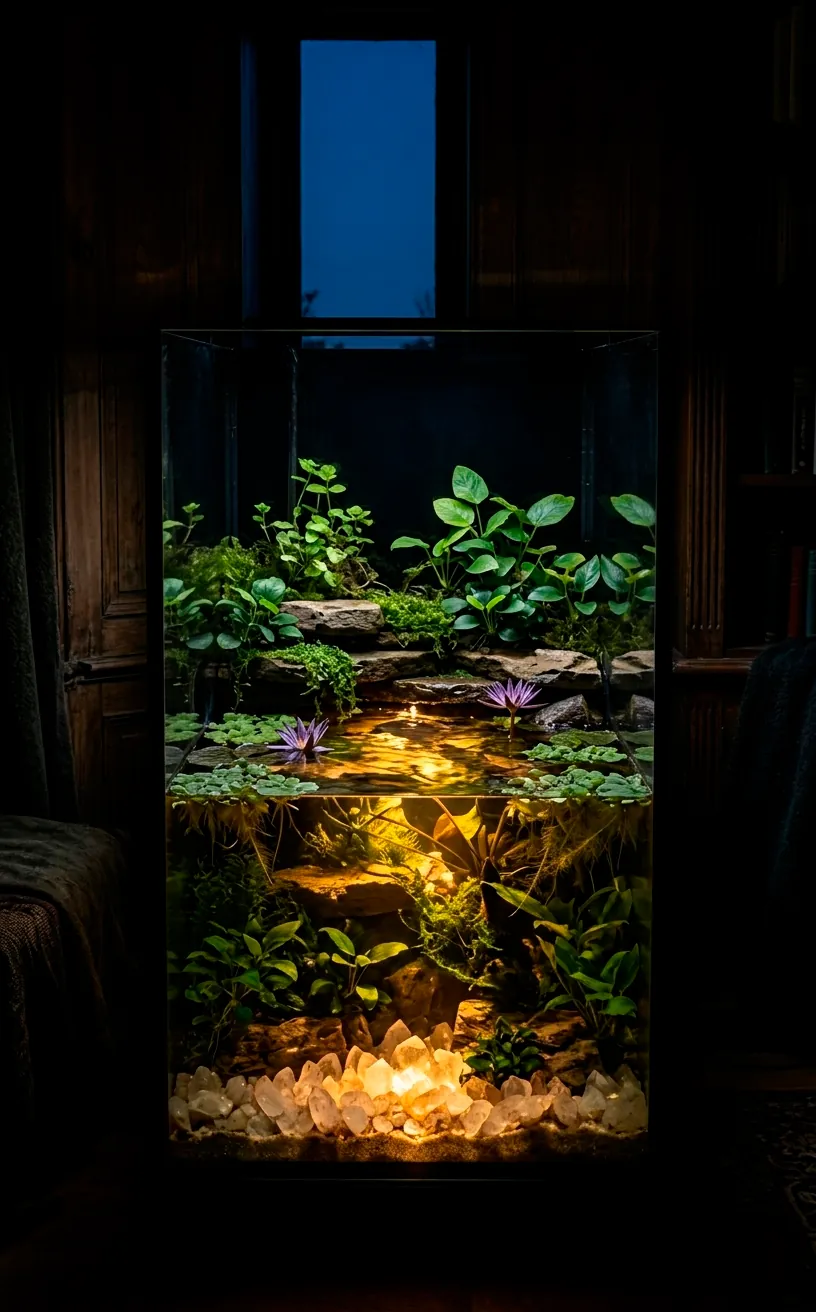
You can also hide a small LED puck light behind a rock to create a glowing effect at night. It looks absolutely magical when the room is dark. I often add a few crystals or unique stones to the bottom to reflect the light and add a personal touch.
Decorative elements to consider:
- Black river stones for contrast
- Quartz crystals for sparkle
- Small ceramic figurines for whimsey
Ever noticed how a simple light can change the whole mood? I recommend a timer so your plants get a consistent 8-10 hours of light. You don’t want to play ‘sun god’ manually every morning. Setting it and forgetting it is the secret to long-term success without the burnout.
Conclusion
Building an indoor water garden is honestly the best decision I made for my home’s vibe. It is more than just decor; it’s a living, breathing piece of art that brings a sense of calm to even the messiest Monday. Follow these steps, keep that water moving, and don’t be afraid to experiment with different plants until you find your groove. So, are you going with a sleek glass bowl or a rustic ceramic pot? Let me know in the comments because I would love to see your aquatic masterpieces! Now, go grab some lilies and get started.