Ever bitten into a grocery store tomato only to realize it tastes like wet cardboard? It’s a tragedy, really. Growing heirlooms isn’t just about preserving history; it’s about reclaiming flavor that actually makes your taste buds dance. I started my first patch with zero clues and a handful of ‘Cherokee Purple’ seeds, and let me tell you, the right layout changes everything. Ready to turn your yard into a delicious masterpiece?
The Romantic French Potager
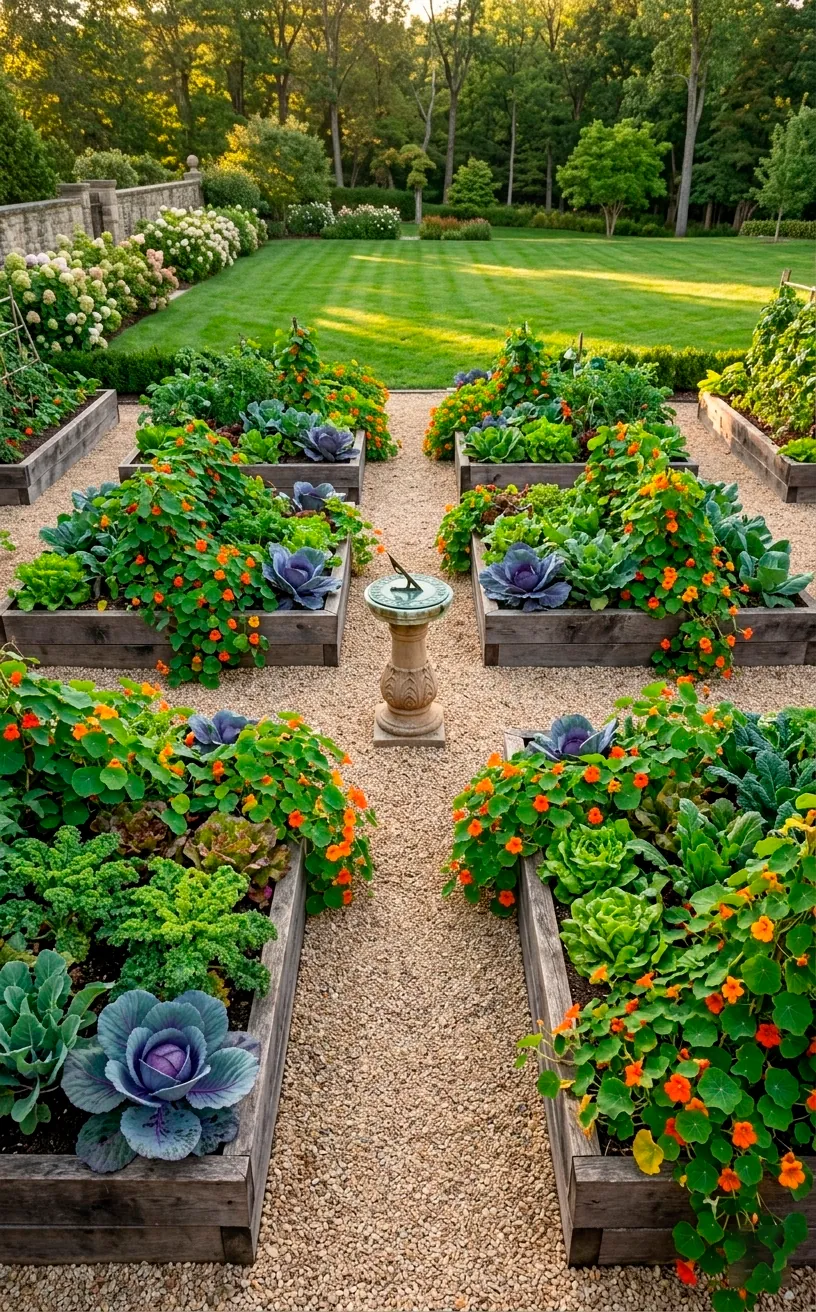
If you want your backyard to look like a scene from a moody period drama, the French Potager is your go-to. This layout treats vegetables like art, mixing edible greens with ornamental flowers in geometric patterns. You don’t just shove seeds in the dirt here; you create a tapestry. I love how this design keeps the garden looking polished even when the zucchini starts taking over the world. By surrounding your heirloom kale with marigolds and lavender, you confuse the pests and delight your neighbors. Why choose between a pretty yard and a full fridge when you can have both? It’s the ultimate flex for the aesthetic gardener. Symmetry and structure define this layout, making every harvest feel like a high-end shopping trip in your own backyard.
The Efficient Keyhole Garden
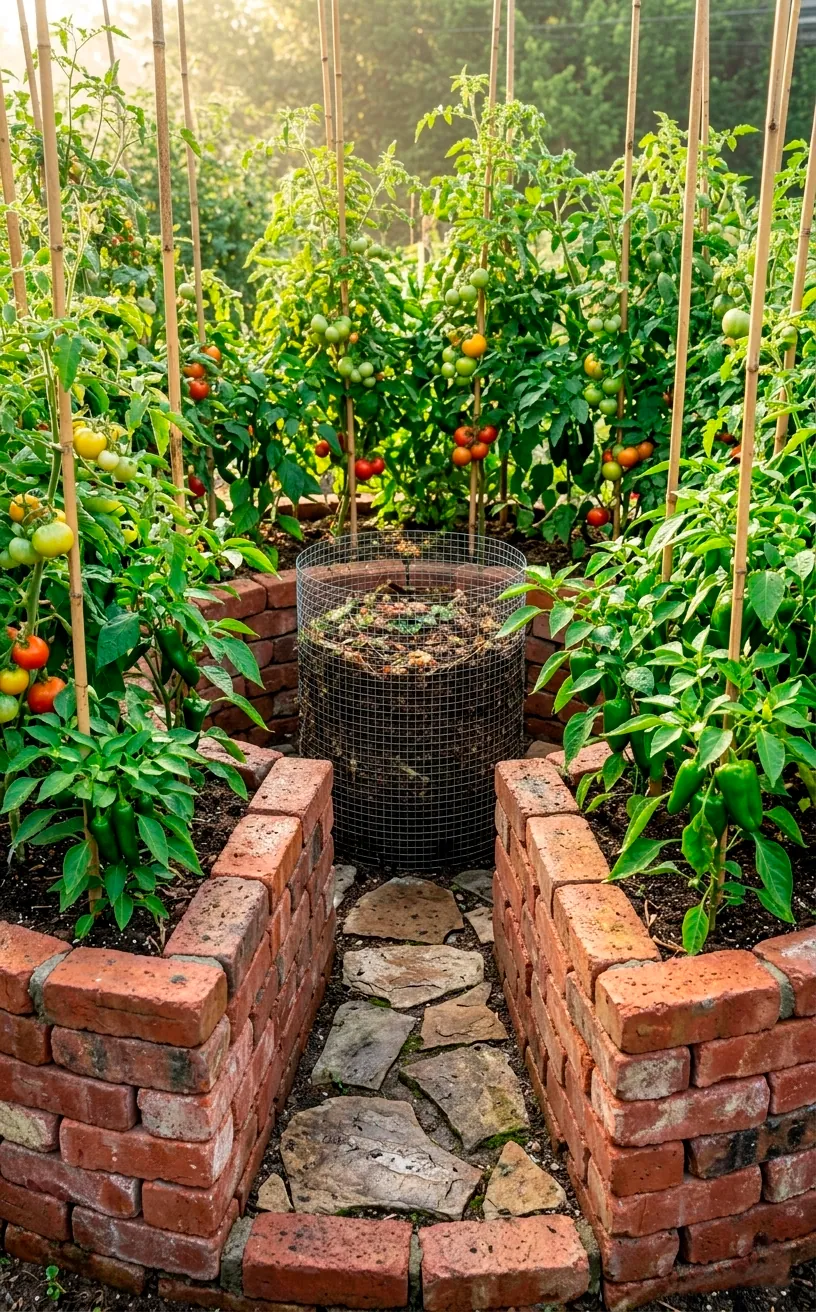
Ever get tired of walking all the way to the compost bin? The Keyhole Garden solves that by putting the compost right in the middle of your veggies. It’s shaped like a circle with a small wedge cut out so you can walk to the center.
This layout is a total game-changer for dry climates or anyone who values efficiency over tradition. The central compost basket slowly releases nutrients and moisture directly into the surrounding soil. It’s basically a self-feeding machine for your heirloom peppers and tomatoes.
IMO, it looks incredibly cool, almost like a little green spaceship landed in your yard. Plus, it saves your back because the beds are usually built high. Who knew being lazy about composting could actually make your plants grow better? The central nutrient core maximizes soil health while minimizing your daily chores.
Ancient Wisdom with the Three Sisters
Native American tribes figured out the perfect companion planting layout centuries ago, and honestly, we should probably listen to them. This layout groups corn, beans, and squash together in a symbiotic huddle. The corn provides a sturdy pole for the beans to climb, the beans fix nitrogen into the soil, and the squash leaves act as a living mulch to keep the ground cool.
It’s the ultimate ‘work smarter, not harder’ approach. I find this layout particularly satisfying because it feels like a little ecosystem rather than a rigid farm. Plus, harvesting heirloom ‘Glass Gem’ corn alongside ‘Blue Hubbard’ squash makes for some seriously impressive Instagram photos. Natural synergy reduces the need for fertilizers and manual weeding, giving you more time to actually enjoy the fruits of your labor.

Intensive Square Foot Gardening
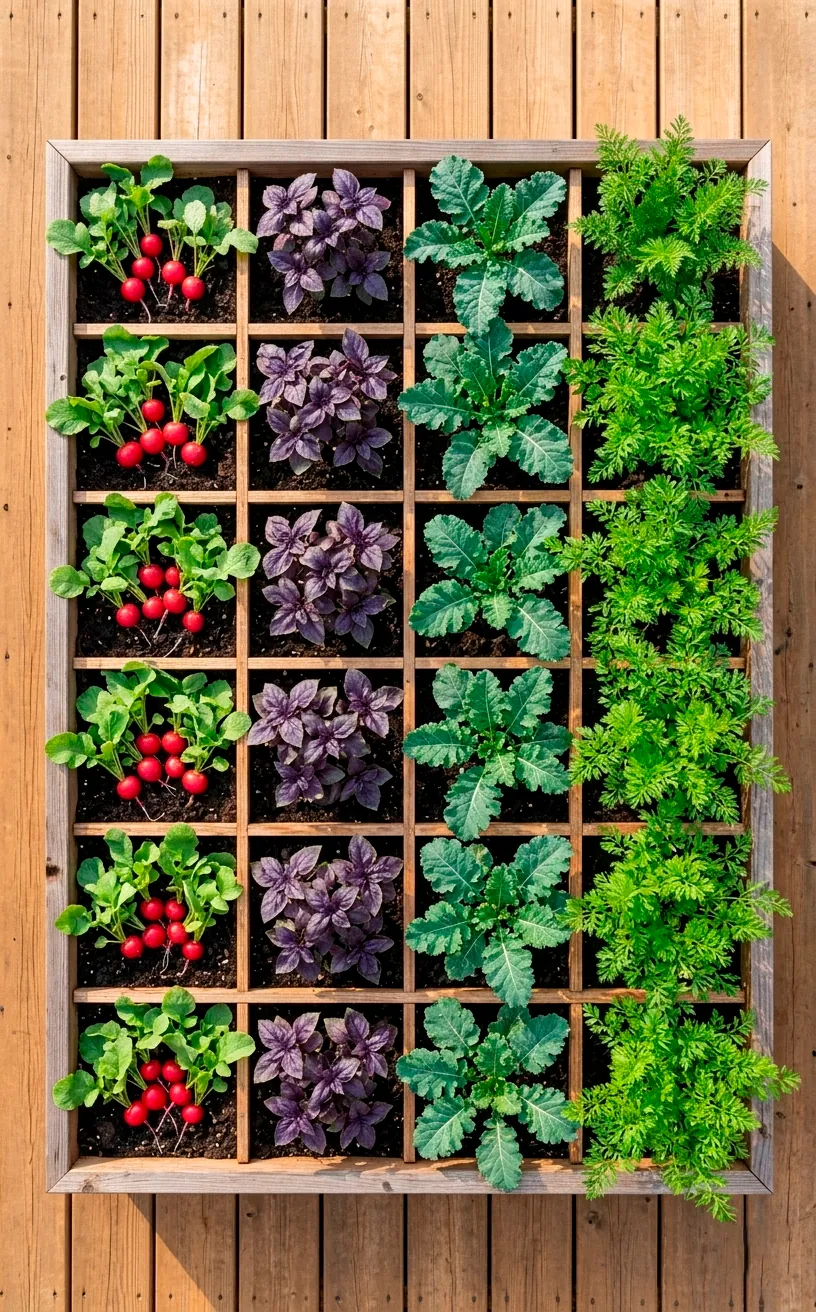
If you have a tiny backyard but big dreams, Square Foot Gardening is your best friend. You divide a raised bed into a grid of one-foot squares and plant a specific number of heirlooms in each one.
It’s basically Tetris for gardeners. You might put sixteen radishes in one square and a single tomato plant in the next. This prevents overcrowding and ensures you don’t waste a single inch of dirt.
I’ve used this method on a small patio, and it’s shocking how much food you can actually produce. It takes the guesswork out of spacing, which is a blessing if you’re prone to ‘over-planting’ (guilty as charged!).
Just remember to keep your taller plants on the north side so they don’t shade out the little guys. Precision planting delivers maximum yield in minimal space, making it perfect for urban heirloom enthusiasts. Ever wondered how much you can fit in a four-by-four box?
Vertical Arches and Tunnels
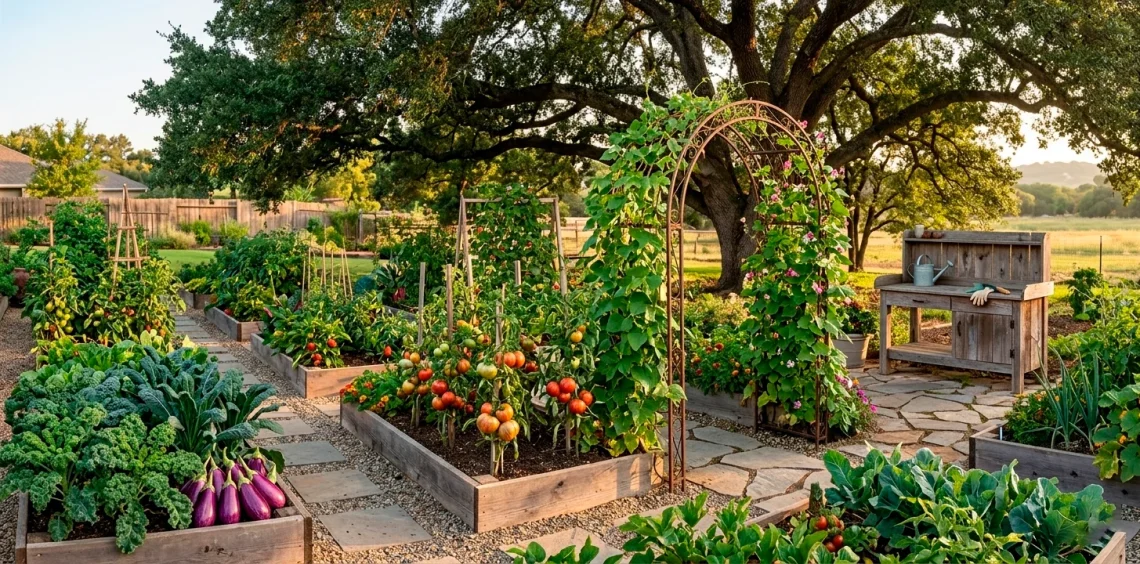
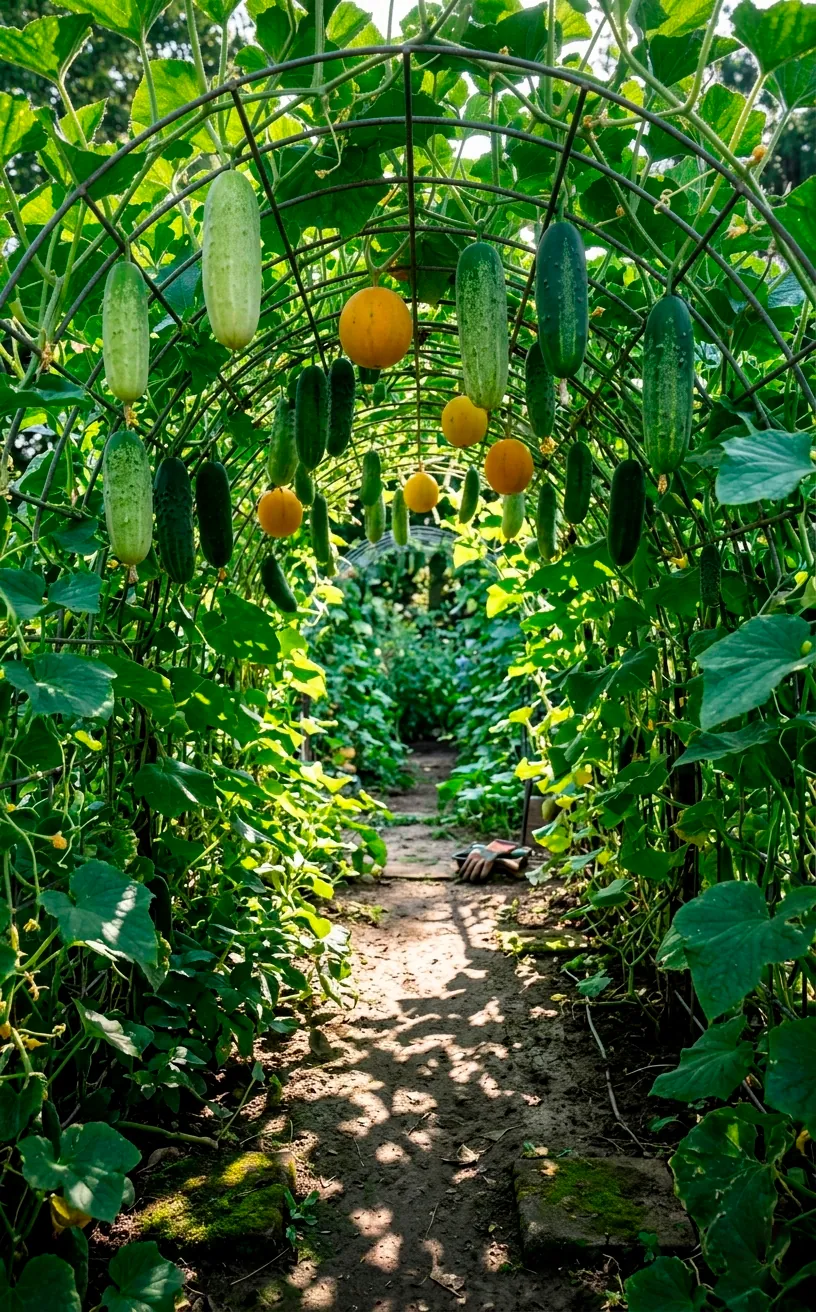
Why grow out when you can grow up? Using cattle panels or metal arches to create garden tunnels is the peak of backyard engineering. Imagine walking through a literal hallway of hanging heirloom cucumbers and pole beans. It’s magical, and it keeps your veggies off the ground where slugs and rot like to hang out.
I built one of these last year, and it’s now my favorite place to hide from responsibilities with a cup of coffee. The verticality adds a dramatic sense of height to your yard that flat beds just can’t touch. If you’re tight on floor space, this is how you cheat the system. Check out these 7-tiered copper racks for even more vertical inspiration.
The Woven Willow Circle
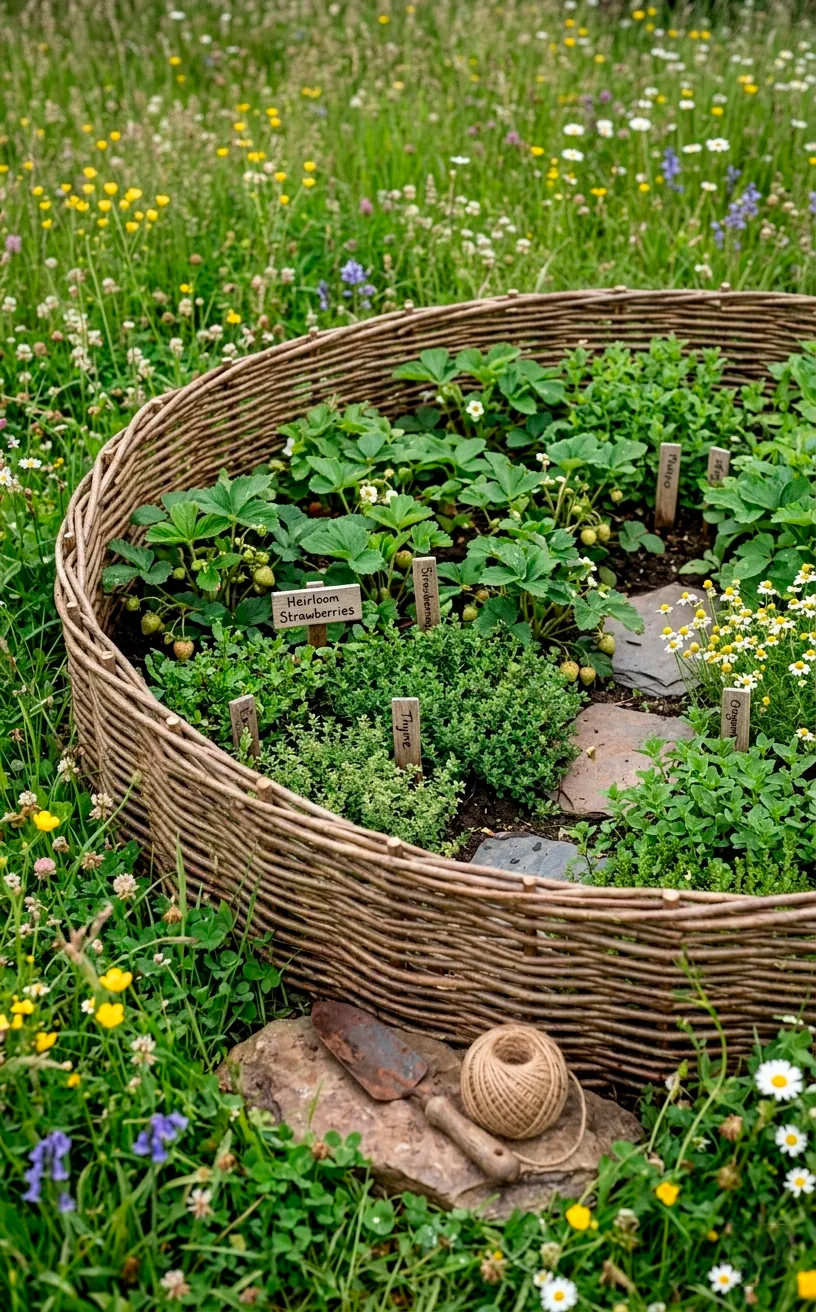
For a rustic, Old World feel, nothing beats the Woven Willow Circle. You use flexible willow or hazel branches to weave low fences around circular garden beds. It looks like something straight out of a cottagecore dream. I find that these natural borders add a soft, organic texture that plastic or cold metal just lacks. It’s perfect for those shorter heirloom varieties like ‘Tom Thumb’ peas or bushy alpine strawberries. Natural materials blend seamlessly into a wooded or traditional landscape, providing a cozy home for your plants. It’s a bit of a DIY project, but the bragging rights are worth every splinter. FYI, this layout also does a great job of deterring smaller critters who aren’t quite ready to hop over a woven fence.
Raised Bed Rows with Pollinator Borders
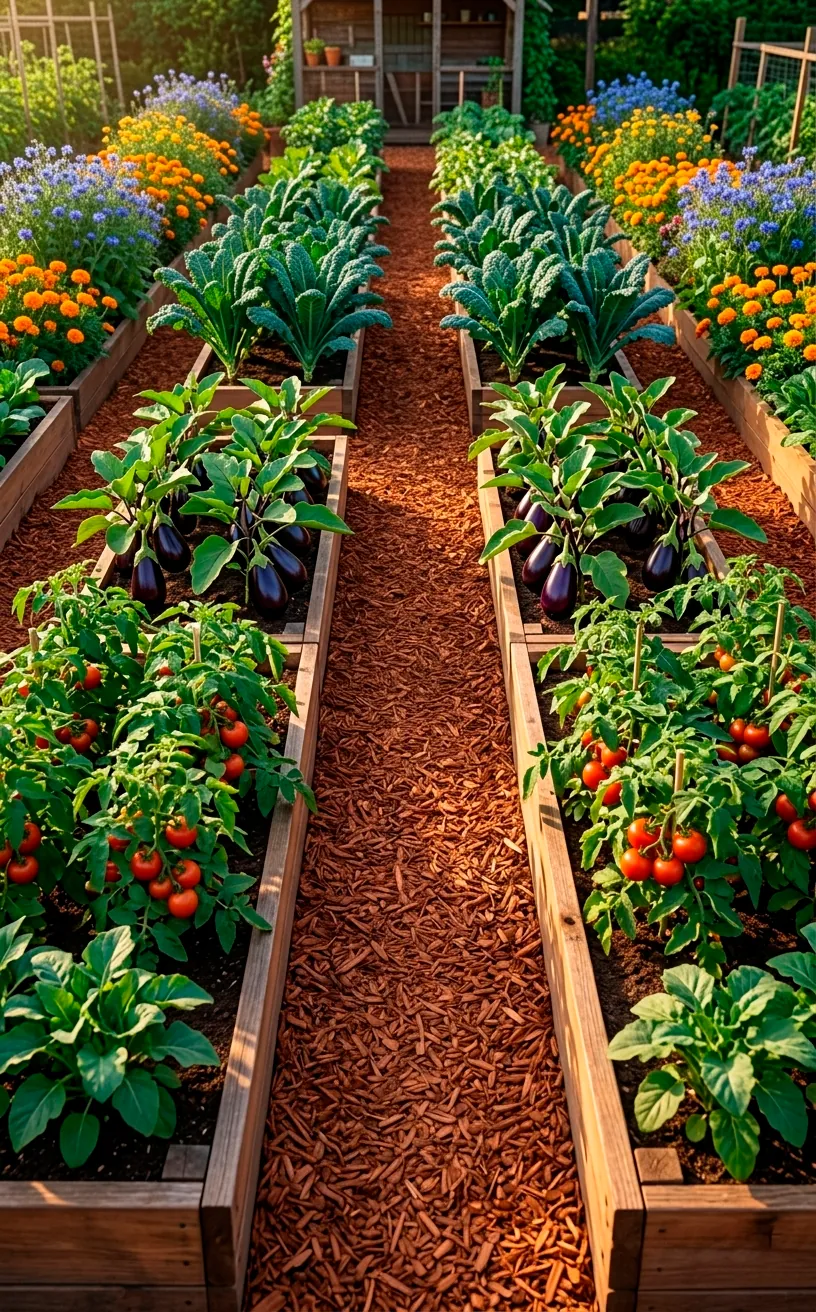
If you like things neat, tidy, and high-yielding, the classic Raised Bed Row layout with built-in pollinator borders is your soulmate. You build long, parallel beds but leave the ends open for a riot of wildflowers.
This isn’t just for looks; those flowers attract the bees and butterflies that your heirloom tomatoes desperately need for pollination. I always plant ‘Calendula’ and ‘Borage’ at the corners of my beds. It’s like setting up a five-star restaurant for local bees so they’ll stay and do the work for you.
Layout features:
- Wide paths for wheelbarrow access
- Dedicated ‘bee zones’ at the head of each row
- Consistent bed depths for root health
It’s a functional, professional-looking setup that produces massive amounts of food. You can easily rotate your crops every year to keep the soil fresh and the pests confused. Integrating flowers directly into the vegetable layout ensures a healthy, balanced backyard ecosystem. Plus, it just looks cheerful when the marigolds are in full bloom against the deep green of the veggies. Isn’t it time you gave the bees a reason to visit?
Conclusion
Choosing the right layout is the secret sauce to a garden that doesn’t feel like a chore. Whether you go for the structured beauty of a Potager or the efficient simplicity of Square Foot gardening, your heirlooms will thank you with flavor you can’t buy. I’m leaning toward building another cattle panel arch this weekend—there’s just something cool about walking under your dinner. Which layout are you grabbing first? Let me know in the comments, and happy planting!