Stop scrolling through Pinterest and actually build the room of your dreams. I spent months trying to make my bedroom look like a Victorian naturalist’s attic, and I finally cracked the code. You don’t need a massive budget, just an eye for the “dead garden” aesthetic. Let’s talk about how to make your space feel both cozy and slightly mysterious.
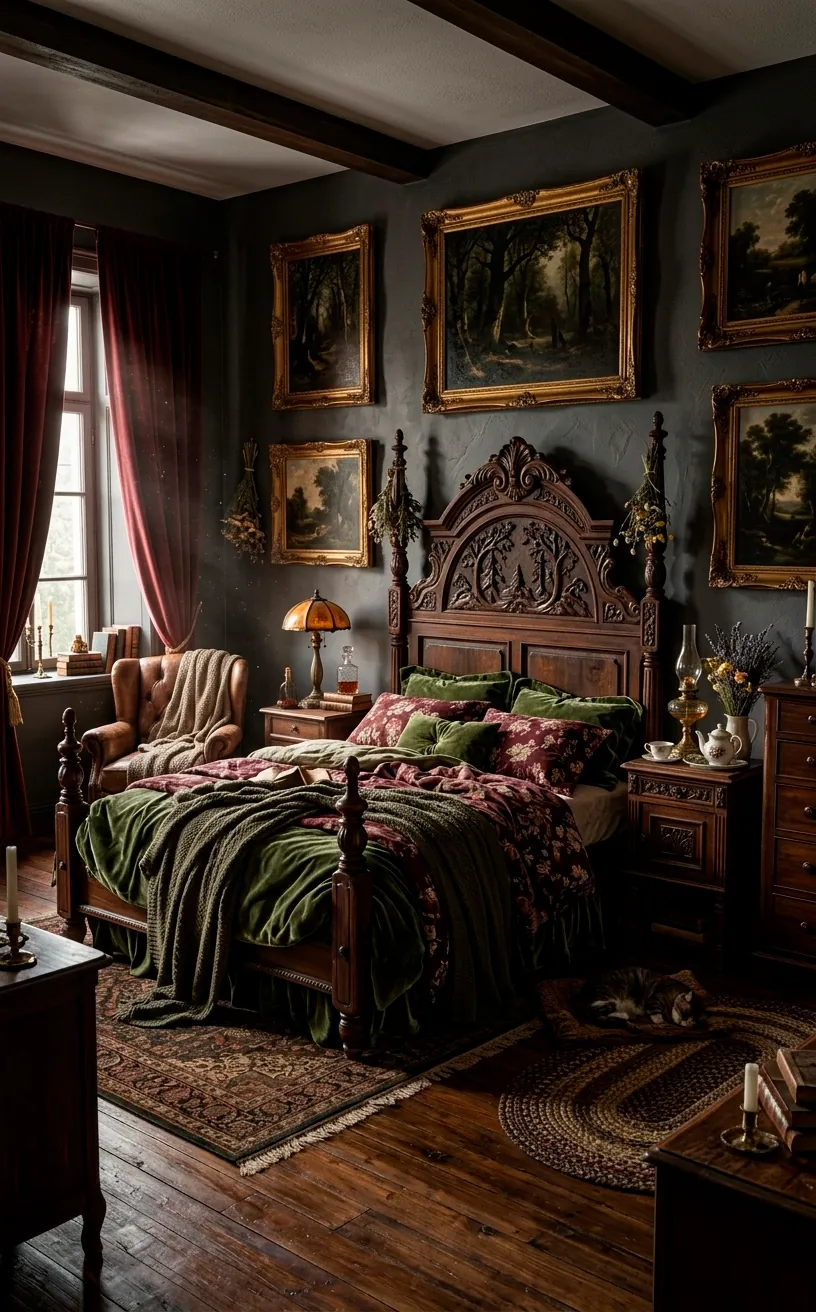
The Soul of the Room: Heavy Vintage Wood
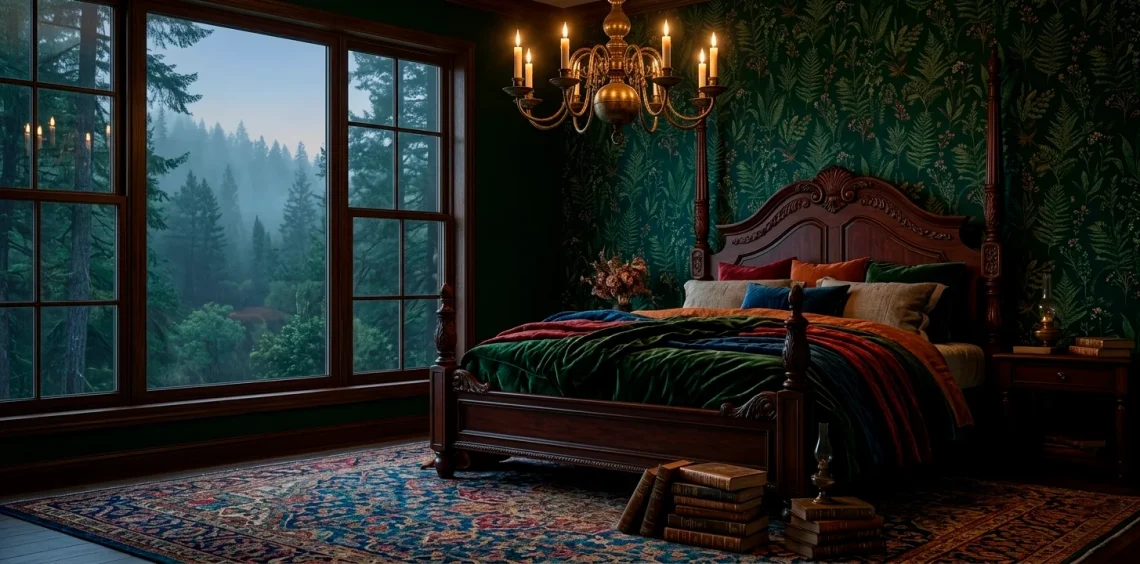
I love how a chunky, dark wood bed frame anchors a room. If your furniture doesn’t look like it belongs in a haunted mansion, are you even doing it right? Hunt for mahogany, walnut, or oak pieces at local thrift stores. I once found a nightstand that smelled like old books and cedar—absolute perfection.
Why settle for flimsy flat-pack furniture when you can have history? Heavy wood provides the structural weight that defines the “dark” in dark cottagecore. Look for turned legs, intricate carvings, and visible wood grain. These pieces tell a story that modern laminate simply can’t replicate. IMO, a slightly scratched surface adds character rather than ruining the look. 🙂
Does your current bed feel too lightweight? Consider swapping the headboard for a reclaimed vintage piece. I find that dark wood creates a beautiful contrast against lighter linens. It grounds the entire aesthetic and prevents the room from feeling too floaty or ethereal.
Botanical Drama with Moody Floral Patterns
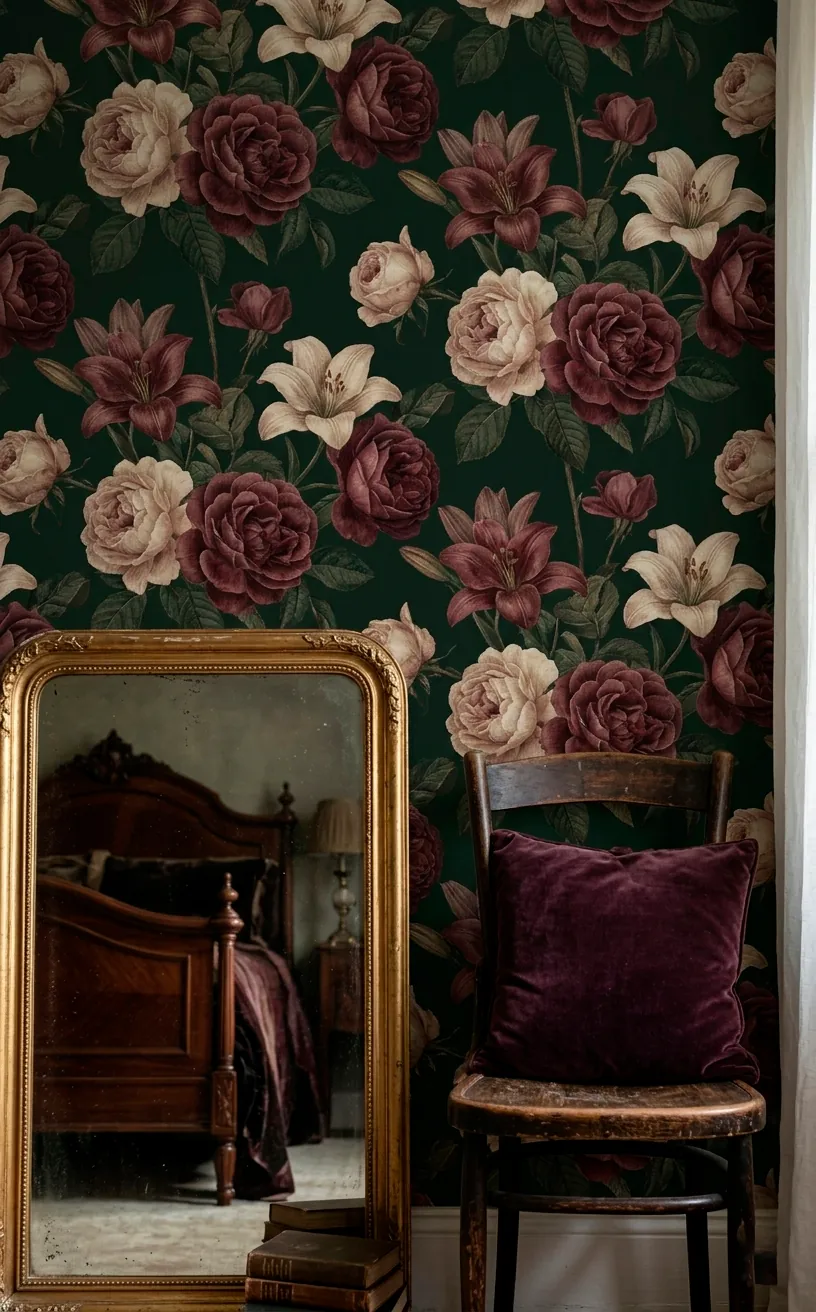
Forget grandmother’s bright pink roses. We want florals that look like they grew in the moonlight. Think deep plums, forest greens, and charcoal backgrounds. I personally think wallpaper is the way to go here. It changes the entire vibe instantly and adds a layer of sophisticated gloom.
Have you ever noticed how a dark floral pattern makes a room feel ten times more expensive? It hides imperfections and creates a sense of depth that plain paint lacks. I chose a pattern with oversized peonies on a navy base for my accent wall. It looks stunning when the evening sun hits it.
If you aren’t ready to commit to wallpaper, try textiles. A floral duvet cover or floor-to-ceiling drapes can achieve a similar effect. Just ensure the background of the print stays dark. You want the flowers to pop like jewels in the shadows. FYI, high-contrast botanicals provide the best visual interest.
Lighting the Shadows: Avoiding the Overhead Glare
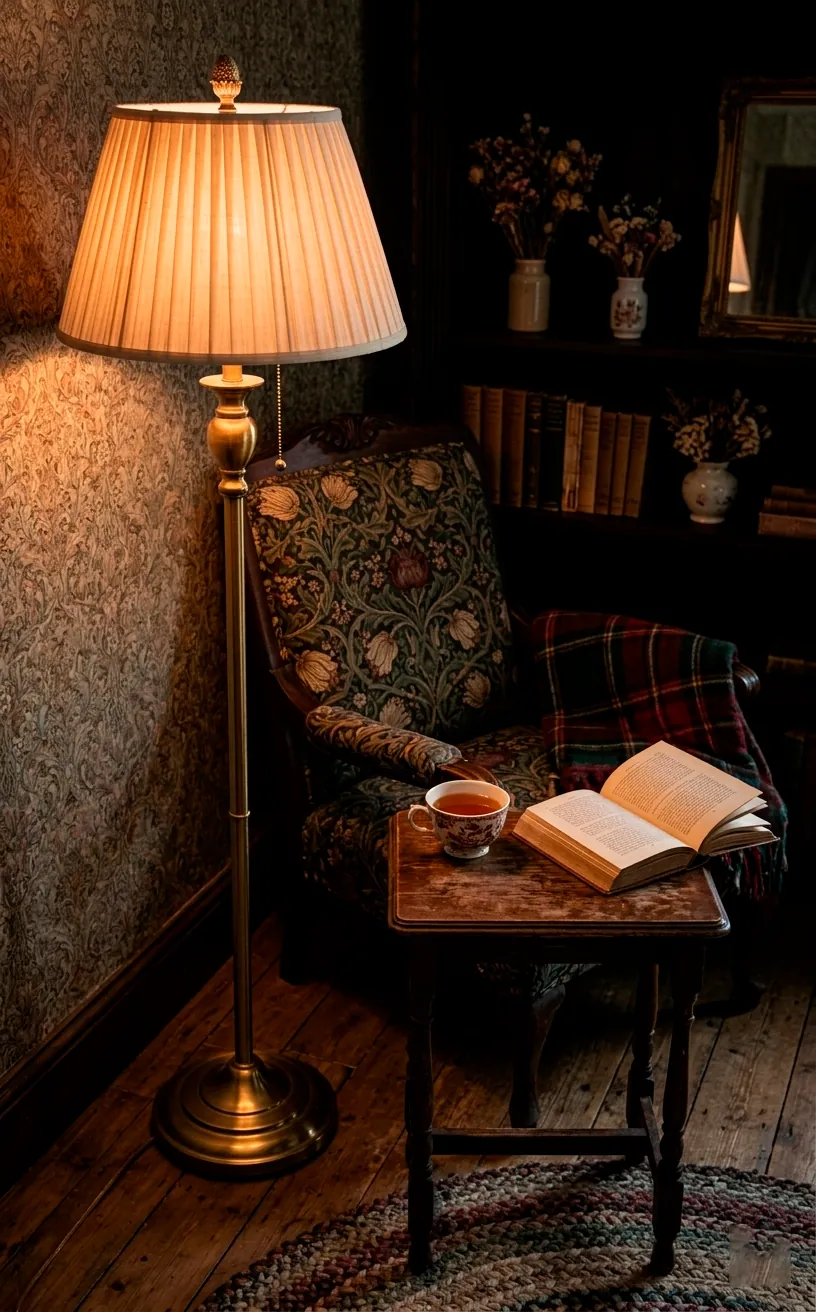
Harsh overhead lights are the absolute enemy of cottagecore. Use warm-toned bulbs and lots of secondary lamps to create pockets of light. I prefer brass finishes for that vintage touch. Who needs a ceiling fan light when you have the soft hum of a Victorian-style desk lamp?
Try placing a few flickering candles—battery-operated if you’re clumsy like me—to create that “old library” glow. I love how shadows dance on the walls when you rely on low-level lighting. It makes the wood look richer and the florals more mysterious. Does your room feel like a cozy cave yet?
I suggest adding a floor lamp next to a reading chair for a functional yet aesthetic glow. Look for pleated lampshades or stained glass details. These small choices reinforce the vintage theme without overwhelming the space. Lighting should feel intentional, not accidental.
Texture Layering for Maximum Hibernation
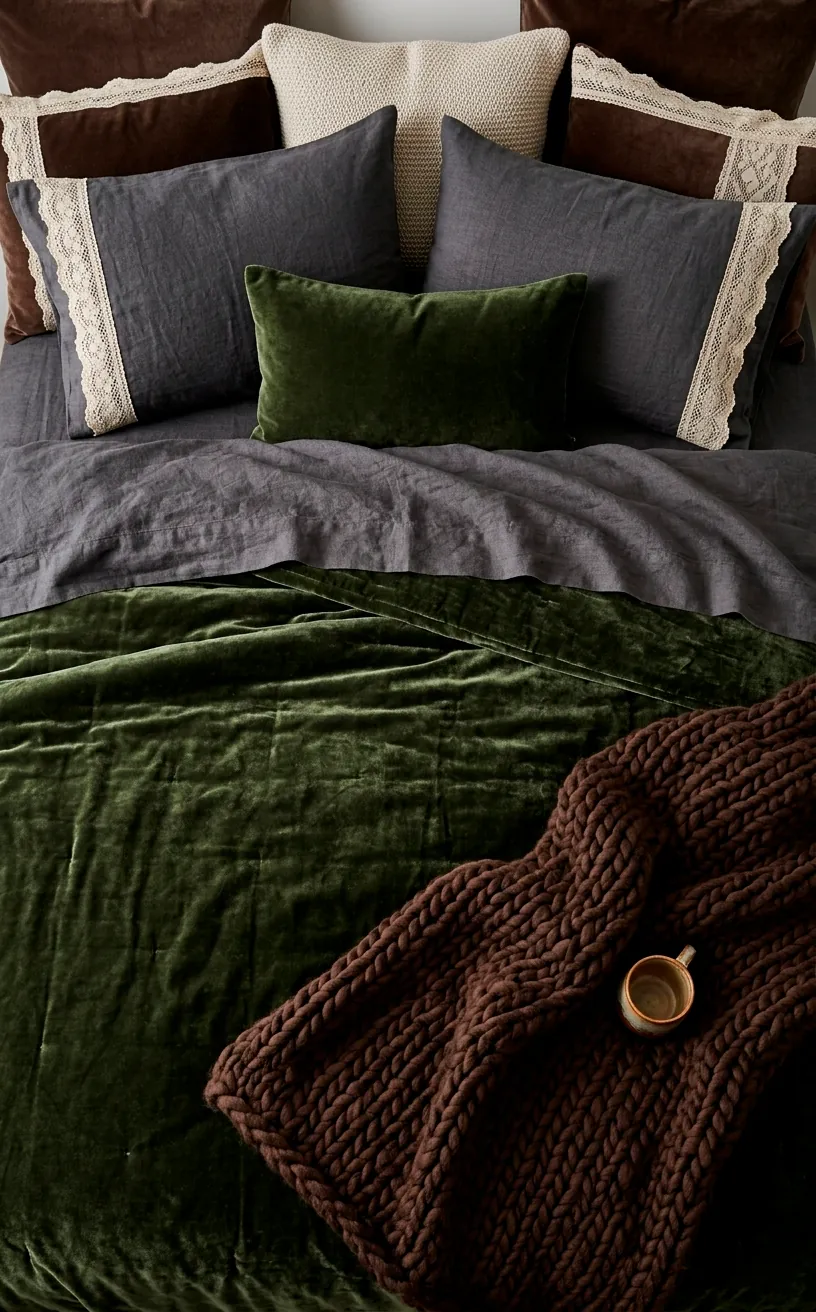
You need textures that make you want to hibernate for three months. Combine heavy velvet drapes with linen sheets. I swear by the “more is more” approach when it comes to pillows. Does it take ten minutes to clear the bed at night? Yes. Is it worth the aesthetic? Also yes.
Stick to a color palette that mirrors a forest floor: moss greens, muddy browns, and deep burgundies. I love mixing a wool throw blanket with a silk pillowcase. The contrast feels luxurious and grounded at the same time. Texture is the secret sauce that prevents dark rooms from feeling flat or cold.
Have you considered a faux-fur rug? Placing one over a hardwood floor adds immediate warmth. I find that layering different fabrics makes the room feel like it evolved over decades. It’s the opposite of a sterile showroom, and that’s exactly what we want.
Curating Your Cabinet of Curiosities
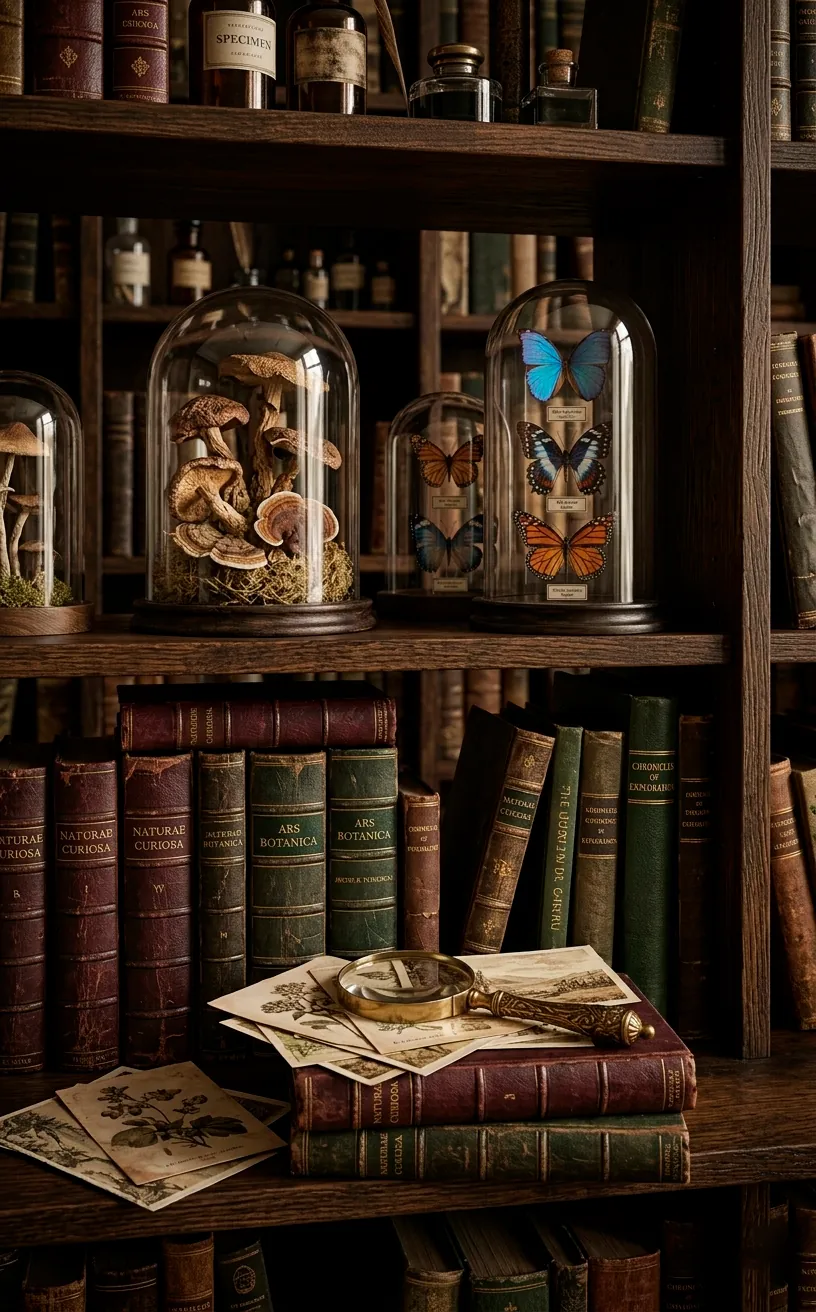
This is where the personality comes in. Fill those wooden shelves with botanical prints, dried herbs, and maybe a brass magnifying glass. I keep a jar of ethically sourced cicada wings on my dresser, which sounds weird until you see it. It adds that “mad scientist in the woods” energy we all crave.
What’s your weirdest thrift find? Display it proudly! Dark cottagecore thrives on the slightly macabre and the scientific. I recommend using glass cloches to protect your more delicate treasures. They make even a simple pinecone look like a museum artifact. It’s all about the presentation.
Avoid buying generic decor sets from big-box stores. Instead, haunt antique malls for oddities that speak to you. A weathered globe, a collection of old keys, or a set of vintage binoculars can serve as perfect focal points. These items bridge the gap between the vintage wood furniture and the natural themes.
Embracing the Depth of Dark Walls
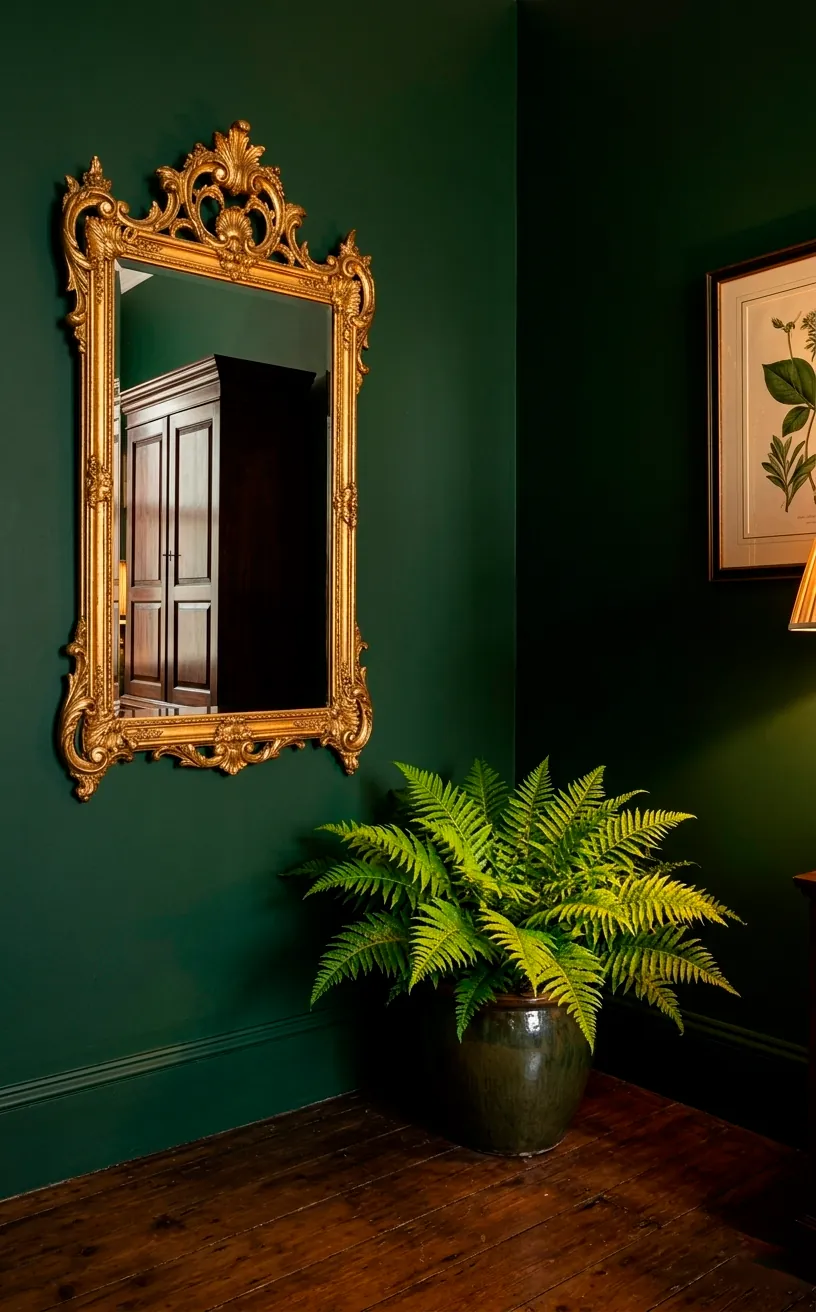
Don’t fear the dark paint. A deep teal, forest green, or charcoal wall doesn’t make a room smaller; it makes it a hug. I painted my guest room “Obsidian Green” and I never want to leave. It makes the vintage wood pop like nothing else. It’s like sleeping inside a velvet box.
Think of your walls as the canvas for your moody floral art pieces. If you go dark on the walls, your gold-framed mirrors will practically glow. I find that matte finishes work best for this style. They absorb the light in a way that feels soft and sophisticated rather than shiny and cheap.
Are you worried about the room feeling like a cave? Balance the dark walls with a lighter ceiling or a large, bright rug. This keeps the space from feeling claustrophobic while maintaining the moody atmosphere. It’s all about the balance between the shadows and the light. :/
The Living and the Dead: Botanical Accents
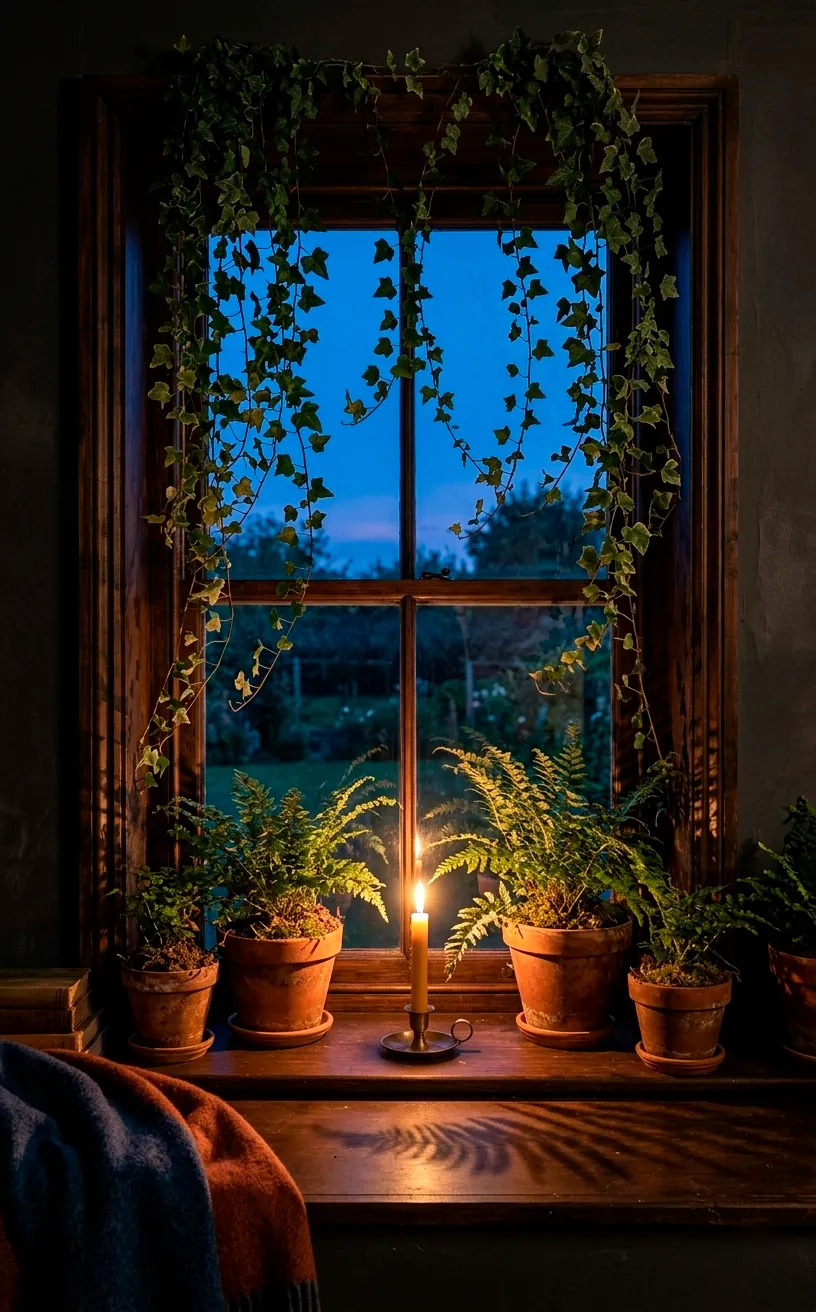
Plants are essential, but keep them moody. Ferns and ivy fit the vibe better than bright succulents. I also love mixing in dried eucalyptus or pressed flowers in gold frames. It bridges the gap between the vintage wood and the floral patterns perfectly. It brings the garden inside, even if it’s a dormant one.
I suggest hanging some dried lavender or herbs from a wooden rack. Not only does it look incredible, but it also makes the room smell like a cottage in the woods. I personally love the look of a climbing ivy plant trailing down a dark wood bookshelf. It adds a sense of life to the darker elements.
Ready to turn your bedroom into a dark, leafy sanctuary? Start small with a few terracotta pots and some moss. You don’t need a green thumb to master this; even high-quality dried botanicals can do the trick. Which plant are you adding first? Let me know in the comments!
Conclusion
Mastering the dark cottagecore look is all about leaning into the mystery. When you combine heavy, vintage wood with those moody floral patterns, you create a space that feels both timeless and deeply personal. I’ve found that the best rooms aren’t the most expensive ones, but the ones that feel collected over time. Don’t be afraid to experiment with dark colors and weird thrift finds! Start with one piece of furniture and build your sanctuary from there. Which part of this aesthetic are you grabbing first? Let me know in the comments—I’d love to hear about your progress. Happy decorating!