Skip to content
Stop staring at that plain doorway. You deserve a secret lair, not just a room. I built my first ‘Screaming Room’—don’t ask—last year, and nothing beats the look on a guest’s face when a wall of books swings open. Ready to channel your inner Batman? This guide shows you how to build a door that stays hidden and actually works. 🙂
Plotting the Great Escape
Before you grab a saw, you need a plan. Does your floor have the strength to hold 300 pounds of ‘Lord of the Rings’ hardbacks? Most people forget that a moving wall puts massive stress on the floor joists. You must decide if the door swings in or out. IMO, an inward swing hides the gaps better. Ever seen a door sag and ruin a hardwood floor? I have, and it isn’t pretty. Measure your opening three times because a single quarter-inch mistake will turn your ‘secret’ door into a very obvious, stuck piece of furniture. :/

Selecting Your Heavy Lifters
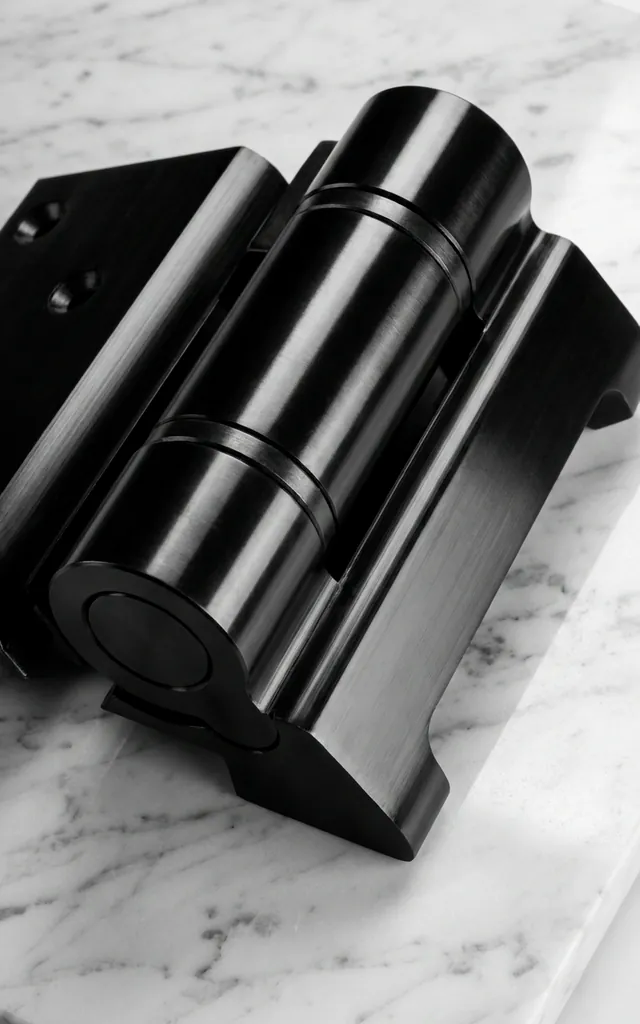
You can’t use standard hinges for this project. Unless you want the whole thing to fall on your head? Standard door hinges will scream under the weight of a loaded bookcase. Buy a dedicated pivot hinge kit instead. These beauties transfer the weight directly into the floor. I prefer steel over aluminum for the frame supports. Will you choose solid oak or lightweight plywood with a veneer? Solid wood looks better, but your biceps—and your floor—might prefer the lighter stuff. Grab some wood glue and pocket hole screws to keep the joints tight.
A useful little gift for your home
🎁 Free Plant Finder Tool
Filter 250+ houseplants by style, size, and care level to find your perfect green companion in seconds.
We’ll email you the link. Plus, you’ll join our newsletter for fresh home inspiration.
Building the Skeleton
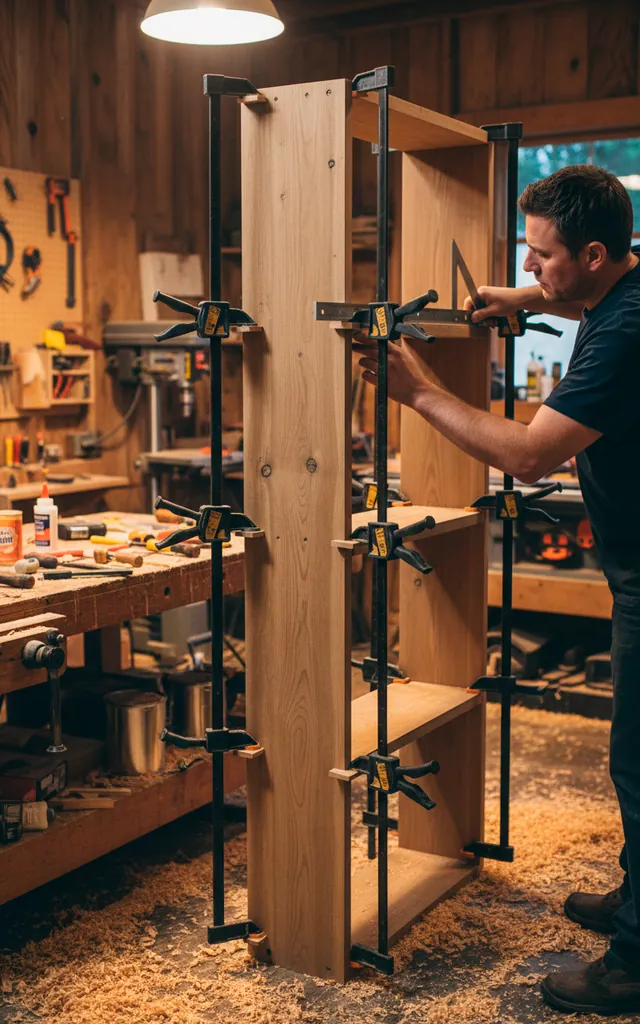
Build the bookcase box with absolute precision. A wonky box means a door that never closes. I use 3/4-inch plywood for the carcass because it resists warping. Did you know that a perfectly square back panel provides most of your structural integrity? Glue and screw every single shelf into place. If you use adjustable shelves, the whole unit might rack and lean over time. FYI, I always add a thin bead of construction adhesive to the back panel. It stops the ‘creak of doom’ every time you open the door. Your cat will thank you for the silence.
The Invisible Magic Trick
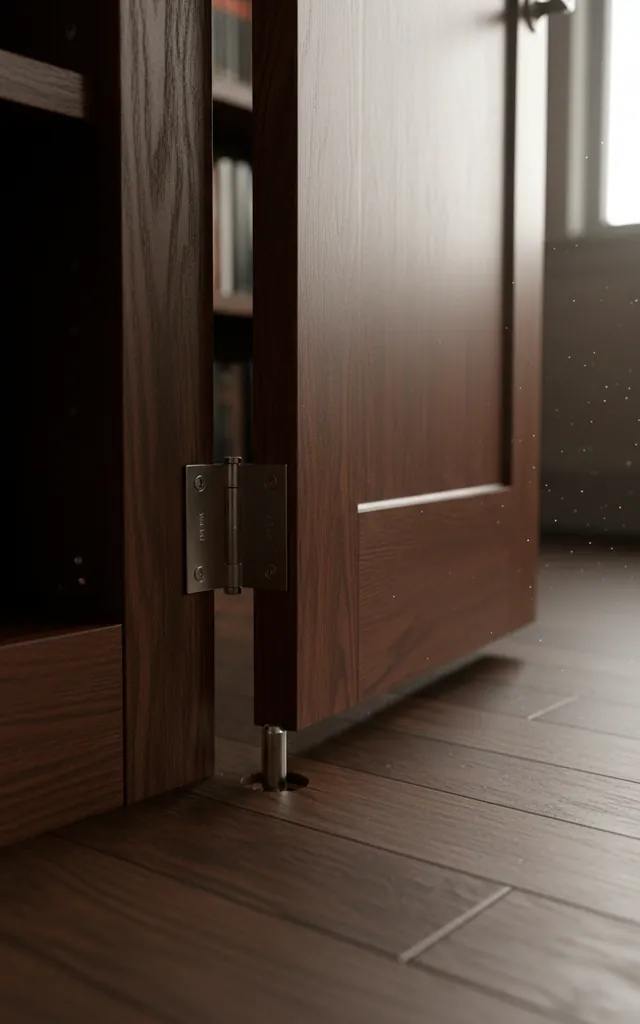
Installing the pivot hinge requires a steady hand and a bit of patience. You must align the top and bottom pivot points perfectly. If they are even a hair off, the door will swing wildly or refuse to stay shut. I use a plumb bob to find the exact center. Does the thought of drilling into your floor terrify you? It should, but it’s the only way to ensure stability. Once the hinges are in, test the swing while the bookcase is empty. It should move with a single finger. If it feels heavy now, just wait until you add the books!
Mastering the Art of Disguise
The secret is in the trim. If you leave a giant gap around the door, it’s just a weirdly thick door, not a hidden passage. You need to overlap the molding. I attach the decorative trim to the bookcase itself so it covers the gap when closed. Use ‘case molding’ that matches the rest of your library. Do you want it to look seamless? Paint or stain the trim at the same time as the shelves. I once forgot this and ended up with two different shades of ‘Mahogany.’ It looked like a DIY disaster, so don’t be like me.

The Load Balanced Life
Now comes the fun part: filling the shelves. But wait! Don’t just cram heavy encyclopedias on the outer edge. You must distribute the weight toward the hinge side. This reduces the leverage on the pivot and prevents the dreaded ‘toe-drag.’ I put my heaviest hardcovers near the wall and use the outer shelves for lighter paperbacks or decorative knick-knacks. Ever noticed how a door feels different when it’s full? Test the swing after every shelf you fill. It’s like a workout, but at the end, you get a secret room instead of just sore lats.

Latching the Mystery
How do you open the thing? You could use a boring handle, but where is the fun in that? I installed a magnetic latch that releases when I pull on a specific ‘dummy’ book. It feels like a movie every time I do it. You can also use a mechanical ‘touch-latch’ where you just push the shelf to pop it open. Just make sure the latch is strong enough to hold the door flush against the wall. Nothing ruins the vibe like a secret door that hangs open an inch. IMO, the ‘book-pull’ method is the undisputed king of cool.

A useful little gift for your home
🎁 Free Plant Finder Tool
Filter 250+ houseplants by style, size, and care level to find your perfect green companion in seconds.
We’ll email you the link. Plus, you’ll join our newsletter for fresh home inspiration.
Your Secret Journey Begins
You did it. You turned a standard wall into a gateway to another world. Building a hidden bookcase door isn’t just about carpentry; it’s about reclaiming a bit of childhood wonder. Now, go grab a glass of scotch, head into your secret room, and hide from your responsibilities for a while. You’ve earned the right to be a little mysterious. Ready to start your next build? 🙂