Skip to content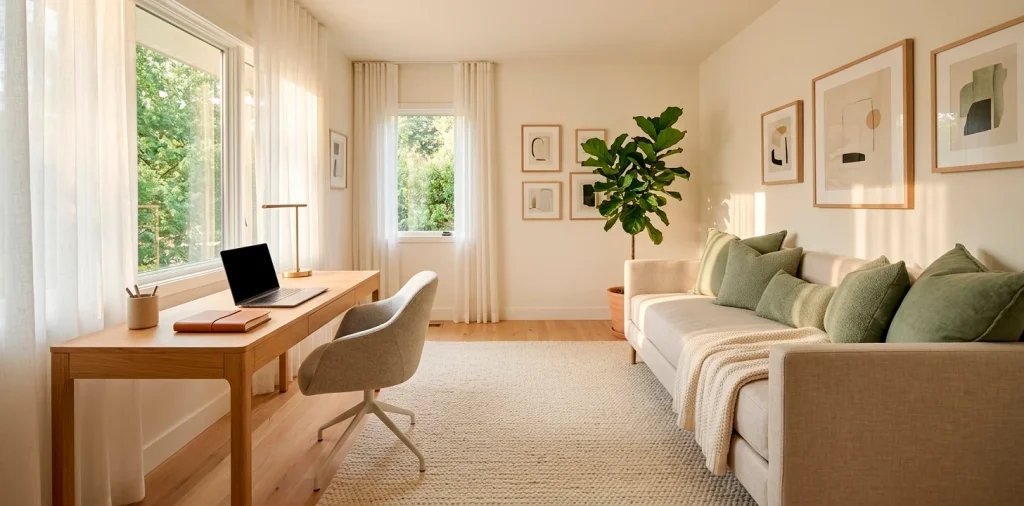
Let’s face it: nobody actually wants to sleep three feet away from a stack of tax returns and a tangle of charging cables. I’ve spent way too many nights trying to ignore my laptop glowing like a judgmental ghost while I’m in ‘guest mode.’ Creating a space that serves both your 9-to-5 grind and your Aunt Linda’s weekend visit requires more than just shoving a desk in a corner. You want a room that breathes productivity by day and exhales pure relaxation by night. Ready to stop working from your bed and start designing a space that actually makes sense? Let’s get into how you can master this layout without losing your mind—or your aesthetic.
Zoning Your Space for Sanity
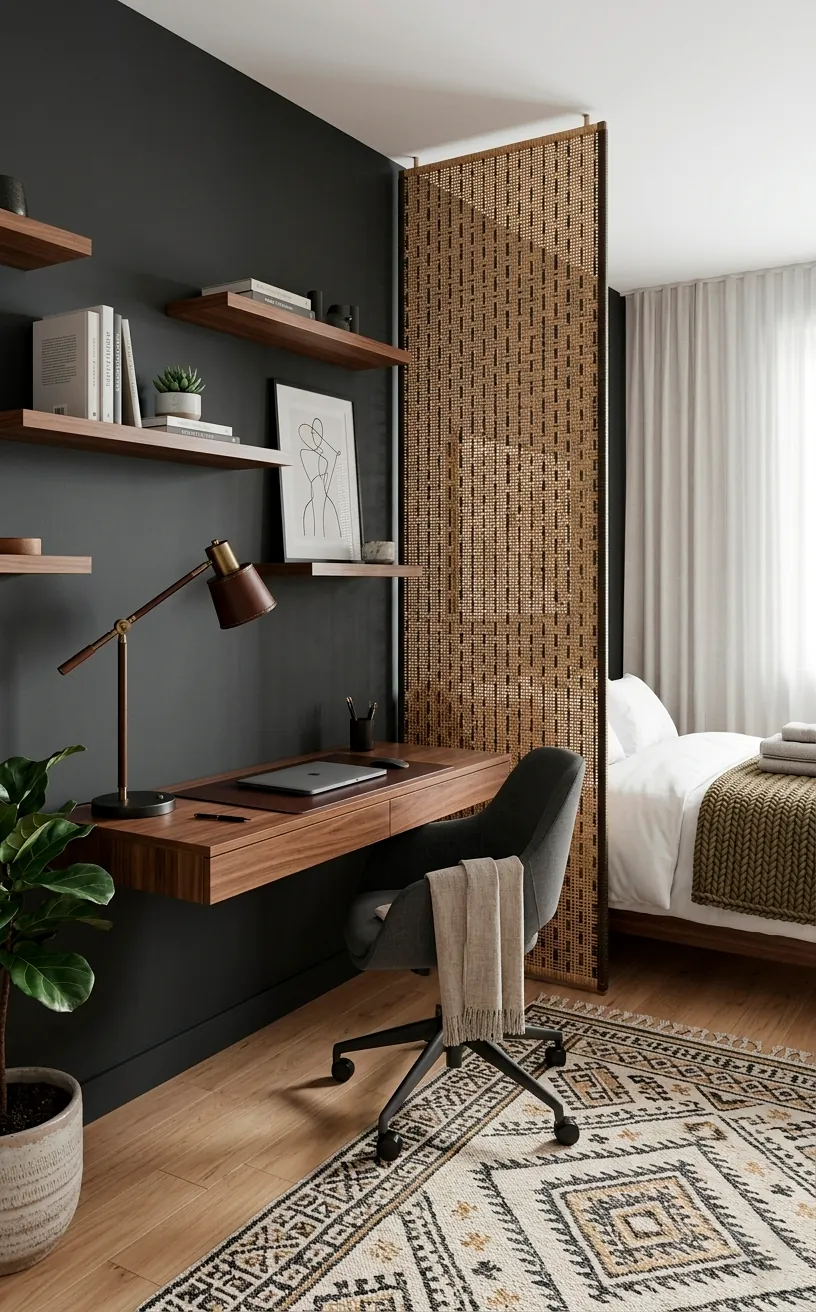
Ever noticed how your brain refuses to switch off when your desk is staring you down? I recommend physically or visually separating the work zone from the sleep zone to keep your sanity intact. Use a tall bookshelf or even a chic folding screen to create a barrier that says ‘the office is closed.’ If the room is too small for furniture dividers, use a distinctive area rug to anchor the office nook. This creates a psychological boundary that helps you leave work behind when you step onto the ‘sleep’ side of the room. FYI, a clear layout is the difference between a functional hybrid and a cluttered mess.
The Magic of Convertible Furniture
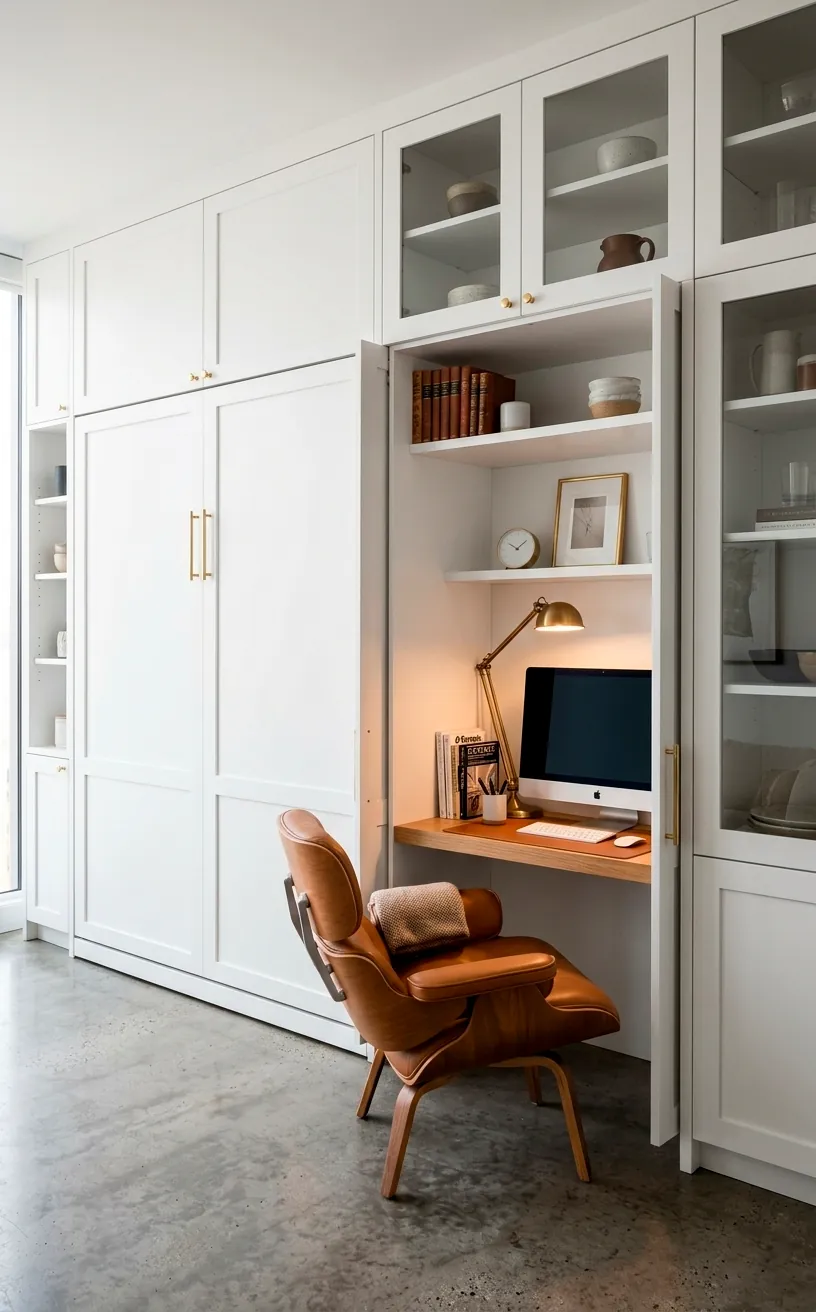
If you’re still rocking a massive king-sized bed in a tiny office, you’re basically suffocating your productivity. Why let a bed hog all that precious real estate 340 days a year? I swear by Murphy beds or high-quality sleeper sofas for these hybrid rooms.
They disappear into the wall or transform into a couch, giving you back the floor space you need for a proper ergonomic setup. I once tried to fit a full desk next to a guest bed and ended up bruising my shins every time I sat down. Sarcastic cheers to that, right?
A useful little gift for your home
🎁 Free Plant Finder Tool
Filter 250+ houseplants by style, size, and care level to find your perfect green companion in seconds.
We’ll email you the link. Plus, you’ll join our newsletter for fresh home inspiration.
Productivity-boosting furniture picks:
- Wall-mounted Murphy bed with integrated shelving
- Modern velvet sleeper sofa with memory foam
- Nesting side tables that work as nightstands or printer stands
IMO, investing in a bed that hides away is the smartest move for small rooms. For more on creating the perfect stay, check out this guide to guest room design principles.
Lighting for Two Different Moods
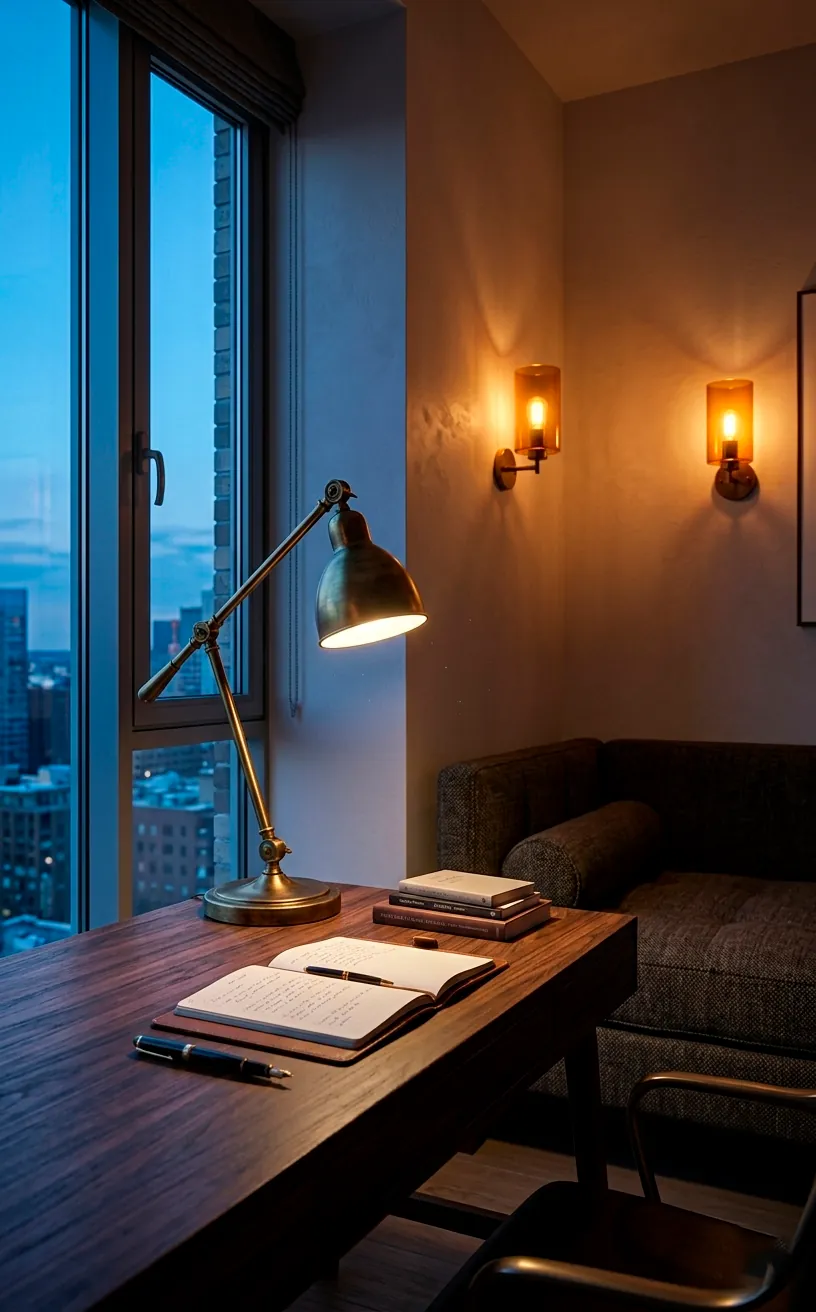
Lighting is where most people fail. You need bright, cool-toned task lighting to keep you awake during that 3 PM slump, but your guests need warm, dimmable ambient light to feel at home. Ever tried to relax in a room that feels like a sterile dental office? It’s not great. I use a smart bulb system so I can flip a switch and change the entire vibe from ‘PowerPoint pro’ to ‘cozy retreat.’
I recommend layering your light sources. Use a dedicated LED desk lamp for focus work and separate bedside sconces for your guests. This prevents the room from feeling like a cubicle at night. A well-lit space doesn’t just look better; it actually tells your brain when it’s time to hustle and when it’s time to hibernate.
Concealing the Office Chaos
Let’s be real: no guest wants to stare at your tangled mess of monitor cables and half-empty coffee mugs. Visual clutter is the ultimate guest-room vibe-killer. I always tell people to hide the hardware whenever possible.
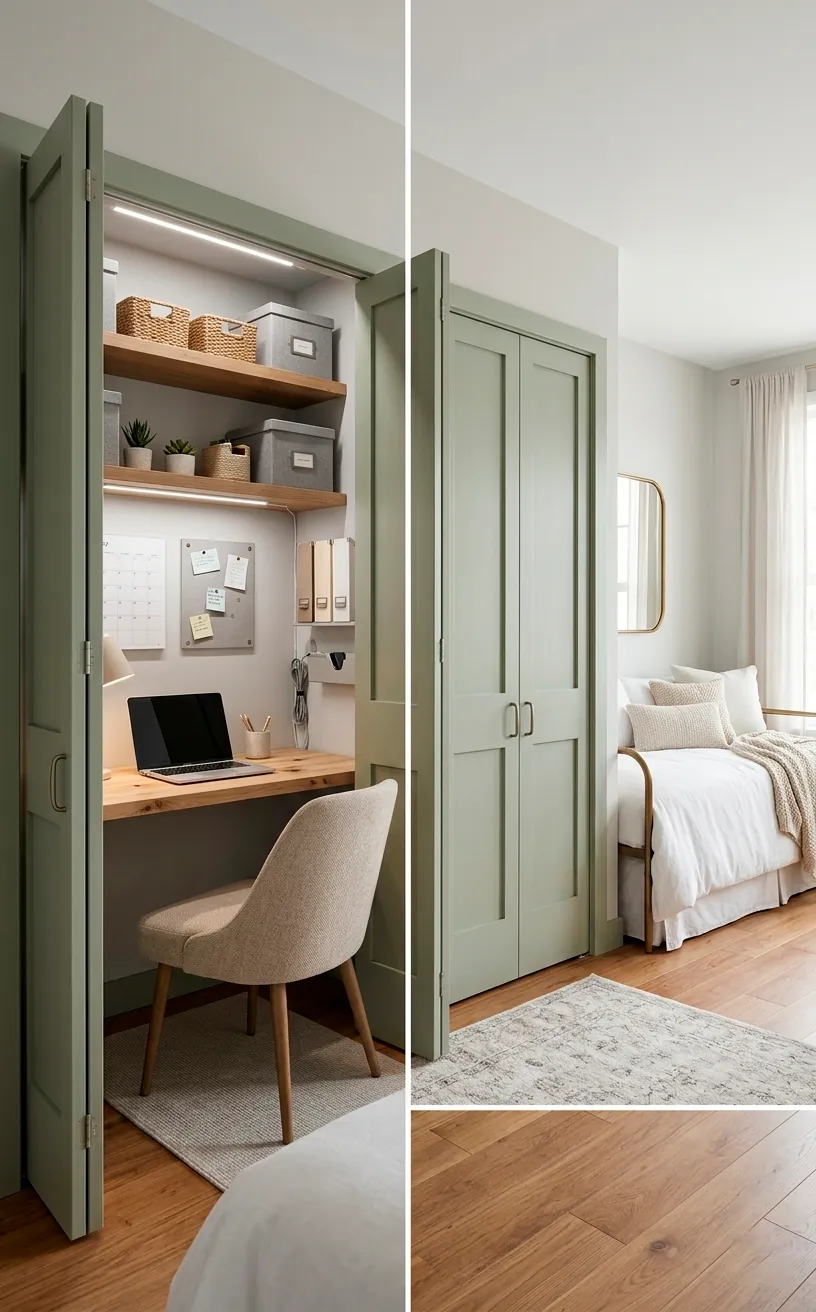
I use a desk with drawers or a dedicated cabinet to shove my laptop and peripherals into at the end of the day. If you can’t hide the desk, at least manage those cables! A tidy desk makes the room feel like a sanctuary rather than a chore list.
Organizational must-haves:
- Cable management boxes for floor tangles
- Decorative baskets for office supplies
- Under-desk trays to keep power strips off the floor
- Floating shelves to keep the desk surface clear
Nothing says ‘welcome’ like a clear surface. If you need more inspiration for a stylish workspace, you’ll love these ways to make a home office chic and functional.
Your guests will thank you for not making them sleep in a server room. Trust me, the extra effort in hiding the ‘office’ part of the combo pays off in massive style points.
Cohesive Decor and Color Palettes
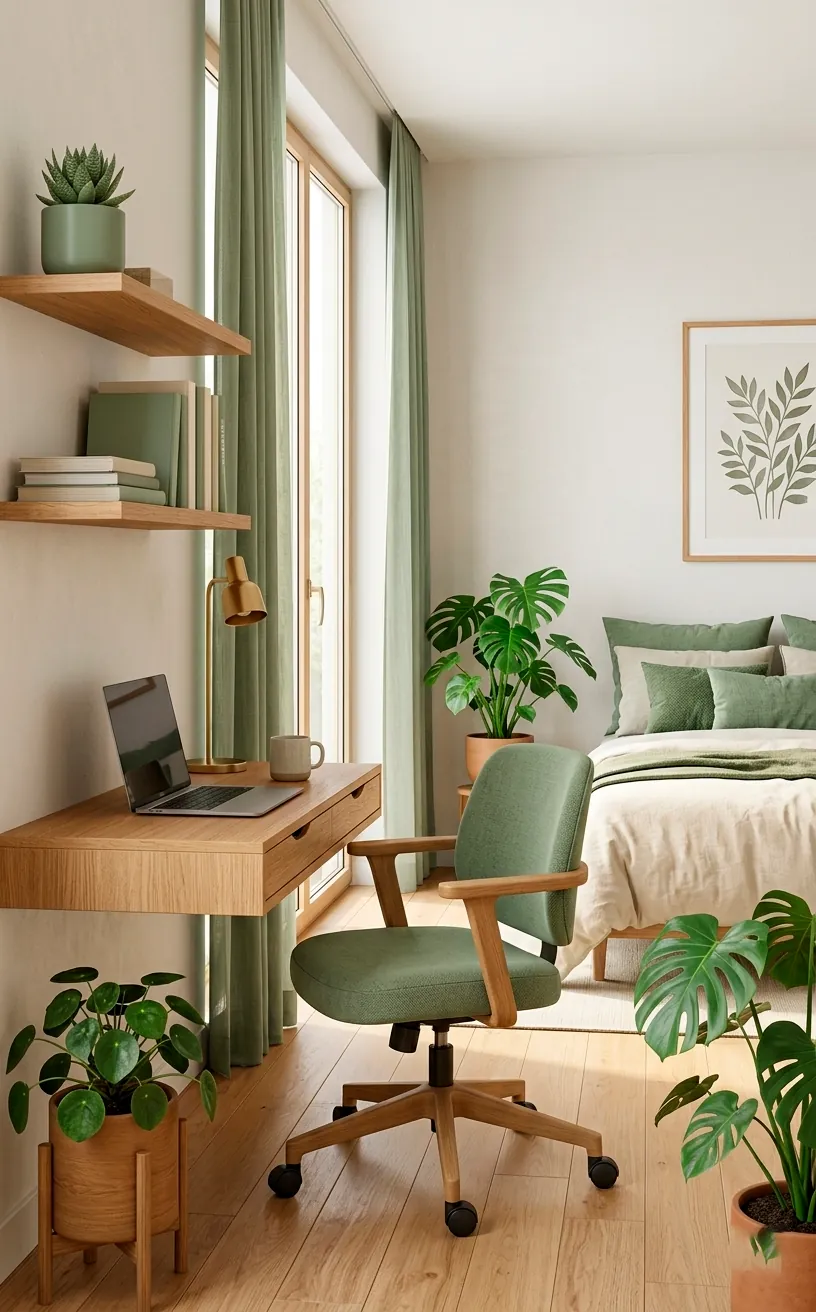
How do you make a printer look like it belongs next to a decorative pillow? You don’t—you distract from it with a unified color palette. I suggest sticking to neutrals with one or two ‘bridge’ colors that appear in both your office chair and your bedding. This makes the room feel like one intentional design rather than two rooms fighting for dominance.
I personally love using sage green or navy to ground the space. These colors are professional enough for a Zoom call backdrop but soothing enough for a guest to catch some Z’s. Sprinkle in some natural textures like wood, linen, and a few plants to soften the ‘techy’ feel of the office equipment. Does your office chair currently match your duvet? If not, it might be time for a quick decor audit.
A useful little gift for your home
🎁 Free Plant Finder Tool
Filter 250+ houseplants by style, size, and care level to find your perfect green companion in seconds.
We’ll email you the link. Plus, you’ll join our newsletter for fresh home inspiration.
Harmony Achieved
Designing a guest room office combo doesn’t have to be a compromise that leaves everyone unhappy. By focusing on smart zoning, hidden storage, and a cohesive color palette, you create a room that works as hard as you do during the week and relaxes as deeply as your guests do on the weekend. Remember, the goal is a space where you can smash your deadlines without feeling like you’re living in a cubicle. Which part of your hybrid room are you going to tackle first? Let me know in the comments if you’ve found a genius way to hide your printer that I haven’t tried yet!