Skip to content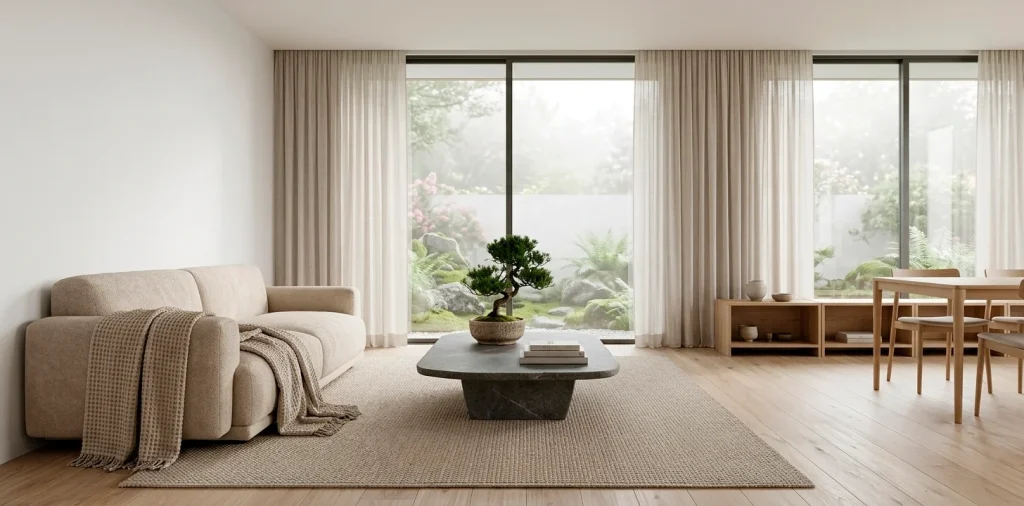
Stop trying to choose between a sleek Tokyo loft and a cozy Swedish cabin. Why not have both? Japandi—or what I like to call ‘The Zen Facade’—is the ultimate design hack for anyone who wants a home that feels organized yet actually livable. I’ve spent way too long obsessing over how to mix these two worlds without making my house look like an empty art gallery. It’s all about finding that sweet spot between ‘get rid of everything’ and ‘staying warm.’ Trust me, your soul (and your messy coffee table) will thank you once you master this balance. Let’s get into how we can actually pull this off without losing our minds or our favorite blankets.
The Soul of the Hybrid Vibe
I think of Japandi as the perfect marriage between two cultures that hate clutter but love a good nap. On one side, you have the Japanese principle of Wabi-sabi, which finds beauty in things that are imperfect and old. On the other side, you have the Nordic Hygge, which basically translates to ‘being as cozy as humanly possible.’ Ever wondered why they work so well together? It’s because they both prioritize function over flash.
You aren’t just buying furniture; you’re curating a lifestyle that doesn’t require a weekend-long deep clean every Friday. IMO, the magic happens when you pair the strict, clean lines of the East with the soft, fuzzy textures of the North. It stops the room from feeling too cold or, frankly, too boring. If you do it right, your home becomes a sanctuary where you can actually breathe.
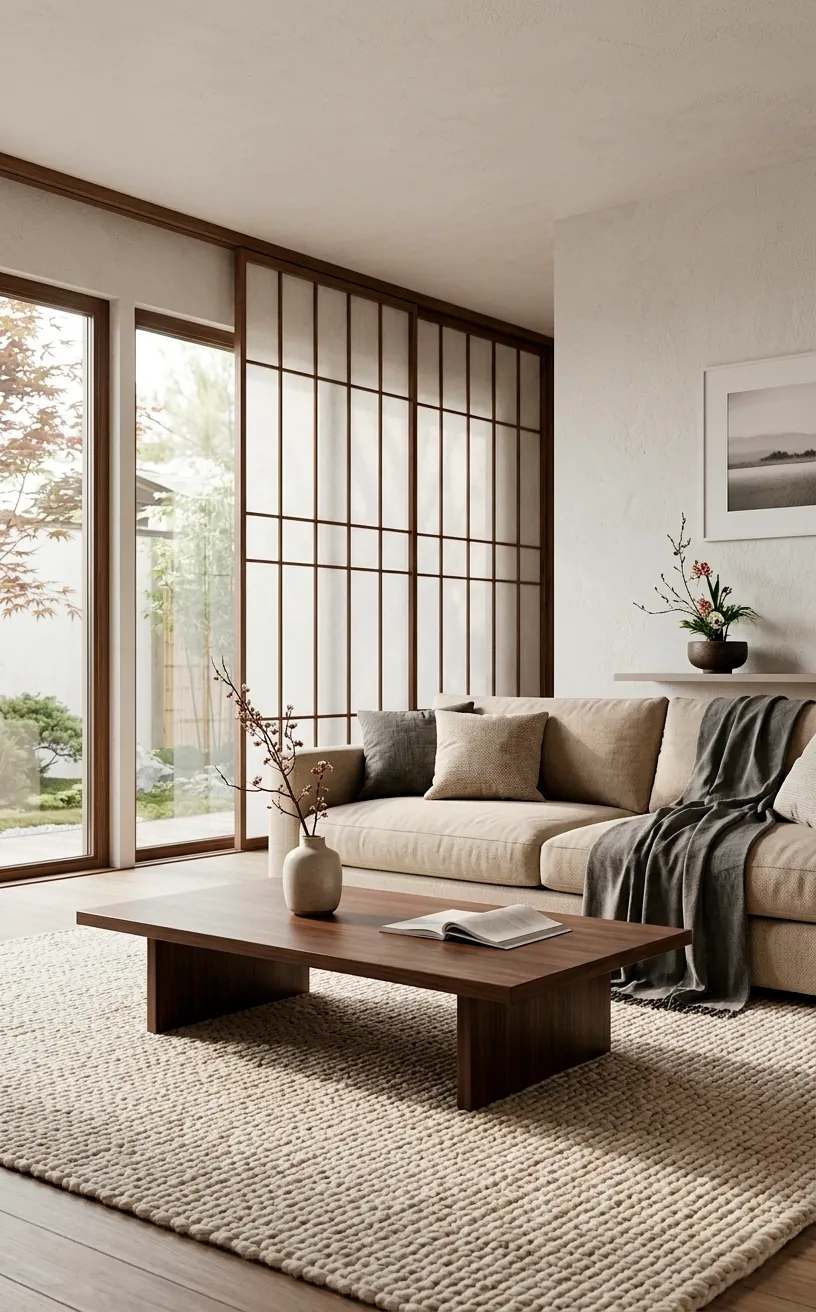
Colors That Don’t Scream at You
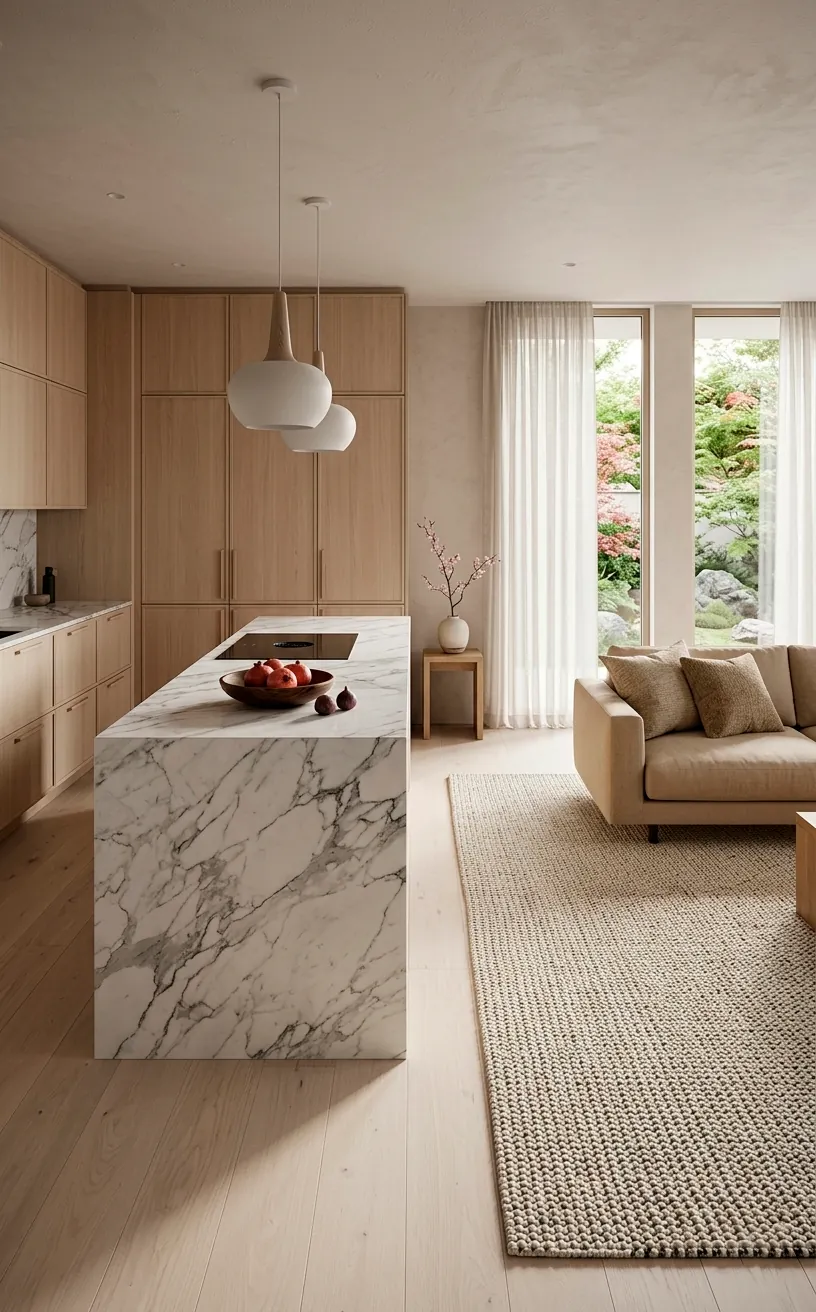
If you love neon pink, I have some bad news for you. The Zen Facade thrives on a palette that feels like a warm hug from a cloud. We’re talking muted earth tones, charcoal, and lots of beige. But don’t let that fool you into thinking it’s dull! I love using deep navy or forest green as an accent to ground the space. You can easily integrate these shades by adding a few natural bamboo elements or dark ceramic vases. It’s all about creating contrast without causing a visual headache. Seriously, your eyes deserve a break from the digital chaos of the outside world, right?
A useful little gift for your home
🎁 Free Plant Finder Tool
Filter 250+ houseplants by style, size, and care level to find your perfect green companion in seconds.
We’ll email you the link. Plus, you’ll join our newsletter for fresh home inspiration.
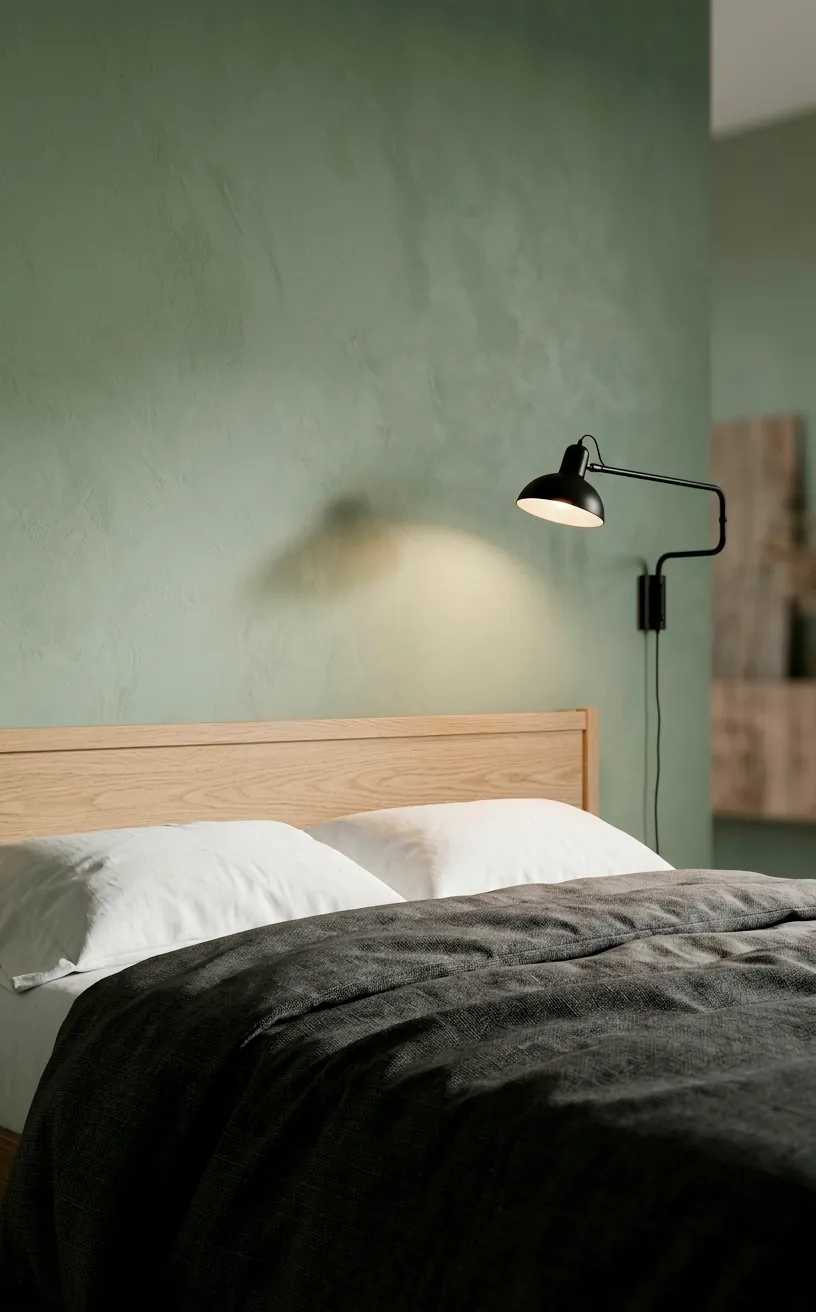
Texture Over Clutter Every Time
The biggest mistake people make is thinking ‘minimalism’ means ’empty.’ That’s just sad. In a Japandi home, texture is your best friend because it adds visual interest without adding physical junk.
I’ve found that mixing materials is the secret sauce here.
Texture combinations to try:
- Rough-hewn wood paired with smooth polished stone.
- Soft sheepskin rugs over cold concrete or hardwood floors.
- Woven rattan baskets next to sleek metal frames.
- Raw linen curtains that catch the afternoon breeze.
Does your living room feel a bit ‘blah’? Add a textured wall or a high-pile rug. It’s the easiest way to make a space feel finished without buying twenty tiny plastic knick-knacks you’ll eventually trip over. FYI, your cat will also appreciate the extra fluff.
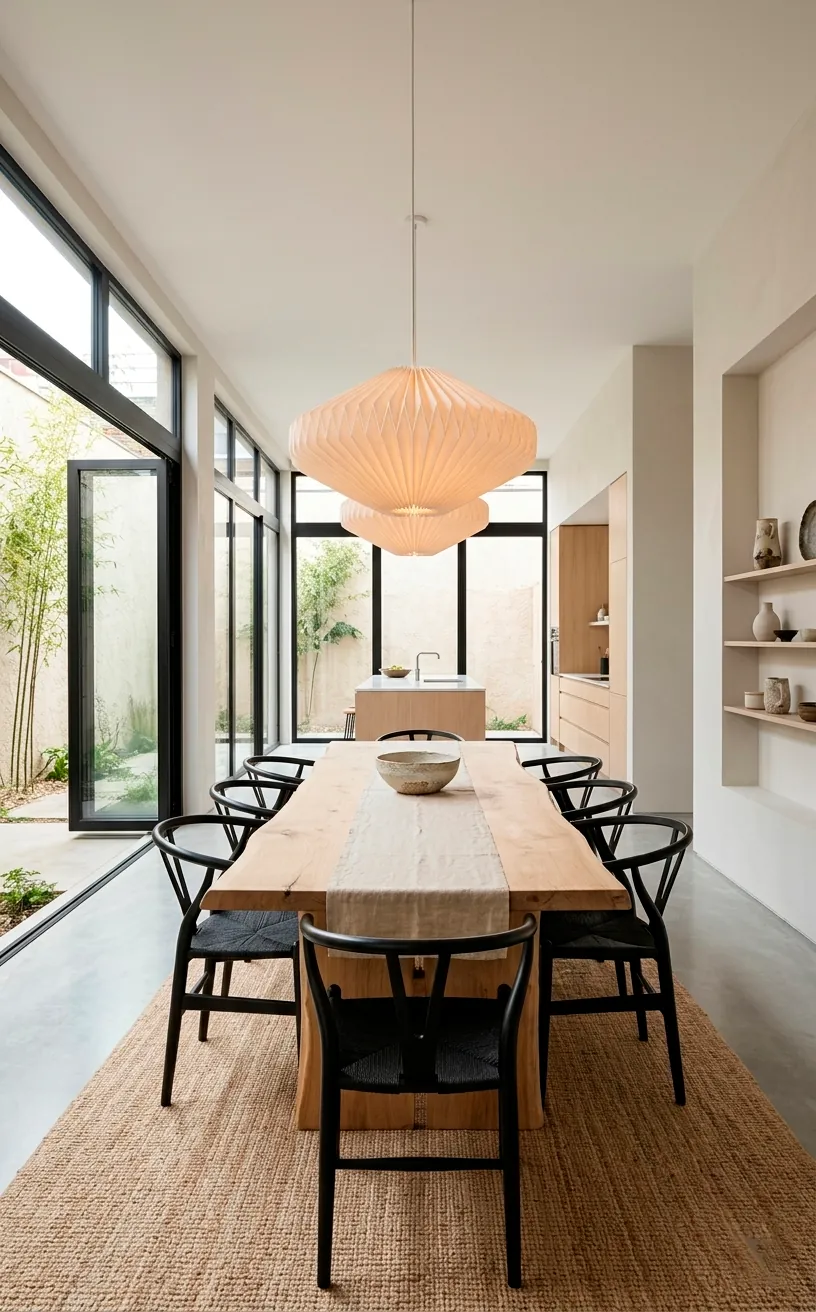
Furniture: The Hybrid Masterclass
Japanese furniture usually sits low to the ground to keep things grounded and airy. Nordic furniture, meanwhile, focuses on the curves and the ‘how does this feel when I sit in it for four hours’ factor. When you combine them, you get pieces that look like art but feel like heaven. I always suggest starting with the big stuff first. If you’re stuck with a tiny apartment, focus on mastering Scandi style studio apartments by picking multi-functional pieces with slim legs. It keeps the floor visible, which tricks your brain into thinking the room is way bigger than it actually is. It’s basically magic, but with wood and screws.
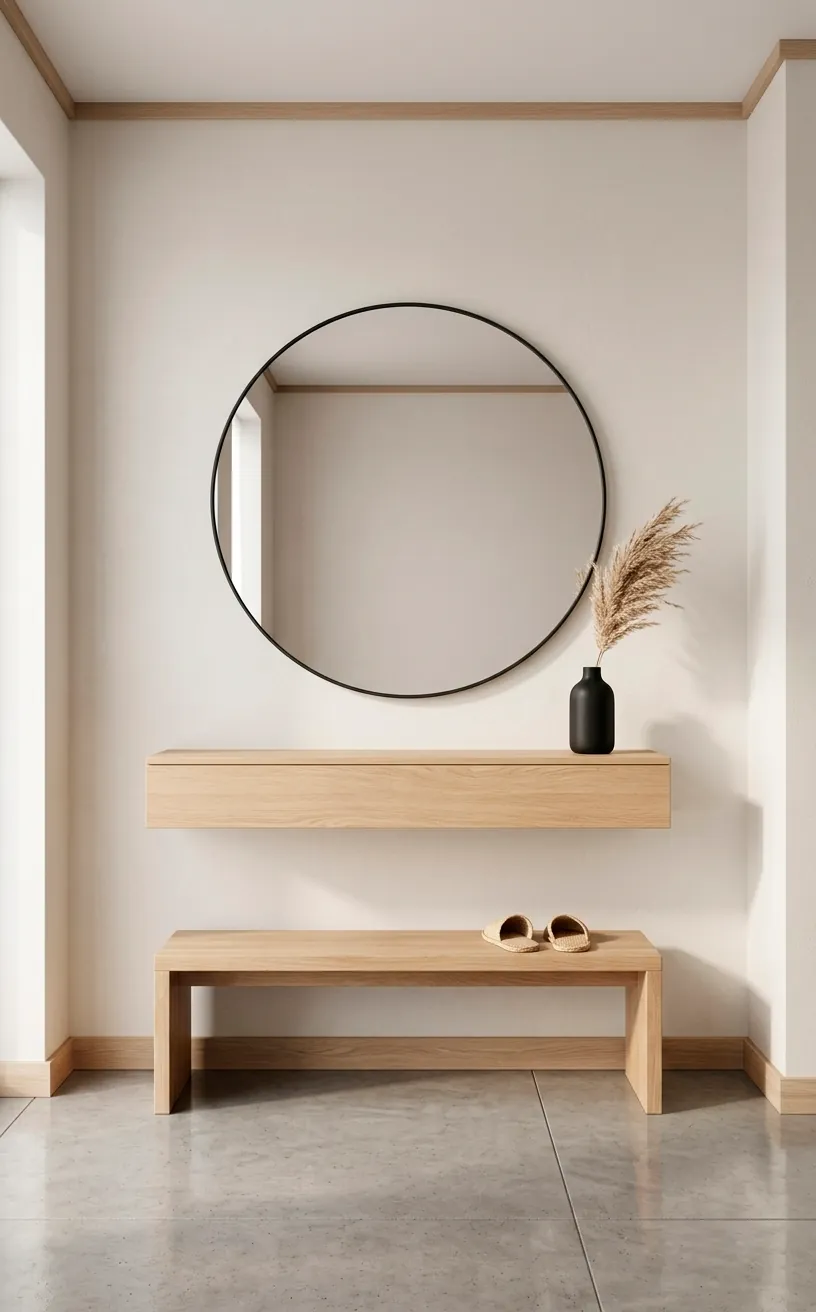
Living with Intentionality
At the end of the day, Japandi isn’t just a Pinterest trend; it’s a vibe check for your life. Do you really need that stack of mail from 2019? Probably not.
This style forces you to ask: ‘Does this thing serve a purpose or bring me joy?’ If the answer is no, out it goes. I’ve noticed that when my space is clear, my head feels clearer too.
Tips for staying Zen:
- Use hidden storage to tuck away the electronics and cables.
- Keep surfaces mostly clear, leaving only one or two meaningful items.
It might take a minute to get used to the ‘less is more’ mentality, but once you do, you won’t look back. Unless you’re looking back to admire how great your new minimalist shelves look, of course.
A useful little gift for your home
🎁 Free Plant Finder Tool
Filter 250+ houseplants by style, size, and care level to find your perfect green companion in seconds.
We’ll email you the link. Plus, you’ll join our newsletter for fresh home inspiration.
The Final Word on Zen
Creating a Japandi home is essentially a journey into finding balance. You’re trading the chaos of a cluttered life for the quiet confidence of a well-curated space. It’s not about being perfect—it’s about being intentional. Whether you start with a single bamboo vase or go full ‘Zen Master’ on your entire living room, just remember to keep it cozy. So, which part of your house is getting the Japandi makeover first? Let me know in the comments, and honestly, if you find a way to keep a white rug clean with a dog, please share your secrets with the rest of us!