Skip to content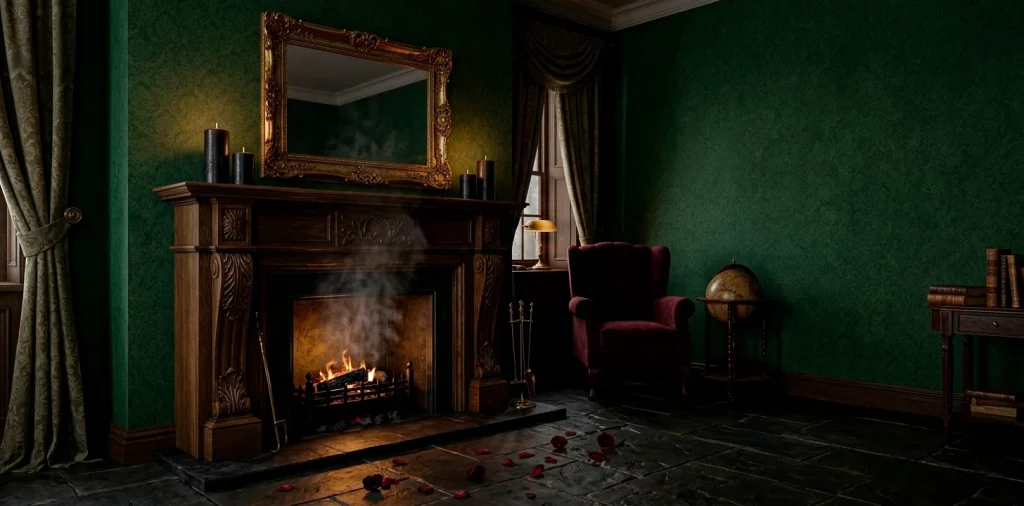
You have a fireplace, but it currently looks a bit… beige, right? If your living space feels more like a generic waiting room than a moody sanctuary, we need to change that immediately. Transforming your mantle into a dramatic Gothic masterpiece doesn’t require a haunting—just a few curated pieces and a darker perspective. Let’s turn that boring shelf into a high-drama Victorian dream.
The Anchor Piece: Go Big or Go Home
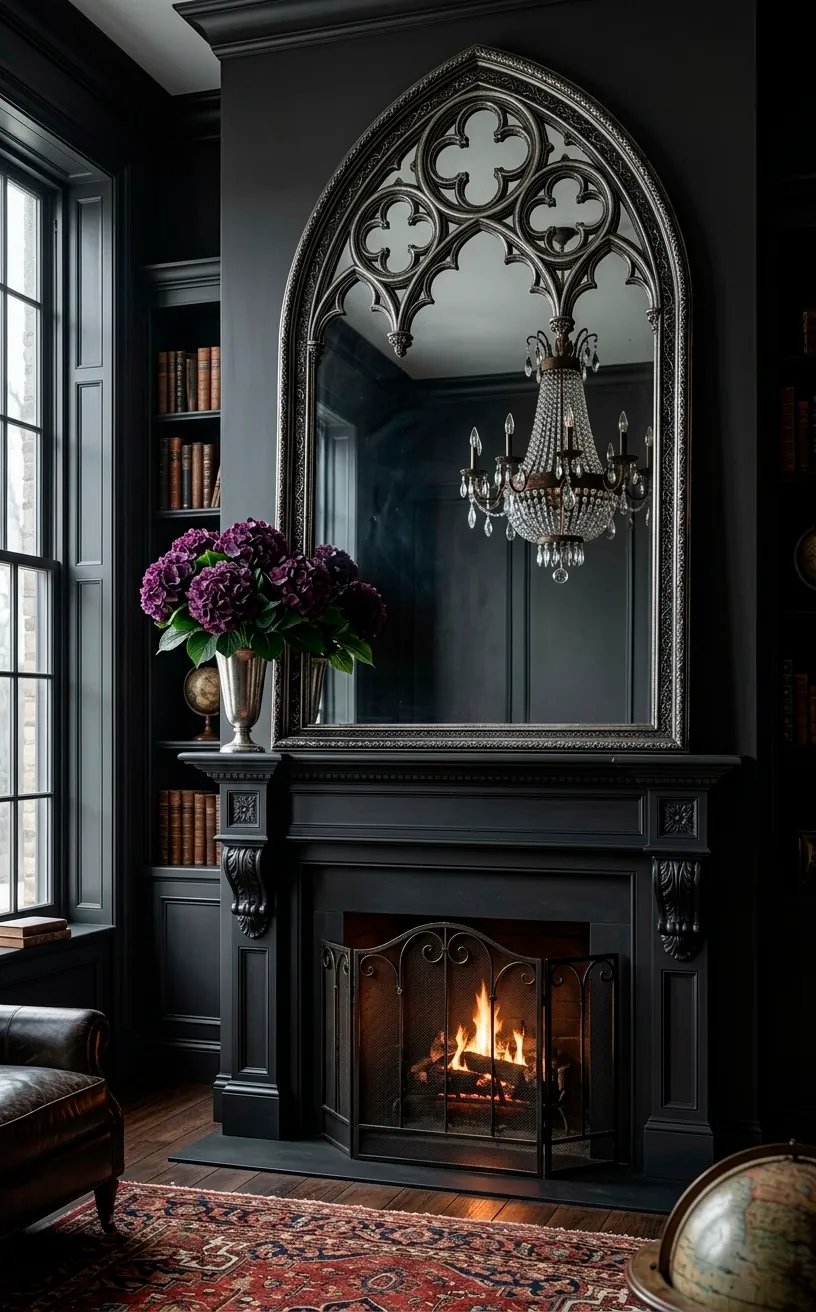
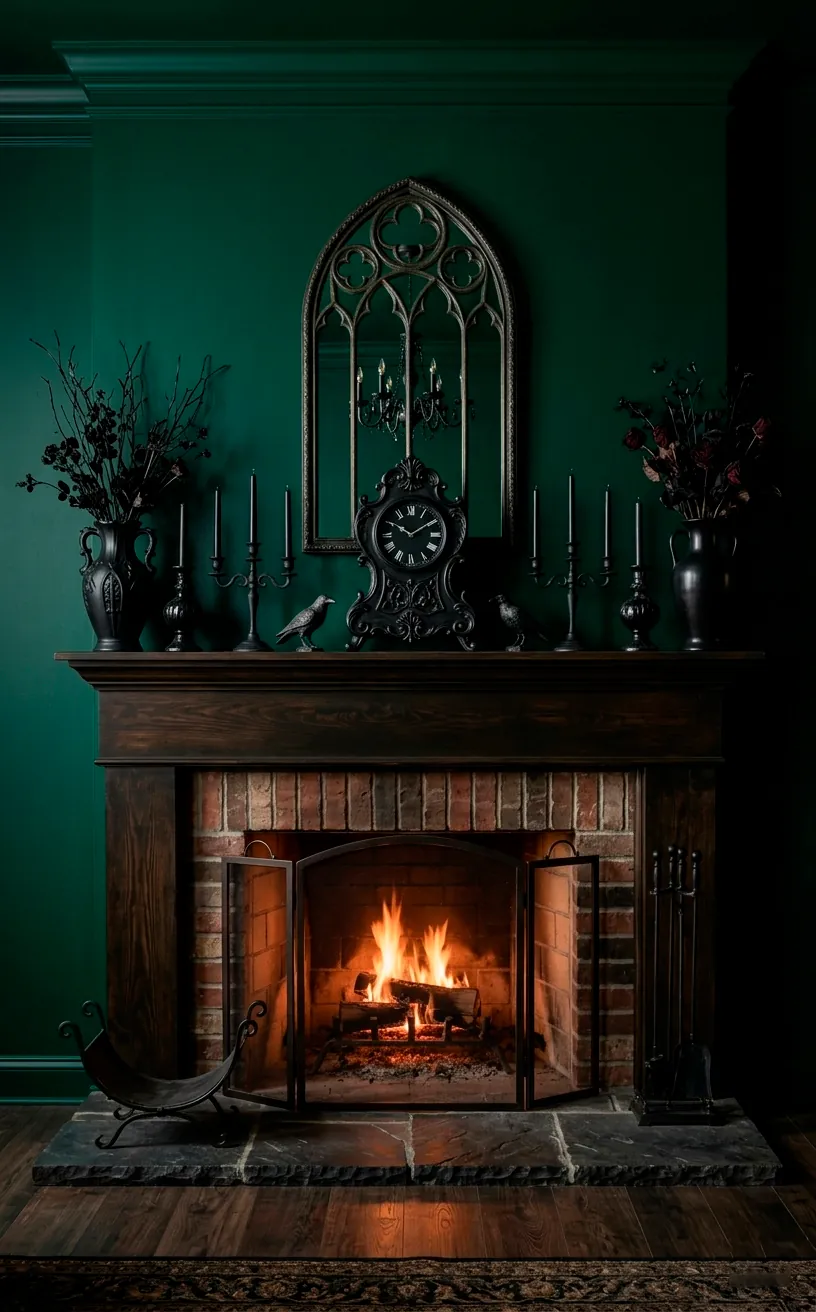
Every dramatic mantle starts with a massive, eye-catching anchor. I personally swear by an oversized, arched Gothic mirror or a piece of dark, moody oil painting to set the stage. Why settle for a tiny frame that disappears against the wall? A tall, ornate mirror creates height and reflects the flickering candlelight you’ll add later, making the whole room feel more mysterious.
Choose frames with intricate carvings or weathered finishes. I think a matte black finish looks sleek, but a tarnished gold adds that ‘abandoned manor’ vibe that works so well. Does your mirror reach almost to the ceiling? Perfect. That vertical scale draws the eye upward and makes the fireplace feel like a grand architectural feature rather than just a shelf for your mail. IMO, the more dramatic the frame, the better the result 🕯️.
Lighting That Casts the Right Shadows
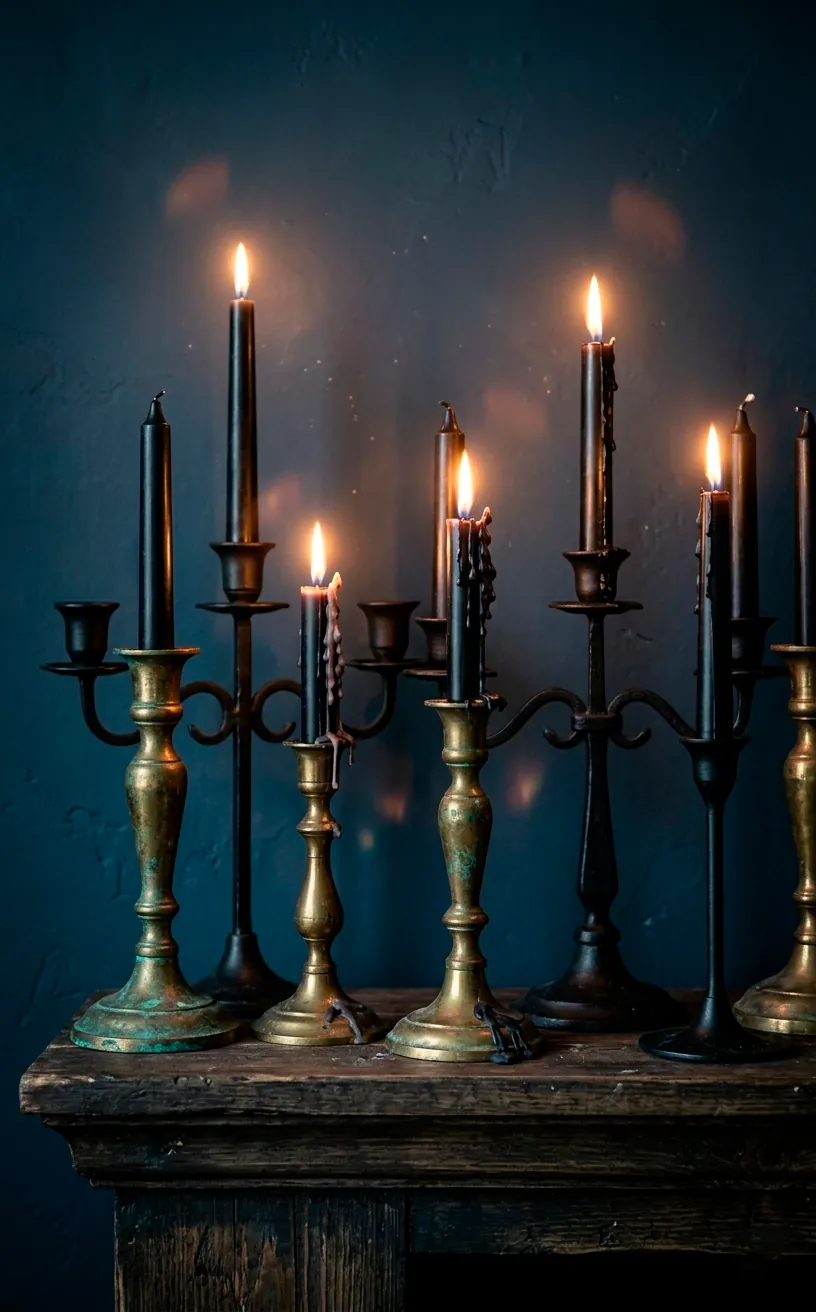
Forget your ceiling lights; you want shadows that dance. A Gothic mantle thrives on asymmetrical lighting using varied heights of candle holders. I love using tarnished brass or matte black iron pillars to hold thick, dripping taper candles. Ever noticed how much cooler black candles look compared to basic white? They scream drama. FYI, stagger your heights to avoid looking too symmetrical and boring. You want the light to hit the wall at different levels, creating those long, eerie shadows that define the Gothic aesthetic. Use at least five different holders to create a cluster that feels organic and collected over time.
A useful little gift for your home
🎁 Free Plant Finder Tool
Filter 250+ houseplants by style, size, and care level to find your perfect green companion in seconds.
We’ll email you the link. Plus, you’ll join our newsletter for fresh home inspiration.
Incorporating Natural Decay and Florals
Flowers aren’t just for spring weddings.
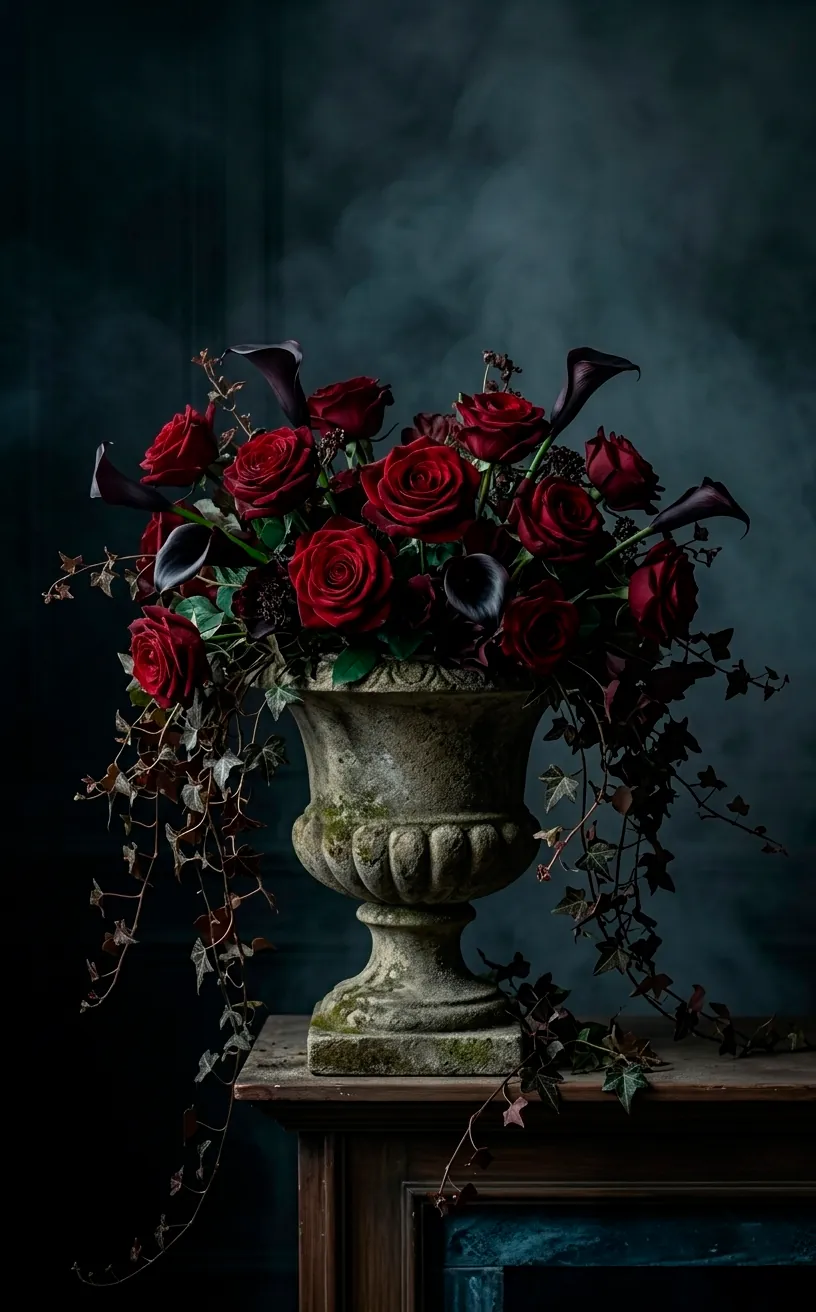
In a Gothic setup, you want dried florals or deep, bruised-looking colors. Think dried eucalyptus, dead-looking roses, or deep burgundy peonies. I usually grab a heavy stone or pewter urn to house these. It adds a sense of weight and history that glass vases just can’t touch.
Essential Gothic botanical elements:
- Dried black baccara roses
- Deep purple eucalyptus branches
- Preserved forest moss in glass cloches
- Dark, sprawling ivy vines
Nature looks best when it’s a little wild. Let some of the greenery spill over the edge of the mantle toward the floor. This creates a ‘reclaimed by nature’ look that feels both romantic and slightly haunting. Do you prefer the crisp look of dried stems or the lush feel of velvet-dark petals?
Curating Your Cabinet of Curiosities
Personalize the space.
This is where you show off your personality.
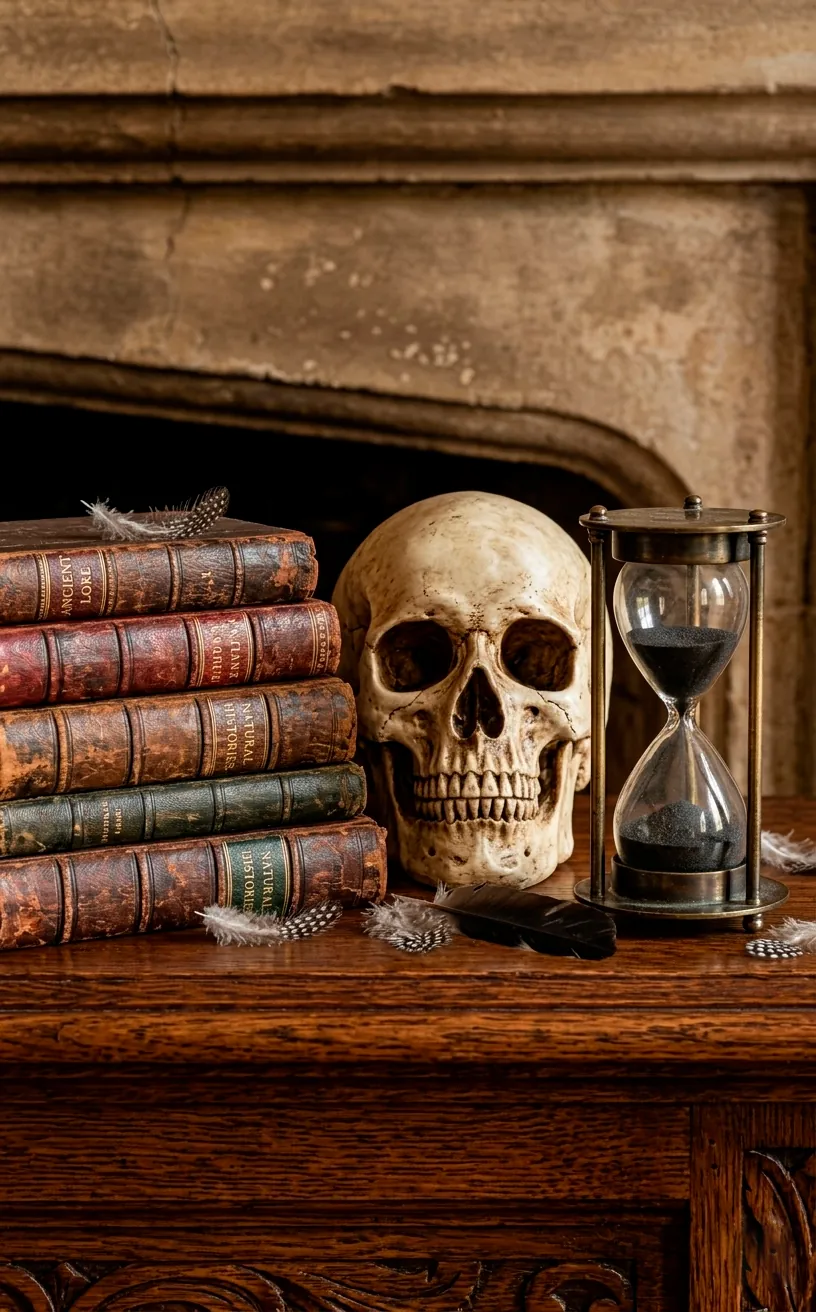
I suggest adding oddities and vintage finds. A brass hourglass, a weathered skull, or a stack of old leather-bound books adds layers of storytelling to your mantle. Why have a generic shelf when you can have a curated museum of the macabre?
Keep the items grouped. I find that placing a small skull on top of a stack of books creates an instant focal point. Use items with different textures—cold metal, rough paper, and smooth bone—to keep the eye moving. This isn’t about clutter; it’s about intentionality. Each piece should look like you found it in an attic in Paris or a dusty old library. Does it have a story? If so, it belongs on the mantle.
The Power of Dark Textiles
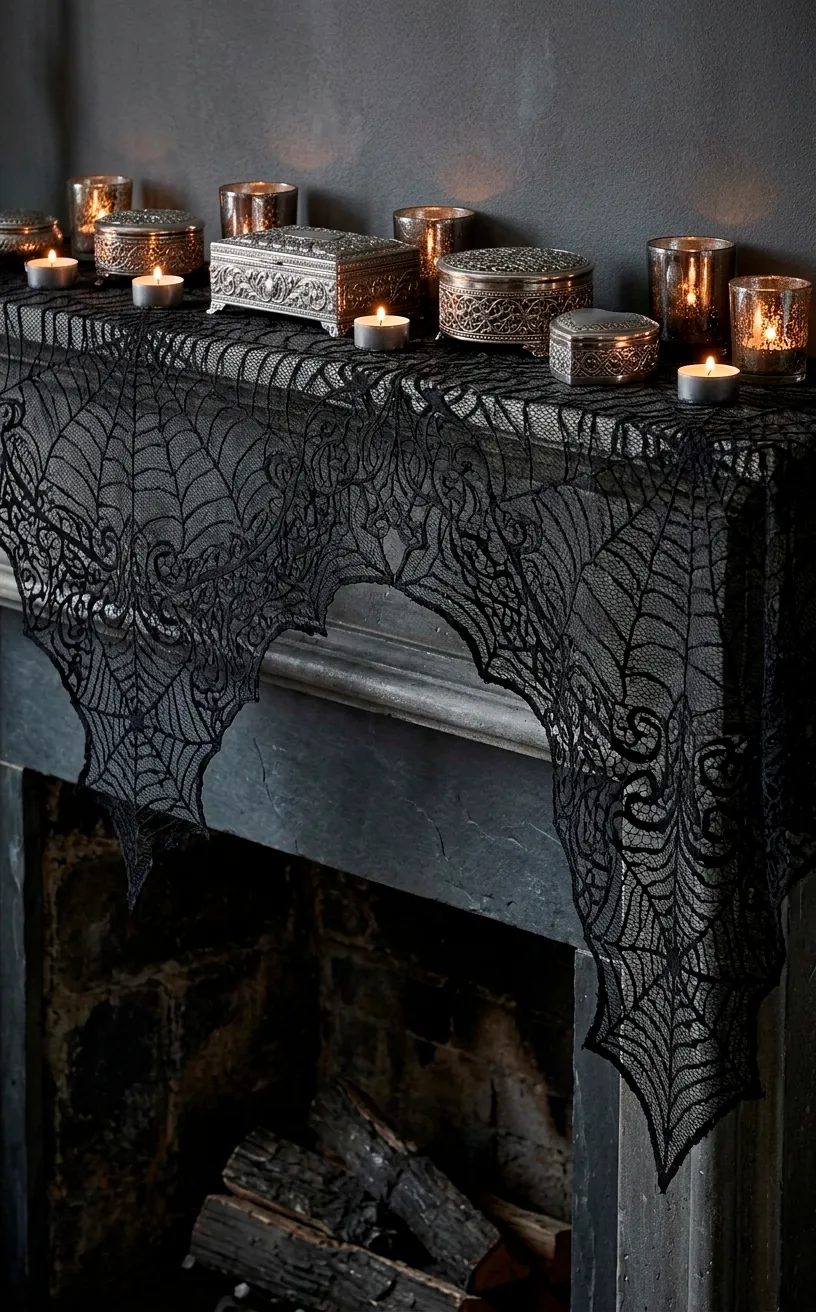
Don’t ignore the base of your mantle. Soften the hard edges of the wood or stone with a lace runner or a velvet mantle scarf. I prefer a black lace runner because it adds a Victorian funeral vibe without being too heavy. It also provides a great backdrop for your candles and curiosities. It’s all about those layers, people!
You should let the fabric hang unevenly. A perfectly straight runner looks too formal and stiff. Let the lace drape over the corners to break up the horizontal lines of the mantle. This adds movement and a touch of elegance that balances out the darker elements like skulls or dead flowers. It’s the perfect way to finish the look.
Mastering the Dark Color Palette
If you really want that focal point to pop, consider the wall behind it. A charcoal, navy, or forest green background makes your Gothic decor stand out. If painting a wall is too much work, just stick to a monochromatic dark theme for the decor itself. I find that sticking to black, silver, and gold creates a timeless look that never goes out of style. You want high contrast. If your mantle is white, go heavy on the black decor. If it’s dark wood, use silver or gold to catch the light. It’s all about balance. Ready to embrace the dark side? It’s much more fun over here, I promise.
A useful little gift for your home
🎁 Free Plant Finder Tool
Filter 250+ houseplants by style, size, and care level to find your perfect green companion in seconds.
We’ll email you the link. Plus, you’ll join our newsletter for fresh home inspiration.
Conclusion
Your mantle finally looks like it belongs in a Victorian ghost story, doesn’t it? By mixing heights, dark textures, and a few well-placed oddities, you’ve created a conversation starter that’s actually worth the breath. Now, go pour a glass of red wine and enjoy your dark kingdom. Which of these pieces do you think ties your whole look together? Let me know in the comments!