Skip to content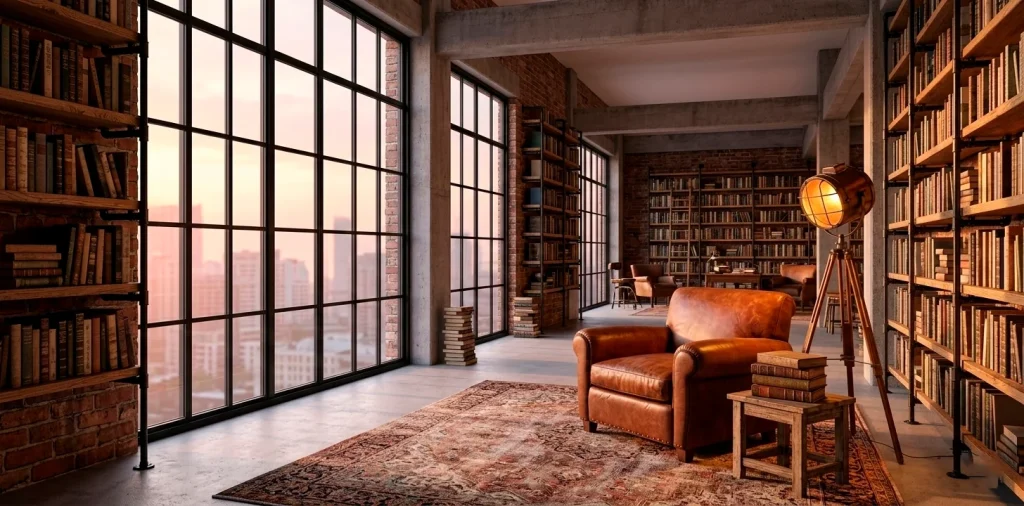
Your living room shouldn’t feel like a sterile waiting room, right? If you’re anything like me, you want a corner that screams ‘I read Tolstoy but I also know how to weld.’ Industrial design isn’t just cold metal; it’s about that raw, lived-in edge. Let’s build a sanctuary where your books feel as tough as the shelves holding them up. 😎
The Exposed Brick and Pipe Dream
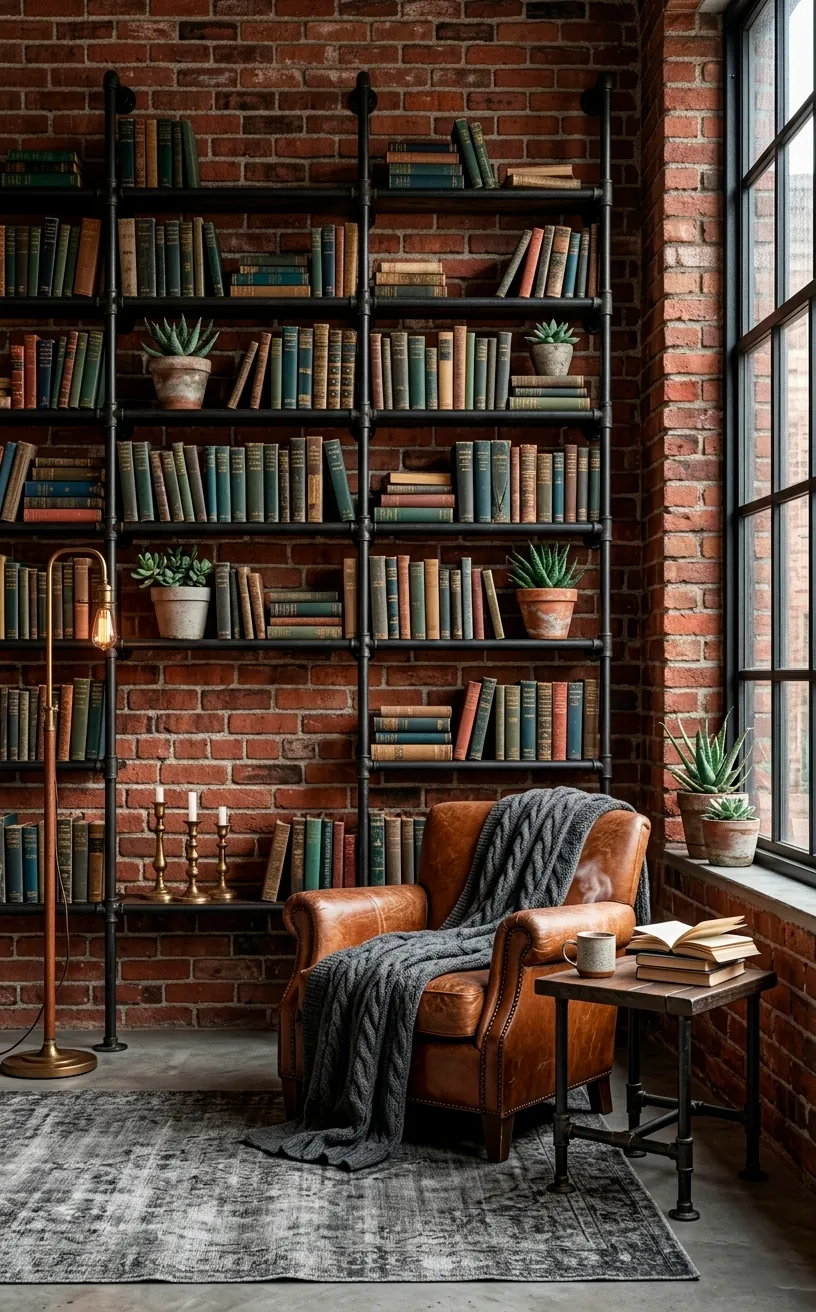
Start with the backbone of industrial style: exposed brick and heavy-duty pipe shelving. I installed these in my own loft last year and, honestly, my books have never looked more intimidating. There’s something about the marriage of rugged red brick and cold black iron that just works. It feels like you’re reading in a 1920s factory that somehow got a library card.
Don’t have real brick? Peal-and-stick wallpaper exists for a reason, my friend. No one has to know your ‘warehouse’ is actually a suburban condo. Just keep the pipes matte black to avoid that shiny, cheap hardware store look. It’s all about the texture. FYI, raw wood planks look way better than finished pine here.
The Cognac Leather Command Center
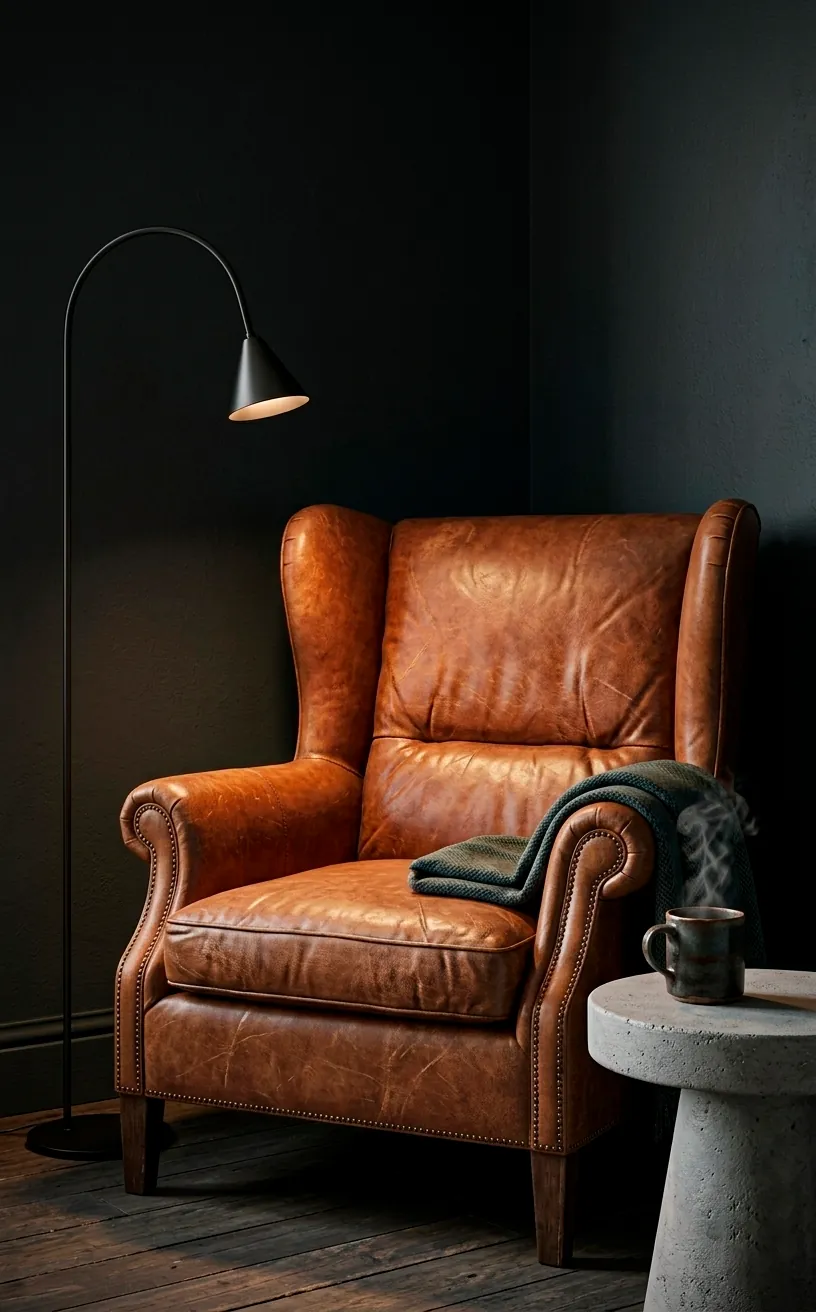
Nothing says ‘I have my life together’ quite like a cognac leather armchair. You want that worn-in look that suggests you’ve spent decades pondering deep philosophy, even if you just bought it yesterday. I find that leather provides the perfect visual warmth against cold concrete floors. Ever noticed how a pop of orange-brown makes gray walls look intentional rather than depressing? Stick a metal side table next to it for your whiskey—or, you know, your third cup of herbal tea. It’s the ultimate power move for a solo afternoon of reading.
A useful little gift for your home
🎁 Free Plant Finder Tool
Filter 250+ houseplants by style, size, and care level to find your perfect green companion in seconds.
We’ll email you the link. Plus, you’ll join our newsletter for fresh home inspiration.
Concrete Accents for the Minimalist
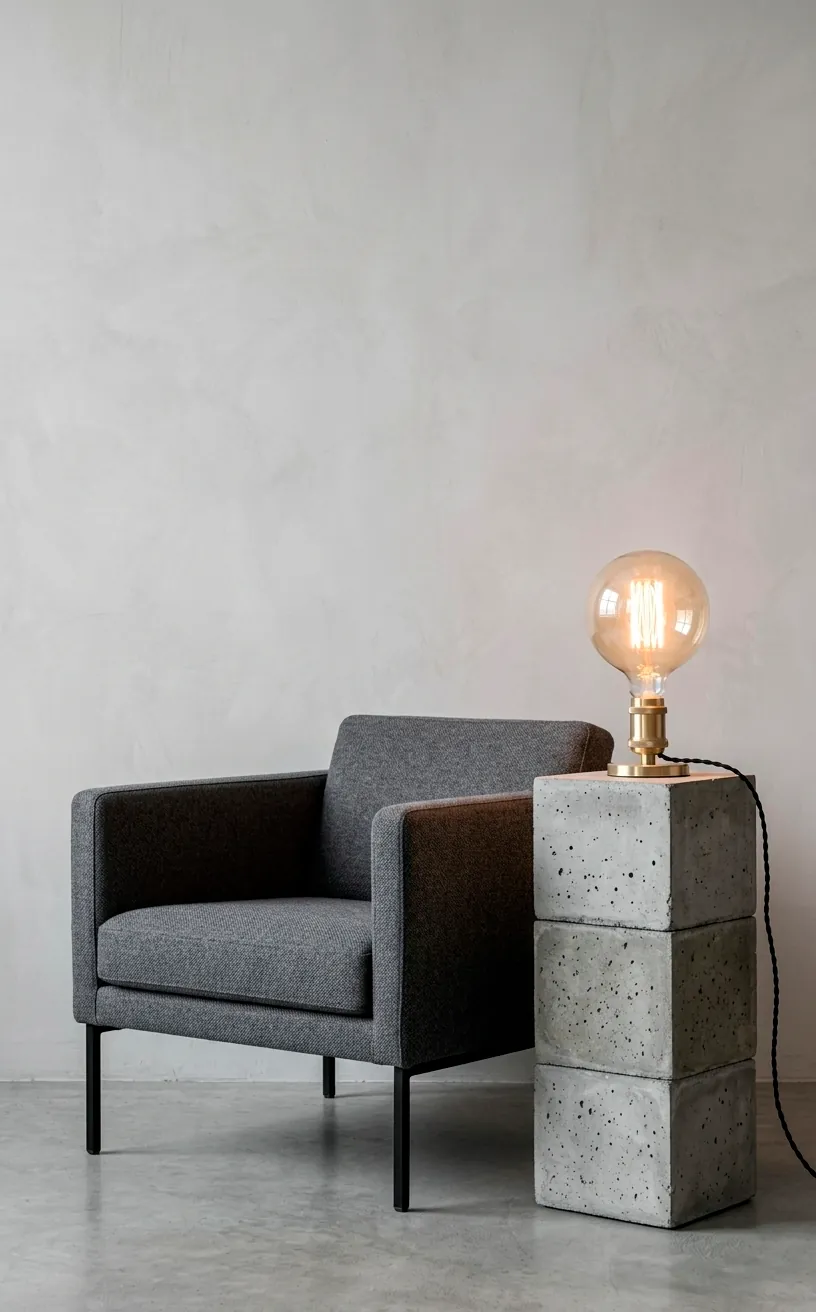
If you think concrete is just for sidewalks, you’re missing out on some serious aesthetic gains. I love using concrete blocks as a makeshift coffee table or even as a sturdy base for a reading lamp.
It adds a brutalist weight that balances out the softness of your throw pillows. Seriously, why settle for flimsy plastic when you can have something that could survive a minor earthquake?
Keep the palette monochromatic. Mix different shades of grey, charcoal, and soot to keep things interesting without looking like a rainbow exploded in your ‘man-cave’ turned library.
The Cinema Spotlight Effect
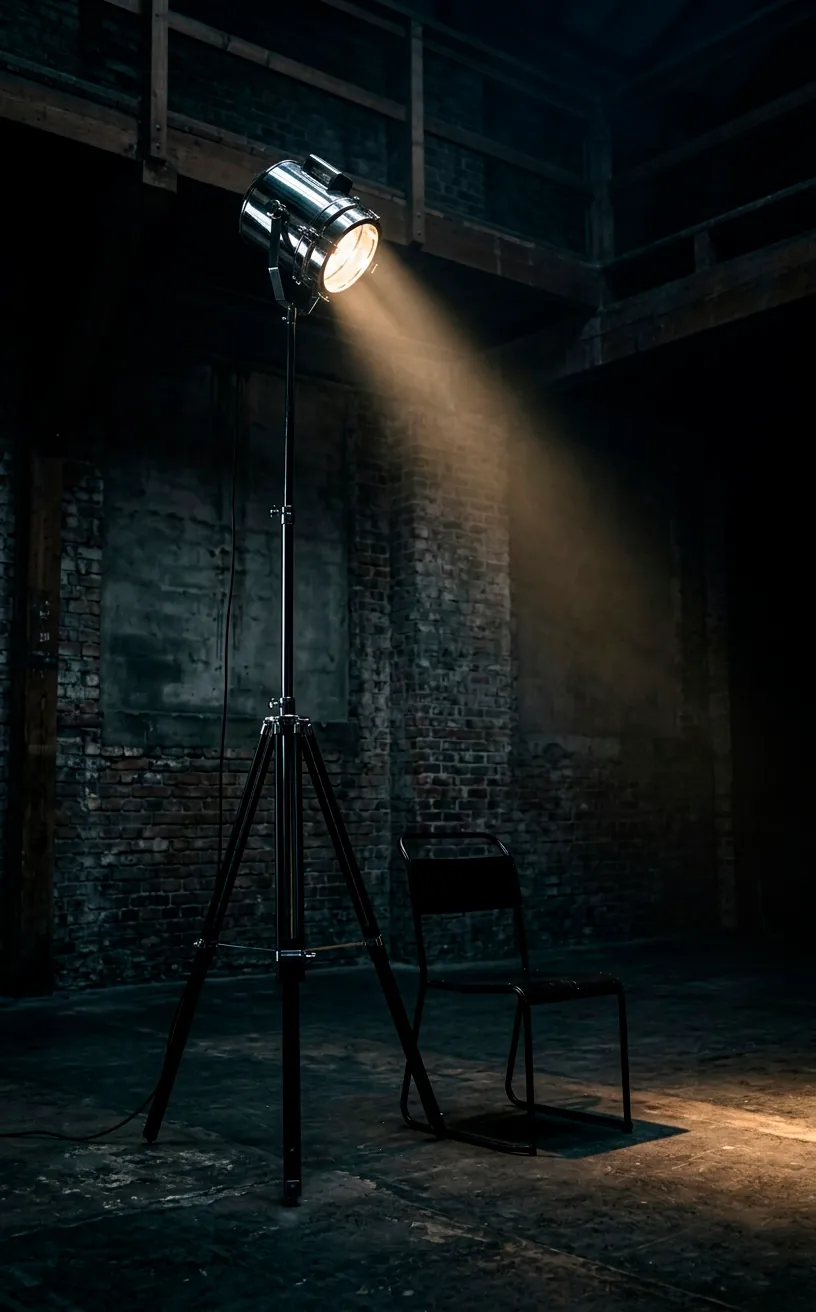
Standard floor lamps are boring. Why not use an oversized tripod lamp that looks like it belongs on a 1940s film set? I use one to create a dramatic pool of light that makes every reading session feel like a theatrical event. It’s functional, sure, but it’s mostly about that ‘main character’ energy. Does it take up too much floor space? Probably. Do we care? Not even a little bit. Position it so the light hits your book directly—your eyes will thank you, and your Instagram followers will definitely notice the vibe.
Black Steel Window Benches
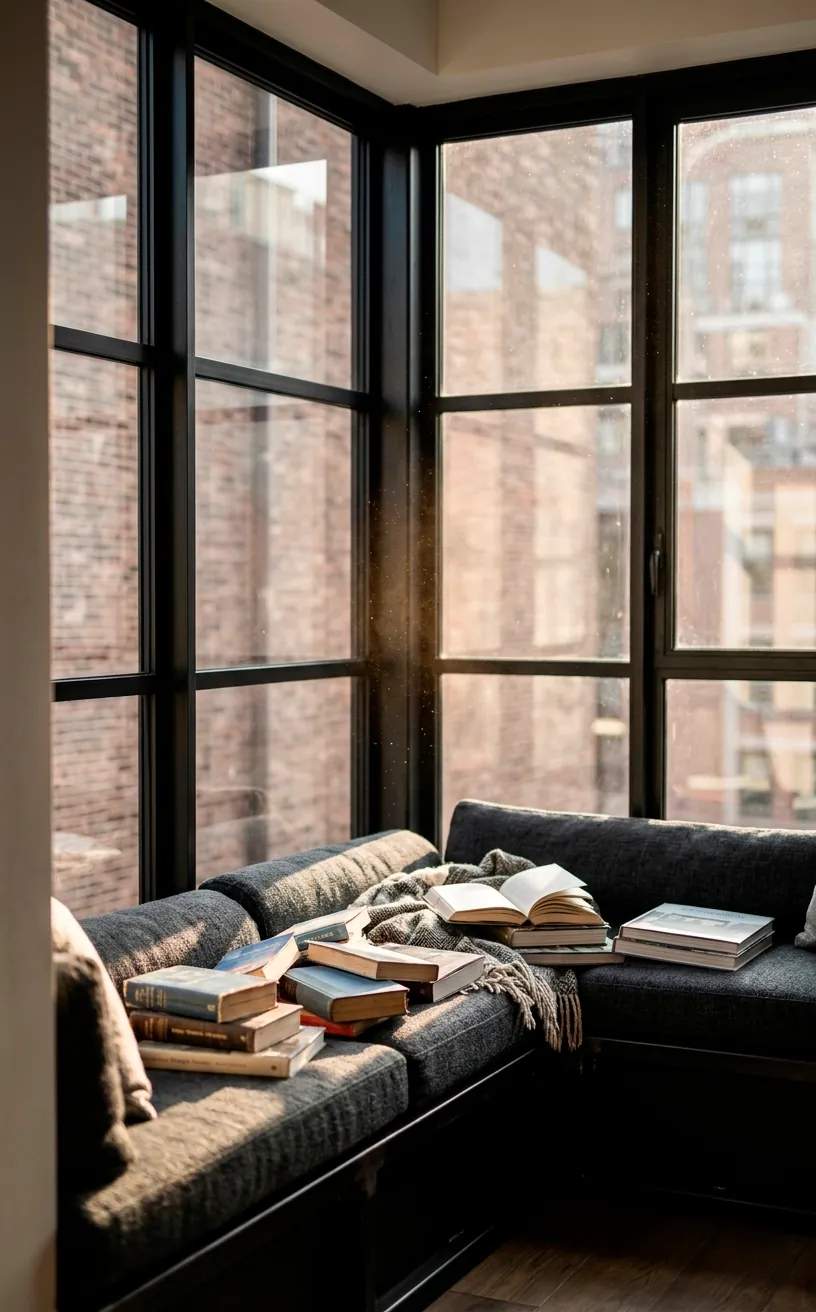
If you’re lucky enough to have a window, don’t just put a curtain over it. Frame it with black steel. I think a built-in window seat with a thin metal frame looks incredibly sharp. It turns a view into a piece of art.
You can toss a few charcoal cushions on there and call it a day. It’s the perfect spot for people-watching when the plot of your book gets a little too thick. IMO, nothing beats the contrast of natural sunlight hitting cold, dark metal. Plus, it saves floor space, which is great if your ‘loft’ is actually a studio apartment.
The Mobile Library Cart
TBR piles are a real problem.
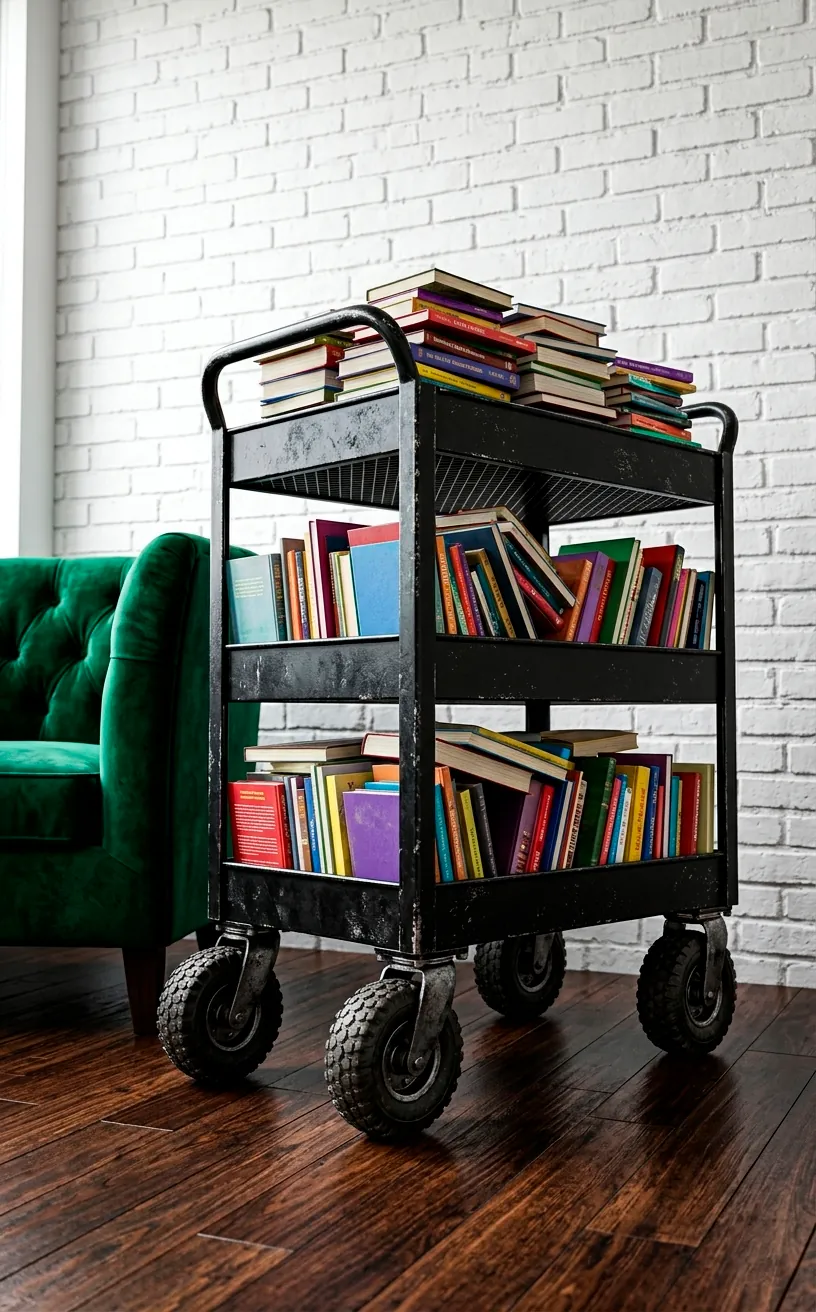
My solution? A heavy-duty metal rolling cart.
It keeps your ‘must-reads’ organized while looking like something from a vintage laboratory.
Just roll it next to your chair when you’re ready to dive in, then shove it into the corner when company arrives. It’s the ultimate lazy-person’s organization tool. Plus, those locking casters feel satisfyingly industrial. Why use a static shelf when your books can travel with you?
Wire Mesh Mood Boards
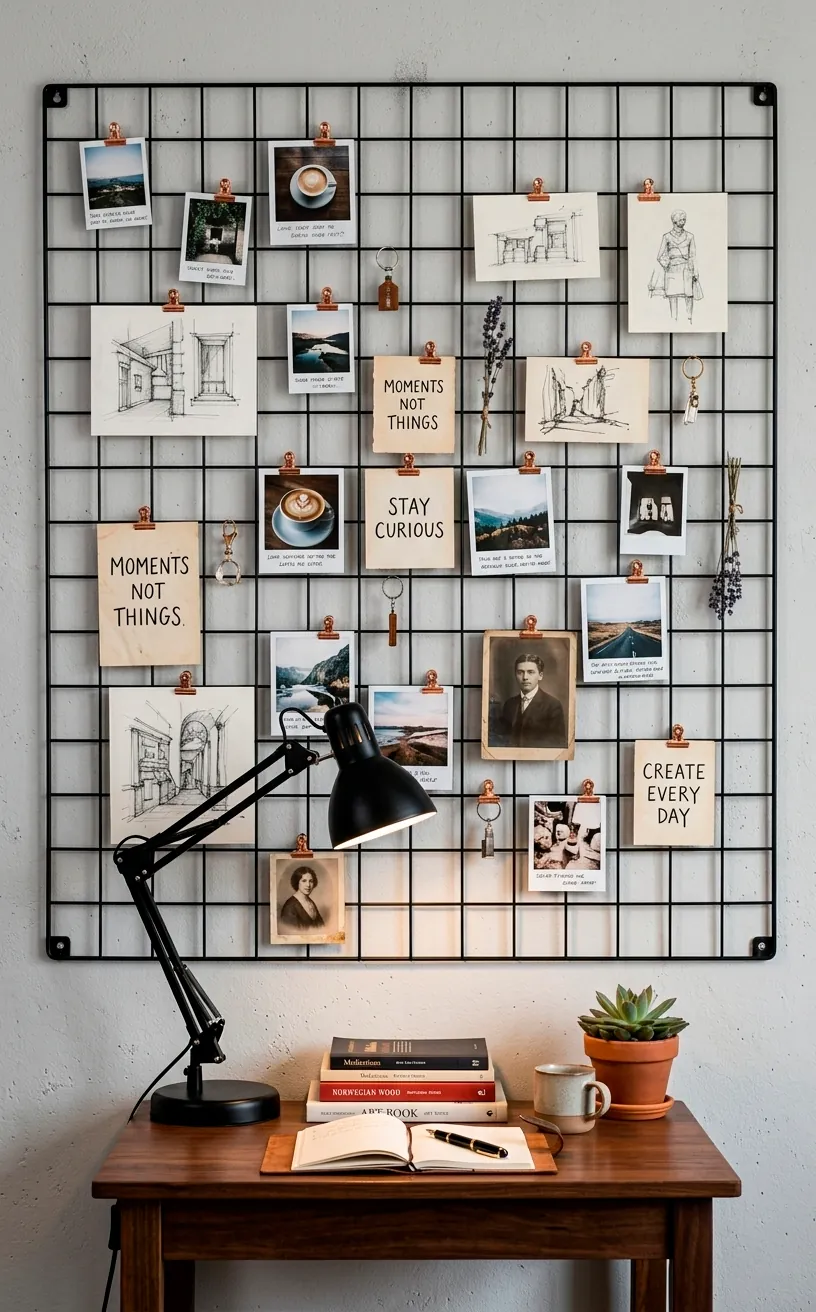
I hate messy desks, but I love inspiration. A black wire mesh grid on the wall above your reading chair lets you clip quotes, photos, or even your reading list without the clutter. It adds a grid-like, architectural feel to the space that balances out the organic mess of a book collection. It’s basically functional art. Ever tried clipping a vintage map to one of these? It looks amazing. Keep the clips simple—think binder clips or small wooden pegs for that ‘artist’s studio’ aesthetic. It’s cheap, effective, and looks way more expensive than it actually is.
Reclaimed Wood and Iron Junction
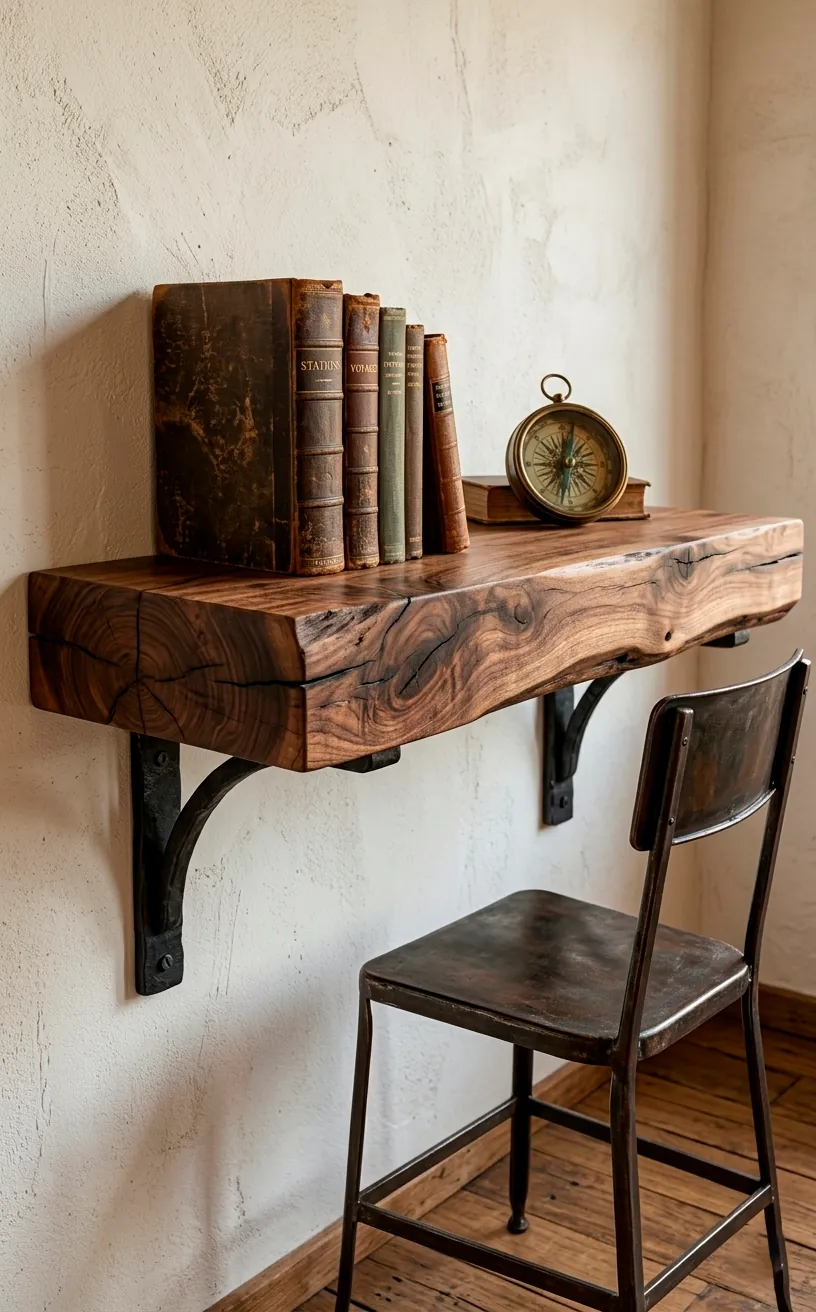
Texture is the secret sauce of industrial design. I always suggest mixing super-smooth metal with the gnarliest, most knotted wood you can find.
It creates a visual tension that’s hard to ignore. Use a thick slab of reclaimed timber for a side table or a floating shelf. The cracks and ‘imperfections’ are exactly what make it perfect.
Does a splinter worry you? Just sand it down a bit, but keep the character. It grounds the room and keeps the industrial vibe from feeling too much like a high-tech lab. Pair it with an iron base for that classic ‘factory floor’ look that never goes out of style.
The Velvet and Metal Contrast
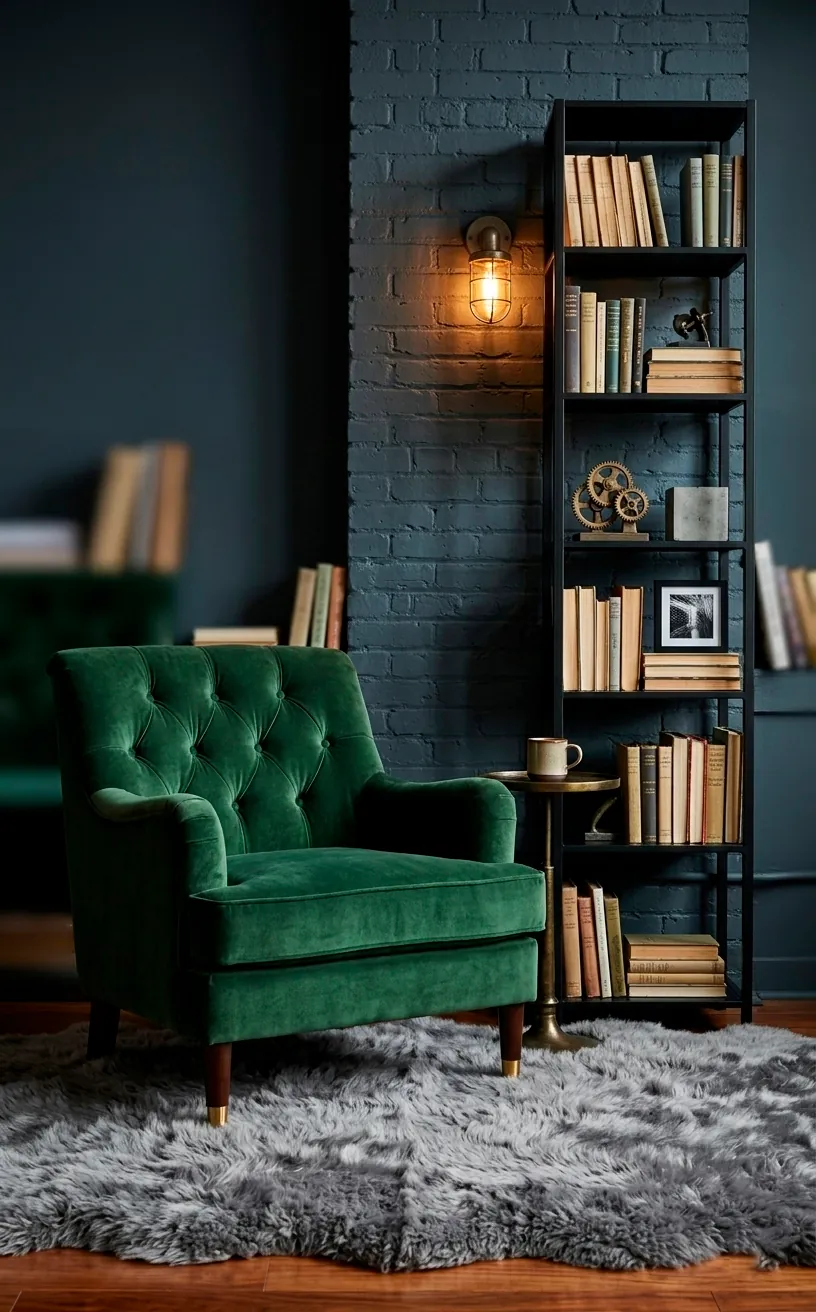
Okay, let’s talk about the ‘soft’ side of industrial. To prevent your nook from feeling like a literal dungeon, throw in a velvet cushion or a plush rug. I love a deep emerald or navy velvet chair paired with a stark metal bookshelf. It’s that unexpected ‘soft meets hard’ combo that designers drool over. It makes the space feel expensive and cozy at the same time.
Who says you can’t be tough and comfortable?
Just stick to jewel tones. Bright pink might be a bit much, but a moody forest green? Perfection. It catches the light beautifully and breaks up all that matte black and grey.
The Floating Metal Bookstack
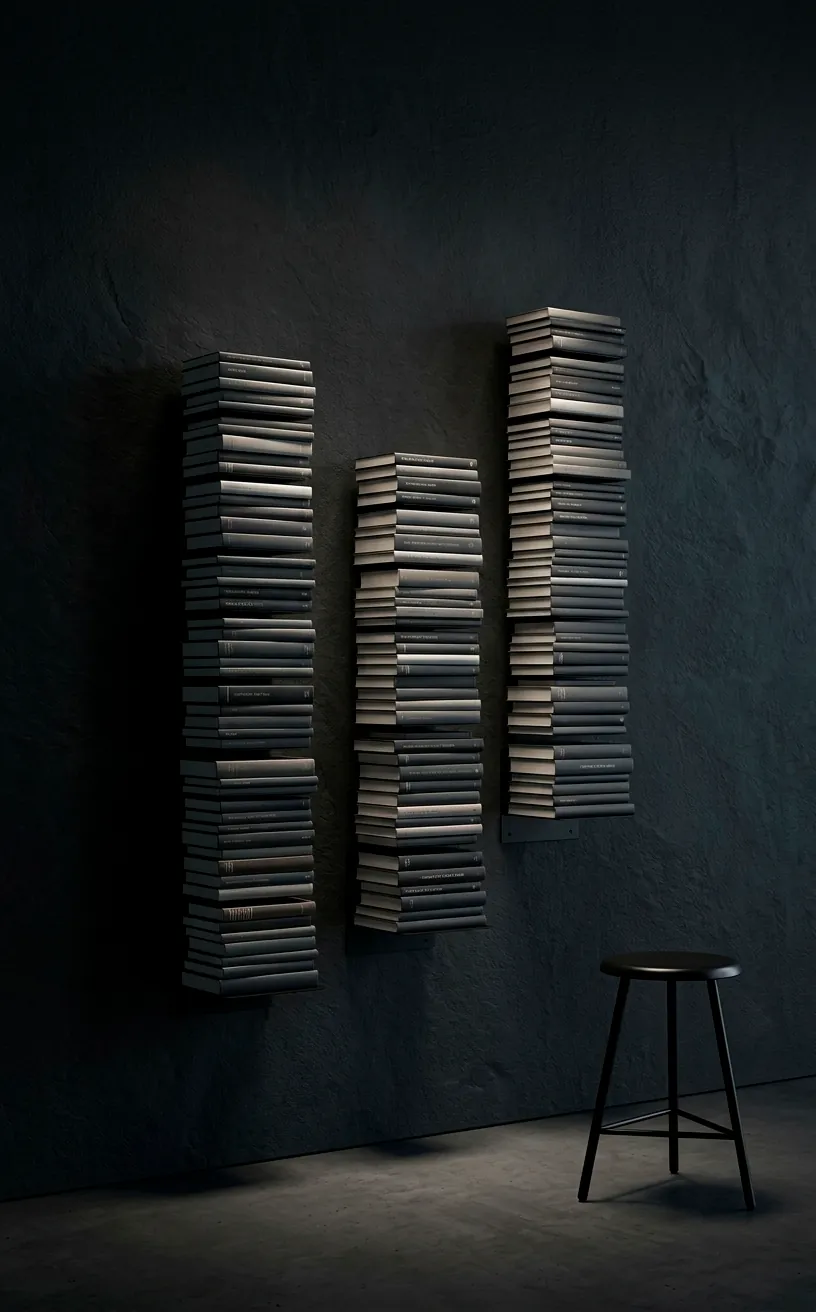
Want to blow some minds? Use those ‘invisible’ metal shelves that make your books look like they’re floating on the wall. It’s a great way to use vertical space without adding bulky furniture. I think it looks particularly cool against a dark, moody wall. It’s minimalist, it’s industrial, and it’s a great conversation starter. ‘How is that staying up?’ your guests will ask, while you smugly sip your coffee. Just make sure you screw them into the studs—nobody wants a literal book-fall at 2 AM. Trust me, I’ve been there, and it’s not as poetic as it sounds. 🔥
A useful little gift for your home
🎁 Free Plant Finder Tool
Filter 250+ houseplants by style, size, and care level to find your perfect green companion in seconds.
We’ll email you the link. Plus, you’ll join our newsletter for fresh home inspiration.
Conclusion
Building an industrial reading nook is all about balancing the cold, hard elements with personal warmth. Whether you go full warehouse with exposed brick or just add a moody leather chair, make sure it feels like *your* space. You don’t need a massive budget—just some clever metal accents and a lot of books. Which of these ideas are you grabbing first? Let me know in the comments, and happy reading! 📖✨