Skip to content
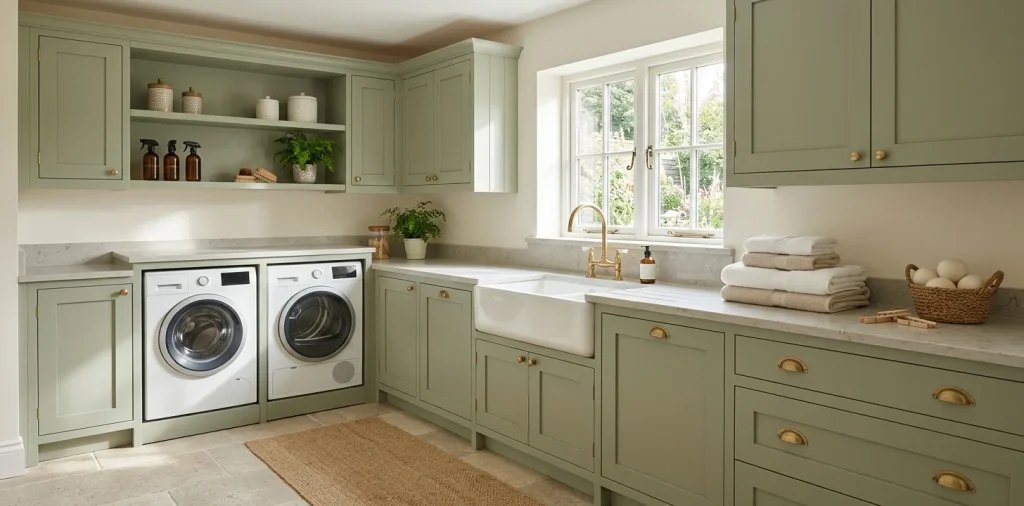
Laundry day doesn’t have to feel like a medieval punishment. Seriously, swapping out those warped, peeling cabinets can completely transform your space. You need materials that handle weird detergent spills and constant humidity without falling apart. Let’s figure out exactly what works best for your setup so you can actually enjoy folding clothes.
The MDF Dilemma
You probably see MDF everywhere because it paints beautifully and keeps costs surprisingly low. Manufacturers love baking this stuff into modern homes. But here is the brutal truth about MDF in a wet environment: moisture acts like kryptonite to it. A rogue bleach spill or a leaky washing machine hose will swell those pristine edges into a mushy, crumbling mess overnight. I once installed standard MDF in a damp basement laundry zone, and I regretted it within three months. If you absolutely must use MDF, seal those edges like your life depends on it.

Plywood is Your Best Friend
Ever wondered why custom builders obsess over plywood? It handles structural stress and humidity better than almost anything else on the market.
Unlike MDF, plywood features cross-laminated layers of wood veneer, making it incredibly resilient against warping. You can accidentally splash water on it, and it will just shrug off the abuse. I highly recommend spending the extra cash on cabinet-grade plywood for the structural boxes.
A useful little gift for your home
🎁 Free Plant Finder Tool
Filter 250+ houseplants by 6 smart criteria to find your perfect green companion.
We’ll email you the link. Plus, you’ll join our newsletter!
Your cabinets will literally outlast your washing machine. You just cover the exposed sides with a nice veneer, and nobody will ever know it’s plywood underneath.

The Luxury of Solid Wood
Solid wood brings an undeniable, gorgeous warmth to a sterile utility room. Oak, maple, and cherry offer incredible durability and a premium feel you simply cannot fake. People always gasp when they see real walnut grain above a basic utility sink.
But keep your budget and the humidity levels in check. Solid wood expands and contracts with moisture, meaning your cabinet doors might stick during the humid summer months. Always insist on a top-tier waterproof sealant if you take this luxury route. Want to add more organic vibes? Try checking out these 15 natural wood textures to warm up your room.

Melamine for the Win
Let me introduce you to the ultimate budget-friendly superhero for utility spaces.
Melamine consists of a tough resin coating pressed onto a dense particleboard core.
It resists nasty stains, wipes clean with a simple damp rag, and literally laughs in the face of spilled liquid fabric softener. You can find it in hundreds of funky colors and hyper-realistic faux-wood textures. IMO, it offers the absolute best bang for your buck.
Just watch out for the hinges. The core material does not hold screws very well over decades of use, so heavy doors might start sagging if you swing them around too aggressively.

Going Industrial with Stainless Steel
Want to build a laundry room that looks like a high-end commercial kitchen? Stainless steel cabinets deliver an industrial, ultra-hygienic aesthetic that practically demands respect. They absolutely refuse to rust, warp, or absorb those weird musty odors.
You literally just wipe them down with basic glass cleaner. Yes, they cost a small fortune upfront and showcase every single fingerprint your kids leave behind. But the sheer durability makes them a fantastic lifelong investment for a heavily used utility space.

PVC and Thermofoil Options
Thermofoil involves heating a flexible vinyl material and molding it over an MDF core. It creates a flawless, seamless surface that repels water beautifully. PVC cabinets take this a step further by using entirely plastic construction, meaning zero wood to rot or swell. I love using these materials for high-moisture zones because you simply never worry about water damage. However, heat is the enemy here. If you place a running clothes dryer too close to a cheap thermofoil door, the vinyl can actually blister and peel right off the edge. FYI, keep a safe distance between your appliances and these cabinets.

Hardware Matters More Than You Think
People spend weeks agonizing over cabinet materials and then slap the cheapest metal knobs they can find on the doors. What a tragedy! 😅
Hardware acts as the jewelry of your laundry room. You need solid brass or high-quality stainless steel handles to survive the humid, damp environment. Cheap zinc alloy pulls will pit and corrode faster than you can say “laundry day.”
Hardware types to consider:
- Solid brass bar pulls: Heavy, luxurious, and rust-proof.
- Matte black stainless: Hides fingerprints brilliantly.
- Ceramic knobs: Adds a fun pop of vintage color.

Open Shelving vs Closed Cabinets
Do you really need doors on everything? Mixing closed lower cabinets with open upper shelving creates a gorgeous, airy feel in cramped utility rooms. Open shelves force you to keep your detergent pods and fabric softeners organized in pretty glass jars.
Closed cabinets hide the ugly truth of half-empty bleach bottles and mismatched lost socks. I personally use a hybrid approach to get the best of both worlds. Conceal the ugly stuff and display the beautiful things. Need help building them? This DIY guide to building open shelving is a total lifesaver.

The Power of the Paint Job
Never underestimate the power of a phenomenal paint job.
Even basic, builder-grade wood cabinets look spectacular with the right finish and some elbow grease.
You absolutely must use a high-gloss or semi-gloss enamel paint. Flat or matte paint absorbs stains immediately, making it completely useless in a heavy-duty work zone like a laundry area. You will spend hours scrubbing marks off flat paint.
Always apply a stain-blocking primer first. A solid primer prevents those annoying wood tannins from ruining your pristine white finish.

Don’t Forget the Countertop Pairings
Your shiny new cabinets need a reliable partner on top. Quartz countertops pair brilliantly with almost any cabinet material because they resist harsh chemical spills and never require sealing. Butcher block adds incredible rustic warmth but demands regular oiling to survive the humidity.
Consider how you actually use the surface before swiping your credit card. If you constantly mix harsh stain removers, skip the delicate natural stones. Choose a countertop that matches the durability of your cabinet bases. A cohesive, bulletproof pairing makes doing chores slightly less miserable!

A useful little gift for your home
🎁 Free Plant Finder Tool
Filter 250+ houseplants by 6 smart criteria to find your perfect green companion.
We’ll email you the link. Plus, you’ll join our newsletter!
Conclusion
Picking out cabinets shouldn’t feel like advanced calculus. You just need to match the material to your room’s humidity levels and your personal cleaning habits. Whether you go all out with luxurious solid wood or stick to practical, budget-friendly melamine, prioritize durability above everything else. Your laundry room works incredibly hard for you, so it deserves materials that can keep up. Which option are you grabbing first? Let me know in the comments!