Skip to content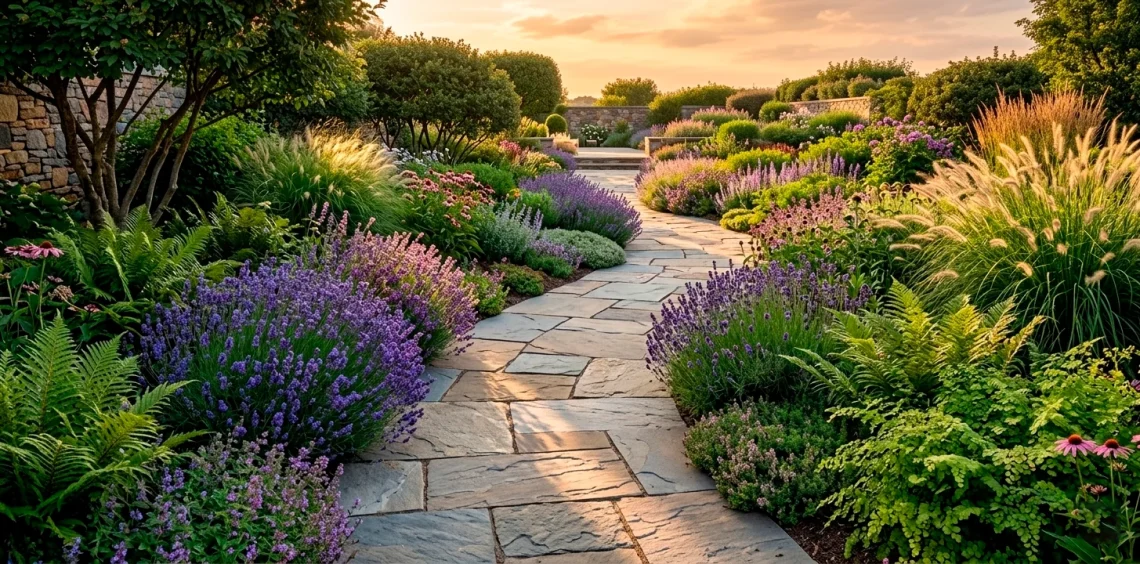
Your backyard currently looks like a generic patch of grass with a “desire path” worn into the mud, doesn’t it? Let’s fix that. I’ve spent way too many weekends wrestling with heavy rocks to let you make the same rookie mistakes. Creating a killer walkway isn’t just about throwing stones down; it’s about rhythm, texture, and not tripping. ✨
Choosing Your Weapon: Flagstone vs. Pavers
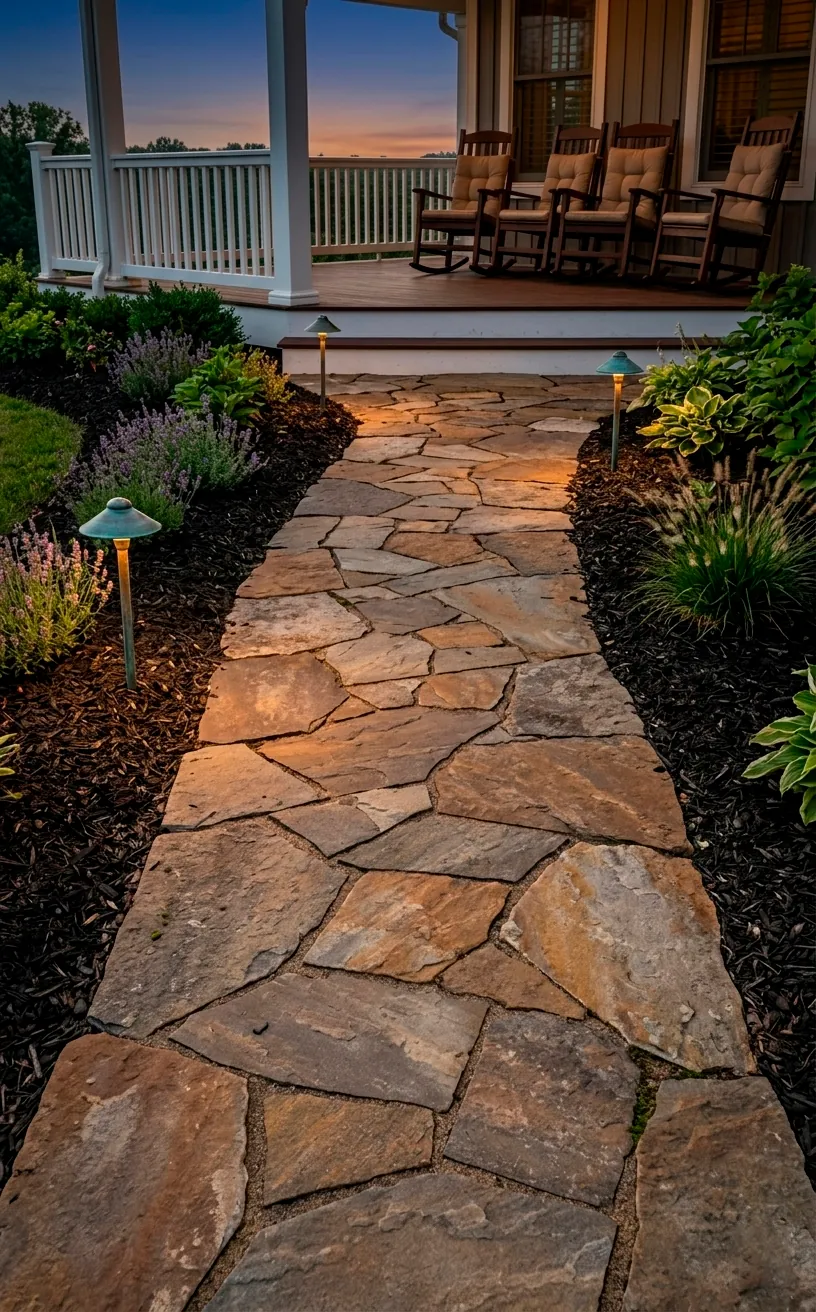
Selecting the right stone is like picking the right outfit—it says everything about your garden’s personality. Flagstone offers that “I just stumbled upon a secret forest” vibe, while concrete pavers lean into a sleek, modern aesthetic. I personally lean toward natural stone because it ages like fine wine, whereas cheap pavers can end up looking like a dated driveway if you aren’t careful.
Ever wondered why some paths look expensive and others look… DIY-gone-wrong? It usually comes down to the thickness and edge quality. If you buy stones that are too thin, they’ll crack under your weight faster than a bad New Year’s resolution. FYI, you want at least two inches of thickness for a heavy-traffic zone.
The Art of the Spaced-Out Step
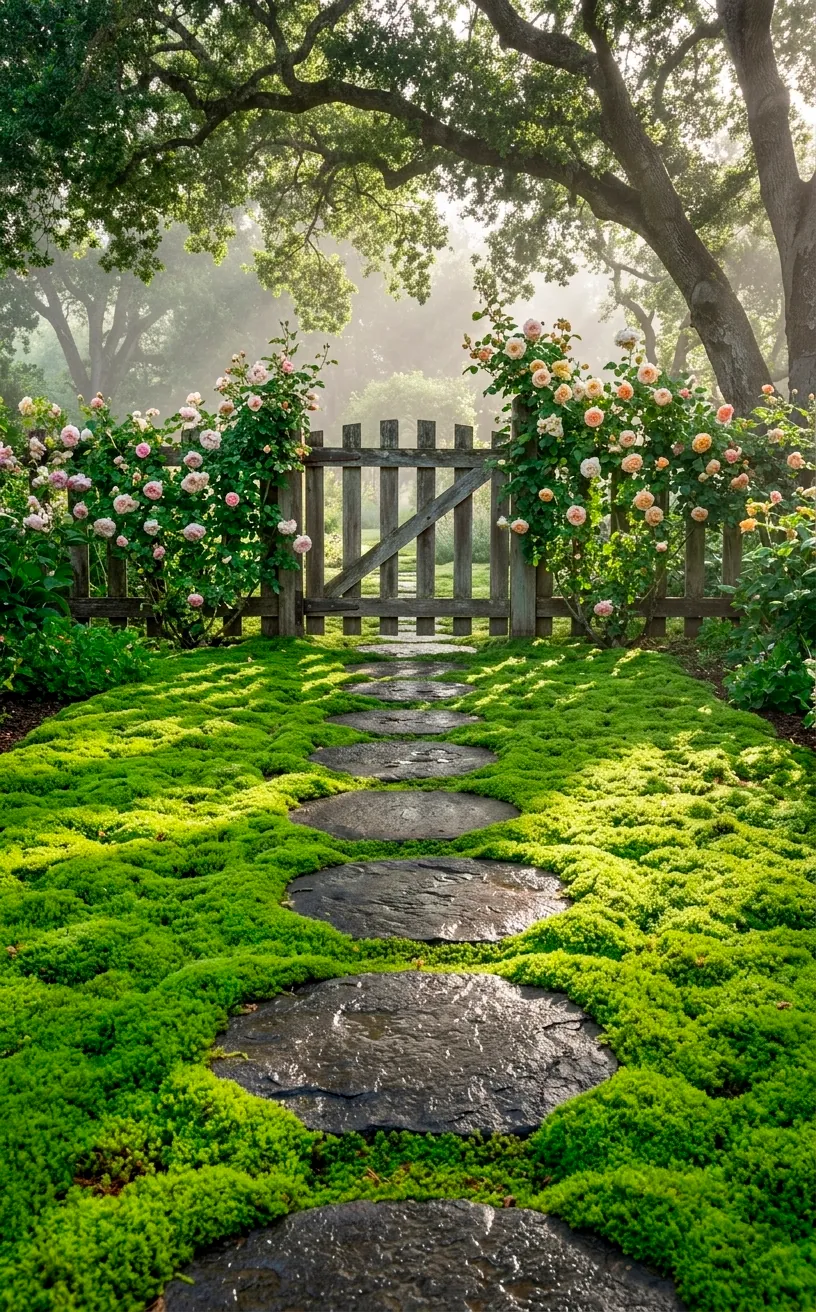
Sometimes, less is more. You don’t always need a solid wall of rock to make a statement. Oversized stepping stones nestled into creeping thyme or soft moss create a whimsical, airy feel that’s easy on the eyes (and the wallet). Just make sure you space them according to your actual stride, or you’ll be playing a permanent game of hopscotch in your own yard. IMO, a 24-inch center-to-center gap is the sweet spot for a natural walk. It keeps the flow effortless and keeps your shoes clean. 🌿
A useful little gift for your home
🎁 Free Plant Finder Tool
Filter 250+ houseplants by style, size, and care level to find your perfect green companion in seconds.
We’ll email you the link. Plus, you’ll join our newsletter for fresh home inspiration.
Playing Tetris: Geometric Brilliance
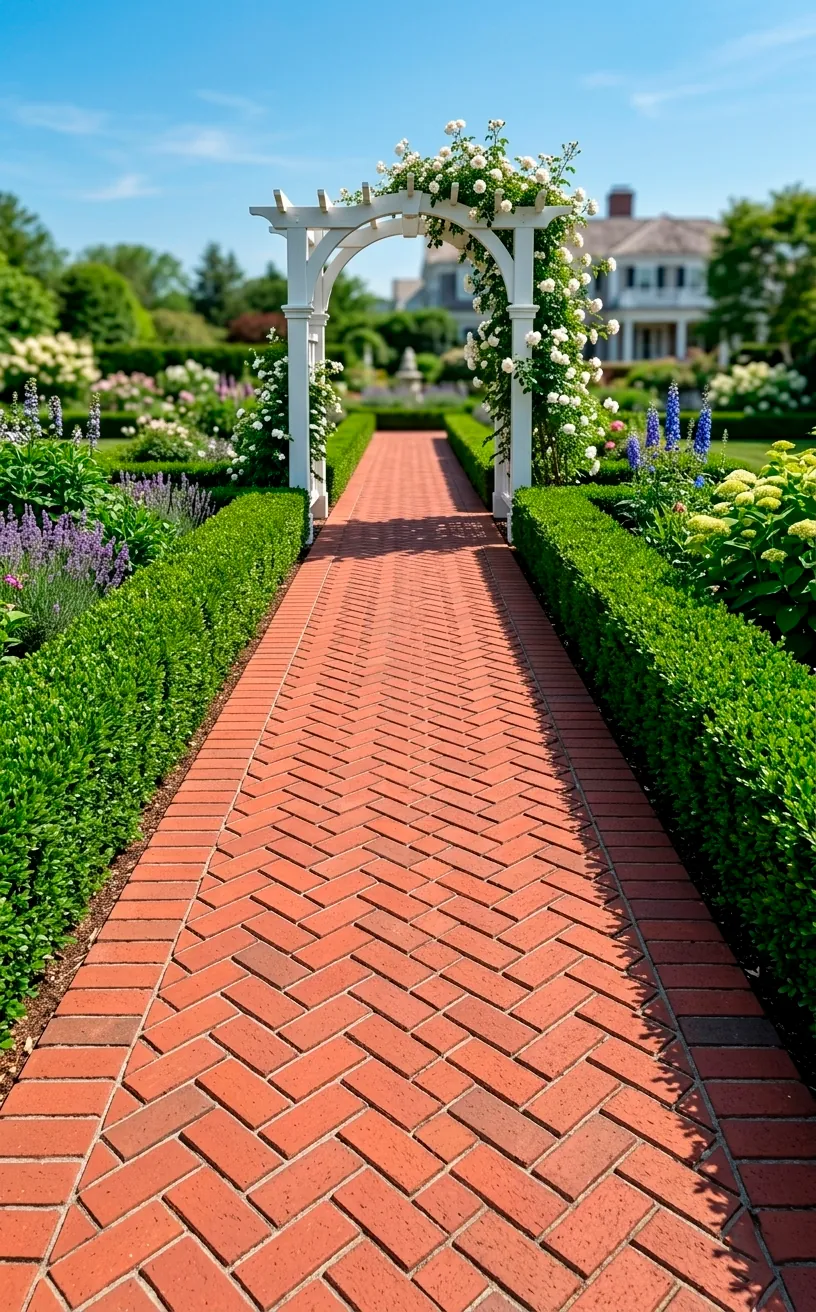
If you’re a perfectionist, herringbone is your best friend.
This layout locks stones together so tightly they won’t budge even if a tank rolls over them. It’s the ultimate choice for those who hate seeing shifting stones after a heavy rain.
Basketweave patterns give off a classic, almost European courtyard energy. It’s symmetrical bliss that works best with uniform rectangular pavers, creating a clean finish that screams “sophisticated adult lives here.”
Plus, it’s weirdly satisfying to see everything line up so perfectly, right? Total win for your curb appeal.
Essential supplies for geometric layouts:
- Rectangular slate pavers
- Precision stone spacers
- High-density paver sand
Embracing the S-Curve
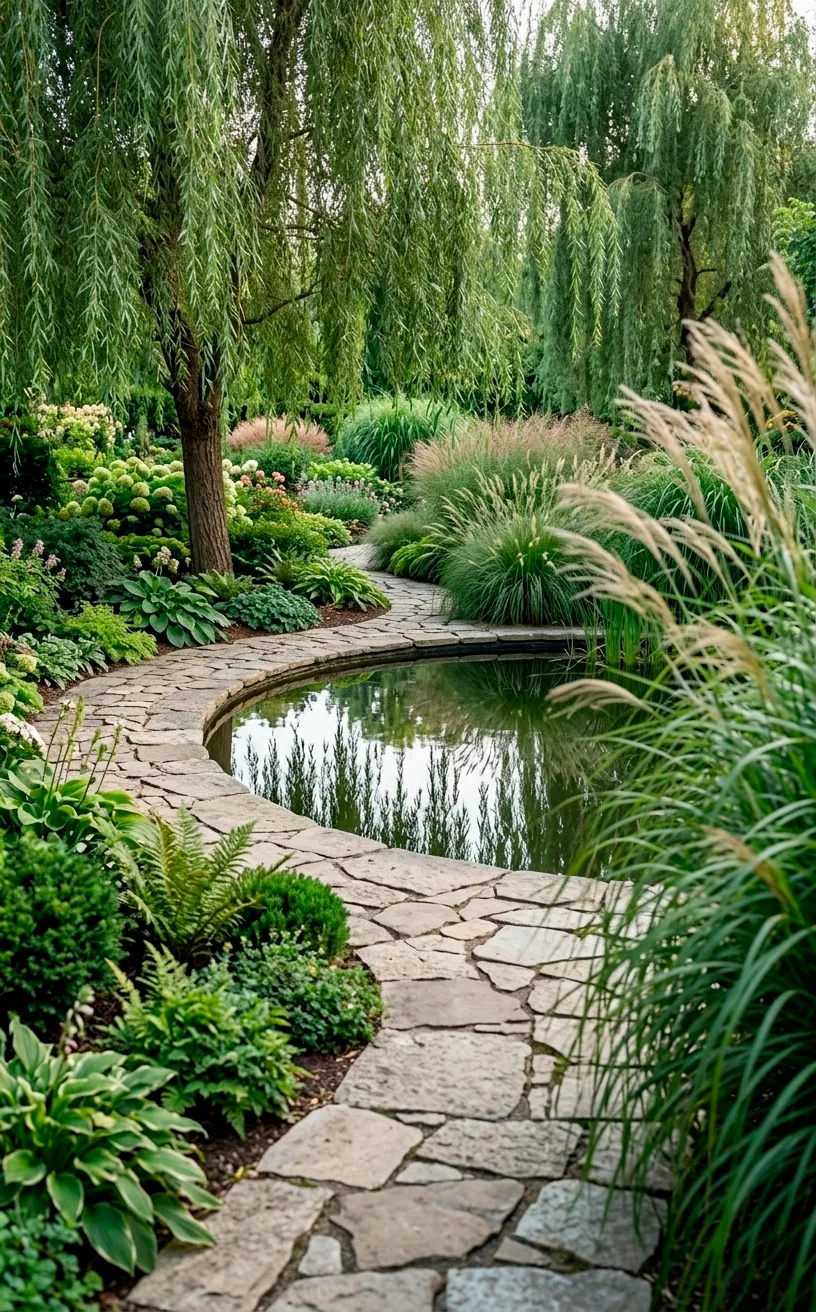
Straight lines are for highways and boring people. In a garden, you want a path that meanders and teases the eye. A curved layout makes a small space feel significantly larger by hiding the “end” of the path behind a few well-placed shrubs. I once built a straight path and regretted it within a week—it felt like a hallway without a roof. Stick to organic flows to keep things enchanting. It encourages guests to slow down and actually look at your flowers instead of racing to the patio. 🌸
Don’t Let Your Path Bleed
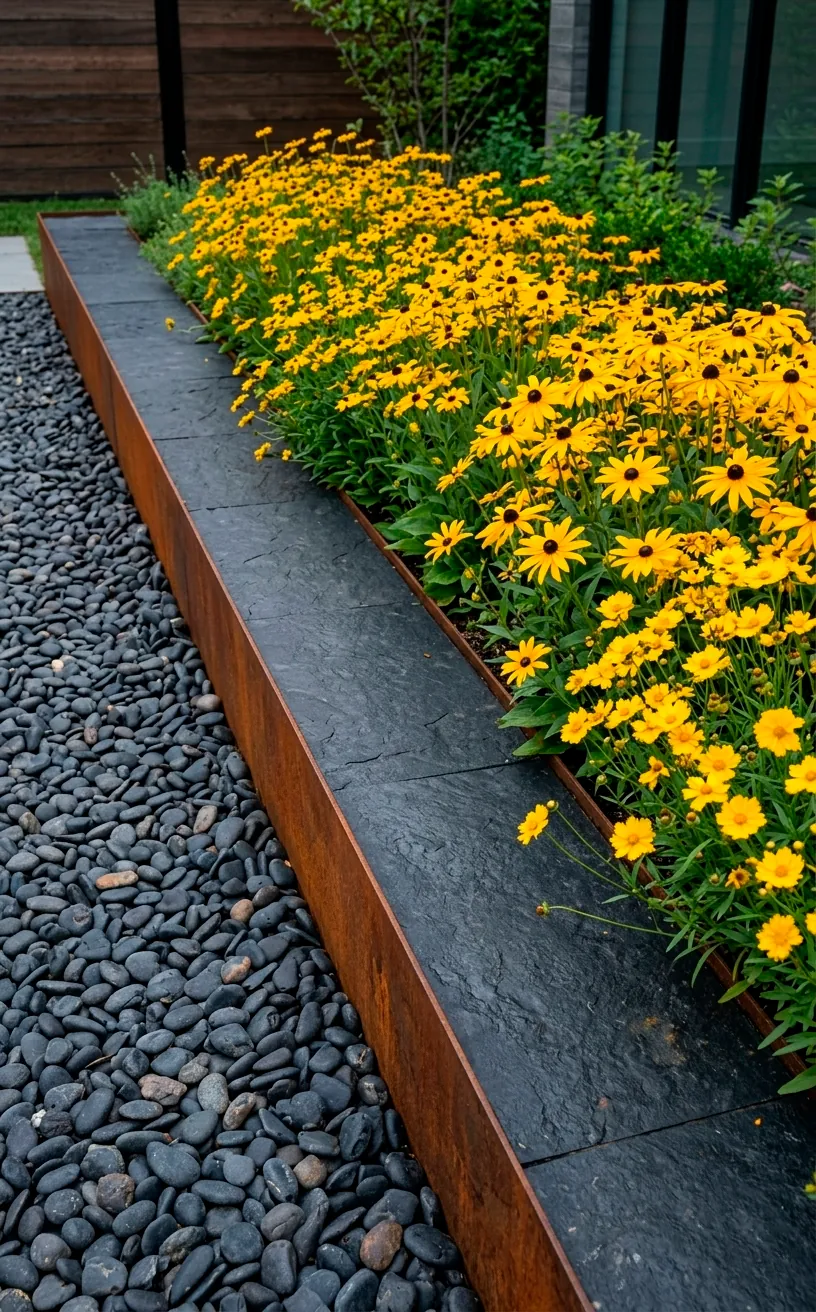
Edging is the unsung hero of the garden world. Without a solid border, your beautiful stones will eventually migrate into the lawn like they’re trying to escape. Metal or stone edging keeps everything crisp and prevents that messy “overgrown” look.
I recommend using a contrasting color for the border to really make the inner layout pop. It adds that professional “I hired a designer” look without the designer price tag.
Seriously, don’t skip this step unless you enjoy weeding your path every five minutes. It’s the difference between a garden masterpiece and a mud pit that looks like it belongs in a swamp.
The Secret Sauce: Joint Sand and Sealers
You’re almost done, but don’t ghost the project yet! Polymeric sand is the magic dust that hardens like mortar but stays flexible enough to handle the ground shifting. Sweep it in, mist it with water, and boom—no weeds growing through your hard work.
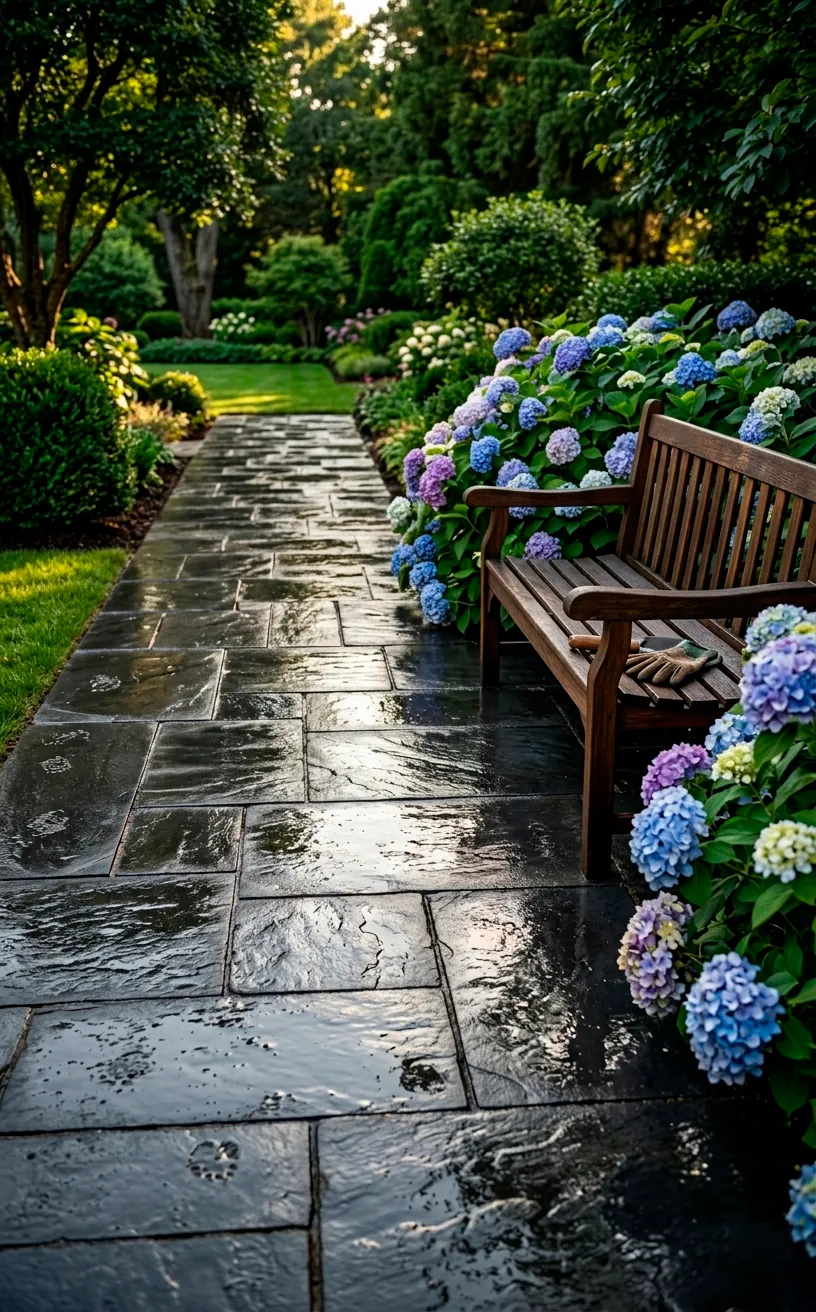
A quick coat of wet-look sealer can also transform dull grey stones into vibrant, deep-toned masterpieces. It’s the ultimate “glow up” for your walkway. Trust me, your future self will thank you when you aren’t pulling dandelions every Saturday morning. 😎
Maintenance essentials for a long-lasting path:
- Polymeric joint sand
- Concrete and stone sealer
- Stiff-bristle outdoor broom
A useful little gift for your home
🎁 Free Plant Finder Tool
Filter 250+ houseplants by style, size, and care level to find your perfect green companion in seconds.
We’ll email you the link. Plus, you’ll join our newsletter for fresh home inspiration.
The Last Stone
Building an enchanting walkway is honestly one of the most rewarding DIY wins you can snag. Whether you go for rugged flagstone or precise geometric pavers, you’re literally carving a new experience into your home. So, are you ready to stop staring at the dirt and start laying some stone? Your garden is waiting for its glow-up, and you’ve got the blueprint now. Let me know which style you’re picking! 😎