Skip to content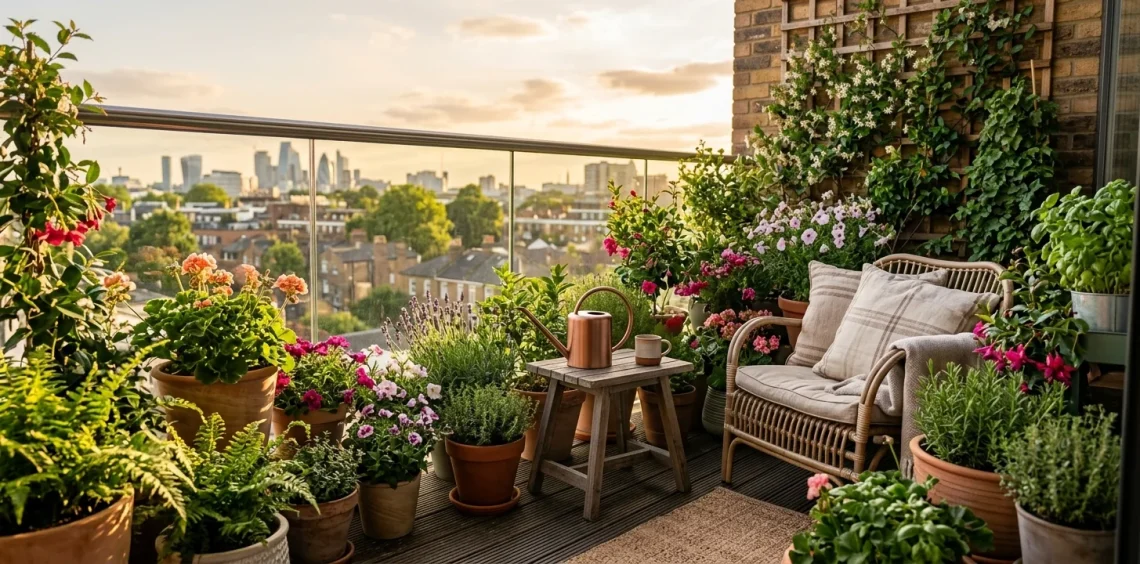
Let’s be honest, keeping a balcony garden alive sometimes feels like solving a complex math equation. You water, you wait, and suddenly your tomatoes look like sad, wilted socks. Fertilizer is the secret sauce you are missing! I ruined my fair share of basil plants before figuring this out. Ready to turn that sad concrete slab into a thriving jungle? 🪴
Decode the NPK Numbers
Ever stared blankly at those three numbers on a fertilizer bottle? They stand for Nitrogen, Phosphorus, and Potassium (NPK). Think of them as the holy trinity of plant food. Nitrogen pushes leafy growth, phosphorus builds strong roots, and potassium keeps the whole plant healthy against diseases and drought.
If you are growing leafy herbs, you want a mix with more nitrogen. Need tomatoes? Boost that phosphorus. Buying a generic mix is fine, but matching the exact NPK to your specific balcony plants changes everything. Stop guessing and read those labels!

Liquid vs. Granular Magic
FYI, not all plant food works at the same speed. Liquid fertilizers act like an energy drink for your plants, giving them an instant nutrient hit when they look sad and droopy. Granular types are more like a hearty meal that breaks down slowly over time. I usually keep a bottle of liquid kelp handy for absolute emergencies. Just mix it directly in your watering can and watch your sad ferns perk right up by tomorrow morning.
A useful little gift for your home
🎁 Free Plant Finder Tool
Filter 250+ houseplants by style, size, and care level to find your perfect green companion in seconds.
We’ll email you the link. Plus, you’ll join our newsletter for fresh home inspiration.

Embrace Slow-Release Pellets
Want the absolute laziest way to feed your sprawling balcony jungle?
Grab some slow-release fertilizer pellets from your local garden center.
You literally just sprinkle these little magic spheres onto the potting soil once every few months. Every single time you water, they gently release a tiny, perfect bit of plant food into the dirt.
It is completely foolproof. I rely heavily on these for my heavy-feeding summer petunias because I always forget to mix up the messy liquid stuff during those busy, sweltering July weeks.

Avoid the Fertilizer Burn
More fertilizer absolutely does not equal more plants. Overfeeding actually scorches the delicate roots, leaving you with crispy brown leaves that look permanently sunburnt.
Always err on the side of caution and use half the recommended dose. It is incredibly easy to add more nutrients later, but almost impossible to save a chemically burned geranium. Seriously, step away from the bottle before you do irreversible damage.

Always Water Before Feeding
Never feed a thirsty plant on bone-dry soil.
Doing so practically guarantees root burn because the desperate plant sucks up the concentrated chemicals way too fast. Always give your pots a thorough soak with plain water first.
Wait a few hours or even a full day before applying your liquid fertilizer mix. This incredibly simple step creates a safe moisture buffer and keeps your green babies thriving without any chemical shock.

Go Organic When Possible
IMO, organic fertilizers absolutely beat synthetic chemicals for long-term soil health. Organics rely on natural ingredients like bone meal or seaweed to slowly nourish the dirt itself. Synthetics hit fast but often leave nasty salt build-ups in your precious terracotta pots over time. I switched entirely to organic fish emulsion last year, and my balcony roses have never looked better (even if the smell is temporarily offensive).

Brew Some Compost Tea
Making compost tea sounds incredibly fancy, but it is basically just steeping organic matter in water.
This nutrient-dense liquid acts as a magical elixir for container plants. You simply strain the dark liquid and pour it right onto the soil to introduce beneficial microbes.
Want to make your own natural fertilizer easily at home without creating a massive mess? Check out these stylish countertop compost bins to kickstart your sustainable balcony routine.

Recycle Your Coffee Grounds
Stop throwing your morning coffee grounds in the trash immediately! Acid-loving plants absolutely adore this stuff.
Sprinkle used grounds gently around your hydrangeas or blueberries for a mild nitrogen boost. Just do not pile it on too thick, or it forms a moldy crust that blocks water. A very light dusting once a month works wonders for the soil texture and acidity.

Try Foliar Feeding
Did you know plants can actually eat straight through their leaves?
It sounds like crazy science fiction, but foliar feeding is a very real, very effective technique.
You just spray a highly diluted liquid fertilizer directly onto the foliage.
The stomata—tiny little pores on the leaf surface—absorb those liquid nutrients almost instantly. I use this sneaky trick when my leafy tropicals need a rapid pick-me-up right before hosting a weekend patio party.

Flush Out the Salts
Potted plants naturally trap excess fertilizer salts over time, turning the topsoil into a weird, crusty white mess. You absolutely must flush your containers with pure water every few months. Take your smaller pots to the sink or use your watering can to heavily drench the balcony soil until water pours freely out the bottom drainage holes. This simple wash completely removes toxic buildup and resets the soil balance perfectly.

Adjust for the Seasons
Plants closely follow the changing seasons, and so should your feeding routine. Ramp up the fertilizer in early spring when new growth absolutely explodes.
Once late autumn approaches and daylight drops, cut the plant food completely. Pushing harsh nutrients on a dormant winter plant just stresses it out immensely. Let them rest peacefully until the warm sun returns!

Master the Dilution Rules
Balcony pots hold a surprisingly small amount of soil compared to a traditional sprawling backyard garden bed.
Because of this limited space, chemical nutrients concentrate much faster and stronger.
Always dilute liquid fertilizers to a quarter or half strength for your container plants. You definitely get much better, safer results feeding a weak solution frequently rather than blasting them with a strong chemical mix rarely.

Customize for Plant Types
Not all balcony residents share the exact same diet.
- Heavy feeders: Tomatoes and peppers demand constant nutrition.
- Light feeders: Succulents and cacti barely need anything.
Group your pots by their specific feeding needs so you do not accidentally scorch your delicate aloe while trying to pump up your cherry tomatoes.

Track Your Schedule
Trust me, you will completely forget when you last fertilized your plants. Keep a simple log on your phone or stick a cute garden calendar on the fridge.
Marking down your feeding dates prevents accidental double-dosing. It also helps you spot weird patterns if a specific plant suddenly starts struggling mid-season without an obvious cause.

Upgrade the Overall Vibe
Healthy plants definitely look great, but the actual containers matter too. Feeding your greenery is only half the battle of creating a true outdoor oasis. Make sure you use stylish planters and smart, cohesive layouts to highlight all that lush new growth you worked so hard for. Need some fresh inspiration for your outdoor setup? Check out these 15 DIY decor projects to upgrade your balcony aesthetic.

A useful little gift for your home
🎁 Free Plant Finder Tool
Filter 250+ houseplants by style, size, and care level to find your perfect green companion in seconds.
We’ll email you the link. Plus, you’ll join our newsletter for fresh home inspiration.
Wrap Up the Feeding Frenzy
Feeding your balcony garden doesn’t require a chemistry degree—just a little patience and the right nutrients. Remember to start slow, watch how your plants react, and always soak the soil with plain water before you apply any fertilizer! I promise your little urban jungle will absolutely thank you with wild new growth and brighter blooms. Which of these clever feeding tricks are you trying out this weekend? Let me know in the comments! 🌿