Skip to content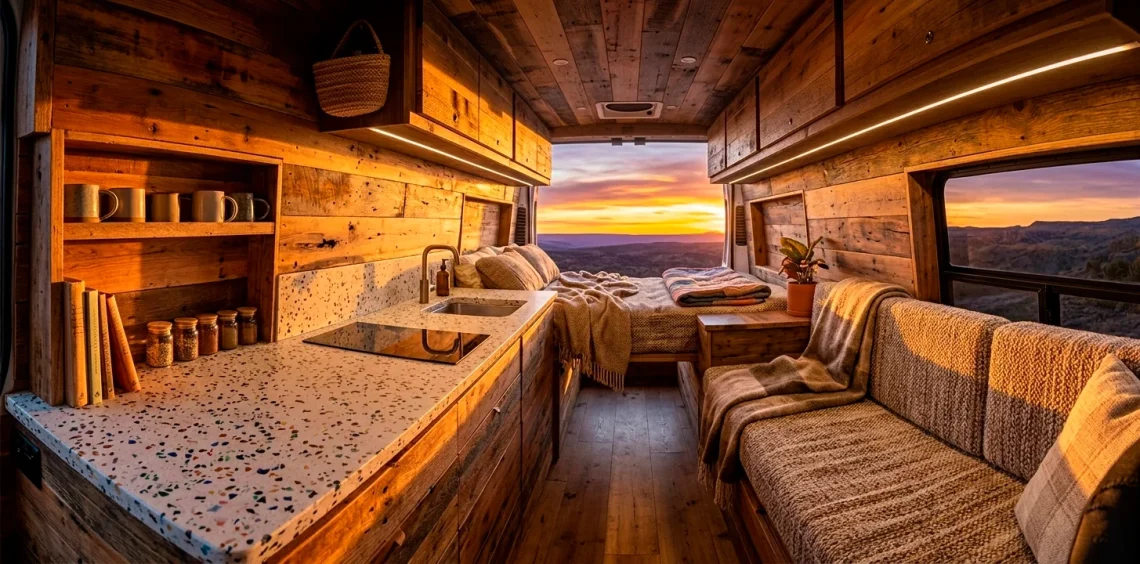
Building a dream van shouldn’t cost the Earth—literally or figuratively. I spent months scouring scrapyards for my first build, and honestly, the ‘trash’ I found had way more character than anything from a big-box store. Want a space that looks high-end without the carbon footprint? I’ve got eight genius ways to turn recycled materials into a masterpiece. 🚐
Reclaimed Pallet Wood Paneling
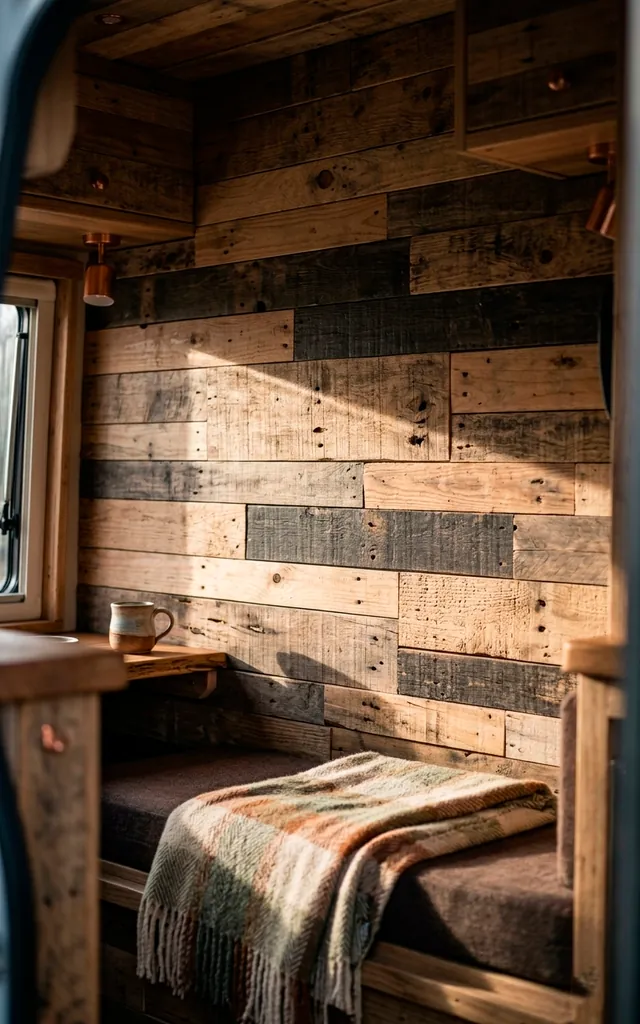
Reclaimed pallet wood gives your van that rugged, lived-in soul that new plywood just can’t touch. I found my best batches behind local warehouses, but please, check for those ‘HT’ stamps so you aren’t breathing in nasty chemicals while you sleep.
Installing these planks requires a bit of puzzle-solving, but the effort creates a gorgeous, textured accent wall that smells faintly of pine. Why pay $10 a board when you can snag them for free? Just sand them down thoroughly with a reliable orbital sander and seal the surface with a non-toxic wood finish unless you enjoy picking splinters out of your back. This setup makes every morning feel like you're waking up in a high-end mountain cabin. IMO, it’s the ultimate low-cost flex for any eco-warrior on wheels.
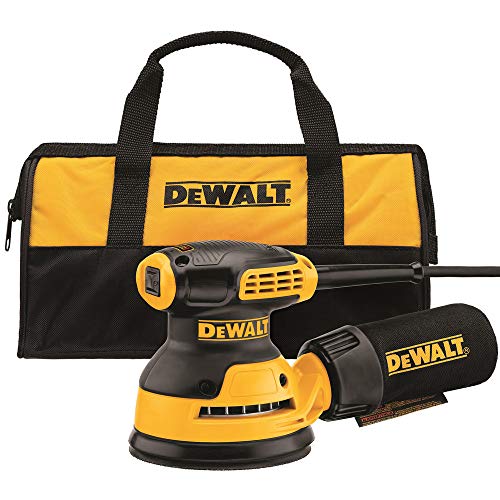
DEWALT Orbital Sander Kit, 5 inch, 3 amp, Corded, 12,000 OPM (DWE6421K)
View on Amazon
Hope's 100% Pure Tung Oil, Food Safe Wood Finish, 16 Fl Oz | Food Safe & Waterproof – Penetrates Deep To Protect Wood Indoors & Outdoors With A Natural, Hand-Rubbed Finish
View on AmazonCERTAIN CONTENT THAT APPEARS ON THIS SITE COMES FROM AMAZON. THIS CONTENT IS PROVIDED “AS IS” AND IS SUBJECT TO CHANGE OR REMOVAL AT ANY TIME.
Recycled Plastic Countertops
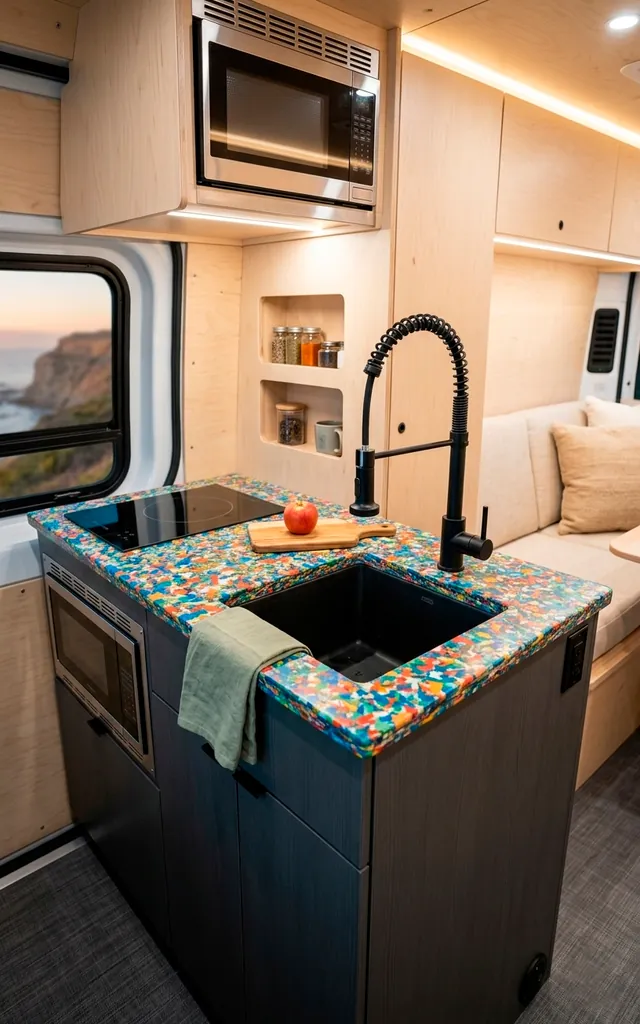
Ever wondered where all those milk jugs and detergent bottles end up? Smart manufacturers now press them into stunning, kaleidoscopic countertop sheets that look like high-end terrazzo. I love how these surfaces handle spills—you basically can't kill them with water. While natural stone weighs a ton and costs a fortune, these recycled boards offer a lightweight, durable alternative that screams modern design. To mount them securely, apply a strong low-VOC construction adhesive, and pair the setup with a colorful recycled plastic cutting board for meal prep. You get a pop of color and the satisfaction of knowing you saved a literal pile of plastic from the ocean. It’s a win for your aesthetic and a bigger win for the planet. Seriously, who knew trash could look this expensive?
A useful little gift for your home
🎁 Free Plant Finder Tool
Filter 250+ houseplants by style, size, and care level to find your perfect green companion in seconds.
We’ll email you the link. Plus, you’ll join our newsletter for fresh home inspiration.

Liquid Nails Extreme Heavy Duty 10 oz White Latex-Based Interior/Exterior Construction Adhesive Low VOC, 2 Pack
View on Amazon
Preserve 14x11in BPA-Free Recycled Plastic Cutting Board, Red | Full-size board for everyday prep; knife-friendly surface; dishwasher safe; made in USA
View on AmazonCERTAIN CONTENT THAT APPEARS ON THIS SITE COMES FROM AMAZON. THIS CONTENT IS PROVIDED “AS IS” AND IS SUBJECT TO CHANGE OR REMOVAL AT ANY TIME.
Upcycled Denim Insulation
Forget that itchy fiberglass stuff that makes you feel like you’re hugging a cactus.
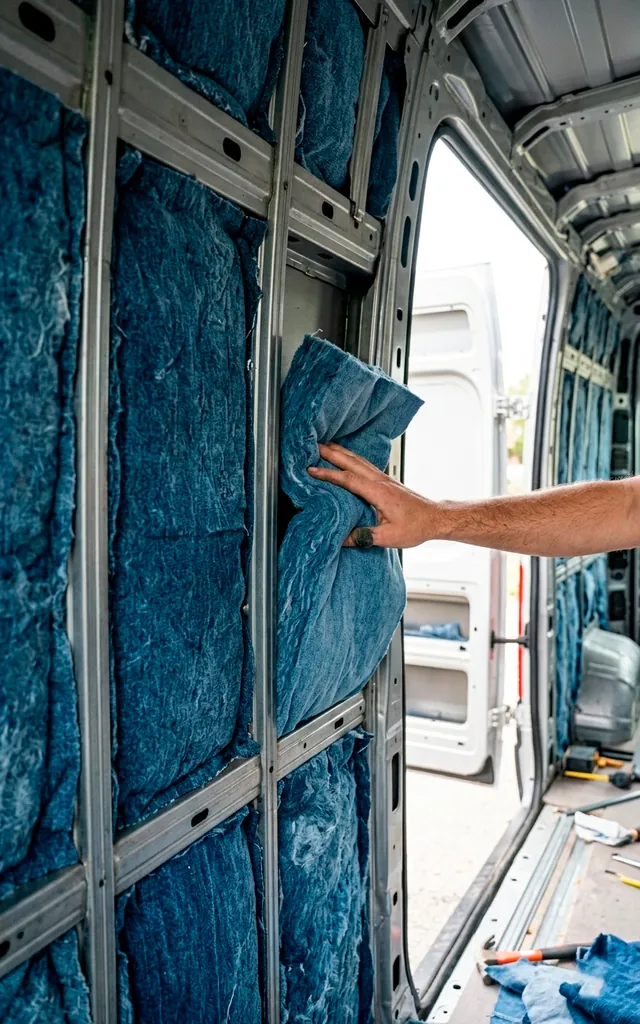
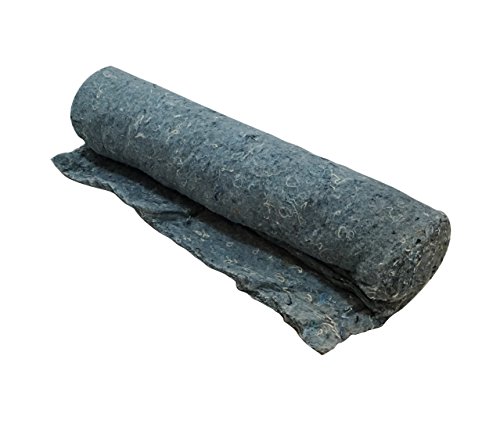
Upcycled denim insulation uses old blue jeans to keep your van toasty. It’s significantly easier to handle and doesn’t off-gas toxic fumes into your small living space.
Essential gear for the eco-build:
You just stuff it into the wall cavities and enjoy the superior sound dampening during a rainstorm. It turns your van into a giant, cozy pair of pants. Just make sure you seal your vapor barrier perfectly, or you’ll basically be living inside a damp laundry basket. Trust me, your ears and your lungs will thank you for choosing the ‘blue’ route.
Frost King CF1 "No Itch" Natural Cotton Multi-Purpose Insulation, 16 x 1 x 48-Inch
View on Amazon
3M Hi-Strength Spray Adhesive 90, Inverted, Clear Color, 17.6 oz Net Wt | High Strength Bonding, High Tack, Bonds Laminate, Wood, Concrete, Metal, Plastic, Will Spray Upside Down Only
View on AmazonCERTAIN CONTENT THAT APPEARS ON THIS SITE COMES FROM AMAZON. THIS CONTENT IS PROVIDED “AS IS” AND IS SUBJECT TO CHANGE OR REMOVAL AT ANY TIME.
Cork Flooring and Wall Tiles
Is cork the most underrated material in the van world? Probably.
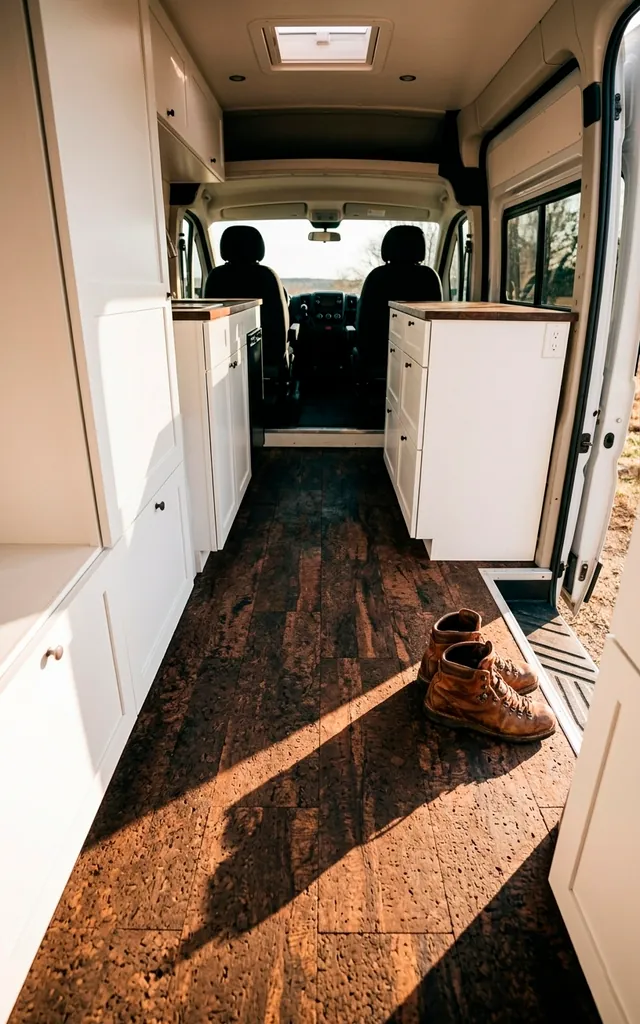
It’s naturally antimicrobial, fire-resistant, and surprisingly soft underfoot. I replaced my old vinyl with cork tiles and the difference in temperature was immediate.
Cork features:
- Natural thermal insulation
- Impact-resistant surface
- Sustainably harvested bark
You aren’t just buying a floor; you’re buying a renewable cushion that keeps the road noise down. Plus, if you're a bit clumsy like me, dropping a glass bottle on cork is way less heartbreaking than dropping it on tile. If you install them yourself, keeping a tube of contact cement on hand is key for securing edges and seam touch-ups. It gives the whole interior a warm, organic glow that feels grounded and intentional. It’s basically nature’s version of memory foam, and I’m here for it.

Corksidol Cork Tiles 12"x12" - 1/2" Thick -Bulletin Board-Cork Board- Ultra Strong Self Adhesive Backing for Floor/Wall/DIY-10 Pack
View on Amazon
Permatex 25905 Contact Cement, 1.5 oz.
View on AmazonCERTAIN CONTENT THAT APPEARS ON THIS SITE COMES FROM AMAZON. THIS CONTENT IS PROVIDED “AS IS” AND IS SUBJECT TO CHANGE OR REMOVAL AT ANY TIME.
Thrifted Furniture Cabinetry
Why build cabinets from scratch when someone’s grandma already donated a perfectly good dresser to the local charity shop? I’ve seen some incredible builds where people hack old nightstands and wardrobes to fit the van’s curvature. You get solid wood construction and vintage charm for a fraction of the price of new birch ply.
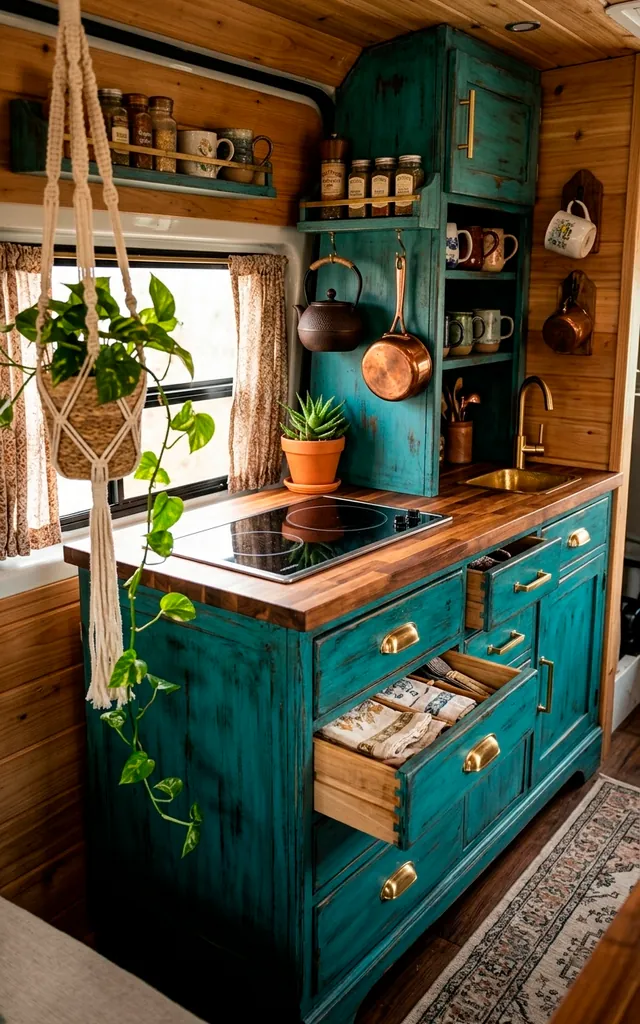
I usually strip the old paint, give it a fresh coat of low-VOC green paint, and swap out the hardware for modern cabinet handles. It adds a 'soul' to the van that flat-pack furniture just can't replicate. Just remember to bolt that sucker down using heavy-duty L-brackets like your life depends on it, because a flying dresser is a great way to ruin a road trip. A little DIY elbow grease turns a $20 find into a custom-fit masterpiece.

Country Chic All-in-One Chalk Paint for Furniture, Cabinets, Home Decor, Eco-Friendly, Matte Finish, Built-In Primer & Top Coat for Wood, Metal - Sage Advice (Sage Green) - Pint 16 oz (475 ml)
View on Amazon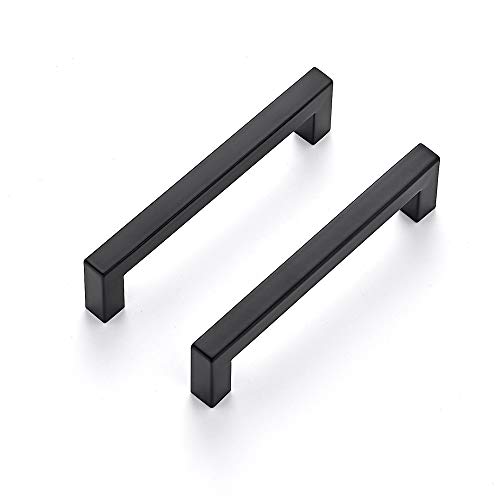
Ravinte Matte Black Square Cabinet Handles Drawer Pulls,5 Inch,30 Pack | Screws Included, Stainless Steel, Square Bar Grip, Easy Install, Kitchen Cabinet Hardware, For Cupboards, Drawers, Dressers
View on AmazonCERTAIN CONTENT THAT APPEARS ON THIS SITE COMES FROM AMAZON. THIS CONTENT IS PROVIDED “AS IS” AND IS SUBJECT TO CHANGE OR REMOVAL AT ANY TIME.
Scrapped Metal Backsplashes
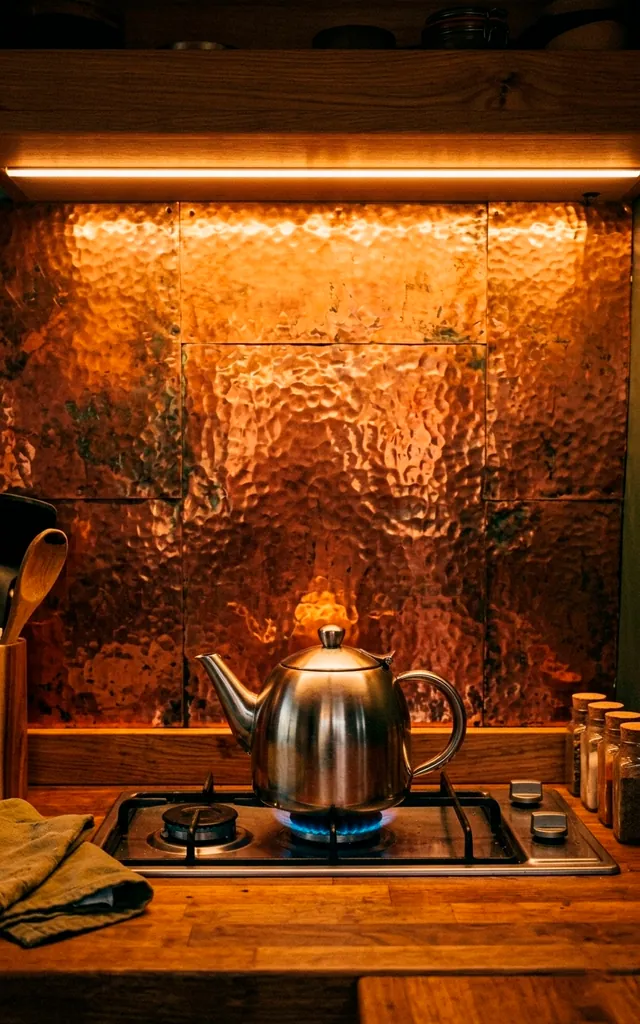
If you want an industrial edge, head to the local metal scrapper. I once found a sheet of hammered copper that someone had tossed out, and it became the most talked-about feature in my kitchen. You can use old roofing tin, aluminum scraps, or even flattened copper pipes to create a heat-resistant backsplash behind your stove. You'll want some heavy-duty tin snips to cut it to size. It reflects light, making your tiny home feel significantly larger and brighter. FYI, metal is also incredibly easy to wipe down after you inevitably explode a jar of tomato sauce. It’s functional art that costs next to nothing if you’re willing to dig through a few bins. Just watch those sharp edges during the install—cut-resistant gloves are your best friend here.
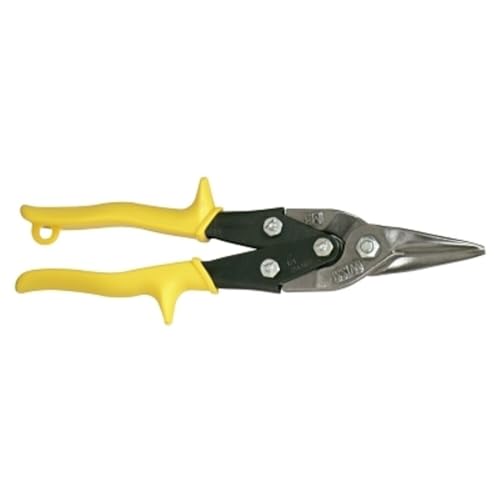
Crescent Wiss 9-3/4" Straight, Left, & Right Cut Aviation Snips | M3R
View on Amazon
Schwer ProGuard High Level Cut Resistant Work Gloves for Extreme Protection, ANSI A9 Cut Gloves with Reinforced Thumb, Non Slip, Breathable, Durable, Touch-screen, Black 1 Pair(L 3326
View on AmazonCERTAIN CONTENT THAT APPEARS ON THIS SITE COMES FROM AMAZON. THIS CONTENT IS PROVIDED “AS IS” AND IS SUBJECT TO CHANGE OR REMOVAL AT ANY TIME.
Eco-Fabric Upholstery
Your cushions shouldn’t be a source of environmental guilt.
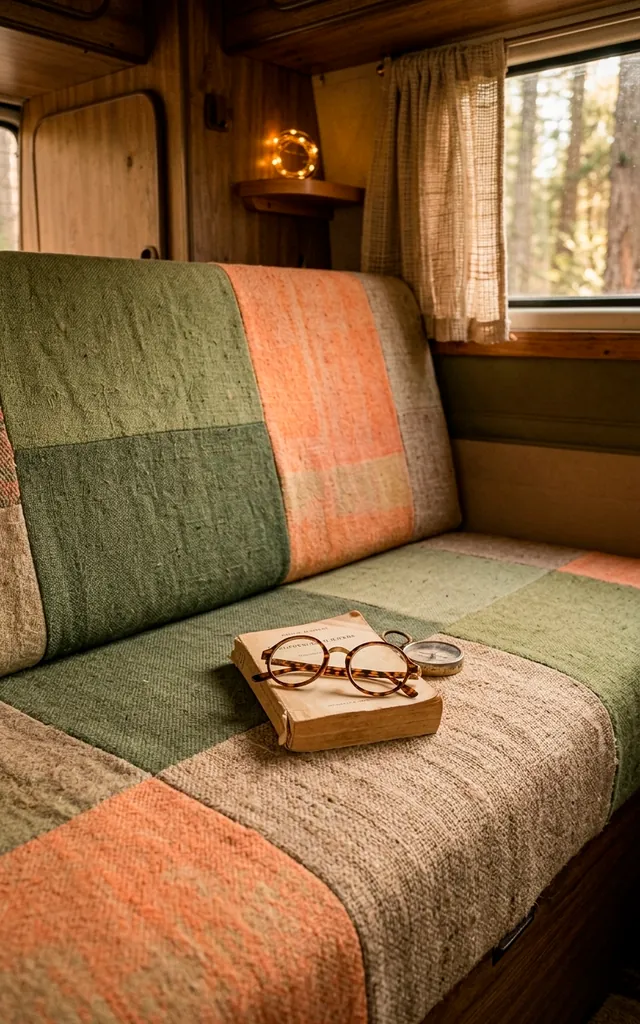
I’m a huge fan of using recycled textiles, like old coffee sacks or heavy-duty curtains, for bench covers. These materials are built to survive rough handling, making them perfect for the chaotic van life environment.
Sustainable fabric ideas:
- Recycled polyester blends
- Organic hemp canvas
- Repurposed wool blankets
They offer a tactile, cozy vibe that feels much more personal than generic gray foam covers. If you find a vintage Pendleton at a garage sale, grab it immediately—it’ll make your bed look like a million bucks. Plus, natural fibers breathe better, so you won’t wake up in a pool of sweat during those humid summer nights in the desert. Comfort and conscience can actually coexist, who knew?
Bamboo Scraps for Modular Shelving
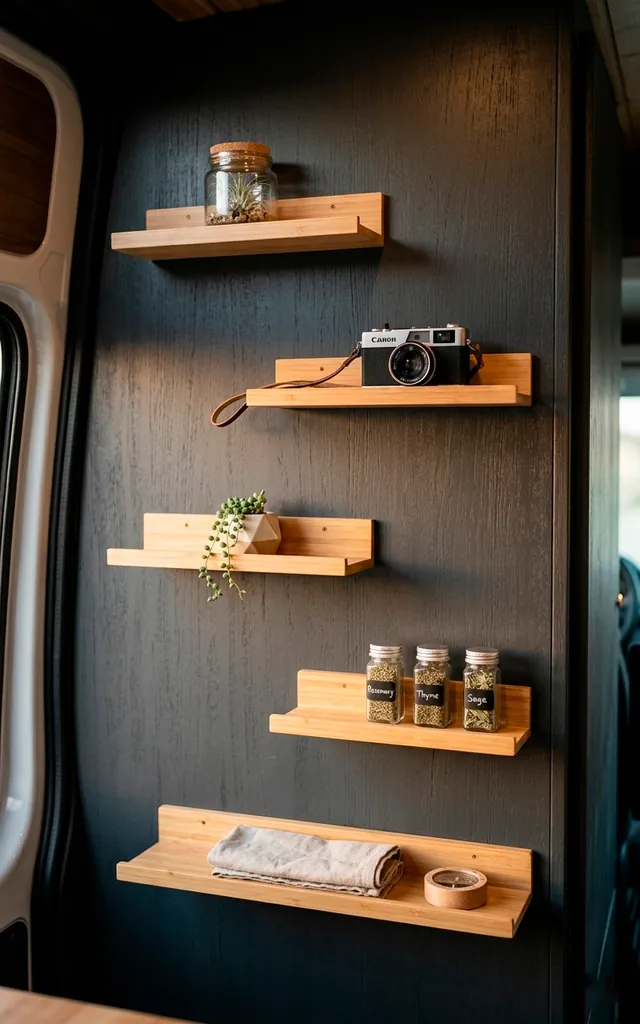
Bamboo grows faster than a teenager’s grocery bill, making it one of the most sustainable materials on the planet. I often find bamboo flooring offcuts or old cutting boards at ‘reuse’ centers. These scraps are incredibly dense and water-resistant, which makes them perfect for modular shelving or spice racks.
You can create a clean, minimalist look by mounting small bamboo ledges on your walls. They provide just enough space for your essentials without cluttering the visual field. Since bamboo is so strong, you can keep the shelves thin and lightweight, which is the golden rule of van building. It’s a simple, elegant way to keep your life organized while keeping your environmental footprint small. IMO, a little bit of bamboo goes a long way in making a DIY build feel like a professional studio.
A useful little gift for your home
🎁 Free Plant Finder Tool
Filter 250+ houseplants by style, size, and care level to find your perfect green companion in seconds.
We’ll email you the link. Plus, you’ll join our newsletter for fresh home inspiration.
Conclusion
Building an eco-friendly van isn’t just about saving the trees—it’s about creating a space with a story. By choosing recycled wood, plastics, and fabrics, you build a home that’s as unique as your travel itinerary. Your wallet stays heavy, your carbon footprint stays light, and your interior looks like a design magazine. Which of these recycled ideas are you grabbing first? Let me know in the comments! 🌍