Skip to content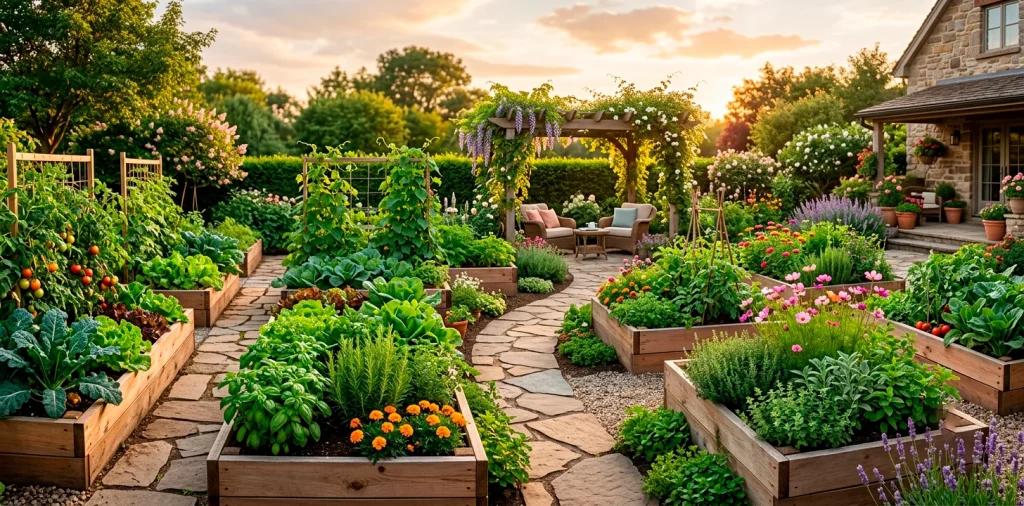
Welcome to the club! You probably want to grow your own food but dread the back-breaking labor of digging up your yard. I get it. Raised bed gardening completely changed the way I grow vegetables. It keeps weeds out, warms up the soil faster, and definitely saves your knees. Ready to build a lush backyard oasis without needing a chiropractor? Let’s dig right in.
The Magic of Growing Above Ground
Ever wondered why every gardening influencer shows off these neat wooden boxes? It’s not just for the Pinterest aesthetic, I promise.
Growing above ground gives you absolute control over your soil. You skip the nightmare of battling native clay or rocky dirt. Plus, you face way fewer weeds.
You literally build your garden’s foundation from scratch. Your plants absolutely thrive because the soil stays loose, fluffy, and perfectly drained. Honestly, who knew playing in the dirt could feel this civilized? 😉

Chasing the Sun
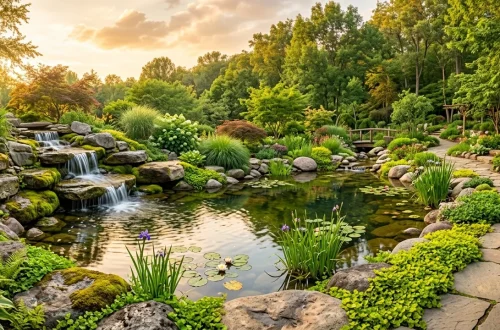
Location dictates everything in the gardening world. You must place your raised beds where they receive at least six to eight hours of direct sunlight daily. Vegetables are massive sun hogs! Watch your yard for a few days to track the shadows before you build anything. If you stick a tomato plant in deep shade, you will only grow disappointment. Trust me, I learned that the hard way. Keep your setup near a water source, too. Hauling watering cans across a massive lawn gets old fast. If you want to transform your entire outdoor area alongside your new beds, check out these gorgeous pond landscaping ideas for a backyard oasis.
A useful little gift for your home
🎁 Free Plant Finder Tool
Filter 250+ houseplants by style, size, and care level to find your perfect green companion in seconds.
We’ll email you the link. Plus, you’ll join our newsletter for fresh home inspiration.

Picking Your Materials
You have tons of options when choosing what holds your precious soil together.
Heading phrase: Popular materials to consider:
- Cedar wood: Resists rotting naturally but costs a small fortune up front.
- Galvanized steel: Offers an edgy, modern vibe and lasts practically forever.
Avoid chemically treated wood if you plan to grow edible crops.
Always prioritize completely food-safe materials. You definitely don’t want toxic chemicals leaching into your prized organic zucchini!

Sizing Up Your Space
Never build a bed wider than four feet. You need to easily reach the center from either side without stepping on the soil. Stepping on the dirt compacts it, which ruins that perfect fluffy texture we just talked about.
Height matters too! Six inches is the absolute minimum, but I prefer a luxurious twelve to eighteen inches. It saves your back and gives root vegetables plenty of room to stretch out. If your yard feels cramped, you might also enjoy this guide to practical small space living.

The Ultimate Soil Recipe
Do not just shovel native yard dirt into your expensive new boxes! That completely defeats the whole purpose of raised beds.
You need a custom mix to guarantee success. My absolute favorite recipe combines one third quality topsoil, one third rich compost, and one third aeration material like perlite or vermiculite.
IMO, this golden ratio retains moisture while draining excess water perfectly. Mix it up thoroughly before you plant a single seed. Your happy plants will reward you with massive growth and an embarrassingly huge harvest. 🍅

Picking the Right Plants
Beginners should stick to easy-to-grow crops. Radishes, lettuce, and bush beans practically grow themselves. You pop the seeds in the dirt, water them, and watch them explode. Tomatoes and peppers require a bit more attention, but they taste infinitely better than the sad grocery store versions. Buy young starter plants from your local nursery if you feel intimidated by seeds. Start small so you don’t overwhelm yourself. A crowded garden just breeds disease and stress. Give every plant the breathing room it deserves!

The Art of Watering
Watering looks simple, right? Think again. Raised beds dry out way faster than traditional in-ground gardens.
You must actively check the soil moisture daily during those brutal hot summer months. Just stick your finger an inch into the dirt.
If it feels dry, grab the hose immediately. Always water deeply at the very base of the plant to encourage deep, resilient roots.
Avoid splashing water on the leaves! Wet leaves invite nasty fungal diseases. Invest in a simple drip irrigation system if you absolutely hate standing outside with a hose every single morning.

The Magic of Mulch
Mulch acts like a protective blanket for your entire garden. It ruthlessly suppresses those annoying weeds, retains vital soil moisture, and keeps the delicate root zone cool during extreme heatwaves.
Top your beds with a generous two-inch layer of clean straw, shredded leaves, or untreated wood chips. As the organic mulch slowly breaks down, it actually feeds the soil beneath it. It’s essentially free fertilizer! Trust me, skipping this step guarantees you will spend your precious weekends pulling weeds instead of relaxing.

Keeping Pests at Bay
Bugs will eventually discover your beautiful backyard vegetable buffet. Don’t panic! Actively check your plants a few times a week for chewed leaves or suspicious spots. Hand-picking green caterpillars off your precious cabbage feels super gross, but it works flawlessly. You can also plant strong-smelling herbs like marigolds and basil right next to your veggies to confuse destructive pest insects. FYI, an organic neem oil spray handles most stubborn infestations safely. Vigilance is your absolute best weapon against garden invaders. Catch them early, and you win the war.

Wrapping Up the Season
Your garden desperately needs a proper bedtime routine when the chilly fall weather arrives. Pull up any dead or dying summer plants and toss them straight into your compost bin.
Do not leave diseased foliage sitting in the bed to overwinter! That careless mistake just guarantees massive fungal problems for next year.
Add a fresh, thick layer of rich compost over the bare soil to recharge its nutrients while it sleeps. Prepping your beds now makes next spring’s planting an absolute breeze. You literally just wake up, stir the dirt slightly, and start planting again! 🍂

A useful little gift for your home
🎁 Free Plant Finder Tool
Filter 250+ houseplants by style, size, and care level to find your perfect green companion in seconds.
We’ll email you the link. Plus, you’ll join our newsletter for fresh home inspiration.
Conclusion
Starting a raised bed garden transforms your outdoor space and your dinner plates. It takes a little elbow grease upfront, but the fresh tomatoes alone make every drop of sweat worth it. You control the soil, you defeat the weeds, and you reap the delicious rewards. So, what vegetables are you planting first? Let me know in the comments below!