Skip to content
You’ve likely spent twenty minutes negotiating with a threenager over a pair of mismatched socks. I’ve been there, and trust me, it’s a cardio workout nobody actually wants. Transforming a standard closet into a Montessori-inspired reachable wardrobe changes the entire morning dynamic. It hands the power back to your kid, and surprisingly, it gives you back your morning coffee time. 🙂
The Low-Down on Height
Most closets ignore the most important person using them: the child. Why do we hang shirts six feet in the air and expect a toddler to be “independent”? By lowering the hanging rail to chest height, you invite your child to participate in their own life. It’s about dignity and accessibility, not just decor. Ever noticed how much happier they are when they can actually reach their favorite dinosaur tee? This simple shift transforms a storage box into a functional learning tool.
Culling the Choice Chaos
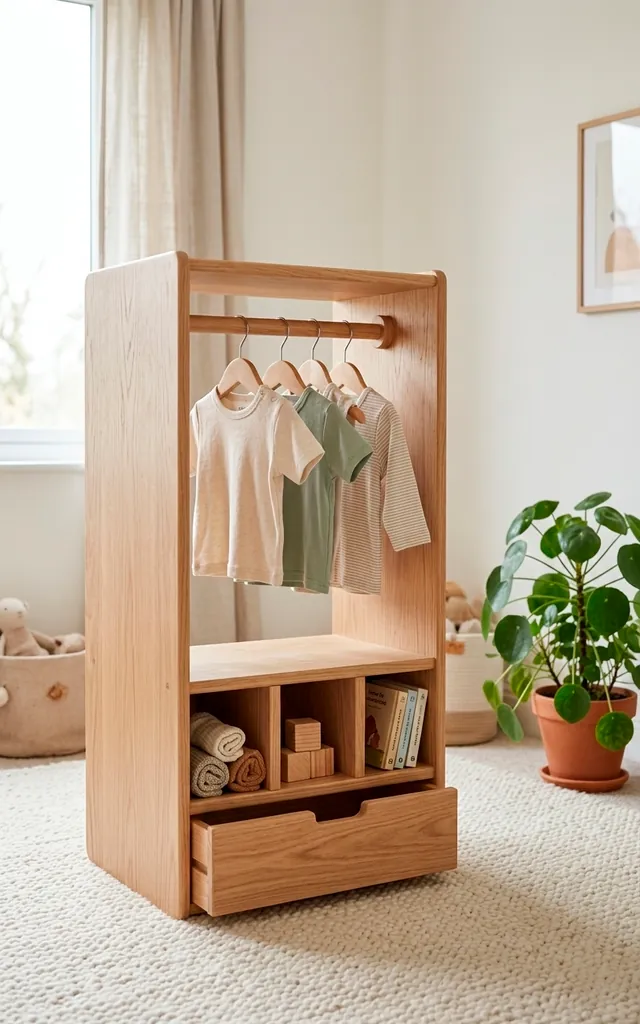
Choice paralysis is a real thing, even for us adults. Imagine being three years old and staring at fifty shirts; I’d probably cry too. The Montessori way suggests limiting choices to three or four weather-appropriate outfits. Rotate these garments seasonally to keep the closet fresh but manageable. Does your kid really need access to a winter parka in the middle of July? IMO, definitely not. A curated selection fosters confidence instead of confusion.
A useful little gift for your home
🎁 Free Plant Finder Tool
Filter 250+ houseplants by style, size, and care level to find your perfect green companion in seconds.
We’ll email you the link. Plus, you’ll join our newsletter for fresh home inspiration.
Bin It to Win It
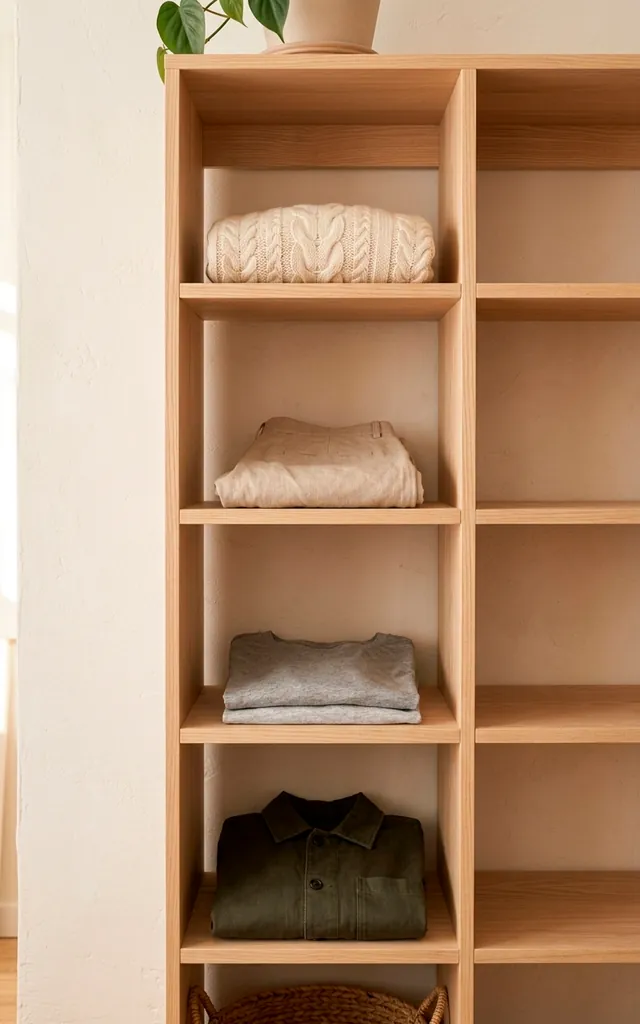
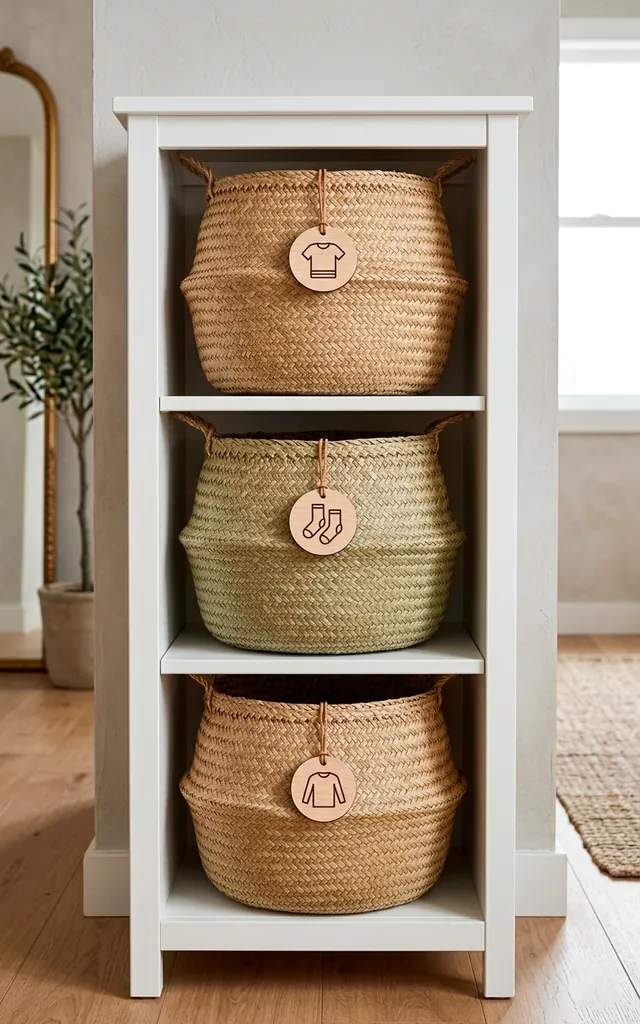
Drawers are often too heavy or tricky for small hands to navigate without pinching a finger. I prefer open bins and baskets placed on low shelves for things like socks and undies. Use labels with pictures so your non-reader knows exactly where the leggings live. It makes “putting laundry away” feel like a matching game rather than a chore. Who knew a simple basket could be a secret weapon for household peace? It’s all about removing the barriers to success.
The Self-Care Station
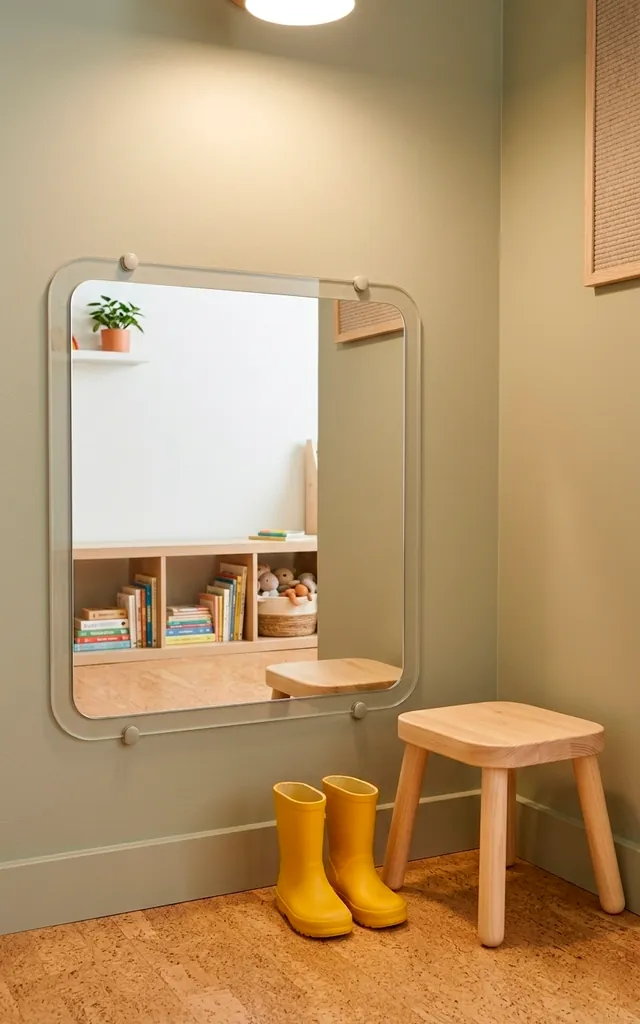
Every great wardrobe needs a full-length, shatterproof mirror nearby. Kids love checking themselves out—it’s how they learn about their bodies and self-care. Add a tiny stool or bench so they have a dedicated spot to wrestle with those stubborn boots. Have you ever tried putting on rain boots while standing on one leg? It’s a circus act I don’t recommend for anyone’s sanity. A dedicated dressing station anchors the routine and makes the process feel official.
Quality Over Flimsy Plastic
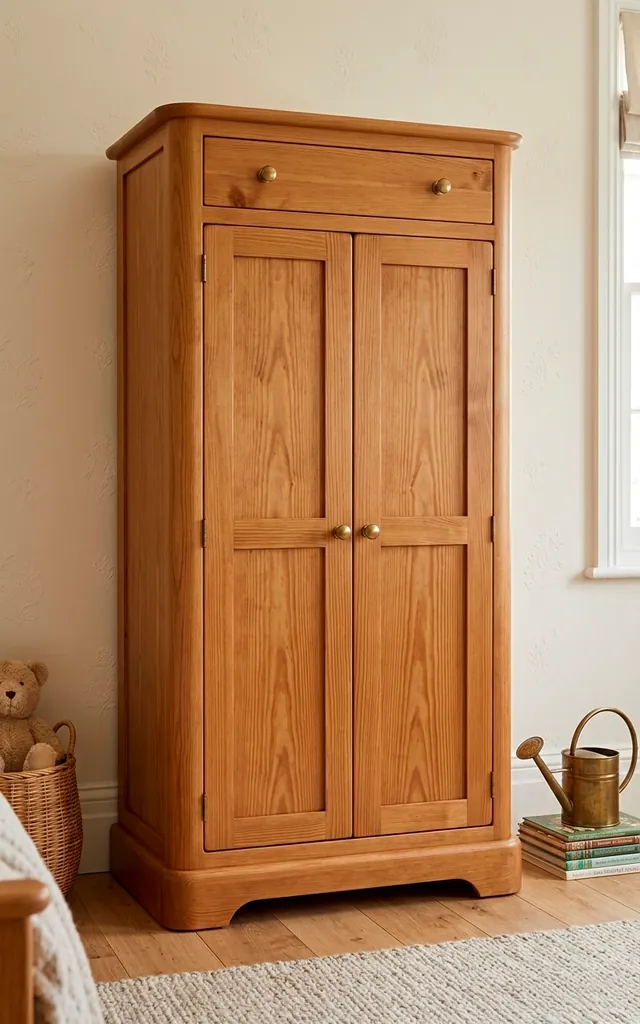
Plastic bins might be cheap, but they lack the soul of natural materials like wood, cotton, and wool. Montessori spaces prioritize beauty because children respect a beautiful environment more than a cluttered one. Invest in a solid wood wardrobe that won’t tip over the moment someone tries to climb it. FYI, safety straps are your best friend here. Isn’t it better to buy one good piece than three flimsy ones that end up in a landfill?
Lighting the Way
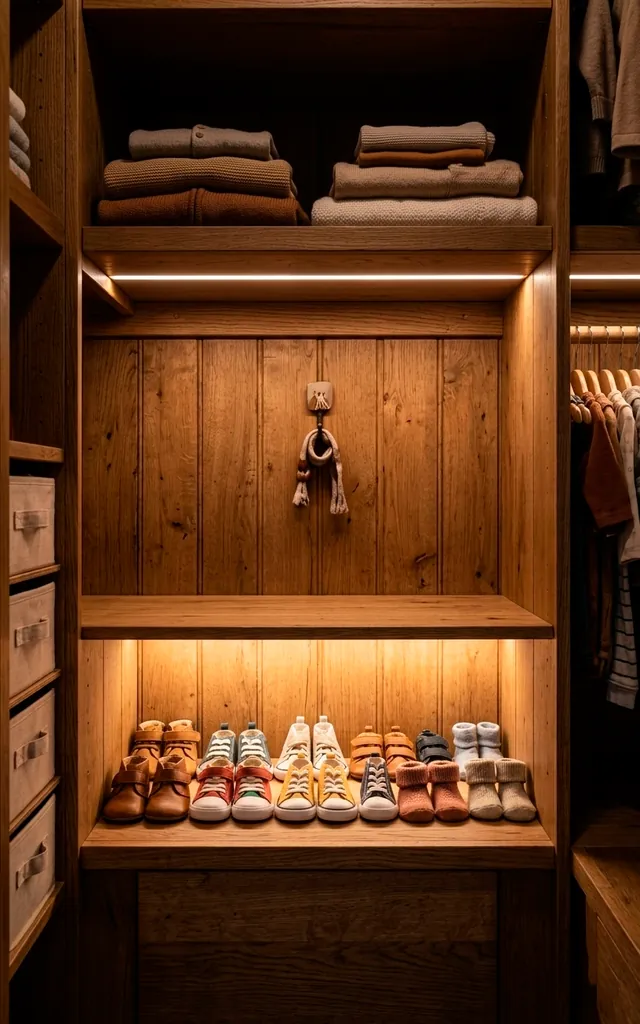
How can they pick out clothes if they’re squinting in the dark? Standard closet lights are usually too high and too dim. Stick-on, motion-sensor LED lights placed at child-height work wonders. They illuminate the specific shelves the child uses without requiring them to reach for a high wall switch. It adds a touch of magic to the space, too. Plus, it saves you from having to leave the big overhead light on all morning while they decide between the blue or red shirt.
A useful little gift for your home
🎁 Free Plant Finder Tool
Filter 250+ houseplants by style, size, and care level to find your perfect green companion in seconds.
We’ll email you the link. Plus, you’ll join our newsletter for fresh home inspiration.
The Freedom of a Reachable Closet
Switching to a reachable closet isn’t just a design trend; it’s a lifestyle upgrade for the whole family. You’ll stop being the “Chief Getting-Dressed Officer” and start being the supportive coach. Sure, they might walk out wearing a tutu over pajama pants occasionally, but at least they did it themselves. :/ Ready to grab a screwdriver and lower that rail? Your future, coffee-drinking self will thank you.