Skip to content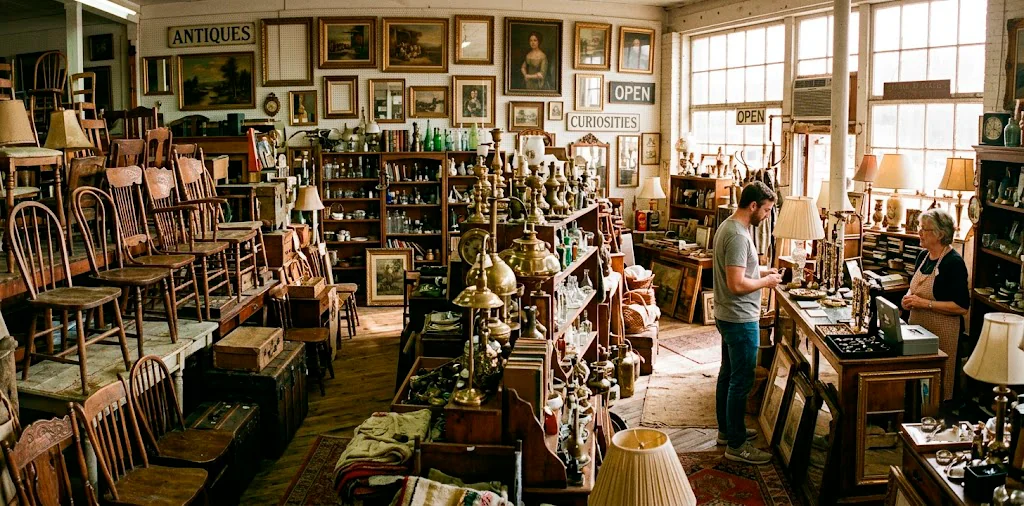
Let’s cut the nonsense. You want to turn dusty, forgotten junk shop finds into stunning pieces that make people ask, “Where did you get that?” I’ve spent countless Saturday mornings digging through chaotic thrift stores, inhaling century-old dust just to find that one perfect item. Now, I’m sharing my exact strategy for spotting hidden gems ready for a brilliant flip.
Look Past the Ugly Paint
Ever walked past a hideous neon-green dresser and scoffed? Big mistake. The secret to flipping is ignoring the surface disaster and focusing purely on the bones. I once snagged a solid oak console table for $15 simply because someone painted it resembling a literal watermelon. We want structural integrity, not a pretty face.
Dovetail joints and heavy wood are your best friends. Always check the drawers first. If they slide smoothly and feature real wood joints rather than cheap staples, you have a absolute winner. Strip away that awful paint, and you reveal stunning natural grain that screams high-end luxury.

The Weight Test Never Lies
Here is my golden rule: if you can lift a large piece of furniture with one hand, leave it behind. Solid construction means heavy materials. Cheap particle board crumbles the second you try to sand it or screw in new hardware. Real brass, cast iron, and solid mahogany have a distinctive heft that modern flat-pack furniture entirely lacks. Give that ornate mirror or side table a literal heave-ho. If it fights back, you just found a high-quality candidate for your next project.
A useful little gift for your home
🎁 Free Plant Finder Tool
Filter 250+ houseplants by style, size, and care level to find your perfect green companion in seconds.
We’ll email you the link. Plus, you’ll join our newsletter for fresh home inspiration.

Mastering the Art of Negotiation
Junk shops are not retail stores. The price tag is just a friendly suggestion.
But how do you haggle without sounding incredibly rude?
Always bundle items together. If you want a $40 chair, grab a $10 vase and ask, “Would you take $35 for both?” Shop owners desperately want to clear inventory. They usually say yes just to free up floor space.
FYI, flashing cash actually works. Handing over crisp bills feels tangible, and sellers rarely reject cold, hard cash staring them right in the face.

Identifying Vintage Hardware
Don’t sleep on the hardware. Sometimes the dresser itself is completely rotted out, but it sports a full set of original Art Deco brass pulls. I regularly buy ruined furniture just to harvest the beautiful hardware attached to it.
Hardware check tips:
- Bring a tiny magnet to the shop.
- If the magnet sticks, it is cheap plated steel.
- If it falls off, you likely found solid brass or copper.
Original hardware easily doubles the resale value of your flipped pieces, adding instant historic charm to your newly finished project.

Inspecting Upholstery Before You Buy
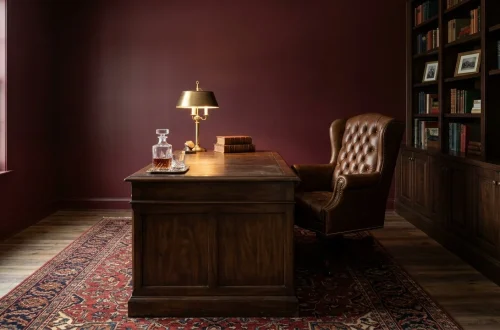
Reupholstering a chair sounds romantic until you actually try doing it yourself. Unless you specifically want to learn the trade, avoid pieces with major spring damage or severe structural wood rot. Surface stains on a vintage armchair? No problem. A quick steam clean or a simple slipcover fixes that immediately. But if the seat sags like a sad hammock, you are looking at hundreds of dollars in professional repairs. Focus on items with solid frames and decent padding to keep your profit margins intact. If you want a cool way to style that newly flipped chair, read this guide to distressed leather club chairs.

Smells, Stains, and Dealbreakers
We need to address the elephant in the room: the thrift store smell. Mildew and cigarette smoke are the absolute worst enemies of a flipper.
Can you fix it? Sometimes. You can scrub wooden pieces with a vinegar solution or seal them with a heavy-duty shellac primer.
However, if an upholstered item reeks of cat urine, walk away immediately. Trust me on this. No amount of baking soda or wishful thinking removes that cursed scent. Save your valuable time and protect your sanity by leaving it behind.

Small Decor Pieces Bring Big Profits
Furniture flips require a truck and massive garage space, but small decor items easily fit in a tote bag. Picture frames, old clocks, and tarnished silver trays offer fantastic return on investment.
I love grabbing old, ugly artwork just for the chunky wooden frames. You pop out the sad velvet clown painting, spray the frame with a sleek matte black finish, and suddenly you have a modern gallery piece. Small flips require less risk and turn over much faster than bulky dressers. To show off your revamped treasures, check out our thrifting gallery wall gold art finds.

Know Your Mid-Century Modern Signatures
Mid-century modern (MCM) remains ridiculously popular. Everyone wants it in their living room right now.
So, how do you spot authentic MCM in a sea of 90s particle board?
Look for tapered legs, clean geometric lines, and warm walnut tones. Authentic pieces rarely feature ornate carvings. If it looks like something from a sleek 1960s office building, grab it fast.
Always check the underside or inside the top drawer for maker’s marks. Finding a brand name stamped inside means you just struck absolute gold.

The Sanding vs. Painting Debate
To paint or not to paint? That is the ultimate flipper’s dilemma. Purists scream if you slap white chalk paint on a vintage mahogany credenza. IMO, you have to assess the actual damage.
If a piece features stunning, intact wood veneer, spend the time sanding and re-staining it to honor its history. But if the top is deeply gouged, water-stained, or made of mismatched scrap wood, grab your paintbrush. Paint hides a multitude of sins and creates a crisp, modern look that buyers absolutely adore ✨.

Staging Your Flip for Maximum Profit
You did the hard work. You sanded, stained, and polished. Now you need to sell it. Crappy, dimly lit garage photos ruin your chances of getting top dollar.
Lighting is everything. Drag that beautiful restored dresser into a room filled with natural sunlight. Throw a leafy green houseplant on top, add a stack of vintage books, and take photos from multiple flattering angles.
Staging creates an emotional connection. You aren’t just selling a wooden box with drawers; you are selling a curated lifestyle aesthetic. Make them desperately want that aesthetic in their own home.

A useful little gift for your home
🎁 Free Plant Finder Tool
Filter 250+ houseplants by style, size, and care level to find your perfect green companion in seconds.
We’ll email you the link. Plus, you’ll join our newsletter for fresh home inspiration.
Conclusion
Hunting for junk shop treasures feels exactly like a real-life treasure hunt. You need patience, a sharp eye for quality materials, and the courage to look past decades of grime. Once you complete that first successful flip, the thrill completely hooks you and changes how you view old furniture forever. Which thrifting strategy are you grabbing first? Let me know in the comments below!