Skip to content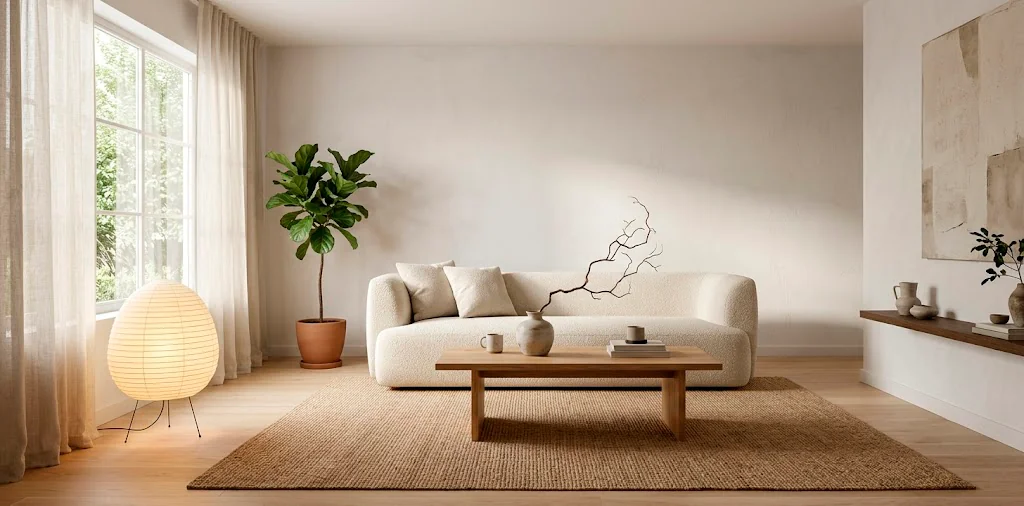
Ever looked at a room and felt your stress just magically melt away? That’s the core essence of Japandi. It beautifully mashes up Scandinavian coziness with Japanese minimalism. I remember trying to pull this off years ago and ending up with a sterile hospital waiting room. Yikes. Let me show you how to nail this aesthetic without losing your warmth.
What Even Is Japandi?
You’ve probably seen influencers plaster the hashtag all over your feed, but what exactly is Japandi? It’s the ultimate love child of hygge (that Danish obsession with coziness) and wabi-sabi (finding absolute beauty in imperfection). Instead of stark modernism, this design framework brings a soft, lived-in vibe to your space. Think warm woods, muted tones, and zero visual clutter. Honestly, it’s the perfect excuse to finally toss out all those random tchotchkes you’ve hoarded since college. Who knew finding your zen could look this ridiculously stylish?

Mastering the Neutral Color Palette
Getting the colors right serves as your absolute baseline here. FYI, if your living room currently looks like a rainbow exploded, we need to dial it way back.
The goal focuses on soothing, earthy, and ridiculously calm tones. We aim for warm whites, soft beiges, and muted stones. I personally lean heavily on oat and warm grey to keep things from feeling too sterile. Oh, and black accents? Absolutely crucial. A sleek matte black lamp instantly grounds the entire room and provides that much-needed visual contrast so things don’t look entirely washed out.
A useful little gift for your home
🎁 Free Plant Finder Tool
Filter 250+ houseplants by style, size, and care level to find your perfect green companion in seconds.
We’ll email you the link. Plus, you’ll join our newsletter for fresh home inspiration.
Want to know a secret to making neutral spaces pop? Texture. When your colors stay quiet, your materials need to speak up. Layering different textiles prevents your space from feeling flat and boring. If you want to seamlessly carry this serene vibe into the rest of your home, check out this guide to a warm Japandi bathroom retreat.

The Low-Profile Furniture Rule
Ever noticed how traditional Japanese rooms feel incredibly spacious, even when they boast a tiny footprint? It all comes down to the furniture height. Keeping your major pieces low to the ground instantly creates an illusion of higher ceilings and airy expansiveness.
Ditch the bulky, overstuffed recliners immediately. You want sleek, low-slung sofas and coffee tables that barely clear your shins. When I swapped my massive traditional sofa for a low-profile linen couch, my ceiling literally felt two feet taller. It forces a grounded perspective that feels instantly calming. Trust me, embracing the floor-level lifestyle changes everything.

Embracing Wabi-Sabi Through Decor
This step reveals where the magic really happens, IMO. Wabi-sabi celebrates the imperfect and the impermanent.
Stop stressing over rigorous symmetry. Leave the perfectly matched, cookie-cutter catalog sets behind.
Instead, introduce decor that possesses actual soul. Think asymmetrical pottery, a slightly frayed linen runner, or a wooden bowl displaying a prominent visible knot. These minor flaws add immense character and warmth to your home. When every single object looks flawless, a room feels like a museum. We want a living space, not a rigid exhibition!
Must-have wabi-sabi elements:
- Hand-thrown ceramics with uneven glazes
- Raw, unpolished stone accents
- Organic shapes that completely defy perfect geometry

Natural Materials Are Non-Negotiable
If you bring shiny chrome or glossy plastic into this space, the Japandi police will track you down. Okay, maybe not, but you’ll definitely ruin the vibe. This aesthetic heavily relies on natural, sustainable materials to bring the outdoors inside. Bamboo, rattan, paper, and pale woods like oak and ash represent your absolute best friends here. Add in some organic cotton and wool blends, and you’ve got a tactile paradise. I once bought a gorgeous acrylic side table thinking it would look modern; it stuck out like a sore thumb until I replaced it with a raw stump stool. Lesson learned! 🌿

The Art of Intentional Lighting
Lighting can absolutely make or break a room, and Japandi styling demands a soft, diffused glow. Forget harsh overhead LEDs that make you feel like police interrogators are questioning you. We want ambient, layered lighting that mimics natural sunlight.
Paper lanterns hold their iconic status for a reason. They scatter light beautifully and instantly introduce a sculptural element. Combine a large Noguchi-style paper pendant with warm-toned floor lamps tucked into corners. This approach creates magical pockets of coziness throughout the evening. Honestly, flipping on these soft lights after a chaotic day delivers an instant warm hug to your brain.

Decluttering Without Losing Your Mind
Let’s address the elephant in the room: clutter. Japandi requires a serious commitment to minimalism. But how do you actually live in a space without destroying the aesthetic every time you drop your keys?
The secret relies entirely on ruthless, hidden organization. You need smart storage solutions that blend seamlessly right into the architecture.
Invest in beautiful, closed cabinetry or sleek woven baskets. If an item lacks absolute beauty or incredible functionality, it shouldn’t sit out in the open. It sounds harsh, but living with less visual noise genuinely lowers your cortisol levels. Plus, dusting becomes an absolute breeze.

Bringing in the Right Greenery
You simply cannot build a Japanese-inspired space without honoring nature. But before you turn your living room into a dense, chaotic jungle, remember: strict restraint dictates the rulebook here. Instead of twenty small potted plants clustered haphazardly, opt for one or two dramatic, sculptural statement branches or trees. A delicate bonsai, a sweeping indoor olive tree, or a simple vase showcasing cherry blossoms does all the heavy lifting. You want to cultivate a serene connection to the outdoors, not run an overcrowded commercial greenhouse.

Layering Textures for Ultimate Coziness
Without the right textures, strict minimalism quickly feels cold and unforgiving. This step highlights exactly where the Scandinavian side of the equation steps in to save the day. You must layer tactile elements to make the space feel like an inviting retreat rather than a sterile art gallery.
Mix rough with smooth, and heavy with light. Toss a chunky knit wool blanket over a sleek linen sofa. Place a nubby bouclé accent chair atop a flat-weave jute rug. These subtle contrasts keep the eye actively moving and the body wanting to sink right in. It’s all about creating a rich, sensory experience that practically begs to be touched.

Designing the Ultimate Focal Point
Every living room needs a star of the show. In a Japandi space, this focal point needs to command attention quietly, never acting loud or obnoxious.
What does that actually mean in practice?
It could manifest as a stunning piece of abstract, minimalist art featuring earthy, sweeping brushstrokes. Or perhaps a beautifully crafted, low-slung wooden coffee table effortlessly anchors the entire seating arrangement. The idea focuses on drawing the eye intentionally, offering your guests a momentary pause and reflection.
Keep the surrounding areas incredibly simple so your focal point can truly breathe. If everything actively competes for attention, the room becomes mentally exhausting. I once centered my entire setup around a dramatic, oversized paper lamp, and it completely shifted the energy. Speaking of pulling gorgeous aesthetics together, check out these Scandi noir living room layouts for a slightly moodier take on minimalism.

A useful little gift for your home
🎁 Free Plant Finder Tool
Filter 250+ houseplants by style, size, and care level to find your perfect green companion in seconds.
We’ll email you the link. Plus, you’ll join our newsletter for fresh home inspiration.
Conclusion
Achieving the perfect Japandi living room hinges entirely on balancing the disciplined beauty of Japanese design with the undeniable comfort of Scandinavian living. It requires an ongoing process of curating, layering, and letting go of unnecessary clutter. Start small, focus purely on natural materials, and embrace the beautifully imperfect. Which element are you adding first? Let me know in the comments!