Skip to content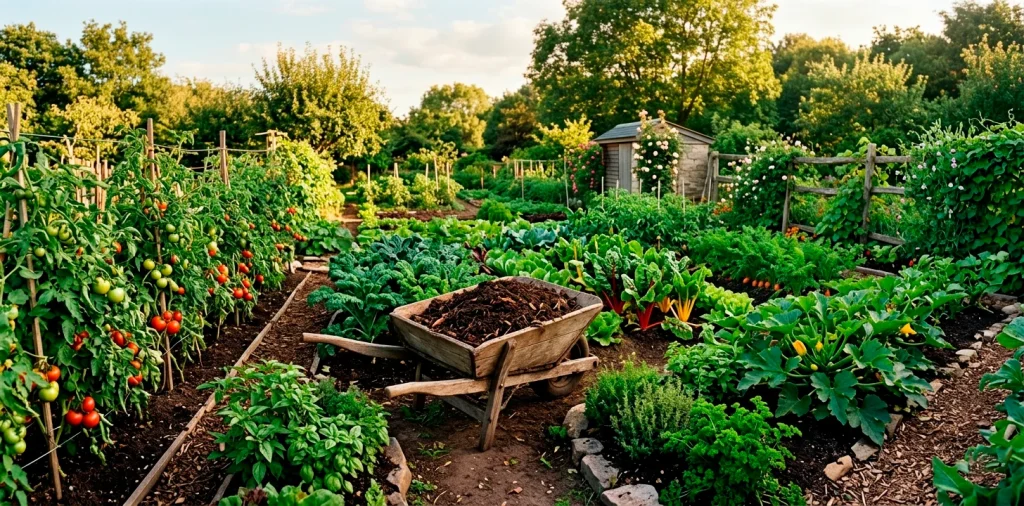
Ever look at your sad, wilted garden and wonder what went wrong? I ruined plenty of tomato plants before realizing the secret wasn’t expensive fertilizer. It was actual trash. Turning your daily kitchen scraps into nutrient-packed black gold transforms your backyard ecosystem completely. Grab your gardening gloves, because we make actual magic happen today! ??
The Magic of Black Gold
Think of compost as a multivitamin for your dirt. You literally feed your backyard garden by recycling things you already plan to throw away. I started my first pile out of sheer guilt over food waste, and honestly, the results blew my mind. Soil texture improves, moisture retention skyrockets, and your plants grow stronger roots. Why spend crazy money on chemical treatments when nature gives you the ultimate recipe for free? You just need a little patience and the right mix of ingredients to kickstart the decomposition process. Let nature do the heavy lifting! ??

Choosing Your Bin Setup
You need a dedicated spot to house your glorious rot pile. Do you want a simple wire enclosure or a fancy tumbling bin?
I bought a dual-chamber tumbler last year, and IMO, it saves so much backbreaking labor. You just spin the handle every few days to keep everything aerated.
A useful little gift for your home
🎁 Free Plant Finder Tool
Filter 250+ houseplants by style, size, and care level to find your perfect green companion in seconds.
We’ll email you the link. Plus, you’ll join our newsletter for fresh home inspiration.
Stationary bins work great if you have plenty of backyard space and don’t mind wielding a pitchfork. Choose a shady, well-drained spot right on the bare soil to invite beneficial earthworms up into the mix. Just avoid placing it right against your house unless you love random fruit flies.

The Greens and Browns Rule
Successful composting relies completely on a magical ratio of nitrogen and carbon. We call these the greens and the browns. Greens include your wet, nitrogen-rich kitchen scraps like coffee grounds, vegetable peels, and fresh grass clippings. They heat up the pile and feed the microscopic bacteria.
Browns provide the necessary carbon to balance that moisture. Think dry autumn leaves, shredded cardboard, and straw. Maintain a healthy ratio of three parts brown to one part green. This simple balance prevents your pile from turning into a smelly, slimy disaster.

What Goes In, What Stays Out
Not everything from your kitchen belongs in the garden.
You absolutely must keep meat, dairy, and oily foods out of your bin. These items rot terribly, smell horrific, and attract every raccoon in a ten-mile radius. Ask me how I know. ?? Dealing with a midnight wildlife invasion completely ruins the fun of gardening.
FYI, stick strictly to plant-based scraps, eggshells, and tea bags.
Safe composting materials:
- Fruit and vegetable scraps
- Crushed eggshells
- Coffee grounds and paper filters
- Untreated yard trimmings

Aeration is Absolutely Crucial
Your compost pile literally needs to breathe. Those helpful microbes require oxygen to break down your apple cores effectively. If you neglect the pile, the environment turns anaerobic, which essentially means it starts smelling like a swamp. Turn your pile at least once a week. Grab a sturdy garden fork and flip the material from the outside to the center. It feels like a serious arm workout, but injecting that fresh oxygen speeds up the decomposition process significantly. Your future tomatoes will thank you for the extra effort!

Managing Moisture Levels
A perfect compost pile feels like a wrung-out sponge. It needs moisture to thrive, but too much water drowns your hardworking bacteria.
During hot summer weeks, I grab the garden hose and spray my pile down lightly. Conversely, during heavy spring rains, I throw a tarp over the top to keep things from getting waterlogged.
If your pile looks dripping wet and clumps together stubbornly, just toss in extra shredded newspaper or dry leaves. These dry browns soak up the excess moisture instantly and restore the perfect balance.

Troubleshooting Common Problems
Gardening sometimes throws curveballs, even for seasoned enthusiasts. If your pile smells like ammonia, you definitely added too many green scraps. Counteract this immediately by stirring in a massive bucket of dry leaves or sawdust.
Notice a complete lack of heat or activity? The pile likely lacks nitrogen or moisture. Toss in fresh grass clippings or leftover coffee grounds and give it a solid mix. Composting forgives almost every mistake, so don’t stress too much if you hit a rough patch. Just adjust your inputs and watch the magic resume.

Harvesting Your Black Gold
How do you know when the waiting finally ends? Finished compost looks, feels, and smells like rich, dark, crumbly earth. You won’t recognize any original banana peels or broccoli stalks. I usually stop adding new materials to my main bin a few months before I plan to use the dirt. Sift the finished compost through a simple wire mesh screen to remove any stubborn, uncomposted twigs or avocado pits. You now possess the most powerful, nutrient-dense soil amendment money can’t buy. Spread this dark magic directly onto your garden beds and watch your plants explode with life! ??

Feeding Your Backyard Garden
You finally made the compost, so let’s put it to work!
I apply a generous two-inch layer around the base of my vegetable plants right at the start of spring. The nutrients slowly release into the soil every time it rains, feeding the roots continuously.
You can also mix it heavily into your potting soil for container gardens or brew an actual compost tea. Steep a shovel full of compost in a bucket of water for a few days, strain it, and water your plants with the liquid. They absolutely love this nutrient-packed energy drink!

Keeping the Cycle Going
Composting creates an incredibly rewarding continuous cycle. As you harvest your fresh homegrown vegetables, you inevitably generate new stems, leaves, and scraps to feed the next batch of soil.
Start a secondary pile or utilize a dual-chamber bin to keep the process moving without interruption. You significantly reduce your household trash output while dramatically improving your local soil health. Plus, bragging about your massive, compost-fed pumpkins at the neighborhood block party never gets old. Mother Nature designed the perfect recycling system, and you just get to supervise.

A useful little gift for your home
🎁 Free Plant Finder Tool
Filter 250+ houseplants by style, size, and care level to find your perfect green companion in seconds.
We’ll email you the link. Plus, you’ll join our newsletter for fresh home inspiration.
Conclusion
Ready to stop tossing your kitchen scraps and start growing the garden of your dreams? Composting demands a little upfront effort, but the massive payoff easily justifies the work. Your soil improves, your plants thrive, and you lower your carbon footprint. Which bin setup are you grabbing first? Let me know in the comments! ??