Skip to content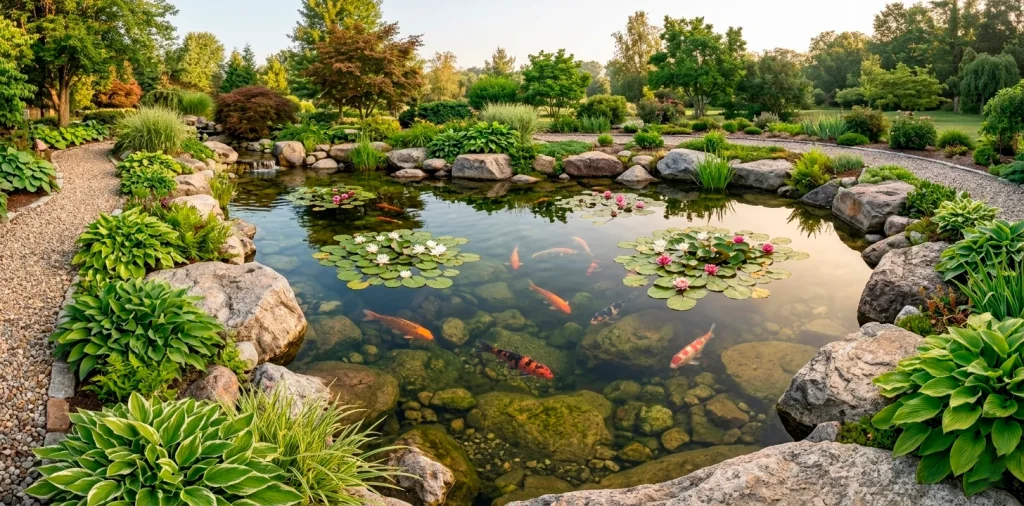
Let’s build a massive, breathtaking water feature right in your backyard. Moving past simple pre-formed plastic tubs opens up a world of true ecological design. I remember when I first mapped out my large pond with a garden hose; the excitement is unmatched. Let’s make sure your dream project doesn’t turn into a giant, muddy pit of despair.
Finding the Perfect Sweet Spot
Location dictates your pond’s entire future. You cannot simply dig wherever you have open space. I learned the hard way that putting a massive water feature at the absolute lowest point of your yard invites catastrophic rainwater runoff. This floods your pristine system with mud, fertilizers, and lawn debris.
Instead, look for a spot that receives around five to six hours of daily sunlight. Why does this matter so much? Your aquatic plants need that light to thrive and naturally starve out pesky algae. Just make sure to avoid overhanging willow or oak trees unless you absolutely love scooping decaying leaves every single afternoon.

Sizing Big and Digging Deep
Go big or go home, right? When it comes to large-scale natural ponds, increased volume actually creates a more stable ecosystem. Small water volumes fluctuate wildly in temperature and chemistry, but a massive reservoir resists these sudden shocks. Aim for a depth of at least three to four feet in the deepest zones. This crucial depth provides a safe, cool haven for your fish during scorching summer heatwaves and prevents the water from freezing solid to the bottom when winter hits. Trust me, your future finned friends will thank you for planning ahead.
A useful little gift for your home
🎁 Free Plant Finder Tool
Filter 250+ houseplants by style, size, and care level to find your perfect green companion in seconds.
We’ll email you the link. Plus, you’ll join our newsletter for fresh home inspiration.

Navigating Excavation Chaos
Do you really want to dig twenty tons of dirt by hand? Unless you want a world-record backache, rent a compact excavator for the heavy lifting.
Carve out your pond with gradual, terraced shelves rather than steep, vertical walls. Shallow shelves serve multiple purposes, like stabilizing rockwork and providing perfect planting zones for marginal vegetation.
Keep each shelf about twelve inches deep and wide. This stepped structure prevents nasty underwater landslides and gives you easy access when placing heavy boulders later. By the way, if you want a smaller starting project before tackling this monster, check out this guide to build mini pond sanctuary urban wildlife for quick inspiration.

The Great Liner Debate
Unless you sit on a thick bed of natural bentonite clay, you need a reliable barrier to keep your water from vanishing into the earth. Forget cheap PVC options that crack if you look at them wrong.
Invest in a thick EPDM rubber liner or a durable RPE sheet for a project of this scale. These flexible materials withstand punishing UV rays and shifting ground without tearing. Always lay down a heavy-duty fabric underlayment first to protect your expensive rubber from sharp stones and aggressive tree roots hidden in the dirt.

Mastering Biological Filtration
Large natural ponds do not rely on harsh pool chemicals. IMO, mechanical sterilization ruins the whole vibe anyway. 🌿
Instead, you must build a massive, functioning biological filter like a dedicated bog or a split-stream waterfall.
Pump water from the bottom up through layers of pea gravel and hungry plant roots. This setup consumes toxic ammonia instantly.
Pair this with a heavy-duty surface skimmer to pull off floating leaves before they sink and rot. This dual approach ensures your water stays perfectly clear without constant monitoring.

Rockwork and Aesthetic Placement
This step separates the pros from the amateurs. Dropping uniform, round stones around your perimeter creates a terrible “pearl necklace” look that screams artificial. To achieve a stunning, natural appearance, mix up your stone sizes dramatically. Place massive, weather-worn anchor boulders at the corners and transitions, then fill the gaps with medium river rocks and small gravel. This structural variation mimics a real mountain stream. Tuck your pond liner completely out of sight beneath these stones so nobody ever guesses human hands built this paradise.

Selecting Your Botanical Army
Plants act as your primary defense force against ugly green algae blooms. You need a diverse mix of species to balance the water chemistry safely.
Design items checklist:
- Floating water lilies to shade the surface and lower temperatures.
- Submerged oxygenators like hornwort to pump oxygen directly into the water.
- Marginal plants like pickerel weed to absorb excess nutrients along shelves.
Aim to cover fifty percent of your pond’s surface with vegetation. This coverage starves out algae. For more rustic waterfront layouts, see these cottagecore duck pond ideas backyard.

Finned Friends and Stocking Strategy
Ever dreamed of giant, colorful fish gliding beneath the lilies? Introducing fish adds incredible life to your large-scale pond, but restraint is your best friend here. Do not overstock your new paradise on week one.
Hardy koi and classic comet goldfish thrive beautifully in large setups, but they produce a massive amount of waste. Start with just a few small fish and let your biological filters adapt to the new bioload over several months. FYI, feeding them high-quality food keeps them vibrant and prevents excess nutrients from polluting your water. 😎

Permits and Safety Concerns
Before you order an excavator and tear up your yard, check your local building codes and HOA guidelines. Many municipalities classify deep, large-scale ponds as swimming pools, which means you might need a safety fence or a specific permit. Always call your local utility hotline before digging a single inch to avoid a disastrous, expensive encounter with buried power or gas lines. Taking these boring, preventative steps keeps your project fun and legal.

Keeping Up with the Seasons
Large natural ponds actually require less daily work than small ones, but seasonal prep remains non-negotiable.
In autumn, install a temporary net to catch falling leaves before they sink. When winter arrives, use a floating de-icer to keep a hole open in the ice for gas exchange. In spring, perform a partial water change and trim back dead plant stalks to kickstart fresh growth. Consistent seasonal maintenance ensures your massive backyard paradise thrives for decades to come.

A useful little gift for your home
🎁 Free Plant Finder Tool
Filter 250+ houseplants by style, size, and care level to find your perfect green companion in seconds.
We’ll email you the link. Plus, you’ll join our newsletter for fresh home inspiration.
Conclusion
Building a large-scale natural backyard pond requires careful planning, hard physical labor, and a bit of patience, but the beautiful payoff changes your entire outdoor living experience. You will create a thriving ecosystem that brings peace and wildlife to your doorstep. Which design feature are you tackling first? Let me know in the comments below!