Skip to content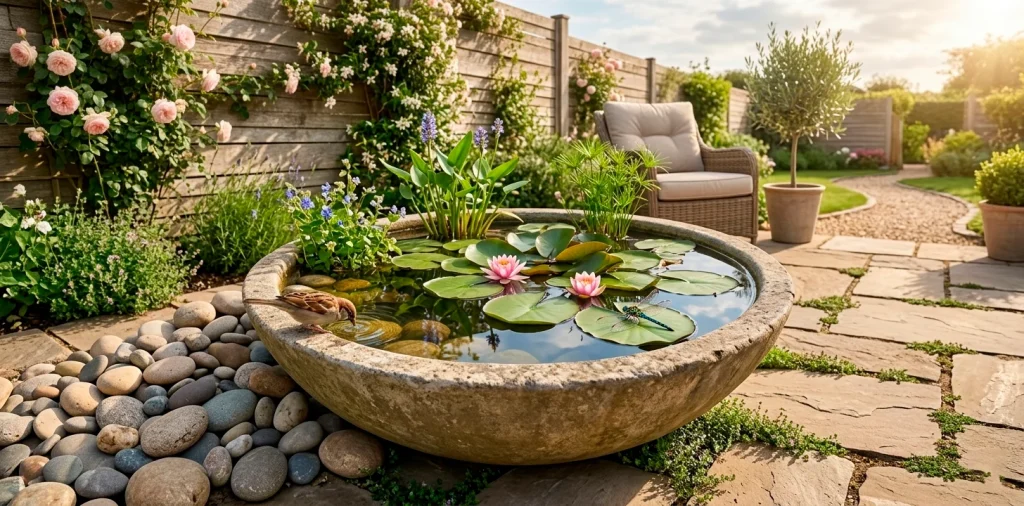
You do not need a sprawling countryside estate to invite mother nature over for a drink. A tiny concrete balcony or a pint-sized patio can easily become the hottest spot in town for local critters. I built my first container pond using an old washbasin, and the local frogs moved in within days. Ready to give your neighborhood wildlife a major lifestyle upgrade? Let’s get your urban oasis running.
Picking the Perfect Container
Choosing the right vessel determines your success. You can use almost anything that holds water, from an old glazed ceramic pot to a heavy-duty plastic tub. Just avoid copper or untreated wood, unless you want to accidentally poison your new patio tenants.
Heavy-duty resin planters work wonders because they withstand winter freezes without cracking. I prefer a wide, shallow container over a deep one. Why? Because a broader surface area allows for better oxygen exchange, which keeps the water fresh and the local critters incredibly happy.

Location is Everything
You might think your pond needs blasting sunlight all day, but that is a fast track to an algae explosion. Trust me, scrubbing green sludge off rocks loses its charm after five minutes. Find a spot that gets around four to six hours of sunlight daily. This sweet spot keeps your aquatic plants thriving without turning your sanctuary into a literal soup. IMO, a semi-shaded corner near your patio seating works best so you can actually watch the wildlife show. Also, steer clear of overhanging trees unless you enjoy fishing out decomposing leaves every single morning.
A useful little gift for your home
🎁 Free Plant Finder Tool
Filter 250+ houseplants by style, size, and care level to find your perfect green companion in seconds.
We’ll email you the link. Plus, you’ll join our newsletter for fresh home inspiration.

Creating Safe Entry and Exit Zones
Here is a harsh truth: wildlife will drown in your pond if you do not give them an escape route. Creatures like hedgehogs, frogs, and bees need a way to climb out if they take an accidental dive.
I always build a gradual ramp inside the container using large, flat river stones. You can stack them like a miniature staircase. This simple design trick transforms a potential death trap into a safe drinking station.
Essential design elements:
- Smooth river rocks stacked on one side.
- A sturdy piece of driftwood breaking the surface.
- Coarse gravel filling the shallow gaps.

Oxygenating and Filtering the Natural Way
Forget about noisy, expensive electric filters. Nature already invented the perfect filtration system, and it comes in a green package.
Submerged oxygenating plants do all the heavy lifting here. Hornwort and elodea act like tiny, underwater lungs that absorb excess nutrients and pump out fresh oxygen.
Do they look fancy? Not really. But they prevent your water from turning into a stagnant, foul-smelling swamp.
Simply weigh down the plant stems with small lead strips or tuck them into tiny gravel baskets, then drop them straight to the bottom of your container.

Selecting Showstopping Aquatic Plants
Now comes the fun part: dressing up your mini pond. To create a balanced ecosystem and a gorgeous visual, you need a mix of different plant types. I always arrange them in layers to maximize the limited space. Ever wondered how professional designers make tiny spaces look so lush?
Best plant types for mini ponds:
- Floating plants: Miniature water lilies provide excellent shade and keep water cool.
- Marginal plants: Marsh marigolds add bright pops of yellow color around the shallow edges.
- Deep-water plants: Water crowsfoot adds delicate texture underneath the surface.

Keeping Mosquitoes at Bay
Nobody wants to breed a million bloodsucking pests in the name of conservation. Ever worried that your new wildlife sanctuary will just invite swarms of mosquitoes to your patio? Relax, you can easily outsmart them. Moving water deters mosquitoes completely, so a tiny, solar-powered fountain pump solves this issue instantly. Alternatively, toss a piece of a natural Mosquito Dunks tablet into the water once a month. This bacteria-based solution kills mosquito larvae but remains entirely safe for birds, frogs, and your pets.

The Waiting Game for Wildlife
Once you fill your pond, step back and exercise some patience. Wildlife possesses an incredible radar for finding water in urban deserts, but they rarely show up within twenty minutes.
Birds usually arrive first, spotting the reflection from above during their daily flights. Next, dragonflies will zoom in to lay eggs, followed by thirsty bees and beneficial wasps.
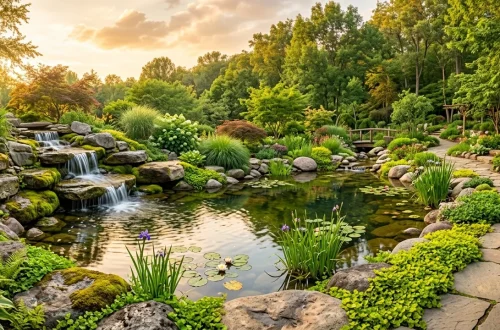
If you feel inspired by larger garden designs, you can explore bigger layouts too. For more inspiration on creating a gorgeous watery feature, check out these cottagecore duck pond ideas to transform your outdoor space.

Seasonal Maintenance Hacks
Maintaining a mini pond takes surprisingly little effort if you stay ahead of the game.
During scorching summer weeks, water evaporates rapidly. Top off the pond regularly using harvested rainwater rather than tap water, because tap chemicals can harm sensitive critters.
In autumn, skim out falling leaves before they sink and rot. Rotting organic matter depletes oxygen levels quickly, which threatens your overwintering pond residents.
When winter arrives, place a small tennis ball on the surface. This simple trick prevents the water from freezing completely solid and trapping gases beneath the ice.

Why You Should Avoid Adding Fish
I know it is tempting to drop a few colorful goldfish into your shiny new pond, but please resist the urge. Goldfish are absolute gluttons. They will gladly gobble up the frog eggs, tadpoles, and insect larvae that you are trying to protect.
Goldfish also produce a massive amount of waste for a small container, meaning you would need a heavy-duty mechanical filter to keep the water clean. Keep your mini pond fish-free to ensure it remains a true sanctuary for wild visitors. FYI, the local frogs will thank you for keeping the waters predator-free!

Watching Your Ecosystem Thrive
Grab a cold drink, pull up a chair, and enjoy the rewards of your hard work. Watching a blue dragonfly land on a water lily or witnessing a bird take an enthusiastic bath makes every ounce of effort completely worthwhile. You have successfully built a vital stepping stone for wildlife within a concrete jungle. Who knew a simple container and a few plants could make such a massive difference to your local ecosystem? You have officially turned a boring patio corner into a thriving, living theater. Your tiny backyard contribution plays a massive role in urban biodiversity.

A useful little gift for your home
🎁 Free Plant Finder Tool
Filter 250+ houseplants by style, size, and care level to find your perfect green companion in seconds.
We’ll email you the link. Plus, you’ll join our newsletter for fresh home inspiration.
Conclusion
Building a mini pond sanctuary proves that you do not need a huge backyard to support urban conservation. With just a sturdy container, a few native plants, and a ramp for safety, you can create a lifeline for local creatures. So, are you ready to build your own patio watering hole this weekend? Let me know in the comments below!