Nobody wants to eat dinner under the harsh, clinical glare of a fluorescent bulb that makes your lasagna look like a science experiment. I once hosted a party where the ‘big light’ made everyone look like they were in a police lineup, and trust me, it killed the vibe instantly. You want your dining room to feel like a warm hug, not a sterile operating room. Ready to fix your lighting and actually enjoy your space? 🙂
Master the Art of Layering
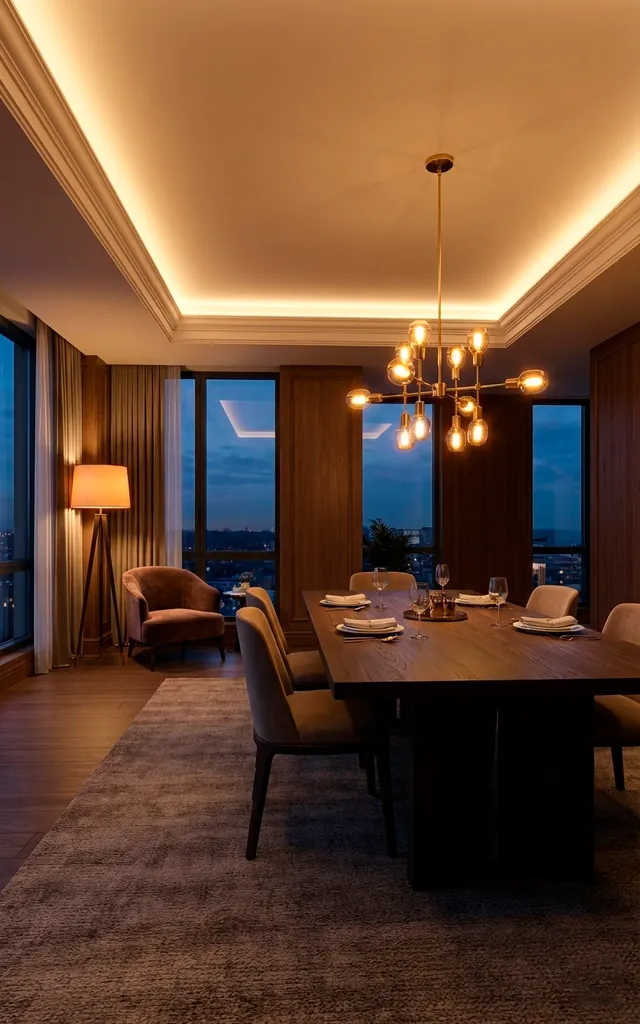
Don’t expect one lonely ceiling fixture to do all the heavy lifting in your dining room. I always recommend ‘layering’ your light to create depth and eliminate those awkward, spooky shadows in the corners. You need ambient light for general visibility, task lighting for the table itself, and accent lighting to highlight your favorite art or plants. Think of it like dressing for winter; one single puffy coat is fine, but layers keep you comfortable and stylish. By spreading light sources across different heights, you make the room feel balanced and inviting. Ever noticed how high-end restaurants never use just one big bulb? Copy them.
Install Dimmers Immediately
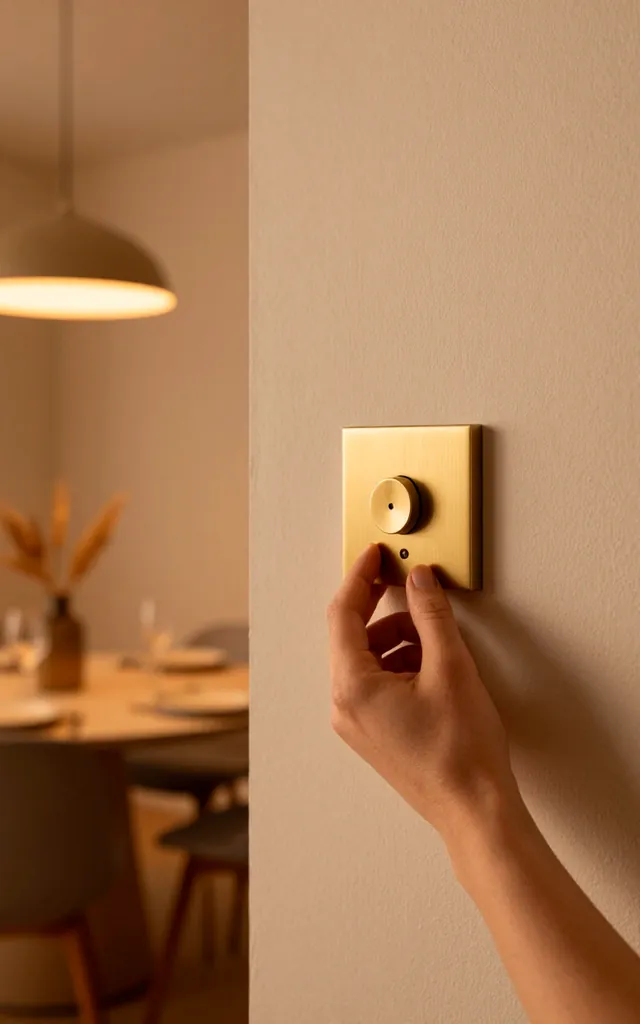
If you don’t have dimmers, stop what you’re doing and call an electrician—or just grab a screwdriver and do it yourself. Dimmers are the ultimate secret weapon for any lighting enthusiast because they give you total control over the energy of the room. I love how a quick slide of a switch transforms a bright breakfast spot into an intimate, moody cavern for wine night. IMO, a dining room without a dimmer is just a hallway with a table in it. Why settle for ‘on’ or ‘off’ when you can have everything in between? It’s the easiest way to upgrade your home’s IQ.
Stick to Warm Color Temperatures
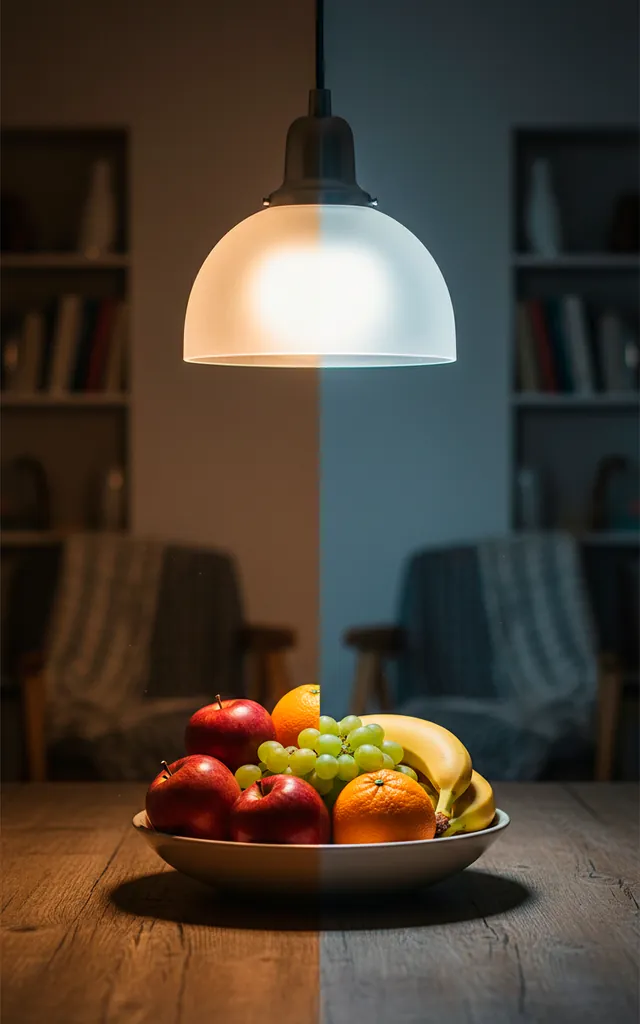
Unless you’re hosting a surgery, stay far away from ‘Cool White’ or ‘Daylight’ bulbs in the dining room. I always hunt for bulbs labeled 2700K or 3000K, which provide that classic, golden-hour glow we all crave. Cool-toned lights turn your skin blue and make even the best home-cooked meal look unappealing. FYI, the ‘K’ stands for Kelvin, and lower numbers mean warmer, cozier light. I’ve seen too many people ruin a gorgeous room with bulbs that feel like an icy glare from an angry robot. Stick to the warm end of the spectrum and watch your space instantly feel ten times more expensive.
Choose the Right Pendant Height
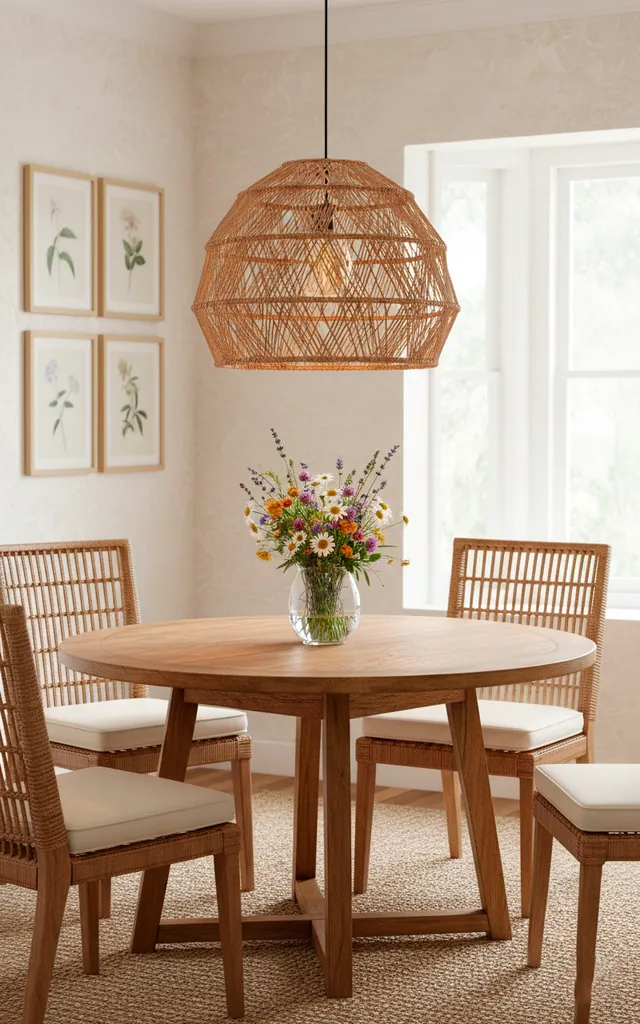
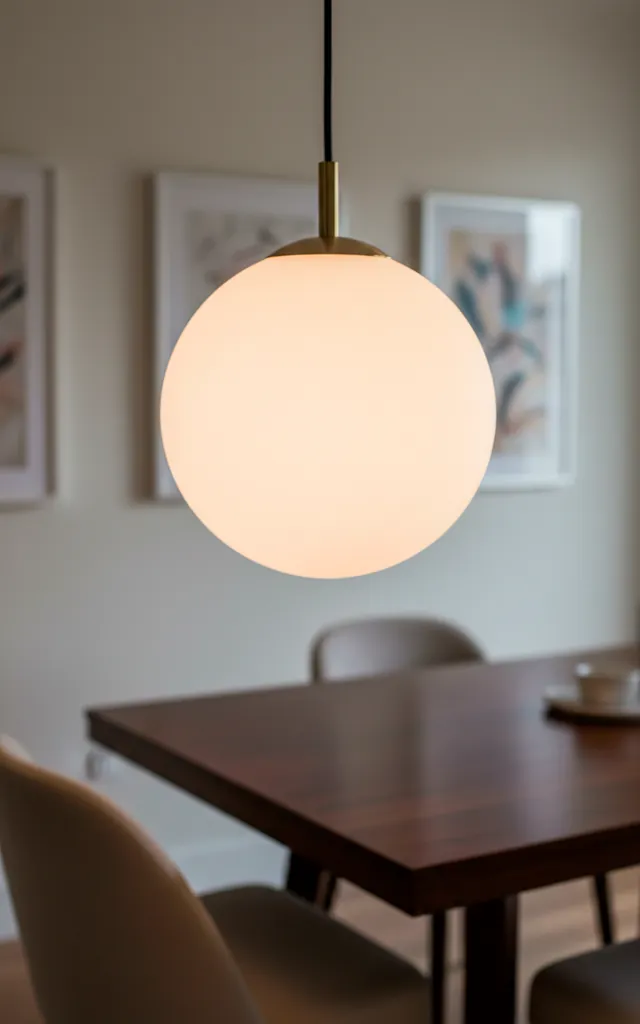
Hanging a pendant light too high makes it feel detached, but hanging it too low creates a barrier between you and your guests. I generally aim for 30 to 36 inches above the table surface to hit that sweet spot. This height keeps the light focused on the food and faces without blinding anyone sitting down. Do you want to stare at a lightbulb all night, or do you want to see the person across from you? I prefer a larger, statement-making fixture that acts as an anchor for the whole room. Just make sure the scale matches your table, or it might look a bit silly. :/
Add Sconces for Wall Washing
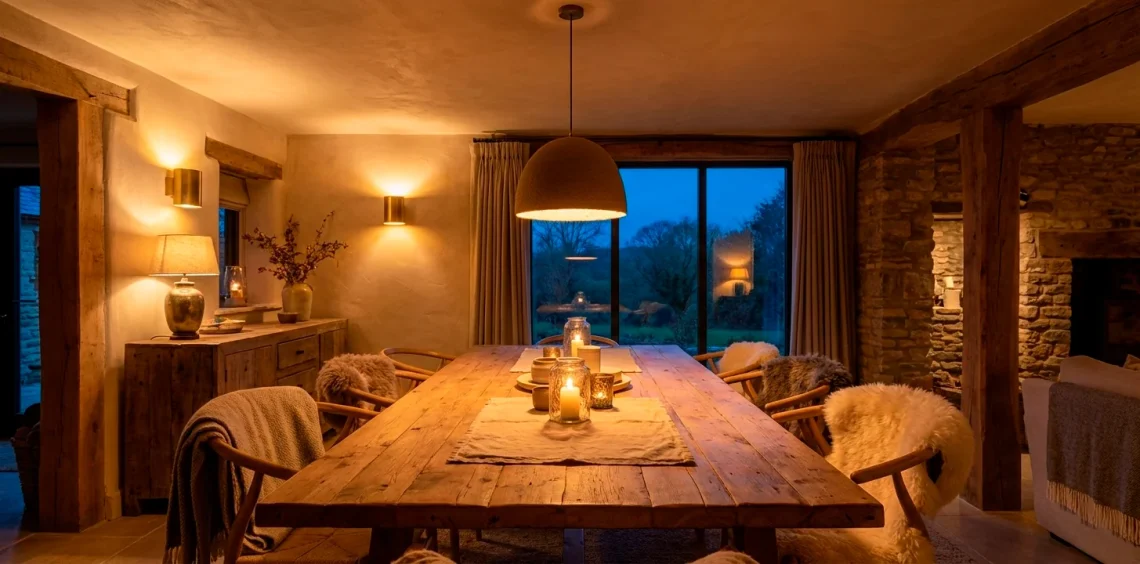
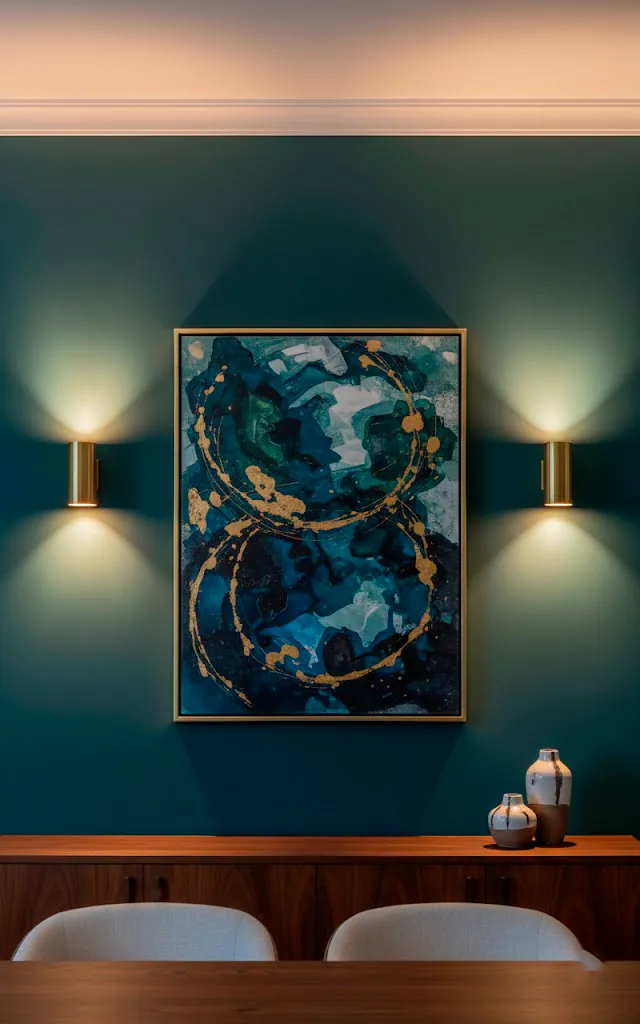
Wall sconces are the unsung heroes of cozy lighting because they bounce light off the walls rather than beaming it straight down. This ‘wall washing’ technique makes a room feel wider and much more architectural. I love using brass or matte black sconces to add a bit of jewelry to the walls while providing that crucial secondary layer of light. They create a beautiful rhythm around the room, especially if you place them in pairs. Why leave your walls in the dark when they could be glowing? It’s a simple trick that adds a ton of sophistication to any dinner party vibe.
Never Underestimate Candlelight
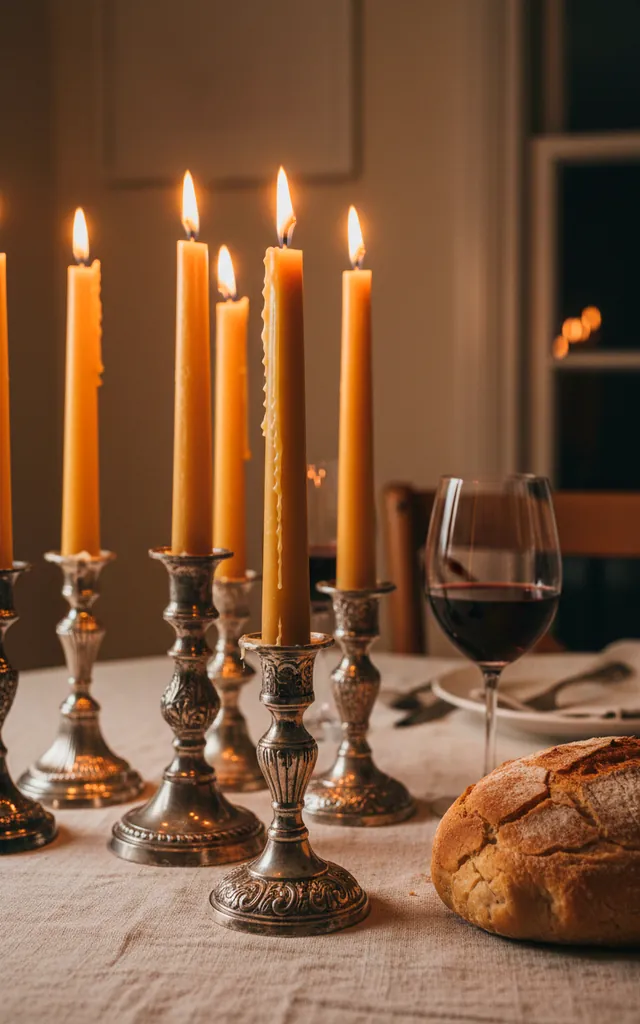
Candlelight is the OG warm lighting, and nothing beats that natural, flickering glow. I always keep a mix of taper candles and thick pillars on the table to add height and visual interest. If you’re worried about wax or fire, high-quality LED candles look surprisingly realistic these days. They provide that rhythmic, dancing light that even the fanciest lightbulb can’t quite replicate. Candles also force you to slow down and enjoy the moment. Who doesn’t look better by candlelight? It’s the ultimate filter for real life, making everything—and everyone—look a little more magical.
Use a Lamp on the Sideboard
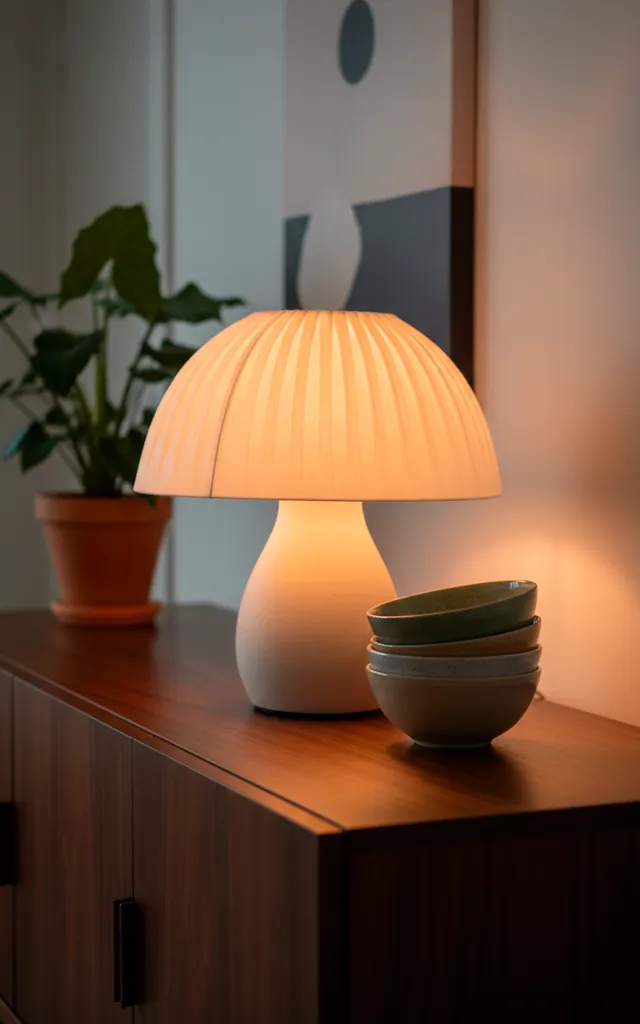
A small table lamp on a sideboard or buffet adds a surprising amount of charm to a dining room. I treat mine like a little piece of sculpture that just happens to glow. It breaks up the ‘ceiling-heavy’ lighting and brings the light down to eye level, which feels much more intimate. I often choose a lamp with a fabric shade to ensure the light is soft and diffused rather than sharp. IMO, it’s the best way to fill that weird dark gap between the table and the wall. Plus, it makes a great nightlight for when you’re sneaking into the kitchen for a midnight snack.
Mind the Glare and Shadows
Visible bulbs can be incredibly distracting and literally painful to look at during a long meal. I always choose fixtures with frosted glass or shades to hide the ‘hot spot’ of the bulb. If you have a clear glass fixture, use attractive Edison bulbs and keep them dimmed low to avoid that blinding glare. You want the light to be a background player, not the star that gives everyone a headache. Pay attention to where the shadows fall, too; you want to light the food, not the tops of your guests’ heads. A little mindfulness goes a long way in creating a truly comfortable space.
The Final Glow
Lighting is truly the soul of your dining room, and it doesn’t take a massive renovation to get it right. By layering your sources and embracing the warmth of dimmers and candles, you’ll create a space where people actually want to linger long after the dessert is gone. Remember, you’re going for ‘enchanted evening,’ not ‘gas station at 3 AM.’ Ready to go swap those blue bulbs for something a little more human? I promise your lasagna—and your guests—will thank you for it!