Ever walk into a room and feel your heart rate instantly drop? That’s the magic of Japandi. I spent years living in a cluttered mess before I realized that ‘more stuff’ didn’t mean ‘more happy.’ I combined Japanese minimalism with Scandinavian warmth to create a dining space that actually feels like a hug. Want to steal my secrets? Let’s turn your dining area into a peaceful sanctuary without losing its soul. 🙂
Prioritize Raw Natural Materials
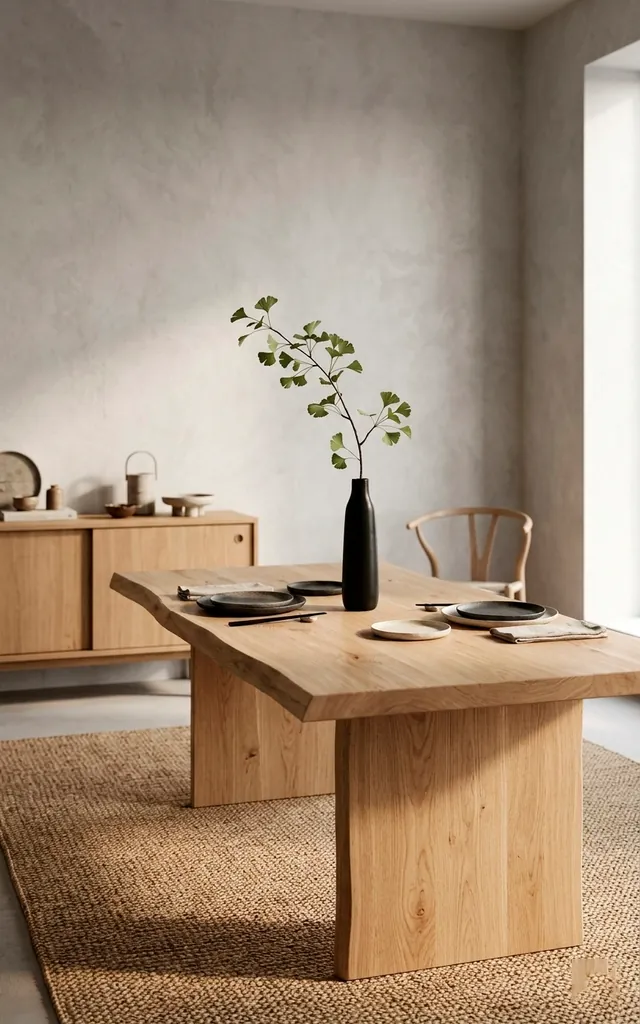
I’ll be honest: most dining rooms feel about as cozy as a dentist’s waiting room. I spent months wrestling with clashing styles until I discovered the magic of natural materials. Japandi thrives on the tactile warmth of wood and stone. I swapped my cold metal chairs for light ash wood, and the room finally breathed. Why live in a plastic world when you can surround yourself with nature? Mixing raw wood with stone accents creates a space that feels grounded and high-end. Trust me, your dinner guests will notice the difference immediately.
Embrace Low-Profile Silhouettes
Does your furniture scream for attention, or does it sit back and relax? In Japanese design, keeping things low to the ground keeps the energy flow open. I chose chairs with short backs and a table that sits slightly lower than standard ‘Western’ heights. This simple shift makes the ceiling feel taller and the atmosphere much more intimate. You don’t need a massive throne to enjoy a meal, right? Look for clean, horizontal lines that guide the eye across the room rather than blocking the view. It’s a total game-changer for small spaces.
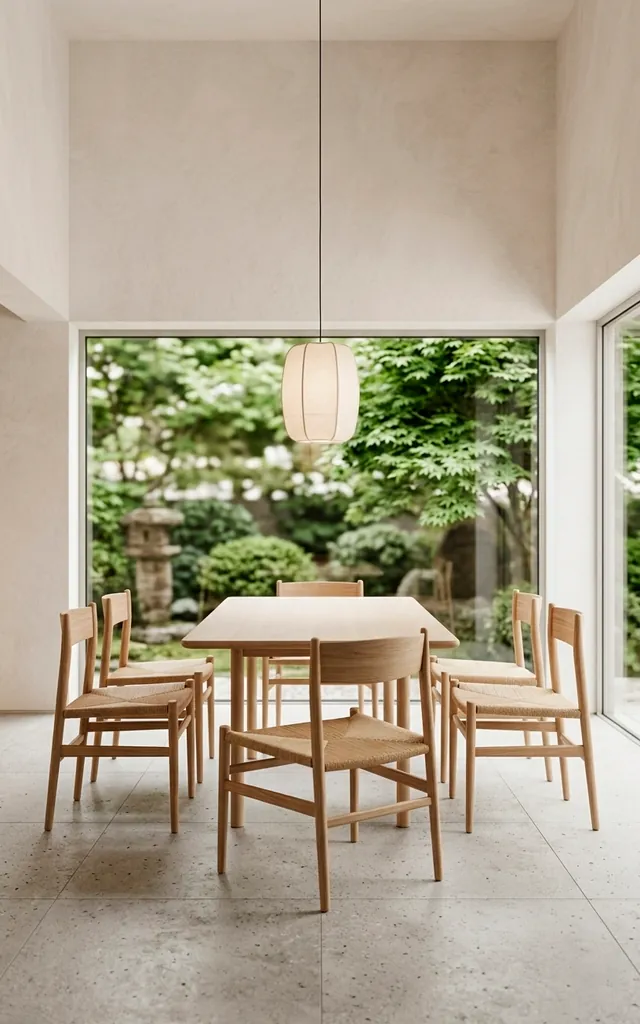
Master the Muted Color Palette
Stop painting everything clinical white! Japandi loves ‘greige,’ oatmeal, and soft charcoal. I ditched the bright, aggressive colors for a palette that mimics a forest floor. These tones provide a neutral backdrop that lets your food and conversation take center stage. Why compete with your walls for attention? I recommend mixing cool Scandi greys with warm Japanese browns to find that perfect balance. It creates a cohesive look that feels sophisticated yet incredibly welcoming. It’s like a visual reset button for your brain every time you sit down to eat.
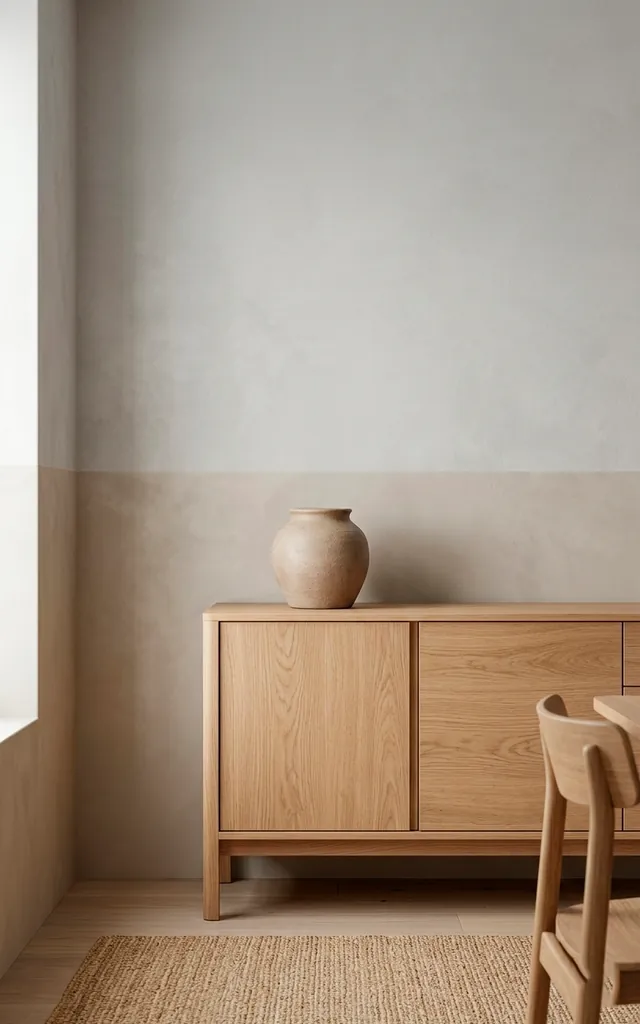
Choose Intentional Functional Decor
Your dining table isn’t a graveyard for mail and random keys. IMO, every single item on your table should serve a purpose or bring genuine joy. I replaced my plastic salt shakers with beautiful hand-turned wooden grinders. Now, the ‘decor’ actually helps me cook! This principle forces you to stop buying ‘filler’ items from big-box stores. Instead, you invest in a few high-quality pieces that last a lifetime. Do you really need five mediocre vases, or one stunning, handcrafted pitcher? Choose the latter every single time for that authentic minimalist vibe.
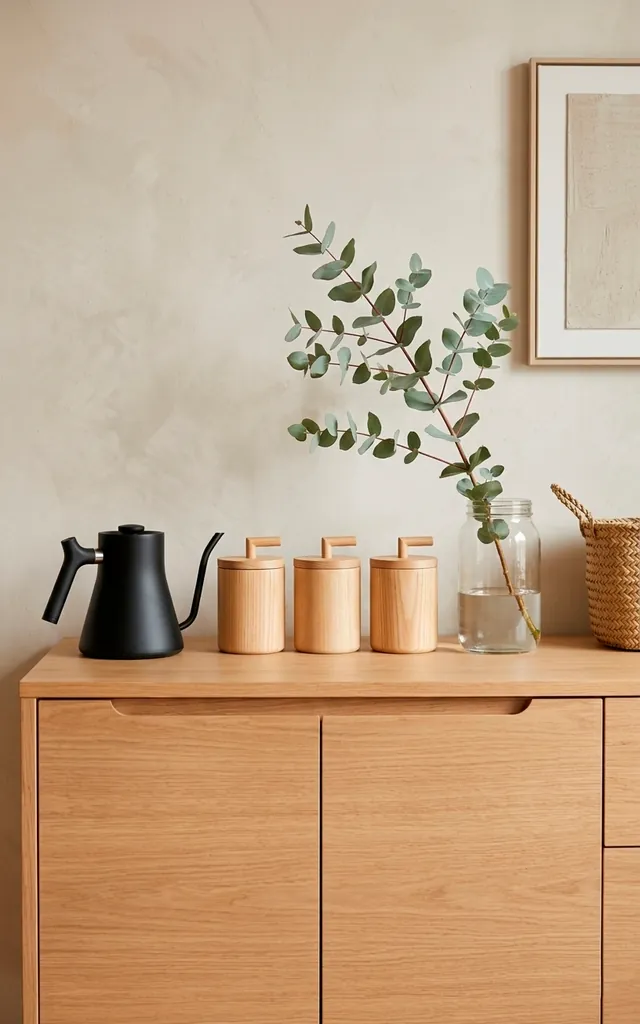
Introduce Living Greenery
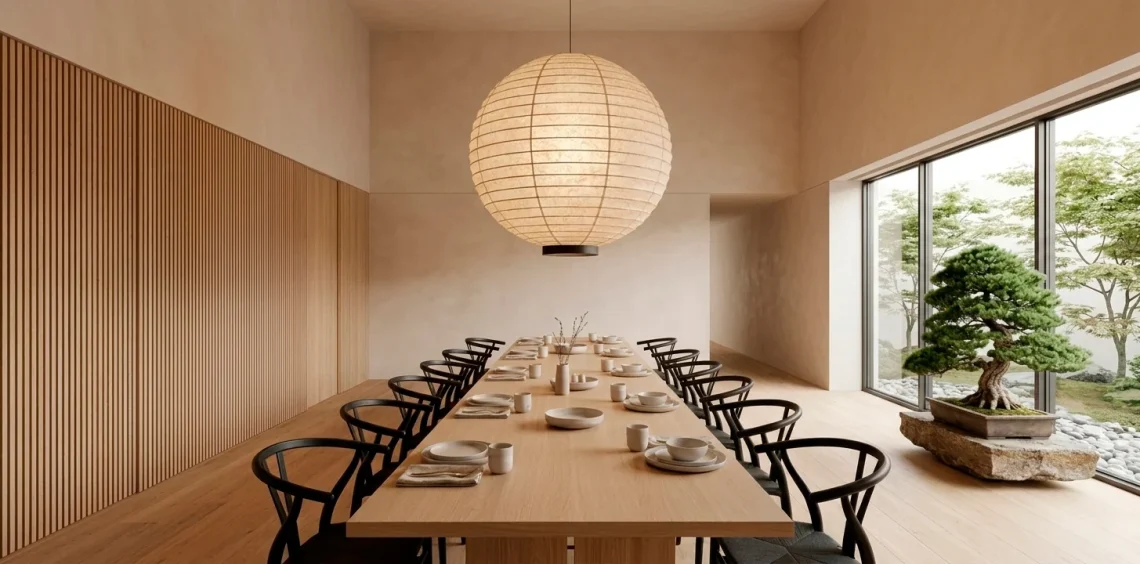
Unless you enjoy eating in a sterile laboratory, you need some plants. Japandi isn’t about a jungle vibe, though; it’s about ‘less is more.’ I prefer a single, striking branch or a well-placed bonsai tree. These living elements bring a necessary pop of color and oxygen to the room. Why settle for fake plastic leaves when a real olive tree adds so much character? Choose plants with interesting structures and clean lines. They act as living sculptures that change with the seasons, keeping your dining room feeling fresh and connected to the outdoors.
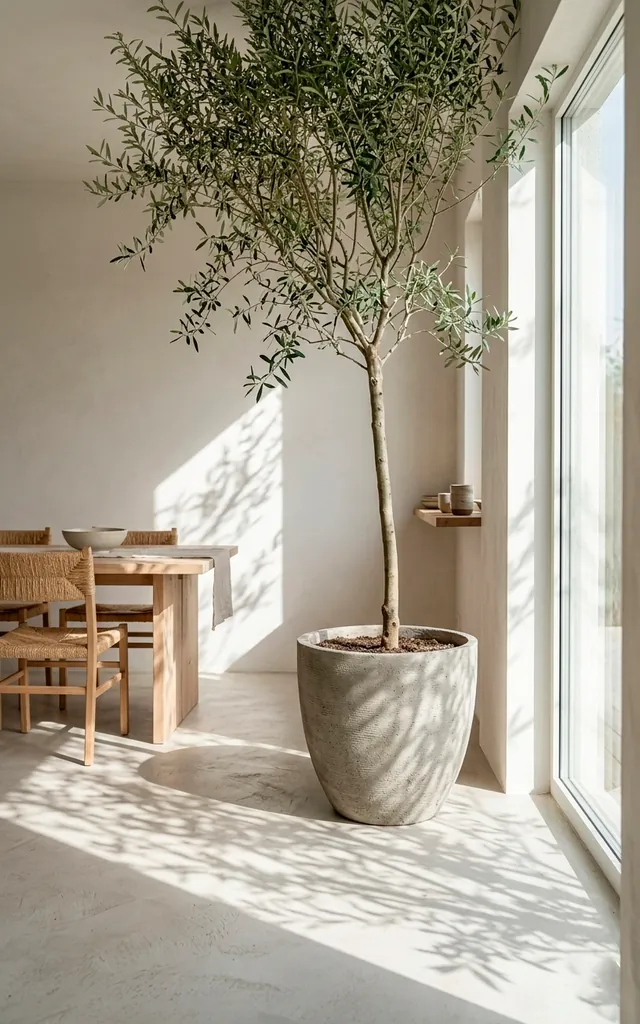
Design for Ambient Lighting
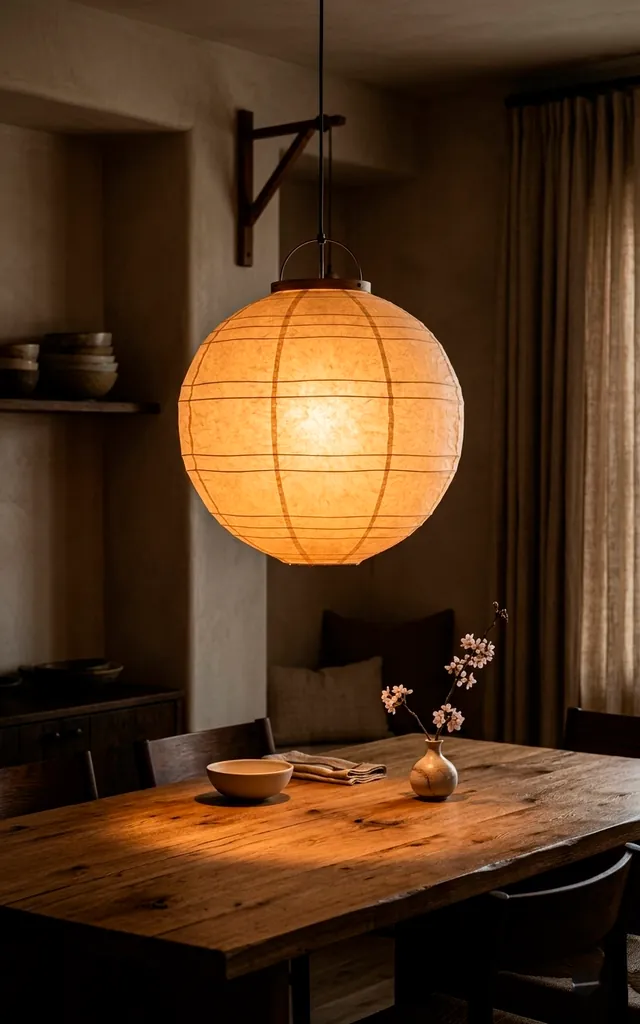
Hard overhead lights are the enemy of a good dinner party. FYI, shadows are just as important as light in Japandi design. I installed a large, textured paper pendant light that diffuses the glow and creates a warm, cozy ‘pool’ over the table. It completely changed the mood of my evening meals. Why eat under a spotlight when you can have a soft, golden atmosphere? Combine your main light with dimmable wall sconces or a floor lamp. This layers the light and lets you control the vibe based on the time of day.
Respect Negative Space
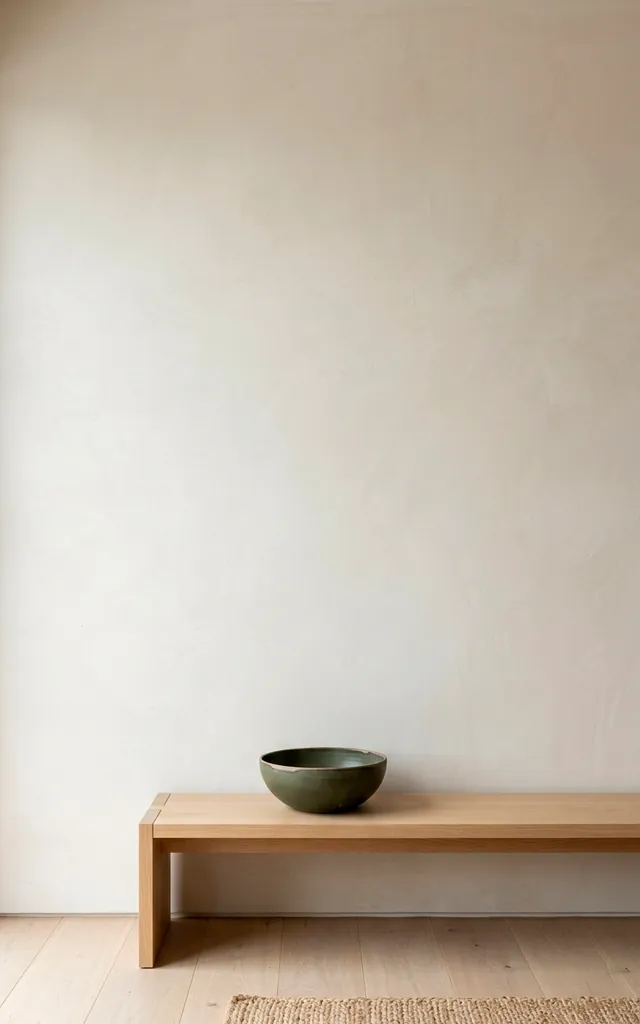
The hardest part of minimalism is leaving a wall empty. We feel this weird urge to fill every square inch with ‘stuff.’ In Japandi, the empty space—or ‘Ma’—is actually a design element itself. I removed two pieces of wall art and realized the room felt twice as big. Can you handle a little emptiness? Negative space allows your eyes to rest and your brain to focus on what matters: the food and the people. Keep your walls simple and your floors clear. This breathing room is exactly what makes a home feel like a sanctuary rather than a cage.
Celebrate Wabi-Sabi Textures
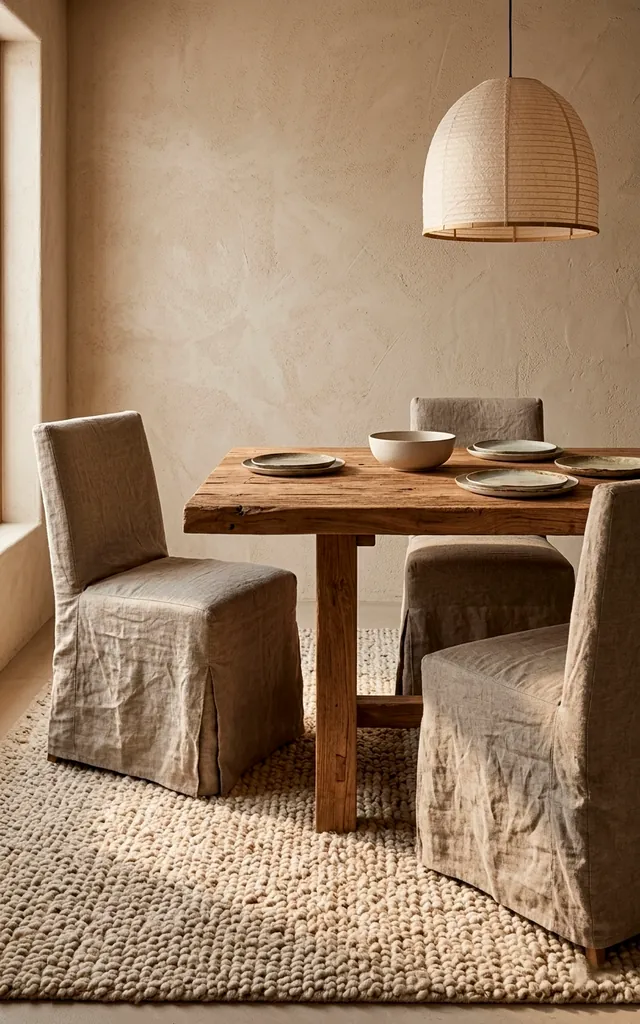
Perfection is boring, and honestly, it’s exhausting to maintain. Japandi embraces ‘Wabi-Sabi,’ or the beauty of imperfection. I stopped stressing over the tiny scratch on my table and started seeing it as ‘character.’ Use items that show the hand of the maker, like wrinkled linen or slightly asymmetrical pottery. These textures add soul to an otherwise clean room. Why strive for a catalog look when you can have a home that feels human? It’s these little ‘flaws’ that make your dining room feel authentic and lived-in. Plus, it makes hosting way less stressful!
The Final Flourish
You don’t need a massive budget to master Japandi; you just need a little intentionality. Start by clearing the clutter and picking one natural element to anchor the room. Before you know it, you’ll have a dining space that feels like a personal retreat. Ready to finally toss those plastic chairs and embrace the calm? Trust your gut, keep it simple, and enjoy the peace. You’ve totally got this!