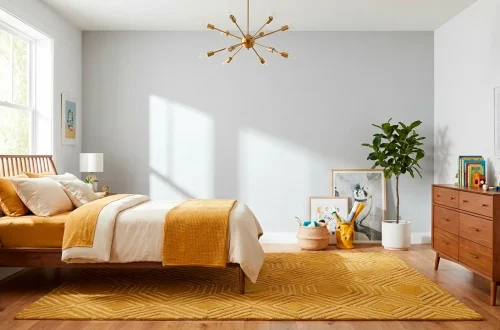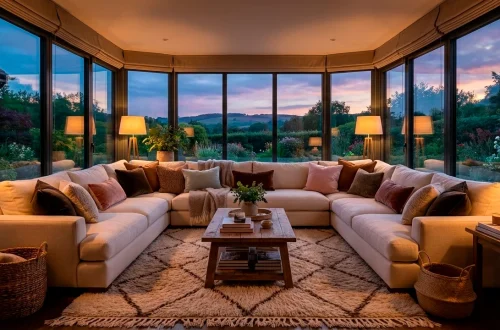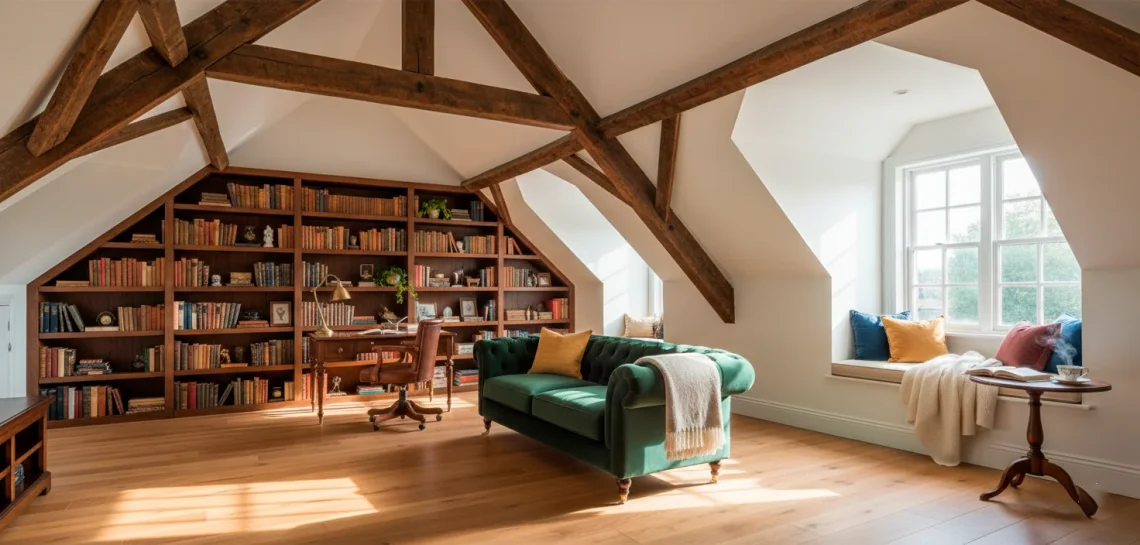
You finally decided to tackle that Victorian attic, didn’t you? It is a brave move, considering the century-old dust and those mysterious creaks. I spent way too many weekends wrestling with lath and plaster to let you go in blind. Let’s turn that spooky storage unit into the crown jewel of your home without stripping away its soul. 🙂
Assess the Skeleton Before Adding the Skin
Don’t just start throwing up drywall. I always check the joists first because Victorian builders didn’t exactly plan for your heavy king-sized bed. Are the beams sagging like a tired marathon runner? You need to reinforce them before doing anything else. I learned this the hard way when a crack appeared in the ceiling below. Trust me, structural stability beats aesthetics every single time. Have you looked at your rafters lately?
Save Those Original Windows
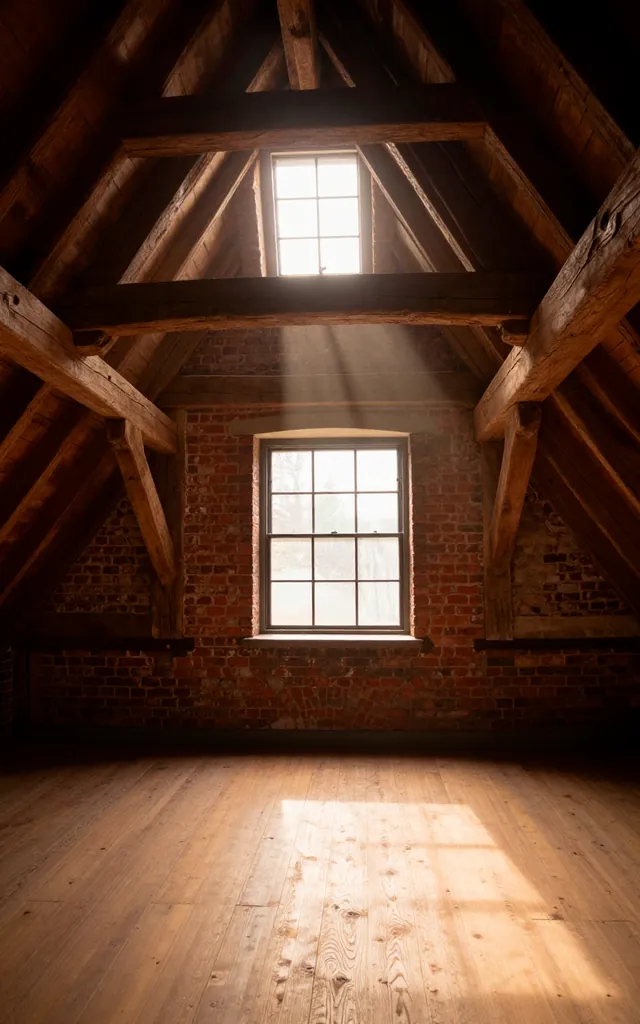
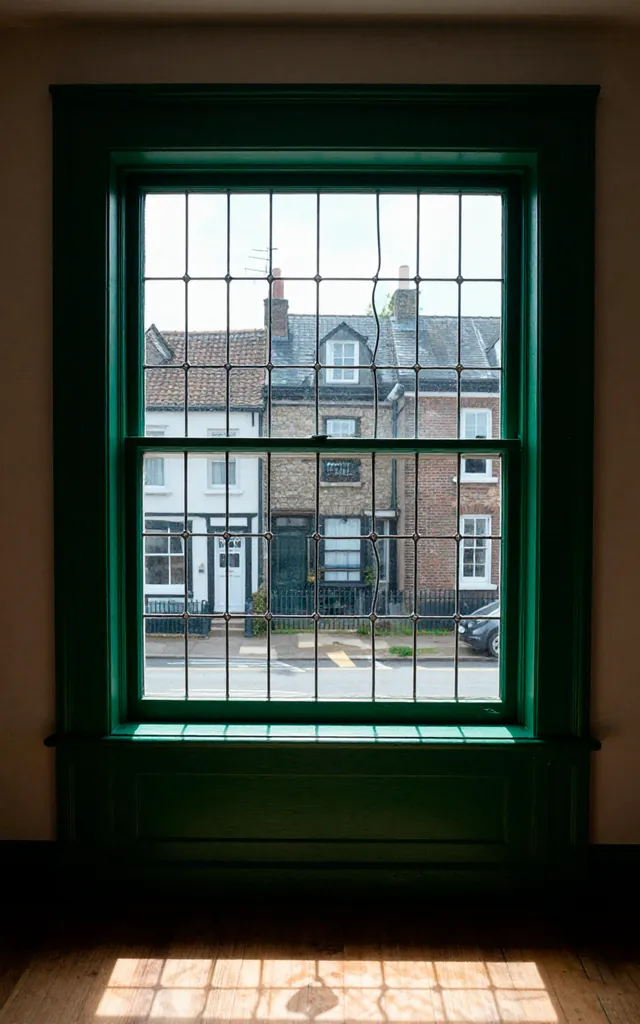
Please, I beg you, don’t replace those wavy glass sashes with plastic junk. Nothing kills the vibe faster than modern vinyl in a 19th-century house. I spent three weeks scraping paint off my dormer windows, and honestly, the result looks spectacular. You can add discreet weatherstripping to stop the drafts without losing the character. Why settle for standard when you have history? FYI, wavy glass acts as a beautiful time machine for your eyes.
Insulate Without Suffocating the Wood
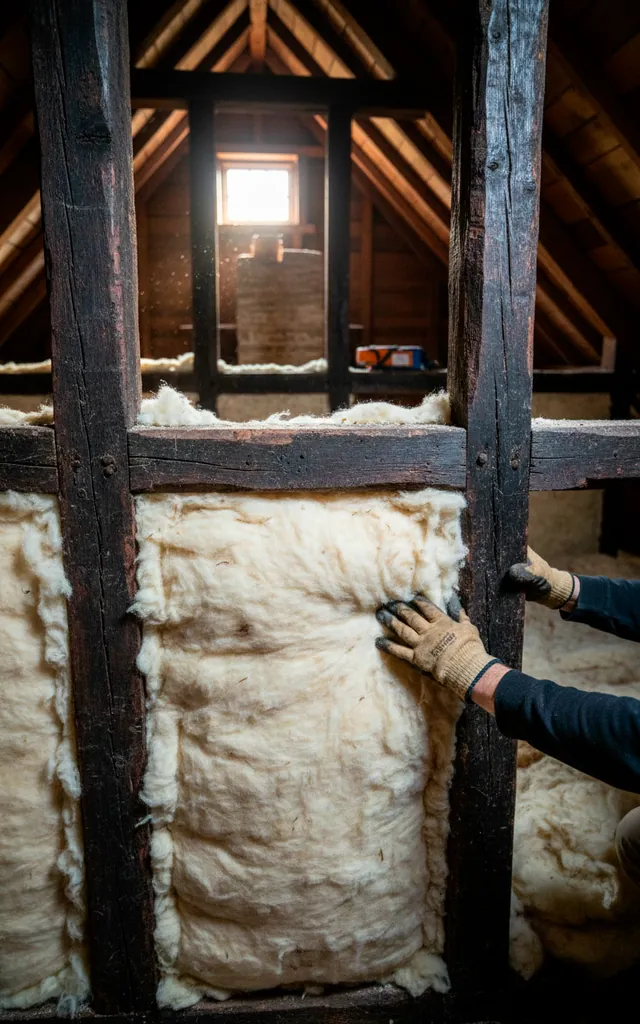
Victorian houses need to breathe, or they’ll rot faster than an abandoned pumpkin. I prefer sheep’s wool or hemp insulation because it manages moisture better than the pink fiberglass stuff. You want to stay warm, but you don’t want to trap dampness against your original rafters. Does your attic feel like a sauna in July? Proper ventilation at the ridge and eaves keeps the air moving. It’s a literal lifesaver for your roof.
Reveal the Hidden Floorboards
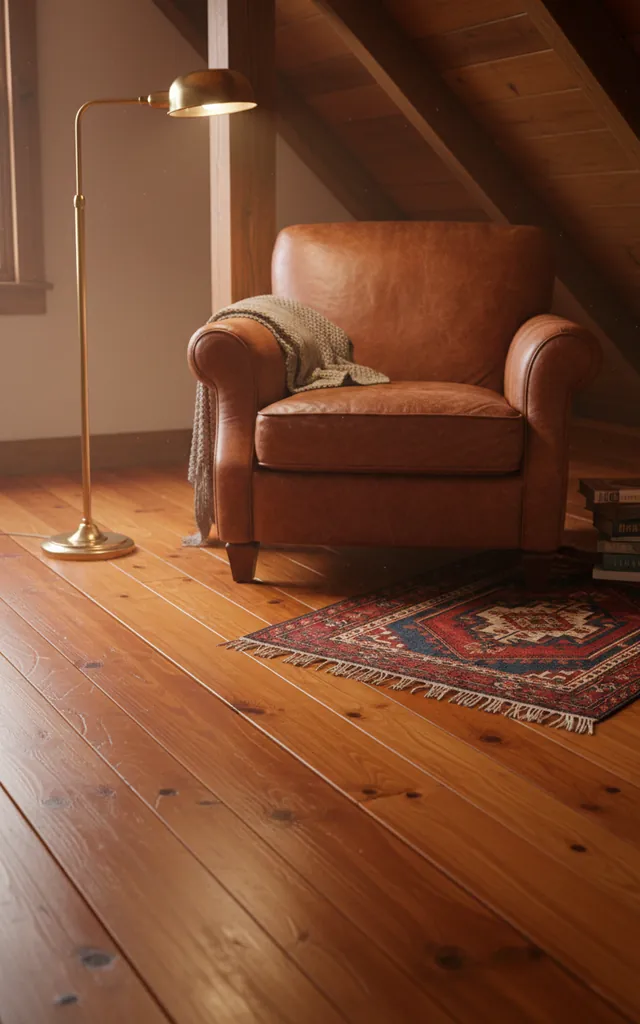
Most Victorian attics hide gorgeous wide-plank pine under layers of grime. I suggest a gentle sanding rather than a total strip-down to keep that lived-in patina. I once found a 1920s newspaper under a loose board—talk about a cool bonus! Use a breathable wax or oil finish instead of thick polyurethane. Doesn’t the floor tell a better story with a few scuffs? IMO, a perfect floor in an old house looks a bit suspicious anyway.
Choose Lighting That Fits the Era
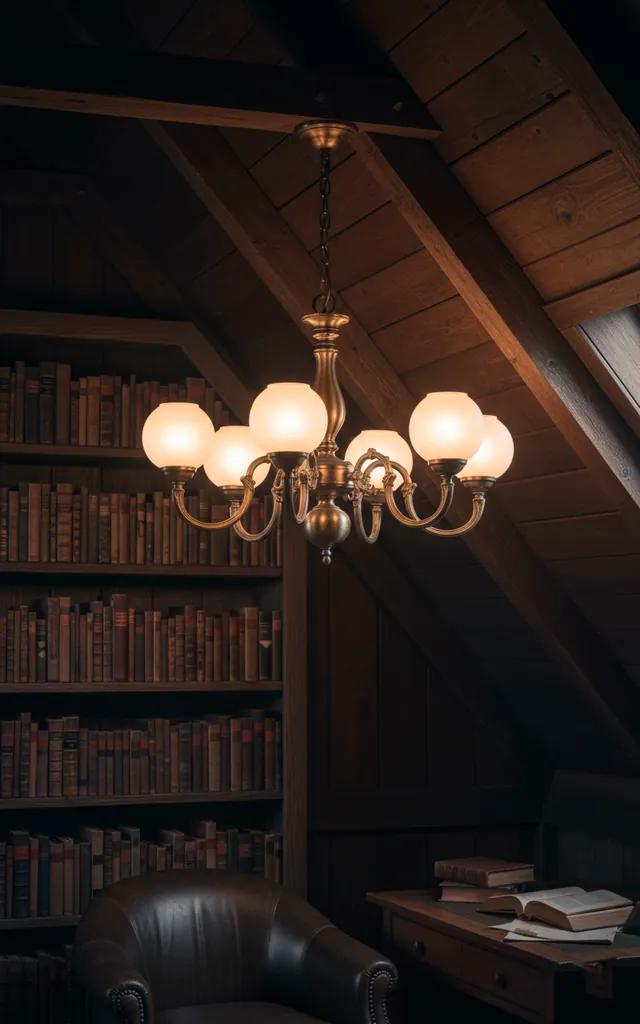
Standard LED panels belong in an office, not your sanctuary. I hunted through antique shops for months to find the perfect schoolhouse pendant for my space. If you can’t find originals, high-quality reproductions work wonders. Avoid recessed can lights unless you want your ceiling to look like Swiss cheese. Do you want your attic to feel like a cozy library or a sterile lab? Subtle, warm-toned bulbs make the wood grain pop beautifully.
Use the Eaves for Stealthy Storage
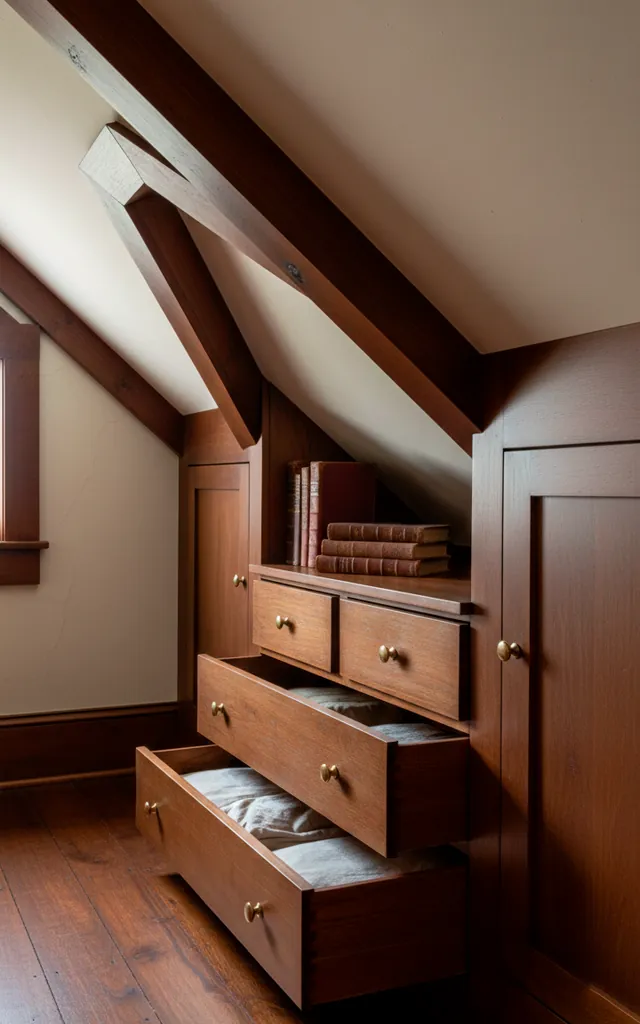
Those awkward sloped ceilings are actually a blessing in disguise. I built custom drawers right into the knee walls to hide all my clutter. It keeps the floor plan open while respecting the original geometry of the roof. Why waste that dead space when you can turn it into a library? Just make sure you don’t block the airflow behind the cabinets. It’s the ultimate way to stay organized without ruining the historic proportions.
Honor the Original Staircase
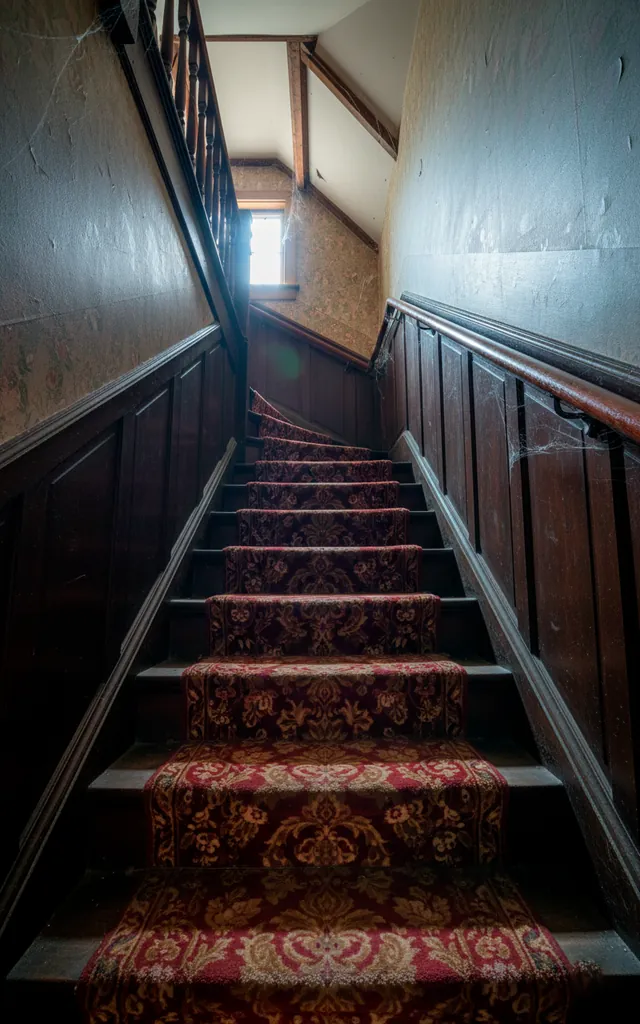
Many people replace attic stairs with flimsy pull-down ladders, which is a tragedy. If you have a fixed staircase, keep it and restore the handrail. I spent hours hand-waxing my banister, and now it’s the first thing people compliment. It bridges the gap between the main house and your new retreat. Is your staircase sturdy enough for a grand entrance? A runner rug can add a pop of color while protecting the wood from heavy foot traffic.
Conclusion
You’ve got the vision; now you just need the patience. Renovating a Victorian attic isn’t a sprint; it’s more like a slow, rewarding dance with history. Take your time with the details and listen to what the house wants. I promise the result will be worth every sore muscle. Ready to start peeling back those layers of time?