Most people think small apartments mean living in a plastic-filled box from a big-box store. I disagree. You can build a stunning sanctuary using wood that already has a story and a soul. Why buy new when the best materials already exist in old barns and shipping pallets? Ready to save the planet and your floor space? Let’s get building. 🙂
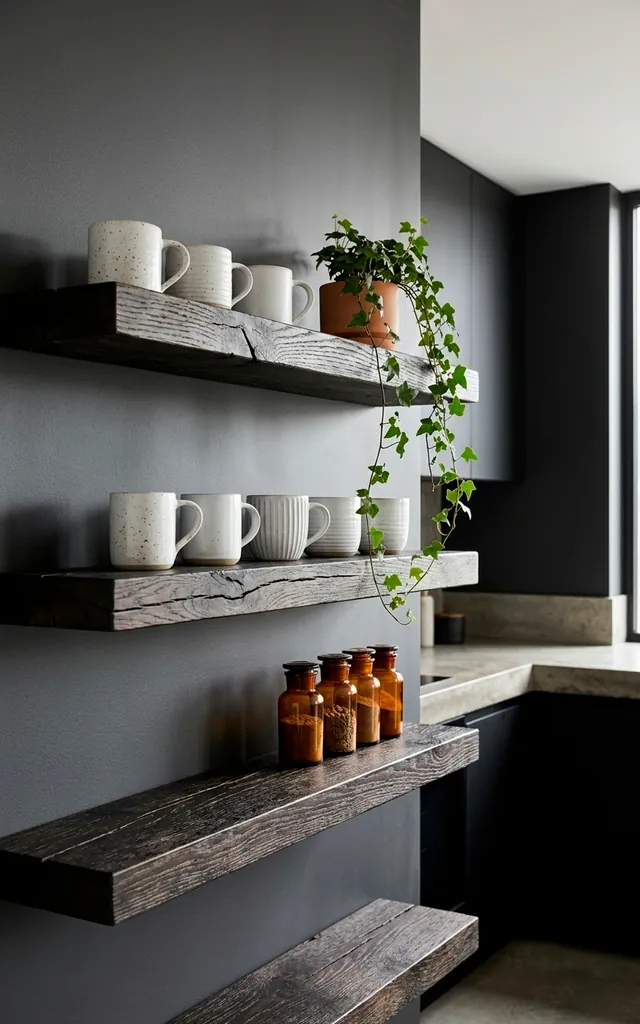
Floating Timber Shelves
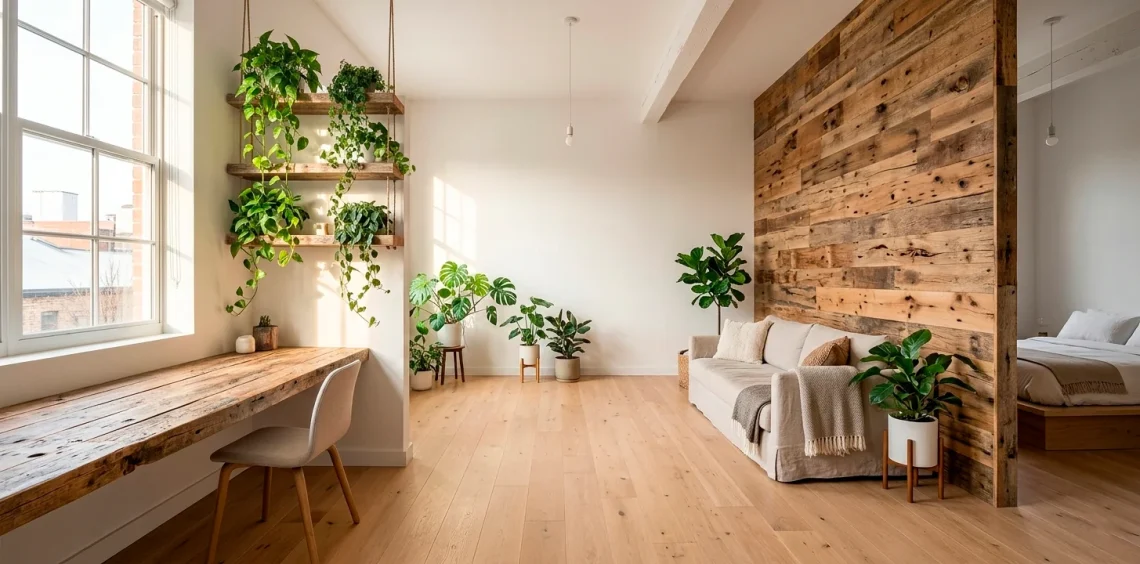
I swear by floating shelves for opening up cramped walls. They turn “dead space” into a functional gallery without those bulky, soul-crushing brackets. Thick, weathered timber adds instant warmth to a sterile kitchen or a tiny bathroom. Plus, you finally get those coffee mugs off your precious counter space. Do you really need more excuses to start drilling?
- Use 2-inch thick reclaimed beams for a heavy, high-end look.
- Opt for hidden internal brackets to keep the silhouette clean.
- Sand the wood just enough to avoid splinters while keeping the history.
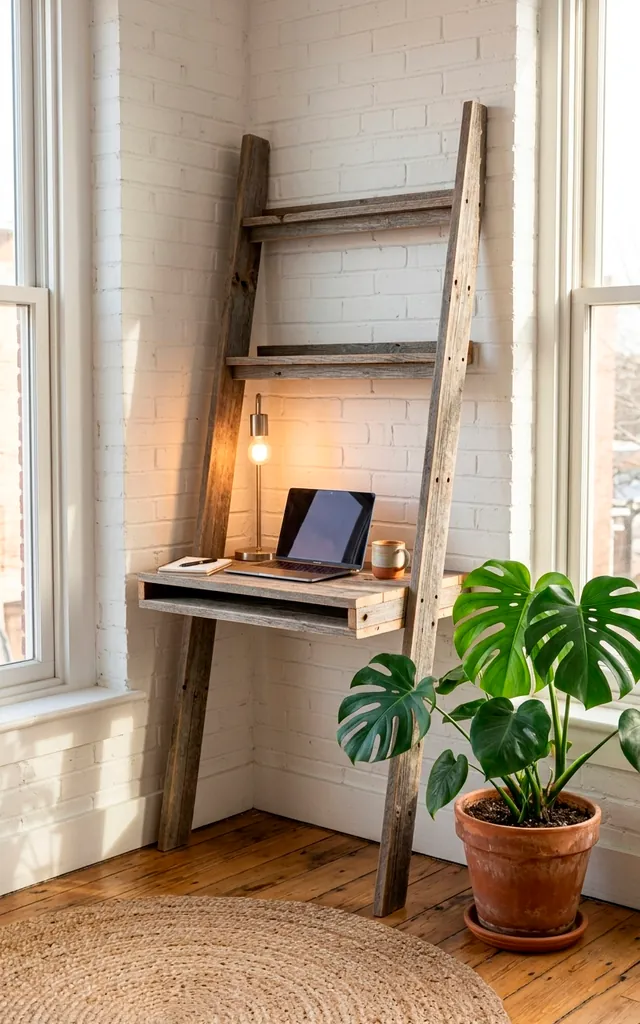
The Leaning Ladder Desk
Ever tried fitting a massive executive desk into a studio? It’s a nightmare. I built a leaning ladder desk that hugs the wall and uses height instead of width. It looks like a designer piece but costs pennies if you source your own scrap wood. Your laptop deserves a view that doesn’t involve the side of your fridge. IMO, verticality is the secret weapon of tiny living.
- Measure your wall height before you start cutting.
- Angle the side rails at 10 degrees for stability.
- Secure the top to the wall so your expensive tech doesn’t take a dive.
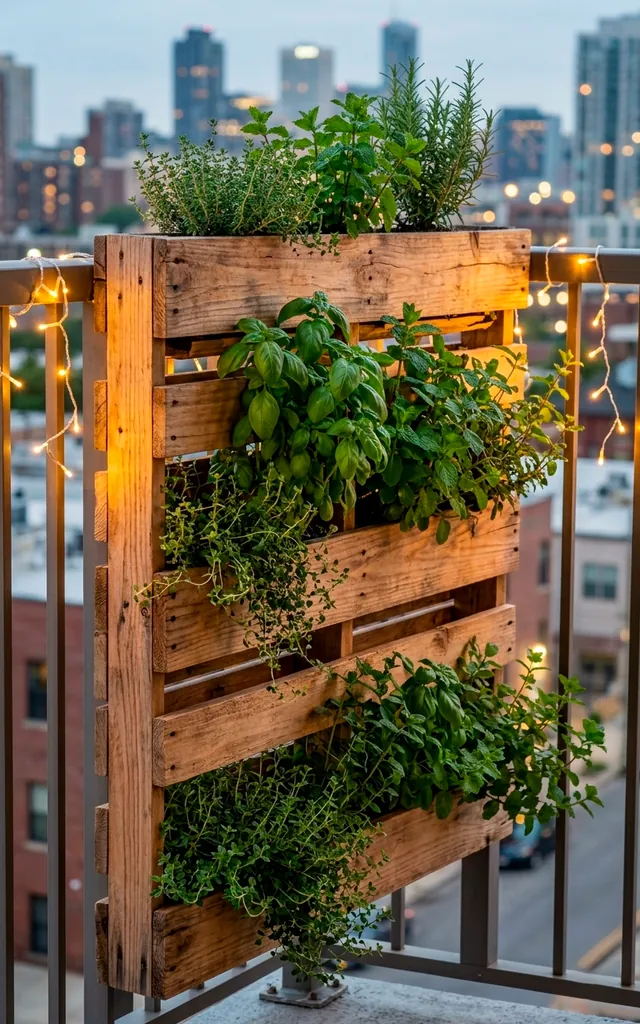
Vertical Pallet Herb Garden
I hate seeing good pallets go to the landfill. Why not turn one into a vertical garden for your balcony? It provides fresh basil for your pasta and smells way better than city smog. This project keeps your floor clear and your kitchen stocked. FYI, just make sure you check the pallet stamps for heat-treated wood rather than chemical-treated stuff.
- Line the internal slots with landscape fabric to hold the soil.
- Paint the wood with a non-toxic sealant to prevent rot.
- Label your herbs with little chalkboards for that Pinterest vibe.
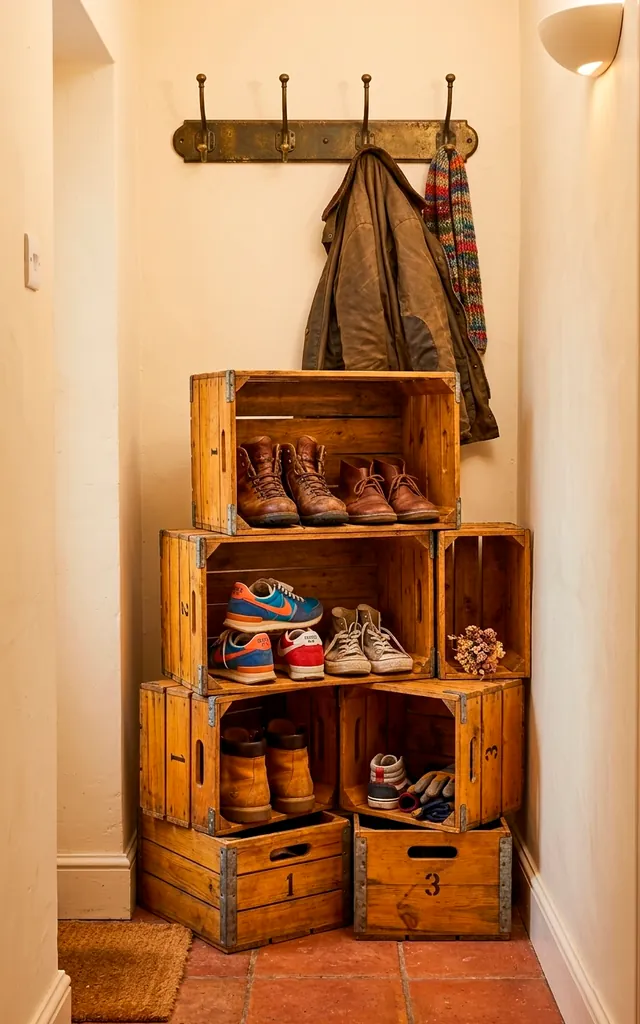
Stackable Crate Shoe Storage
Unless you enjoy tripping over your sneakers every morning, you need this. I found that old apple crates make the perfect modular shoe rack. You can stack them high or wide depending on your weirdly shaped hallway. It’s basically Tetris for grown-ups, but with more splinters and better aesthetics. Does anyone actually like those wire racks from the 90s?
- Sand the crates thoroughly to protect your expensive knit runners.
- Bolt the crates together so they don’t topple over on your cat.
- Leave some crates vertical for your tall boots.
Window Sill Extension
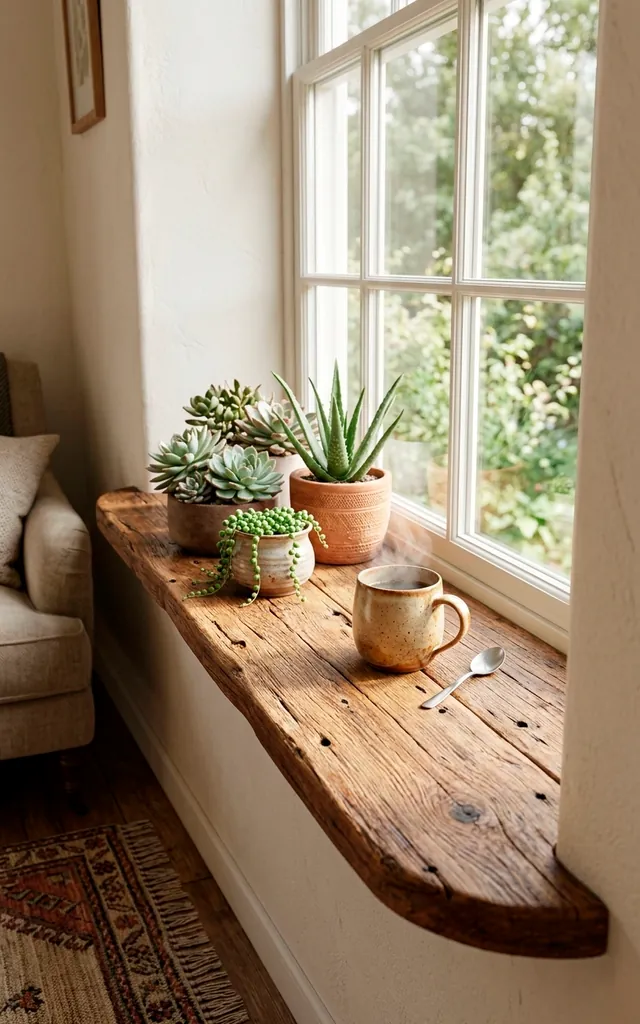
Tiny apartments often lack surfaces for plants or a morning coffee. I fixed this by adding a wide reclaimed plank over my existing narrow window sill. It instantly creates a breakfast bar or a sun-drenched plant shelf. It’s a game-changer for those of us living in ‘cozy’ (read: cramped) spaces. Your succulents will thank you for the extra real estate.
- Support the extension with simple wooden corbels.
- Match the wood stain to your flooring for a built-in look.
- Use a water-resistant finish to handle condensation from the window.
Sliding Barn Wood Room Divider
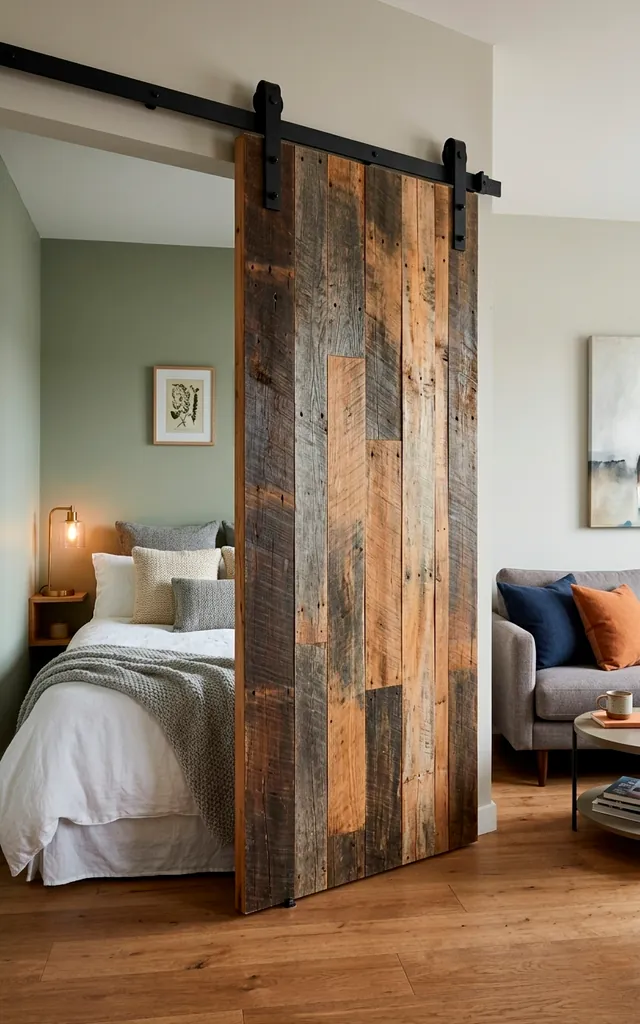
Studio living usually means your bed is basically in your kitchen. I used two large reclaimed doors to create a sliding partition. It adds massive privacy without the permanence of a new wall. Plus, it hides the unmade bed when guests surprise you. Isn’t a little mystery better than seeing your duvet while you eat toast?
- Buy a heavy-duty sliding track rated for solid wood weight.
- Use mismatched wood for an eclectic, lived-in feel.
- Add oversized iron handles for that industrial touch.
Under-Bed Storage Trays
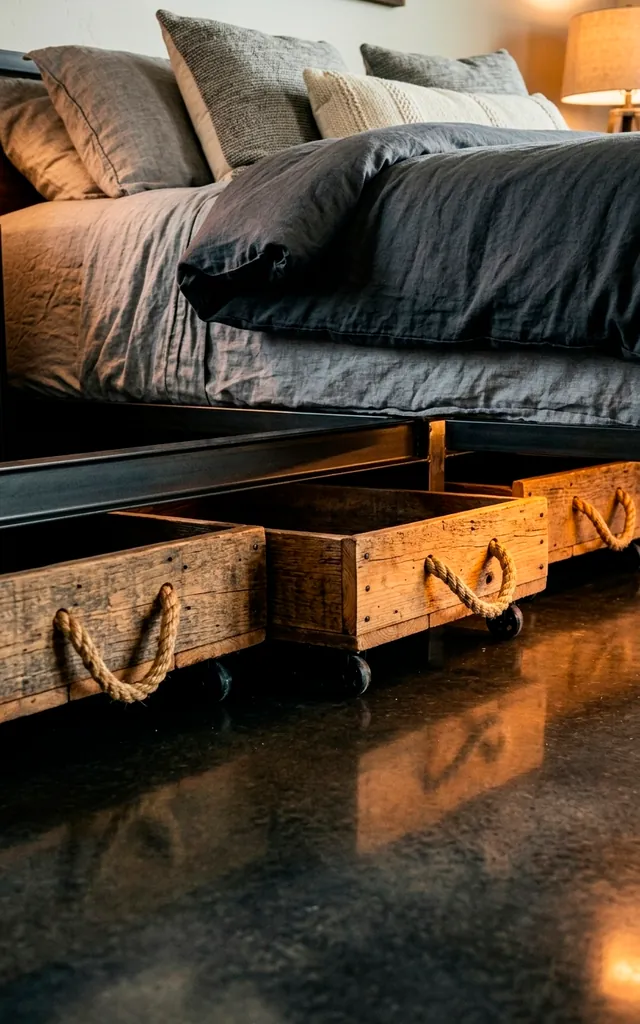
I believe in using every square inch of a small room. I built shallow trays from pallet wood to slide under my bed frame. They hold out-of-season clothes and keep the dust bunnies at bay. It beats those ugly plastic bins that always crack after a month. Honestly, why do we even buy plastic anymore? :/
- Add small casters to the bottom so they glide easily on the floor.
- Use rope handles for a rustic, nautical vibe.
- Label the front of each tray so you know where your sweaters are.
Reclaimed Wood Headboard
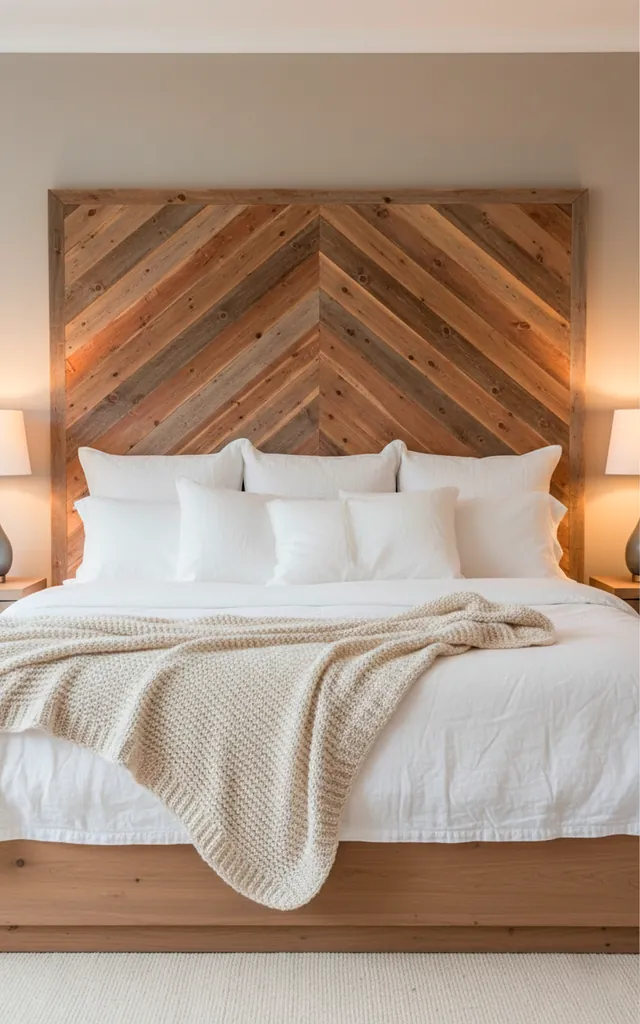
Your bed is the focal point of the room, so make it look like it belongs in a boutique hotel. I assembled a headboard using thin strips of reclaimed cedar. It’s lightweight enough to hang like a picture frame but looks incredibly expensive. It adds that ‘ethical luxury’ vibe without killing your budget or any new trees.
- Stagger the lengths of the wood for a reclaimed ‘patchwork’ effect.
- Use a French cleat to mount it securely to the wall.
- Sand the edges well so you don’t snag your pillows.
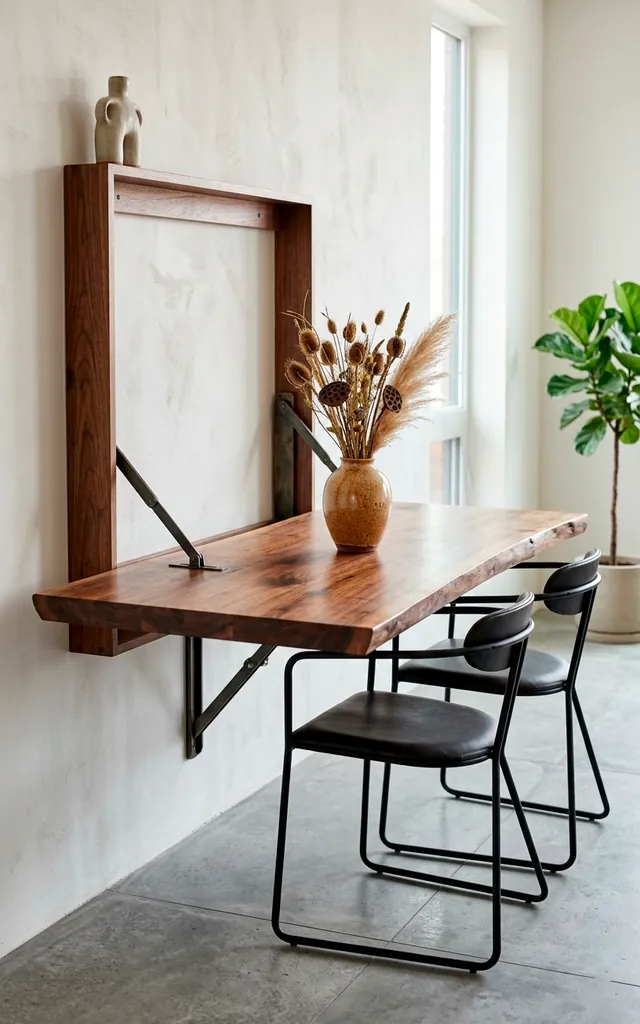
Fold-Down Dining Table
When you have zero space for a dining table, you build one that disappears. I mounted a reclaimed wood slab on hinges against the wall. It stays down when I’m working or eating and flips up when I need to do yoga. It’s the ultimate transformer furniture for tiny dwellings. Who needs a dining room when you have a wall that works?
- Use heavy-duty folding brackets to support the weight.
- Pick a slab with a lot of character since it’s ‘wall art’ when folded.
- Sand the surface smooth for easy cleaning after dinner.
Rustic Bathtub Caddy
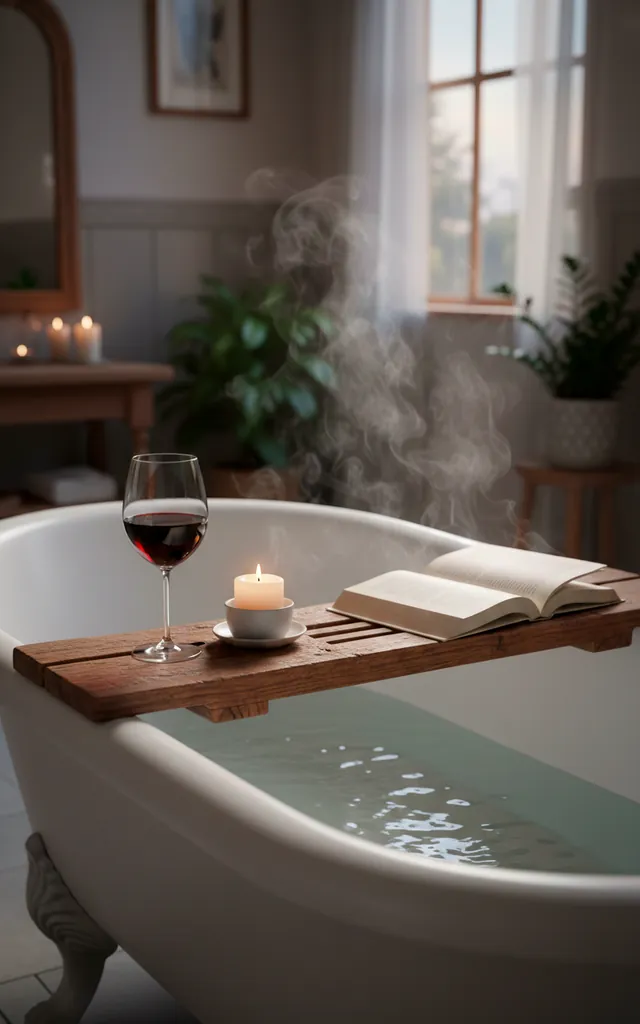
Self-care shouldn’t be a luxury reserved for mansions. I made a simple caddy from a single reclaimed board that fits across my tub. It holds my book, a candle, and a glass of wine. It’s the easiest project on this list but offers the highest ROI for your sanity. Plus, it makes your bathroom look like a spa instead of a closet.
- Cut two small blocks of wood for the underside to prevent sliding.
- Seal it with a heavy-duty marine varnish to protect against steam.
- Carve a small groove to hold your tablet or book upright.
Ready to Build Your Sanctuary?
Ethical small space living isn’t about having less; it’s about choosing better. These projects prove you can have a stylish, functional home while respecting the environment. Grab some old wood, a drill, and start reclaiming your space. Your apartment—and the planet—will thank you for it. Which project are you tackling first? Go on, show that tiny room who’s boss!